



A Practical Guide to Evaluating Products, Manufacturing Capabilities, Customization, Communication and Long-Term Project Value with CHAIRIUM
Introduction
Choosing premium seating is not simply a matter of selecting an attractive chair. Whether the project involves a private home cinema, a luxury living room, a VIP cinema, a hotel, a restaurant or another commercial environment, the seating partner can influence the design process, product selection, project coordination and the final user experience.
A reliable seating partner should help customers understand the available products, evaluate their requirements, compare suitable configurations and clarify the details that matter before an order is confirmed.
For homeowners, architects, interior designers, cinema operators, hospitality businesses, furniture distributors and project developers, the process begins with asking the right questions.
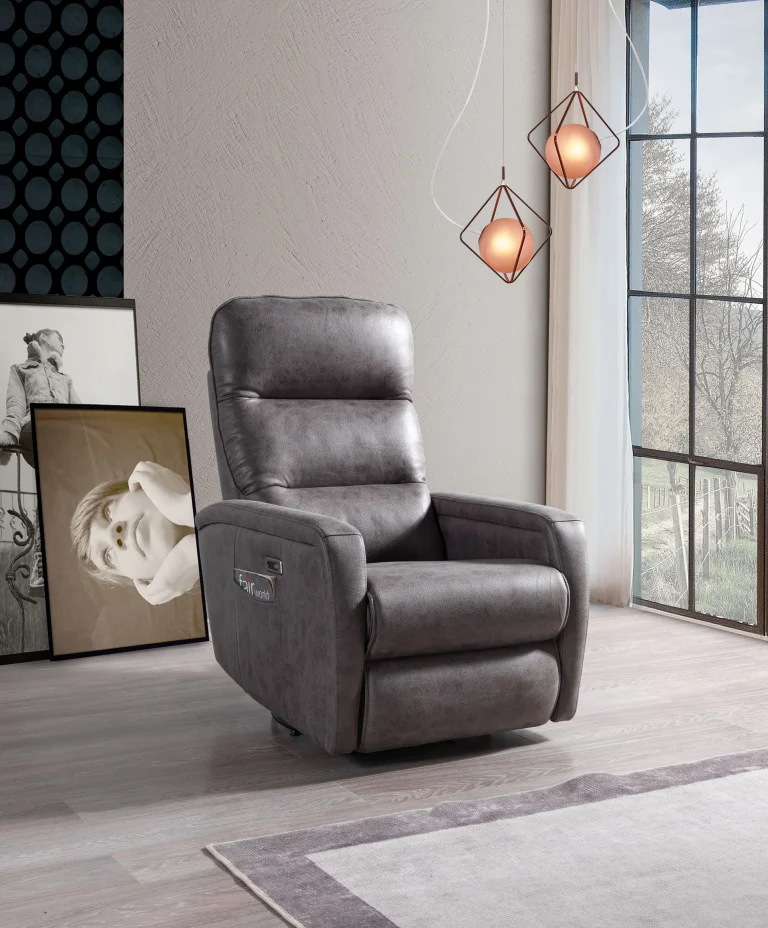
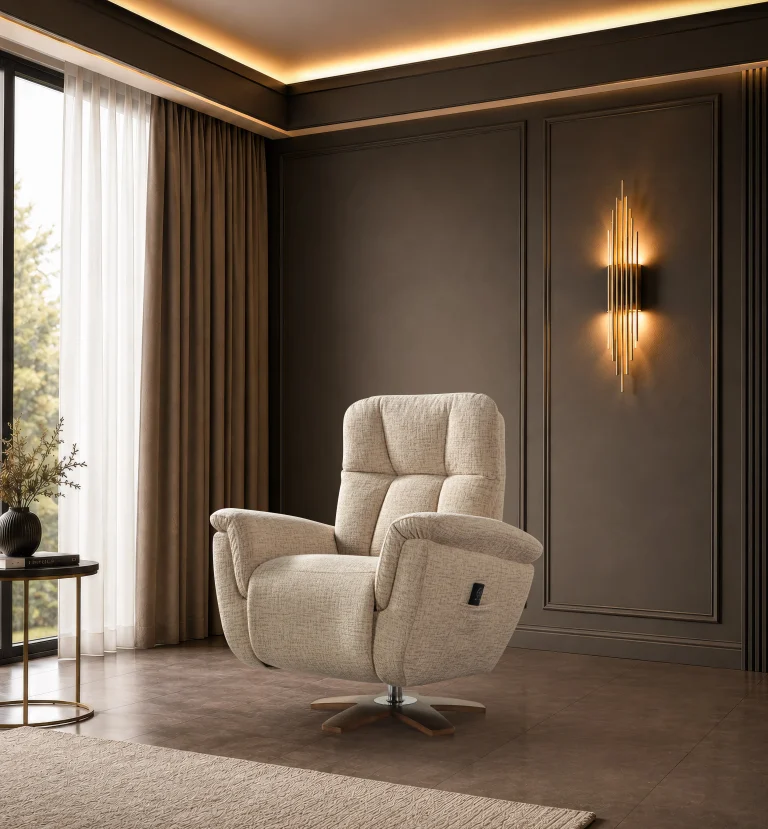
CHAIRIUM presents recliner seating, VIP cinema chairs and customized seating solutions for residential and commercial environments. Its collections and company information provide a starting point for customers who want to explore seating options and discuss project requirements directly.
This guide explains 18 practical considerations for evaluating a premium seating partner and planning a more informed purchasing process.
Contents
- Define the Purpose of the Seating Project
- Look Beyond Product Appearance
- Explore the Manufacturer’s Product Range
- Match Seating Types to the Intended Environment
- Evaluate Customization Possibilities
- Confirm Materials, Upholstery and Colour Options
- Review Dimensions and Product Specifications
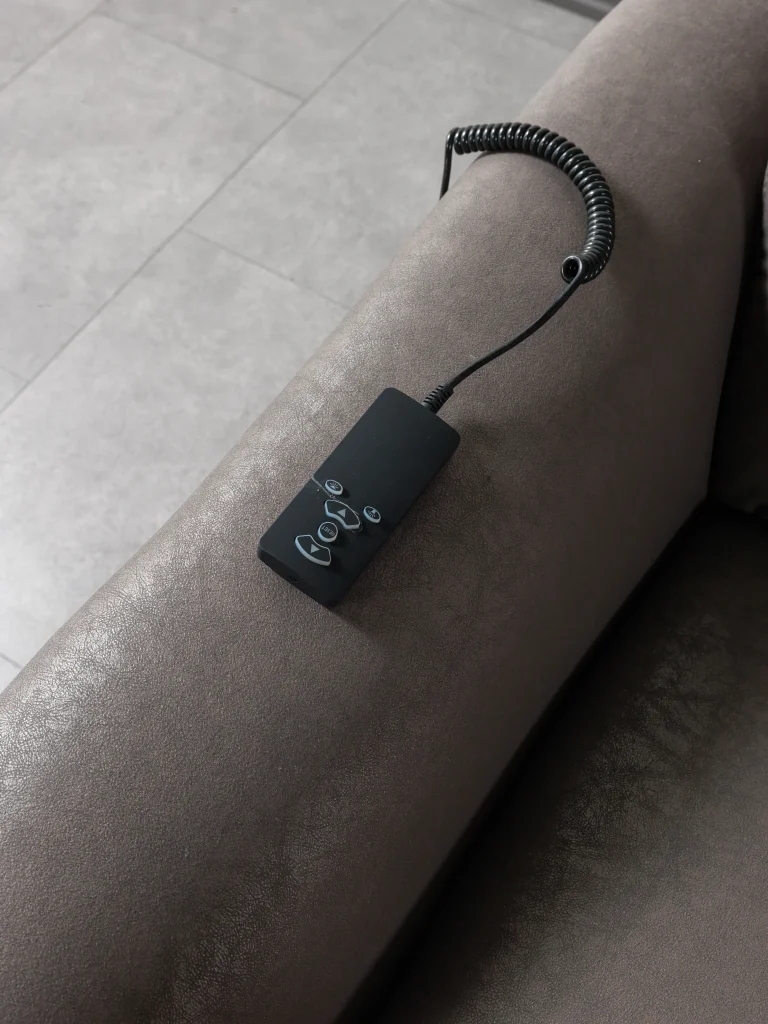
- Understand Mechanisms and Available Functions
- Consider Comfort for Different Users
- Assess Design Consistency Across the Project
- Examine Manufacturing Experience and Facilities
- Request Clear Product and Project Information
- Prepare a Detailed Project Brief
- Establish Direct and Accessible Communication
- Consider International Supply and Business Cooperation
- Clarify Quotation, Production and Delivery Details
- Review Long-Term Use and Maintenance Requirements
- Build the Relationship Around Clear Expectations
1. Define the Purpose of the Seating Project
The first step is to understand what the seating needs to achieve.
A private cinema room has different priorities from a commercial cinema, while a hotel lounge may require a different balance of appearance, comfort and practical use from a residential entertainment room.
Before contacting a manufacturer, identify:
- The type of space where the seating will be installed.
- The people who will use the seats.
- The expected number of seats.
- The desired atmosphere and interior design.
- The main functional requirements.
- Whether the project is residential, commercial or contract-based.
A clear purpose makes it easier to identify suitable products and communicate expectations.
2. Look Beyond Product Appearance
Visual design is important, especially in premium interiors. However, appearance alone cannot determine whether a product is appropriate for a particular project.
Customers should also investigate the construction, dimensions, upholstery, mechanism, available functions and suitability of the selected model.
A well-informed decision considers both the visual character of the seating and the practical requirements of the environment.
When reviewing CHAIRIUM products, customers can explore individual product pages and compare the information provided for each model.
3. Explore the Manufacturer’s Product Range
A broad product range can help customers compare different seating formats without limiting their research to one design.
Depending on the project, relevant categories may include:
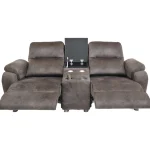
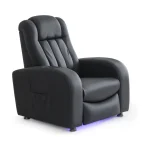
- Single recliner chairs.
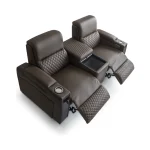
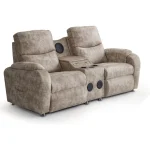
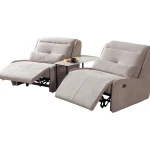
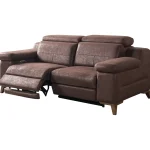
- Double recliner sofas.
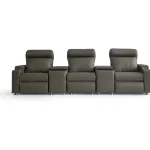
- Triple recliner seating.
- VIP cinema chairs.
- Home cinema recliners.
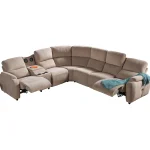
- Corner seating arrangements.
- Selected medical or lift recliner models.
CHAIRIUM presents different product series and seating configurations through its official website.
Explore the collection:
https://www.chairium.com/auditorium-chair-products
4. Match Seating Types to the Intended Environment
The right seating format depends on the application.
For example, a residential home cinema may benefit from individual recliners or a double seating arrangement. A VIP cinema project may require coordinated rows of specialized cinema chairs. A hospitality project may need furniture that complements the identity and function of the venue.
Customers should compare the intended use, available space, number of users and desired seating arrangement before selecting a model.
CHAIRIUM’s recliner and VIP cinema collections offer different starting points for this evaluation.
5. Evaluate Customization Possibilities
Customization can be important when standard product choices do not fully match a project’s requirements.
Depending on the selected model, customers may wish to discuss:
- Upholstery materials.
- Fabric or leather colour.
- Selected dimensions.
- Seat-width options.
- Seating configurations.
- Armrest arrangements.
- Available accessories and optional functions.
Not every option is available for every product. The manufacturer should confirm the possibilities, limitations and technical details for the specific model before the order is finalized.
CHAIRIUM presents custom-made project and contract furniture solutions and invites customers to discuss their requirements.
6. Confirm Materials, Upholstery and Colour Options
Materials influence the appearance and everyday use of seating.
When evaluating upholstery, consider the design concept, expected frequency of use, cleaning requirements and the overall character of the interior.
Questions worth discussing include:
- Which upholstery materials are available for the chosen model?
- Are different colours offered?
- Can material samples be reviewed?
- Are there options suitable for the intended commercial or residential application?
- Which material choices affect the final quotation?
Customers should confirm the currently available options directly with CHAIRIUM for each selected product.
7. Review Dimensions and Product Specifications
Dimensions are essential to a successful seating decision.
A chair that looks suitable in a photograph may not fit the available space or the intended configuration. Buyers should review the product’s width, depth, height and any additional clearance required for its operation.
For projects involving multiple seats, the overall arrangement should also be considered.
Before confirming a model, request or review:
- Overall product dimensions.
- Seat dimensions where available.
- Reclining clearance.
- Configuration details.
- Product-specific technical documentation.
Use the specifications of the exact model rather than assuming that measurements are identical across a product series.
8. Understand Mechanisms and Available Functions
Recliner products can differ in their operating mechanisms and functions.
Some models may use manual mechanisms, while others may offer motorized operation. Depending on the product, additional functions or accessories may also be available.
Customers should establish which functions are included as standard and which, if any, are optional.
Useful questions include:
- Is the selected model manual or motorized?
- How is the reclining mechanism operated?
- Which functions are included?
- Are optional features available?
- What electrical or installation requirements apply?
CHAIRIUM’s product pages and videos can help customers begin comparing models, while the company can clarify product-specific details.
9. Consider Comfort for Different Users
Comfort is influenced by more than softness or appearance.
Seat proportions, back support, armrest design, reclining movement and the intended duration of use can all affect the seating experience.
A residential customer may prioritize personal relaxation, while a cinema operator may need to consider the experience of a broad range of visitors.
Where possible, evaluate the product in relation to its intended users and application. Ask the manufacturer for available dimensions and product information rather than relying only on photographs.
10. Assess Design Consistency Across the Project
A seating project often forms part of a larger interior design concept.
The selected chairs should complement the colours, materials, lighting and architectural character of the space.
For larger projects, design consistency may involve choosing coordinated models, upholstery and configurations across different areas.
CHAIRIUM’s product range and customization discussions can help customers explore options for creating a coherent seating environment. The final selection should be based on confirmed product availability and project specifications.
11. Examine Manufacturing Experience and Facilities
Understanding who makes the product is an important part of supplier evaluation.
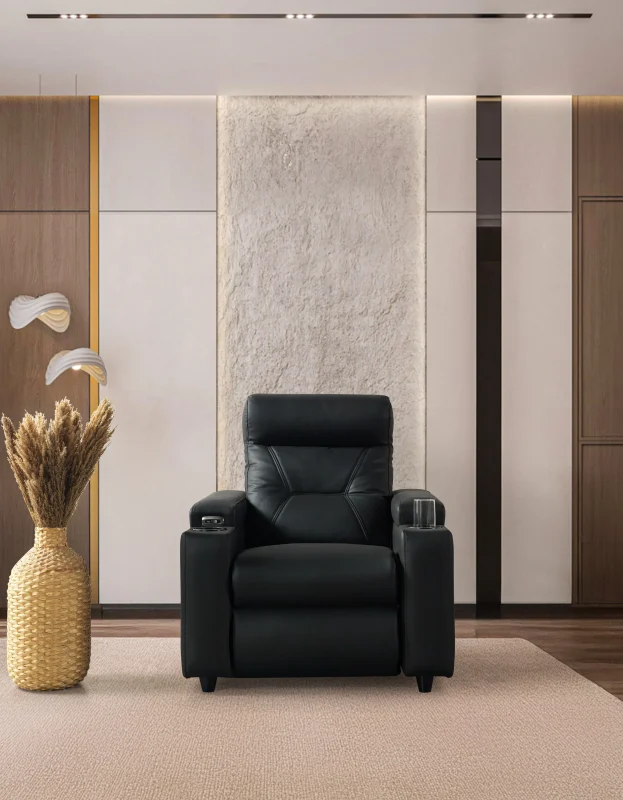
Customers may want to learn about the manufacturer’s facilities, production capabilities, experience and approach to project-based work.
Useful questions include:
- Where is the production facility located?
- Does the company manufacture the relevant seating category?
- Can it provide product documentation?
- Can customers discuss project-specific requirements?
- Is there information about the company’s manufacturing background?
CHAIRIUM presents its factory in İnegöl, Bursa, Türkiye, and provides information about its manufacturing and seating solutions on its official website.
Factory information:
https://www.chairium.com/auditorium-chair-factory-in-turkey
12. Request Clear Product and Project Information
A professional purchasing process depends on clear information.
Before making a decision, customers should have a reasonable understanding of the selected product, its specifications, available options and the conditions of the proposed order.
Depending on the project, useful documents may include:
- Product datasheets.
- Product photographs.
- Technical dimensions.
- Upholstery and colour information.
- Configuration details.
- A written quotation.
- Relevant installation or maintenance information.
Clear documentation helps reduce misunderstandings between buyers, designers, contractors and manufacturers.
13. Prepare a Detailed Project Brief
A project brief helps the manufacturer understand what the customer is trying to achieve.
It does not need to be complicated. Even a concise document can make the first discussion more productive.
Consider including:
- Project type and location.
- Intended seating environment.
- Room dimensions or architectural drawings.
- Estimated seating quantity.
- Preferred models or product categories.
- Desired configurations.
- Upholstery and colour preferences.
- Required functions and accessories.
- Target project schedule.
- Any special technical or design requirements.
Customers can share this information with CHAIRIUM when requesting project guidance or a quotation.
14. Establish Direct and Accessible Communication
Customers may want to contact a manufacturer from different countries, time zones and communication environments.
Accessible contact channels can make it easier to ask questions, share documents, clarify specifications and follow up on project discussions.
Before starting a conversation, prepare the main questions and relevant project information. This can help keep communication focused and reduce repeated explanations.
CHAIRIUM provides contact details and direct communication options through its official contact page.
Contact CHAIRIUM:
https://www.chairium.com/contact-chairium-auditorium-chairs-manufacturer
15. Consider International Supply and Business Cooperation
Premium seating projects may involve international customers, distributors, furniture retailers, architects and commercial project partners.
For these customers, it is useful to understand whether the manufacturer has experience communicating with international buyers and discussing different project requirements.
Potential cooperation may involve:
- Product supply for furniture businesses.
- Seating for cinema and entertainment projects.
- Residential recliner orders.
- Hospitality and contract furniture requirements.
- Distributor or reseller discussions.
- Project-based product selection.
CHAIRIUM provides company and contact information for customers who wish to discuss international business or project opportunities. Specific commercial terms should be confirmed directly with the company.
16. Clarify Quotation, Production and Delivery Details
A quotation should be understood as more than a total price.
Customers should review what the quotation includes and whether the selected options, quantities and configurations are accurately described.
Before confirming an order, clarify:
- The exact product models.
- Quantities and configurations.
- Upholstery and colour selections.
- Standard and optional features.
- Any project-specific requirements.
- Payment conditions.
- Estimated production and delivery arrangements.
- Packaging and transport responsibilities.
Production schedules, delivery terms and commercial conditions should be confirmed in writing for each order.
17. Review Long-Term Use and Maintenance Requirements
Premium seating is an investment in the everyday experience of a space.
For residential buyers, long-term satisfaction may depend on comfort, appearance and ease of care. For commercial operators, maintenance planning and the ability to manage regular use may be especially important.
Before purchasing, ask about the recommended care of the selected upholstery, the operation of its mechanisms and any available product support information.
Maintenance requirements can vary according to materials, product construction and usage conditions. Follow the guidance provided for the specific model.
18. Build the Relationship Around Clear Expectations
A successful project depends on cooperation between the customer and the manufacturer.
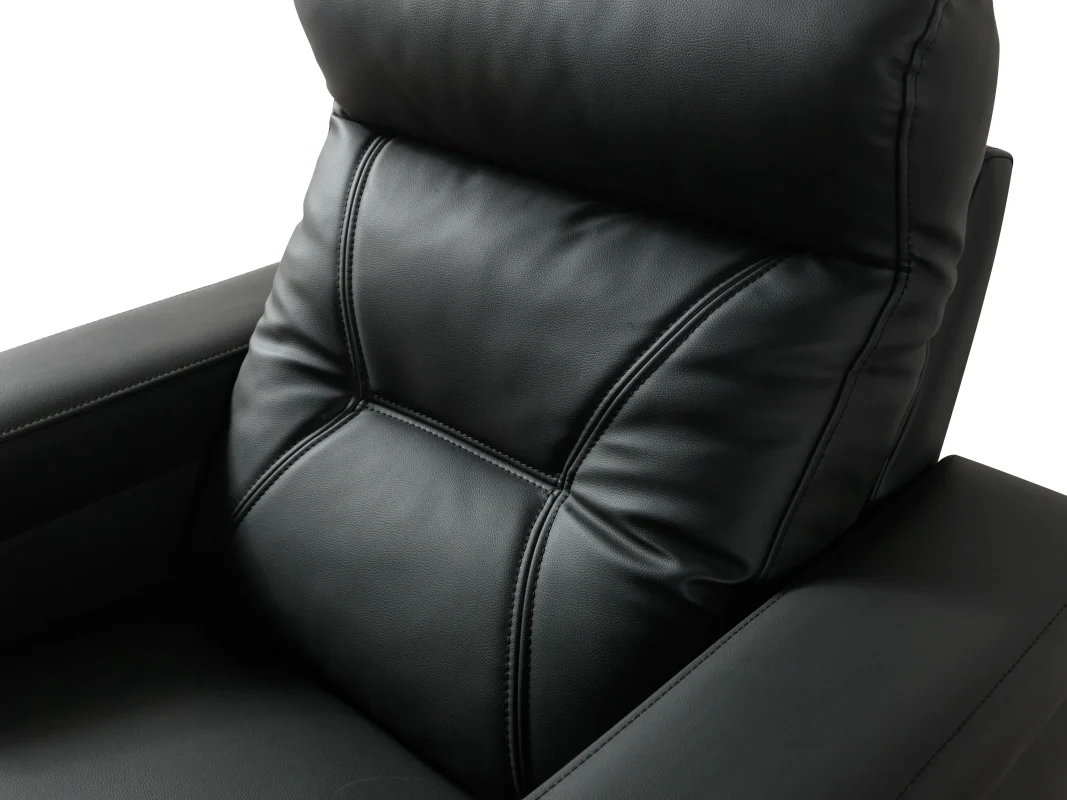
The most productive relationships are built around clear requirements, accurate product information, realistic schedules and written confirmation of important details.
Customers should communicate their priorities openly and ask questions whenever a specification is unclear.
For manufacturers, project discussions provide an opportunity to understand the customer’s objectives and identify suitable products or configurations.
CHAIRIUM invites residential and commercial customers, designers, cinema operators, distributors and project developers to explore its collections and discuss their seating requirements.
Frequently Asked Questions
1. What should I consider when choosing a premium seating manufacturer?
Review the product range, manufacturing information, specifications, customization possibilities, communication channels and the company’s ability to understand your project requirements.
2. Does CHAIRIUM offer seating for both residential and commercial projects?
CHAIRIUM presents seating solutions for public spaces and private residences, including recliners, VIP cinema chairs and custom-made project and contract furniture.
3. Can I discuss a project before selecting a specific chair?
Yes. Customers can contact CHAIRIUM with their project type, room dimensions, estimated seating quantity and preferences to begin a product discussion.
4. Are customization options available?
Customization is available for selected products and project requirements. The available dimensions, materials, colours and configurations should be confirmed for the chosen model.
5. Where can I compare CHAIRIUM products?
Visit the official product collection:
https://www.chairium.com/auditorium-chair-products
6. Can I review product videos?
CHAIRIUM provides a video section where customers can explore selected seating models and their appearance in motion:
https://www.chairium.com/videos
7. Where is the CHAIRIUM factory located?
CHAIRIUM lists its factory address in İnegöl, Bursa, Türkiye. Customers can consult the official factory page for further information.
8. How can international customers contact CHAIRIUM?
International customers can use the official contact page to find the company’s contact details and available communication channels:
https://www.chairium.com/contact-chairium-auditorium-chairs-manufacturer
Explore Premium Seating with CHAIRIUM
Choosing the right seating partner requires a considered approach. Product appearance, comfort, specifications, customization, manufacturing information and communication all contribute to a more informed decision.
Whether you are planning a private home cinema, furnishing a living room, developing a VIP cinema, updating a hospitality space or sourcing seating for a commercial project, begin by defining your requirements and comparing suitable products.
Explore the collections, review the available product information and contact CHAIRIUM to discuss your project.
CHAIRIUM — Premium Recliner Seating, VIP Cinema Chairs and Customized Seating Solutions.
Official website: https://www.chairium.com/
Product collection: https://www.chairium.com/auditorium-chair-products
Contact: https://www.chairium.com/contact-chairium-auditorium-chairs-manufacturer