



Introduction: Protecting the Value of Premium Seating
Premium seating is an investment in everyday comfort, interior design and the functionality of a living or entertainment space.
Whether a recliner is installed in a private residence, a home cinema, a VIP auditorium, a hotel or a commercial entertainment venue, its long-term condition depends on appropriate use and attention to its materials and operating components.
Customers often have practical questions after selecting their furniture:
How should upholstery be cleaned? What precautions should be taken when operating a motorized recliner? How can the appearance of leather or fabric be maintained? What should be checked when a reclining mechanism does not operate as expected? Where can customers obtain product-specific information?
These questions are important throughout the life of a seating product.
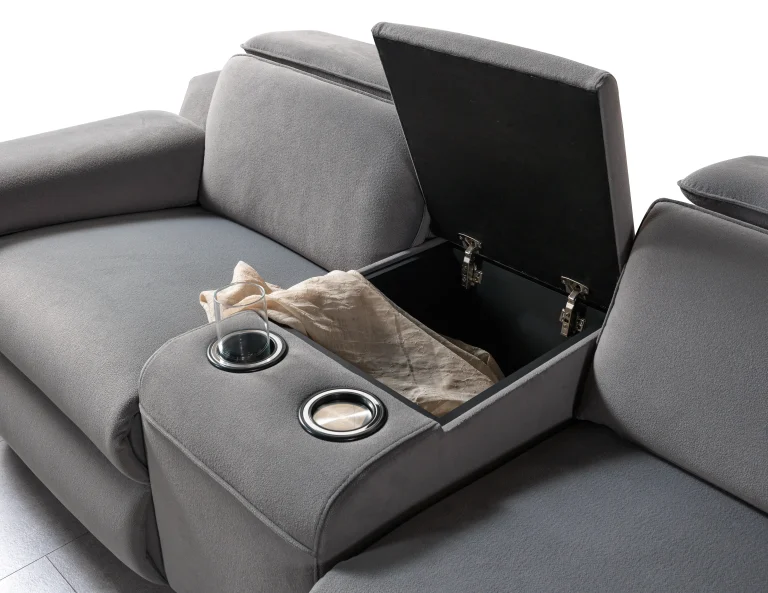
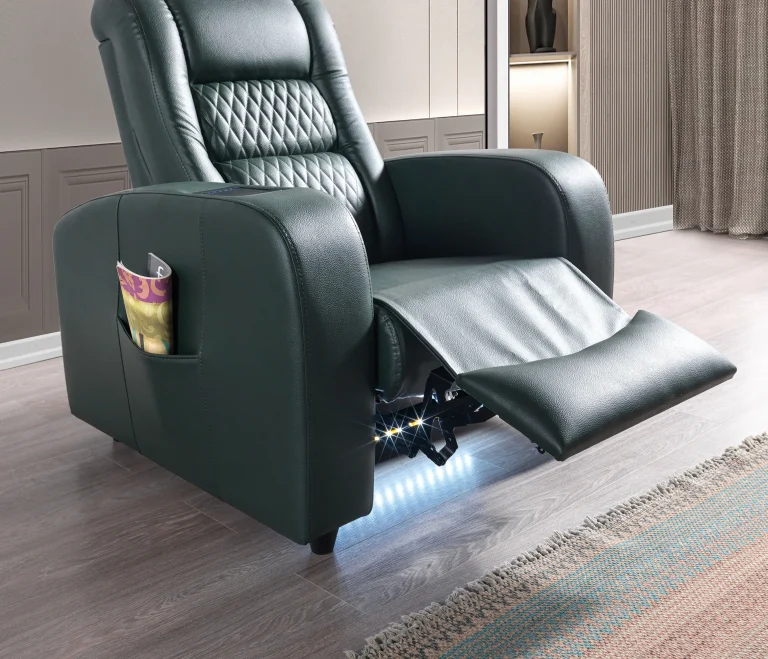
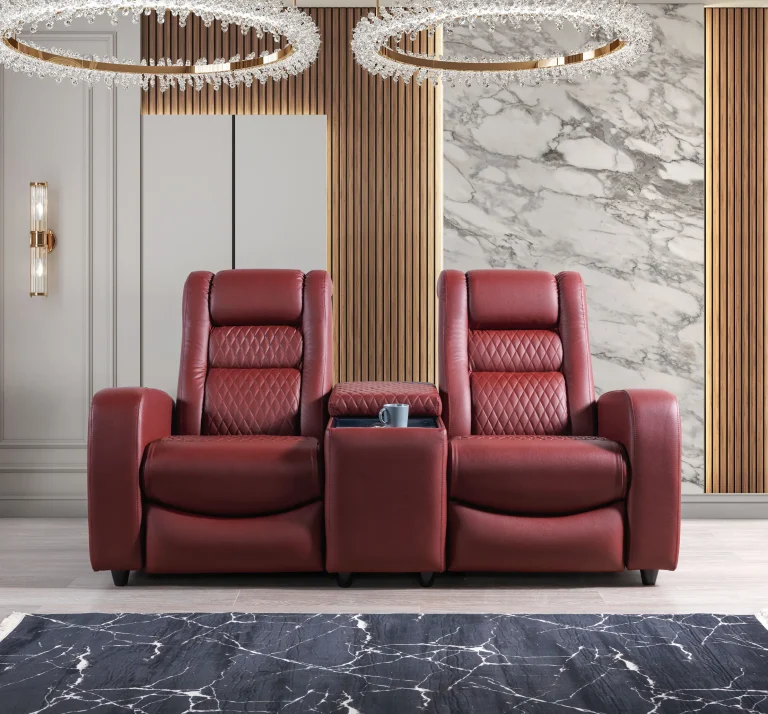
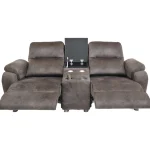
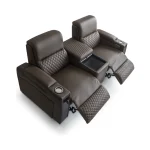
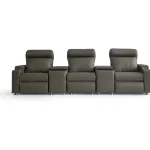
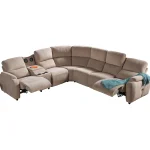
CHAIRIUM brings together premium recliner seating, VIP cinema chairs and tailored seating solutions for residential and commercial environments. Its official website provides access to product collections, individual product information, digital catalogues and communication opportunities.
This guide presents 18 practical considerations for customers who want to understand responsible recliner use, upholstery care, maintenance awareness and direct communication with CHAIRIUM.
1. Understand Your Recliner Before Using It
Every recliner model may have different functions, operating mechanisms and technical characteristics.
Before using a newly purchased chair, customers should familiarize themselves with its product information and operating instructions.
Important details may include:
- Manual or motorized operation.
- Reclining controls.
- Footrest movement.
- Backrest adjustment.
- Electrical connections, where applicable.
- Additional functions.
- Available accessories.
- Model-specific operating limitations.
Customers should not assume that every CHAIRIUM recliner operates in exactly the same way.
Reviewing the information for the selected model is the best starting point for responsible use.
2. Follow the Manufacturer’s Upholstery Care Recommendations
Different upholstery materials require different cleaning and maintenance approaches.
Fabric, artificial leather and genuine leather may respond differently to cleaning products, moisture and everyday use.
For this reason, customers should identify the upholstery material before choosing a cleaning method.
A sensible approach includes:
- Checking the product’s care instructions.
- Identifying the exact upholstery material.
- Using only suitable cleaning products.
- Avoiding unapproved chemical treatments.
- Testing an approved cleaning method in an inconspicuous area when appropriate.
- Following any specific manufacturer recommendations.
Customers should contact CHAIRIUM if they are uncertain about the appropriate care procedure for their selected upholstery.
3. Protect Fabric Upholstery from Unnecessary Wear
Fabric upholstery contributes to the appearance and comfort of many seating products.
Its condition can be influenced by dust, friction, accidental spills, direct sunlight and everyday use.
To help maintain its appearance, customers can:
- Follow the recommended cleaning schedule.
- Remove loose dust using an appropriate method.
- Address spills according to the upholstery care instructions.
- Avoid aggressive brushing.
- Keep sharp objects away from the seating surface.
- Avoid unsuitable household cleaning chemicals.
The correct procedure depends on the particular fabric.
Customers should refer to the material-specific care guidance rather than applying one cleaning method to every fabric-covered recliner.
4. Maintain the Appearance of Genuine Leather Upholstery
Genuine leather offers a distinctive appearance and material character.
However, it requires appropriate care to maintain its condition over time.
Customers should consider the following principles:
- Follow the leather supplier’s care recommendations.
- Avoid excessive moisture.
- Use suitable leather-care products when recommended.
- Avoid unapproved solvents and harsh chemicals.
- Protect the surface from unnecessary abrasion.
- Consider the effect of prolonged direct sunlight.
- Avoid placing hot objects directly on the upholstery.
Different leather finishes may have different care requirements.
For this reason, customers interested in CHAIRIUM’s genuine leather products should request the appropriate care information for the selected model and upholstery.
5. Take Care of Artificial Leather Surfaces
Artificial leather is another upholstery option used in furniture production.
Its cleaning and maintenance requirements depend on the specific material and surface finish.
Customers should avoid assuming that artificial leather can be treated exactly like genuine leather.
A responsible care routine should include:
- Checking the upholstery specifications.
- Using approved cleaning methods.
- Avoiding harsh solvents.
- Avoiding abrasive cleaning materials.
- Preventing unnecessary exposure to excessive heat.
- Following the manufacturer’s recommendations for stain removal.
When purchasing a recliner, asking about the upholstery’s care requirements can help customers make a more informed material selection.
6. Keep Reclining Mechanisms Clear of Obstructions
A recliner needs sufficient space for its moving components.
Objects placed around or underneath the chair may interfere with the movement of the footrest or reclining mechanism.
Customers should therefore consider:
- Keeping the operating area clear.
- Avoiding objects beneath moving components.
- Checking that surrounding furniture does not obstruct reclining movement.
- Maintaining suitable clearance around the chair.
- Following the product’s operating instructions.
If a mechanism becomes obstructed or behaves unexpectedly, customers should stop using the affected function and consult the appropriate product instructions or CHAIRIUM support before attempting repairs.
7. Use Motorized Recliners According to Their Specifications
Motorized recliners offer powered movement and additional operating convenience.
However, electrical and mechanical components should always be used according to the instructions provided for the specific model.
Customers should pay attention to:
- The specified electrical requirements.
- Correct connection procedures.
- The location of electrical cables.
- The condition of plugs and connections.
- The manufacturer’s operating instructions.
- Any model-specific precautions.
If unusual noise, overheating, damaged cables or unexpected operation occurs, discontinue use of the affected function and seek qualified assistance.
Customers should not open electrical components or attempt internal repairs unless specifically authorized and qualified to do so.
8. Protect Remote Controls and Operating Accessories
Some motorized recliners use remote controls or other operating accessories.
These components should be handled carefully because they are part of the product’s operating system.
Customers can help maintain their condition by:
- Keeping controls away from liquids.
- Avoiding drops and impacts.
- Following battery replacement instructions, where applicable.
- Storing detachable accessories safely.
- Avoiding excessive pressure on buttons.
- Keeping operating accessories away from children when necessary.
If a control stops responding, customers should first consult the relevant instructions.
If the issue continues, they can contact CHAIRIUM with the product model and a description of the problem.
9. Avoid Overloading and Incorrect Use
Every seating product is designed according to particular structural and operating specifications.
Customers should respect the intended use and any published weight or loading limitations.
Avoid:
- Standing on the chair.
- Jumping on the seating surface.
- Applying excessive pressure to the armrests.
- Forcing the reclining mechanism.
- Using moving components as steps.
- Placing objects on the chair that exceed its intended capacity.
For commercial environments, staff should understand the intended use of the seating products and communicate appropriate operating guidance to visitors.
10. Consider Sunlight, Heat and Environmental Conditions
The environment surrounding a recliner can influence the condition of its upholstery and other components.
Prolonged exposure to direct sunlight may affect certain colours and materials.
Excessive heat, moisture or unsuitable environmental conditions may also influence furniture over time.
Customers should consider:
- The position of windows.
- Direct sunlight exposure.
- Nearby heating equipment.
- Air circulation.
- General room humidity.
- Cleaning and environmental conditions.
For a private home cinema, living room or hotel lounge, positioning the seating appropriately can support a more suitable furniture environment.
The material-specific recommendations should always take priority over general advice.
11. Establish a Regular Visual Inspection Routine
Regular observation can help customers notice changes before they become larger problems.
A simple visual inspection may include:
- Upholstery condition.
- Visible stitching.
- Armrest surfaces.
- Footrest movement.
- Backrest movement.
- Electrical cables.
- Remote-control condition.
- Visible mechanical components.
- Loose or unusual external fittings.
This does not replace professional servicing or technical inspection.
Its purpose is to help customers identify visible concerns and communicate them clearly when requesting assistance.
12. Respond Properly to Unusual Noise or Movement
A recliner may produce sounds during normal operation, depending on its mechanism and construction.
However, a sudden change in sound, unexpected movement or unusual resistance deserves attention.
Customers should avoid forcing the chair to complete a movement if something appears abnormal.
A useful response is to:
- Stop the affected operation.
- Check whether an external obstruction is visible.
- Review the product’s operating instructions.
- Record the model and describe the issue.
- Contact CHAIRIUM or an appropriately qualified service professional for guidance.
Customers should not dismantle mechanical or electrical components without proper authorization.
Clear information about the problem can help determine the appropriate next step.
13. Organize Maintenance Information for Commercial Seating Areas
Hotels, cinemas and entertainment venues may have many seating units in daily use.
For these environments, organized maintenance records can be particularly useful.
A maintenance register can include:
- Product model.
- Seating location.
- Installation date.
- Upholstery type.
- Inspection date.
- Visible condition.
- Reported operating concerns.
- Previous maintenance actions.
- Follow-up requirements.
Such records help facility managers organize inspections and identify recurring issues.
For larger CHAIRIUM projects, customers can discuss the available product documentation and any relevant maintenance information directly with the company.
14. Train Staff to Use Commercial Recliner Seating Correctly
In commercial environments, several employees may interact with the same seating products.
Cinema staff, hotel personnel, cleaning teams and facility managers should understand the basic operating procedures relevant to their responsibilities.
Staff guidance may cover:
- Correct operation of reclining controls.
- Safe positioning of chairs.
- Upholstery cleaning procedures.
- Recognizing visible damage.
- Reporting unusual mechanical behaviour.
- Protecting electrical components.
- Avoiding unauthorized repairs.
A simple internal instruction document can help maintain consistent practices throughout the facility.
This is particularly useful in VIP cinema environments where customers may be unfamiliar with motorized seating.
15. Ask About Spare Parts, Service and Product Support
Customers may occasionally need assistance with a product after purchasing it.
The nature of the request may involve an operating accessory, upholstery question, mechanical concern or technical component.
When contacting CHAIRIUM, it is helpful to provide:
- The product name.
- Model or version reference.
- Purchase or project information, if available.
- A description of the issue.
- Photographs or videos showing the concern.
- Any relevant error indications.
Customers should ask the company about applicable service procedures, component availability, warranty conditions and the appropriate support arrangements for their specific product.
Availability and coverage should be confirmed directly rather than assumed to be identical across all models and orders.
16. Keep Product Documents and Purchase Information Accessible
Product information is useful not only during the purchasing process but also throughout ownership.
Customers should retain relevant documents, including:
- Product specifications.
- Operating instructions.
- Upholstery information.
- Purchase documentation.
- Warranty documents, where applicable.
- Technical correspondence.
- Service records.
- Product photographs and model references.
Keeping these documents organized makes it easier to identify the correct product when requesting assistance.
For businesses with multiple seating models, maintaining a separate record for each product category can be particularly useful.
17. Contact CHAIRIUM When Product-Specific Guidance Is Needed
General maintenance advice cannot replace information about a particular model.
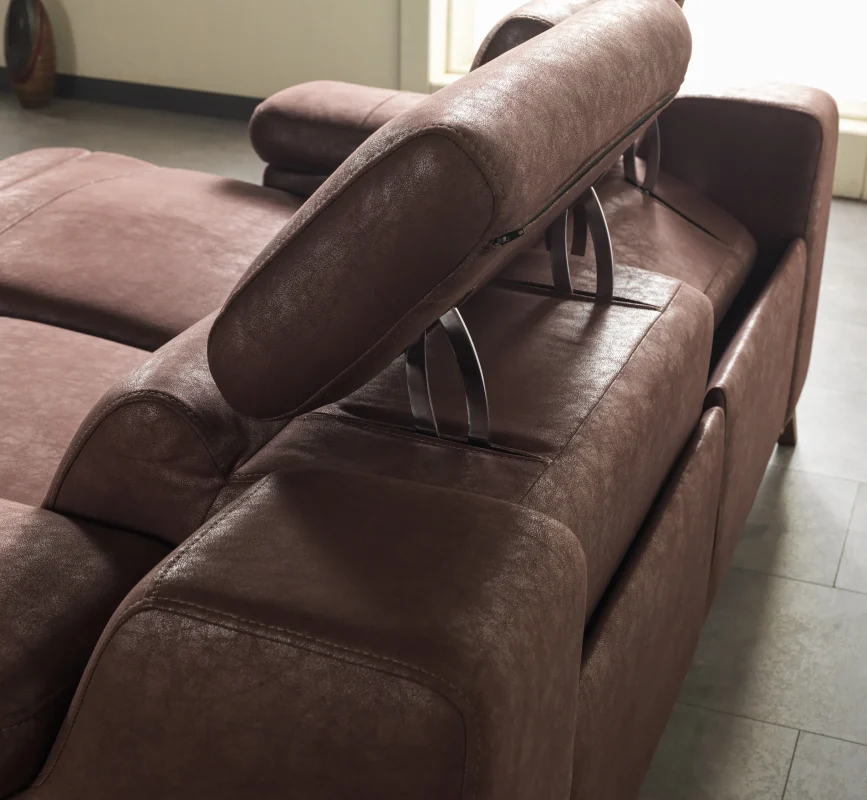
A customer who owns a CHAIRIUM recliner may need clarification about cleaning, operating functions, upholstery or technical components.
The best approach is to use the official website and its published communication channels.
Customers can begin by reviewing:
Official Website
Product Collections
https://www.chairium.com/auditorium-chair-products
Electronic Catalogue
Product Videos
Company Information
Contact and Customer Enquiries
When sending a maintenance enquiry, include the product name, a clear explanation and relevant photographs where possible.
This helps the company understand the subject of the request.
18. Think About Product Care from the Beginning of the Purchasing Process
Long-term product care should be considered before purchasing a recliner, not only after a problem occurs.
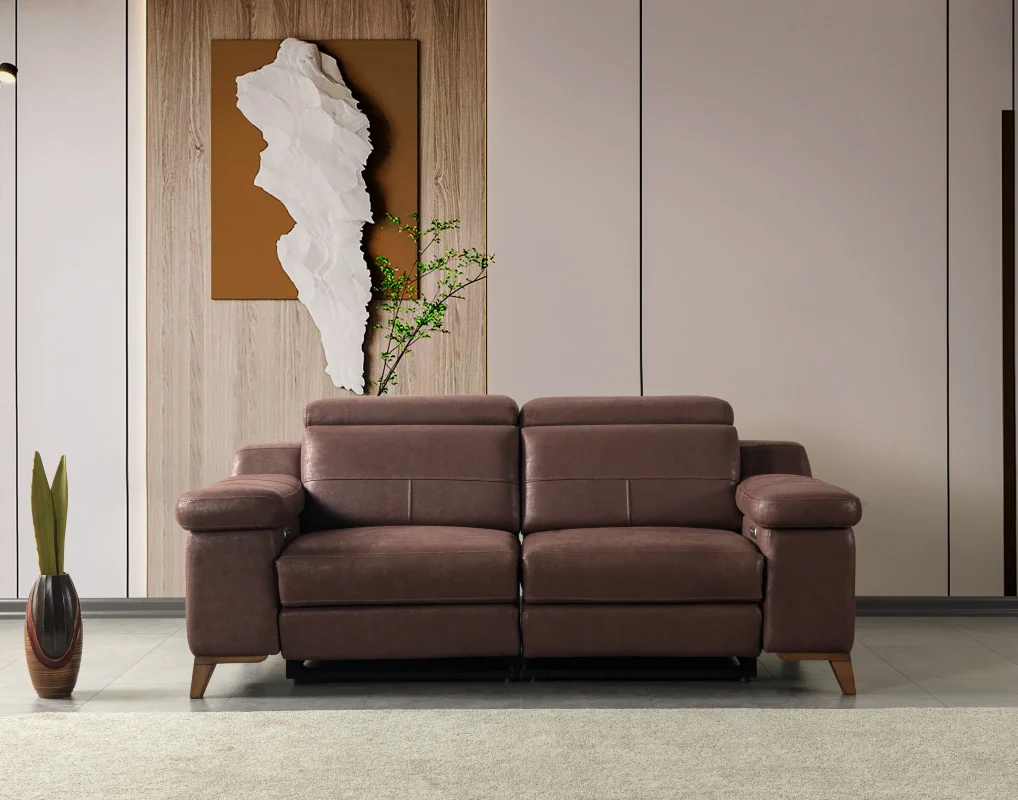
Customers can ask relevant questions during the initial product selection process.
For example:
- Which upholstery materials are available?
- What cleaning methods are recommended?
- What are the operating requirements?
- What precautions apply to motorized models?
- Which maintenance documents are provided?
- What warranty conditions apply?
- How can technical assistance be requested?
- Which service arrangements are available for the destination country?
These questions can help customers understand the responsibilities associated with owning and operating premium seating.
CHAIRIUM customers can discuss these subjects through the official website before making their final purchasing decisions.
Frequently Asked Questions
1. How should I clean a CHAIRIUM recliner?
The correct method depends on the upholstery material and product instructions. Always follow the relevant manufacturer recommendations.
2. Can I use ordinary household cleaning products?
Not automatically. Some chemicals may damage upholstery or surface finishes. Check product-specific care instructions first.
3. How should I maintain genuine leather upholstery?
Use the care procedure recommended for the particular leather finish and avoid unapproved cleaning products.
4. What should I do if my motorized recliner stops working?
Stop using the affected function, review the operating instructions and contact CHAIRIUM or qualified technical support if the issue continues.
5. Can I repair a reclining mechanism myself?
Internal mechanical and electrical repairs should not be attempted without the appropriate qualifications and authorization.
6. How can I prevent damage to the reclining mechanism?
Follow the operating instructions, maintain suitable clearance and keep objects away from moving components.
7. How frequently should commercial seating be inspected?
The inspection frequency should reflect usage, the operating environment and the manufacturer’s recommendations.
8. Can hotels and cinemas organize maintenance records?
Yes. Recording product models, locations, inspection findings and reported issues can support organized facility management.
9. Where can I obtain information about spare parts and service?
Contact CHAIRIUM through its official website and provide the product model and details of the requirement.
10. Where can I find the instructions for my selected model?
Review the relevant product documentation and contact CHAIRIUM if additional clarification is required.
Conclusion: Responsible Care Supports Long-Term Seating Value
Premium seating is intended to provide more than an attractive appearance. Its materials, functions and operating components should be understood and cared for throughout its use.
Following product-specific instructions, selecting suitable cleaning methods, maintaining appropriate operating conditions and communicating technical concerns clearly can help customers manage their seating responsibly.
For residential owners, commercial operators, hotel managers and cinema businesses, these practices can become part of a consistent furniture-care approach.
CHAIRIUM brings together premium recliner seating, VIP cinema chairs and tailored seating solutions for different environments.
Through its official website, customers can discover product collections, investigate individual models, review available digital information and contact the company about product-related questions.
Whether you are researching your first recliner or managing a larger seating installation, understanding product care is an important part of making an informed and responsible decision.
CHAIRIUM — Premium Recliner Seating, VIP Cinema Chairs and Tailored Seating Solutions.
Choose Carefully. Use Responsibly. Maintain Properly. Stay Connected with CHAIRIUM.
Official Website: