
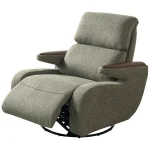
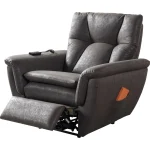
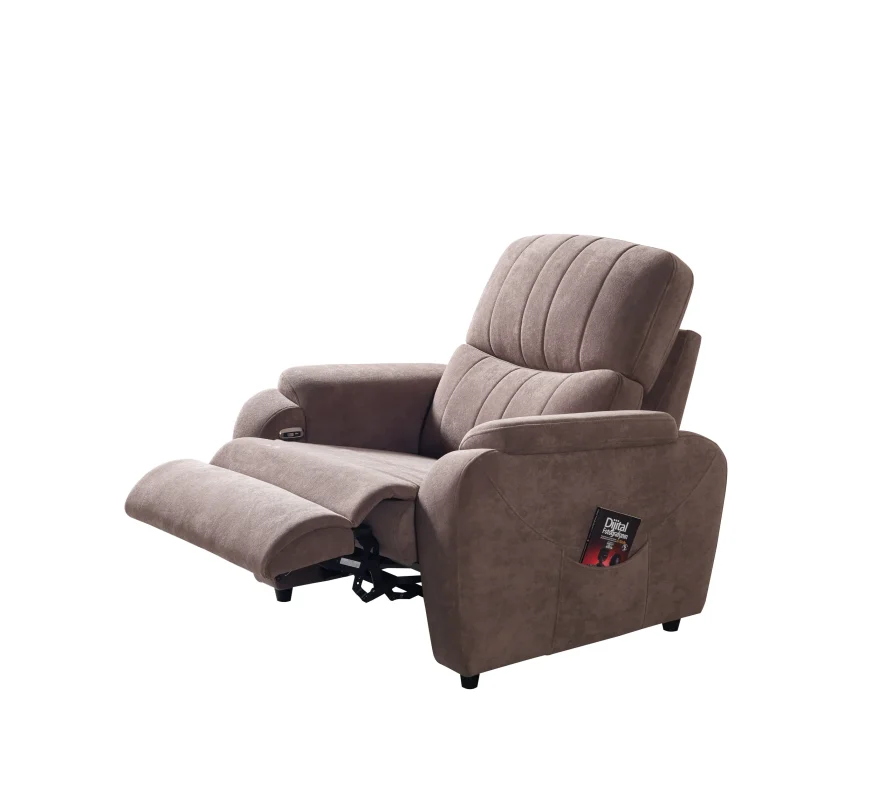
Introduction
Finding the right seating solution is not simply a matter of choosing an attractive chair. It involves understanding the intended environment, identifying practical requirements, evaluating available models, considering customization possibilities and communicating project expectations clearly.
For individuals, interior designers, cinema operators, furniture retailers, hospitality businesses, architects and international project buyers, the journey towards a suitable seating solution can begin in different ways. Some people search for a particular recliner model, while others start with a room, a commercial project, a seating capacity requirement or a design concept.
CHAIRIUM brings these different interests together through its online platform, presenting premium recliner seating, VIP cinema chairs, home cinema solutions and made-to-measure seating possibilities.
The purpose of this guide is to explain 18 practical principles that help visitors transform an initial interest into a clearer seating requirement and a more productive project discussion. Throughout this process, chairium.com serves as the central destination for product discovery, company information, visual references and direct communication.
1. Start with the Actual Seating Requirement
Every successful seating project begins with a clearly identified need.
Before selecting a model, visitors should consider whether they are looking for a single recliner, a double seating arrangement, a complete home cinema solution or seating for a commercial entertainment venue.
The distinction matters because different applications require different dimensions, configurations and functional expectations.
CHAIRIUM provides a starting point for exploring these requirements through its product collections and project-oriented information.
2. Identify the Intended Environment
The environment in which seating will be installed influences almost every subsequent decision.
A private cinema room may prioritize personal comfort and an integrated entertainment experience. A commercial cinema may require coordinated seating arrangements, practical circulation space and consistent interior design.
Other applications may include residential living rooms, hospitality environments and specialized VIP areas.
Identifying the environment first helps visitors communicate their expectations more accurately.
3. Translate Ideas into Practical Requirements
A general request such as premium seating or luxury recliners is a useful beginning, but a project becomes easier to evaluate when the requirements are more specific.
Visitors can prepare information about:
- Intended seating application.
- Approximate number of seats.
- Available room dimensions.
- Preferred seating configuration.
- Desired upholstery and colours.
- Functional and optional features.
- General project expectations.
These details create a useful foundation for a discussion with CHAIRIUM.
4. Consider Single, Double and Multiple-Seat Configurations
Seating configuration is an important part of spatial planning.
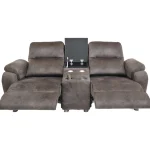
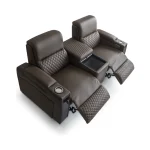
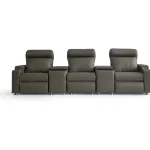
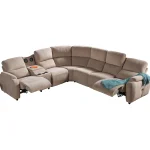
A single recliner may suit an individual entertainment space, while double recliners can provide a shared seating arrangement. Triple recliners and corner configurations may be relevant to larger residential or entertainment environments.
CHAIRIUM presents different configurations across its product portfolio.
Visitors should consider both the number of users and the available installation area before determining which arrangement deserves further evaluation.
5. Evaluate Dimensions Before Finalizing a Model
A premium seating solution must work within the physical limitations of its intended location.
Width, depth, height, reclining clearance and the relationship between neighbouring seats should all be considered.
For commercial projects, aisle arrangements, access routes and the distance between seating rows are also important.
Visitors can use the dimensions presented on relevant CHAIRIUM product pages as an initial reference and confirm the final measurements and installation requirements directly with the company.
6. Understand Manual and Motorized Functionality
Reclining mechanisms influence how a seat operates and how users interact with it.
CHAIRIUM presents both manual and motorized seating models. Depending on the selected model, visitors can evaluate operating methods, reclining functions and other available features.
The appropriate mechanism should be considered in relation to the intended application, user expectations and project specifications.
Rather than assuming that every feature is available on every model, buyers should verify the individual product details.
7. Treat Upholstery as Part of the Overall Design
Upholstery contributes to the visual identity and practical character of a seating environment.
Fabric, artificial leather and genuine leather may be among the available material choices, depending on the model and production requirements.
Colour selection should also be considered in relation to wall finishes, flooring, lighting and other interior elements.
CHAIRIUM’s customization approach allows visitors to explore seating solutions that correspond more closely to their preferred design direction.
8. Examine Optional Features According to Their Purpose
Additional features can contribute to the experience of using a recliner, but they should be selected according to actual requirements.
Depending on the model, available options may include:
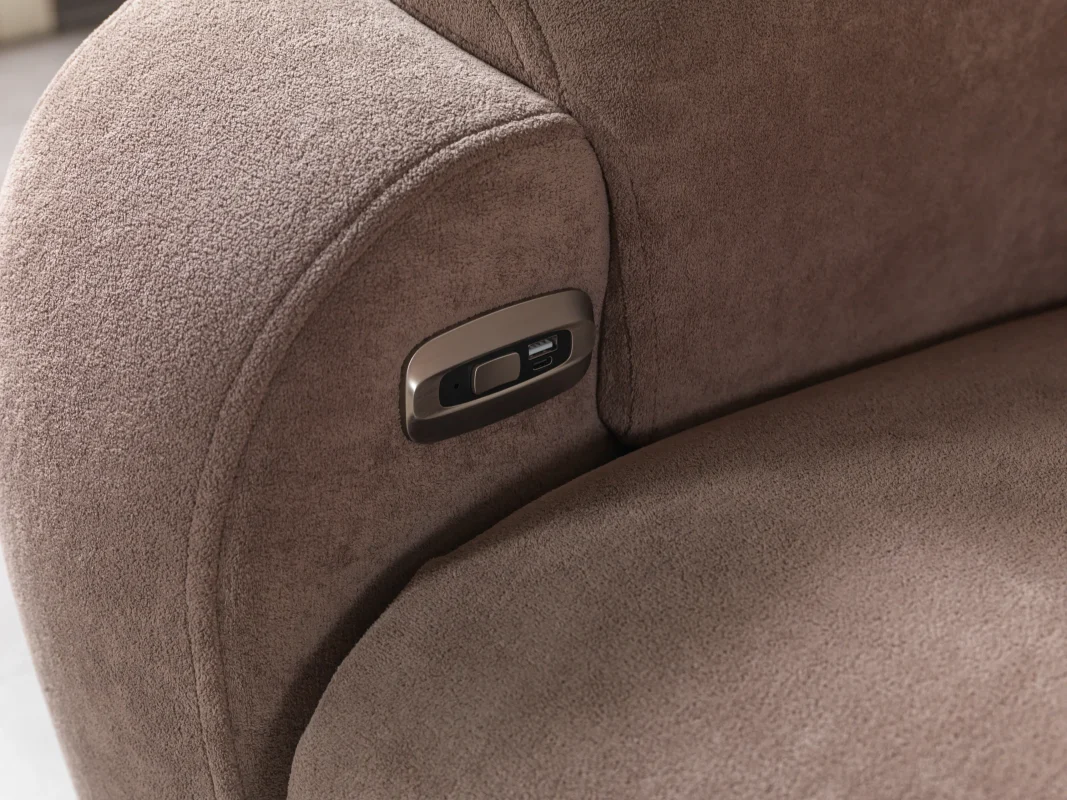
- USB connections.
- Cup holders.
- LED lighting.
- Massage functions.
- Cooler cup holders.
- Tray tables.
- Additional seating or centre-module arrangements.
A clear distinction between standard and optional equipment helps prevent misunderstandings during project planning.
9. Compare Models Through Their Intended Applications
Comparing products is more meaningful when the comparison is based on the intended use rather than appearance alone.
For example, visitors exploring private entertainment seating may investigate different single and double recliner models. Commercial buyers may concentrate on VIP cinema seating and configurations suitable for their venue.
CHAIRIUM’s individual product pages provide a starting point for reviewing model-specific information.
A practical comparison should consider dimensions, functionality, configuration, upholstery and project suitability together.
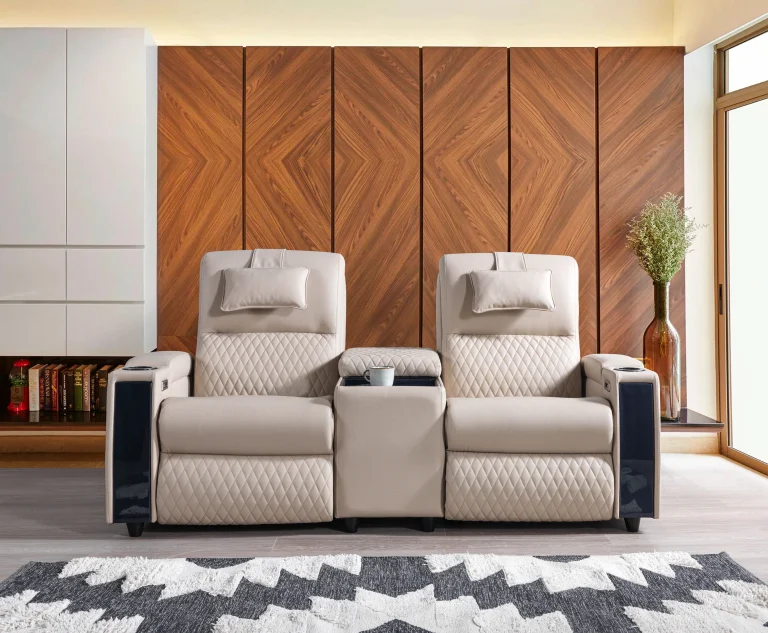
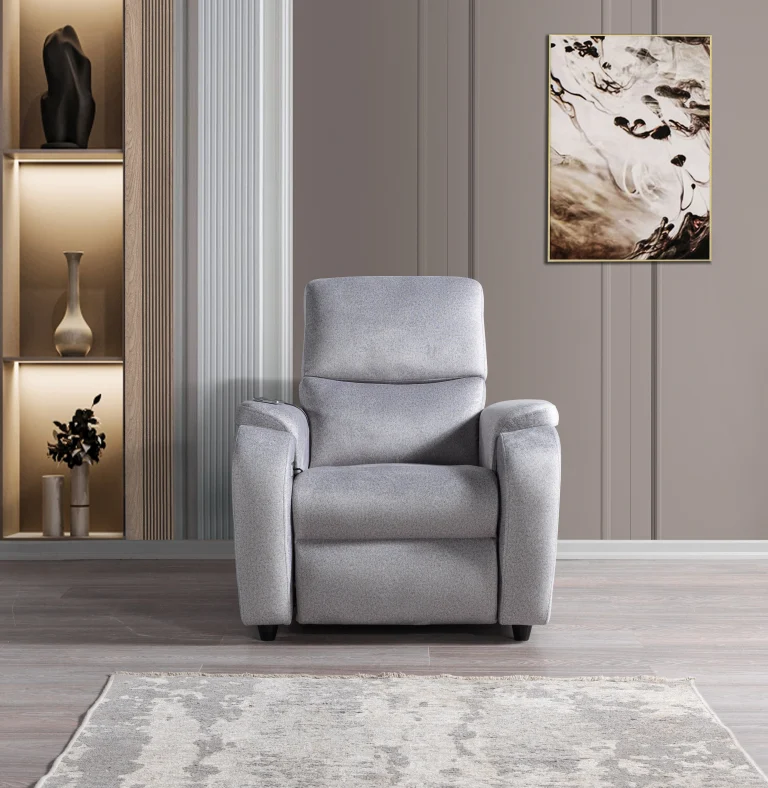
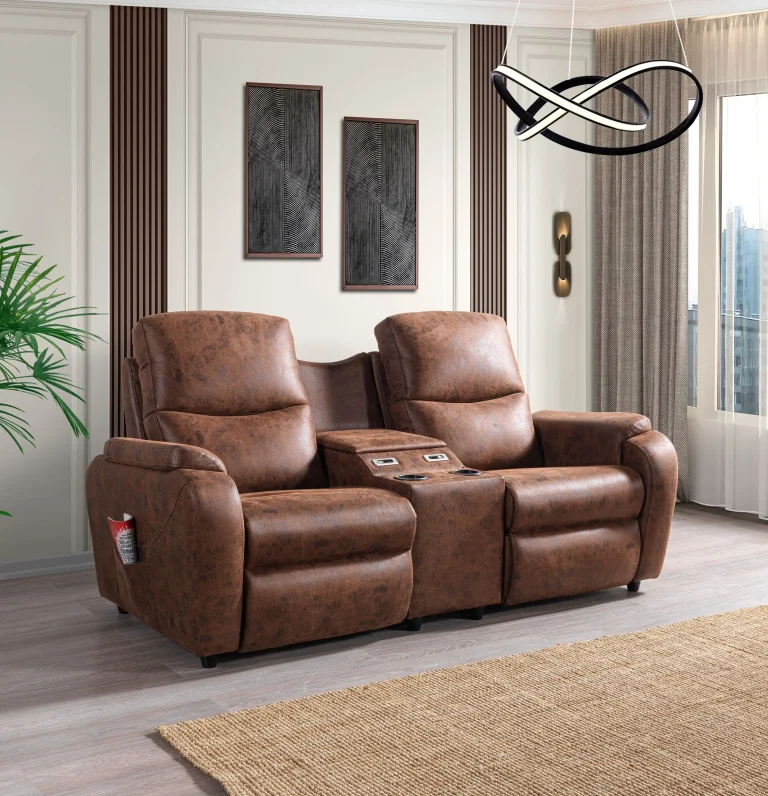
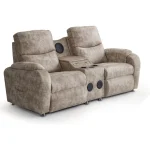
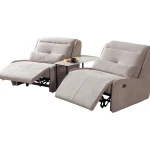
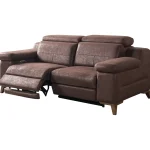
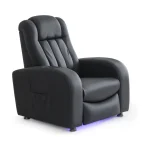
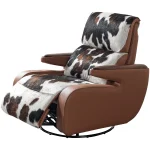
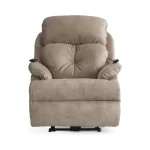
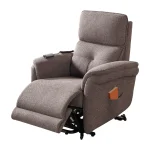
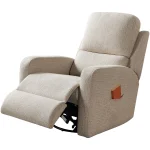
10. Use Product Photography as a Design Reference
Product photographs help visitors understand the appearance, proportions and visual character of different seating solutions.
They can also support communication between buyers, architects, interior designers and project teams.
When reviewing images on chairium.com, visitors should consider how the displayed seating might relate to their own interior concept.
For a more useful project discussion, photographs can be accompanied by room dimensions, reference images of the intended environment and a description of the preferred configuration.
11. Explore Video Content to Understand Seating in Motion
Static photographs cannot communicate every aspect of a reclining mechanism or seating experience.
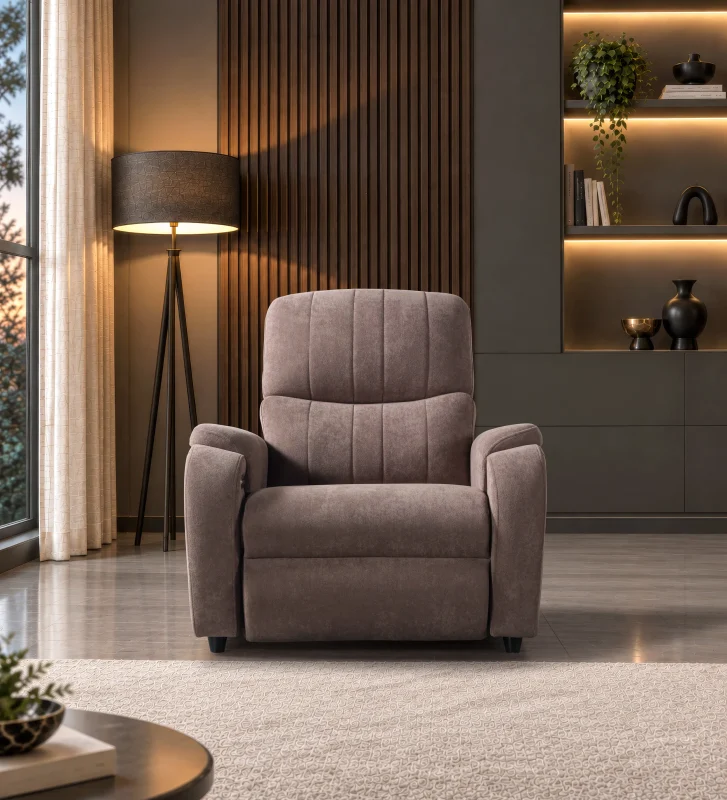
CHAIRIUM’s video section provides another way to explore selected models and observe their operation.
Videos can help visitors understand movement, reclining functionality and the appearance of different seating configurations.
This visual information is particularly useful when a buyer is evaluating a model remotely or discussing a product with colleagues in another location.
12. Use the Online Catalogue for Broader Product Research
A catalogue provides an additional reference for comparing products and understanding the wider collection.
CHAIRIUM makes catalogue information available through its website, allowing visitors to investigate product families and relevant specifications.
The catalogue can be useful when several models are being considered or when a project team needs a shared reference during the planning process.
For final purchasing decisions, visitors should confirm that the catalogue information corresponds to the latest available product version.
13. Consider Customization as a Project Planning Tool
Not every interior or commercial seating project can be completed with an identical standard configuration.
Some requirements may involve particular dimensions, upholstery preferences, colours, armrest arrangements or functional options.
CHAIRIUM presents custom-made seating solutions for projects where individual requirements deserve consideration.
The important principle is to communicate customization expectations clearly and establish which options can be accommodated for the selected model.
14. Look Beyond Individual Products and Consider the Complete Space
A seating project should be evaluated as part of the entire environment.
The visual relationship between seats, walls, flooring, lighting, circulation areas and other interior elements can influence the final result.
For cinema operators and hospitality businesses, the seating arrangement may also contribute to the overall identity and positioning of the venue.
CHAIRIUM’s project-oriented approach provides a starting point for discussing seating in relation to the wider environment rather than treating every chair as an isolated purchase.
15. Learn About the Manufacturer and Its Production Background
Understanding the company behind a seating product can help buyers approach a project with greater confidence.
CHAIRIUM presents its manufacturing background, factory information and experience in recliner and cinema seating on chairium.com.
Visitors interested in production capabilities can explore the company’s factory information and use it as a starting point for further questions about materials, customization, product specifications and manufacturing arrangements.
For international buyers, direct communication is especially valuable when discussing project requirements and supply expectations.
16. Prepare a Clear Project Enquiry
A well-prepared enquiry makes it easier to understand what a buyer actually needs.
Instead of sending only a general request for prices, visitors can include the following information:
- Company or individual project name.
- Intended application and installation location.
- Preferred CHAIRIUM models, if identified.
- Estimated seating quantity.
- Required seating configuration.
- Approximate dimensions.
- Upholstery and colour preferences.
- Functional requirements.
- Project schedule and other relevant expectations.
This information gives the CHAIRIUM team a more useful basis for reviewing the enquiry and discussing possible solutions.
17. Use the Communication Channels Available Through CHAIRIUM
A project does not always begin and develop through one continuous conversation.
Some visitors may discover CHAIRIUM today, return to the website several weeks later and contact the company only when their project becomes more concrete.
Others may already know the brand through a product reference, recommendation or previous interaction.
The important point is that visitors can return to chairium.com as their central reference and use the contact options presented there.
The website provides contact information, an enquiry form and WhatsApp access. Email communication is also available for visitors who prefer a written project discussion.
This approach supports communication at different stages of the decision-making process.
18. Turn Initial Interest into a Long-Term Project Relationship
The first enquiry should not necessarily be treated as the final stage of the customer journey.
A project may develop through several stages, including product research, technical clarification, customization discussions, quotation evaluation, production planning and future requirements.
Keeping the relevant product information, project specifications and communication together helps both sides maintain a clearer understanding of the objectives.
For buyers, this means approaching CHAIRIUM with organized requirements and returning to the relevant website information whenever further clarification is needed.
For CHAIRIUM, it creates an opportunity to understand the customer’s actual needs and discuss appropriate seating solutions.
Conclusion: One Digital Destination, Different Seating Requirements
People discover premium seating in different ways. Some begin with a specific product, others with an architectural concept, a commercial cinema project or the need to improve a private entertainment environment.
What connects these different journeys is the need for reliable product information, clear project requirements, relevant visual references and accessible communication.
CHAIRIUM brings these elements together through chairium.com, presenting recliner seating, VIP cinema chairs, product information, videos, catalogue resources, factory details and project enquiry opportunities.
Whether someone is researching a single premium recliner or considering a larger commercial seating installation, the website offers a central place to begin exploring the possibilities.
CHAIRIUM — Premium Recliner Seating, VIP Cinema Chairs and Tailored Seating Solutions.
Discover the collections, explore the possibilities and start your next seating project at: