
Introduction: Turning an Idea into a Seating Solution
Every successful seating project begins with an idea. Sometimes it starts with the need for a comfortable recliner at home. In other cases, it begins with a plan to develop a VIP cinema, a private screening room, a hospitality environment or a commercial entertainment venue.
However, an idea becomes much more valuable when it is transformed into a clear set of requirements.
CHAIRIUM provides an online destination where individuals, businesses, distributors, architects, interior designers and project developers can explore seating products, examine different configurations and communicate their requirements.
Through CHAIRIUM.com, visitors can discover seating solutions, review product information, explore available customization possibilities and establish direct communication about their needs.
The following guide explains how to turn different seating ideas into understandable requirements and how to use CHAIRIUM as a central destination throughout that process.
1. Begin with the Purpose of the Seating Requirement
Before selecting a particular chair or seating model, it is important to understand why the seating is needed.
A residential customer may be looking for relaxation and everyday comfort. A cinema operator may want to improve the experience offered to moviegoers. An architect may need seating that complements a carefully designed interior.
These requirements are different, even when they involve similar products.
The first step is therefore to identify the intended purpose, the people who will use the seating and the environment in which it will be installed.
CHAIRIUM’s product portfolio provides a starting point for exploring these different requirements.
2. Identify the Intended Environment
The environment has a significant influence on the type of seating that should be considered.
Possible environments include:
- Private home cinema rooms.
- Residential living rooms.
- VIP cinema facilities.
- Commercial movie theaters.
- Hotels and hospitality spaces.
- Entertainment and leisure venues.
- Special-purpose seating projects.
Each environment may require different dimensions, configurations, materials and functional characteristics.
Visitors can explore the product categories available through the CHAIRIUM Products section.
3. Understand Who Will Use the Seating
A useful seating brief should describe its intended users.
For example, a private home cinema may be designed around a family or a small group of guests. A commercial cinema may serve a much larger and more diverse audience.
Understanding the users helps clarify questions about seating capacity, individual comfort, accessibility, configuration and practical functionality.
For project buyers, this information can also help communicate expectations more accurately when discussing possible solutions with CHAIRIUM.
4. Translate General Expectations into Specific Requirements
Words such as premium, comfortable, modern and luxurious are useful when describing an overall vision.
However, they become more useful when translated into specific requirements.
For example:
- Premium appearance can relate to upholstery, colour and finishing.
- Comfort can relate to seat dimensions and reclining functionality.
- Modern functionality can include motorized mechanisms and optional features.
- Personalization can involve materials, colours and configurations.
- Project suitability can involve dimensions and installation requirements.
This approach creates a clearer connection between the initial idea and the available product possibilities.
5. Explore Product Categories Before Choosing a Model
Selecting a product becomes easier when visitors first understand the broader categories available.
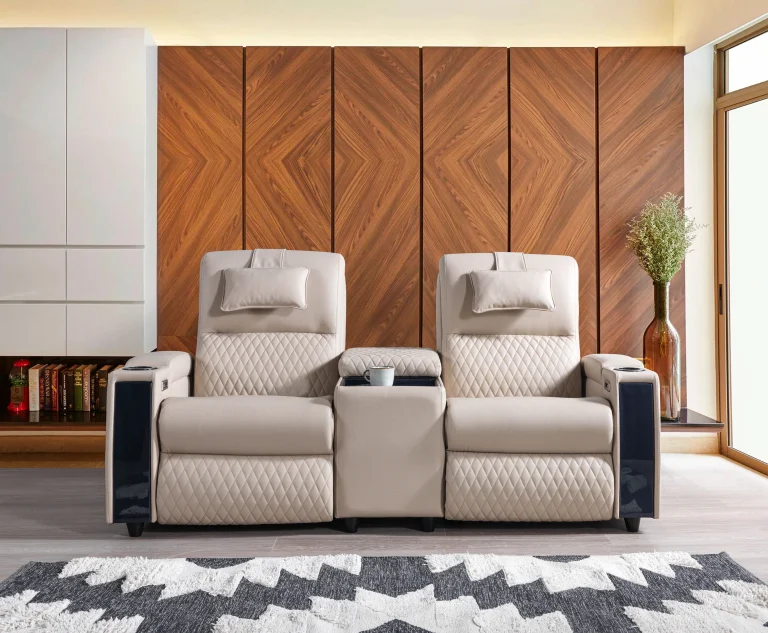
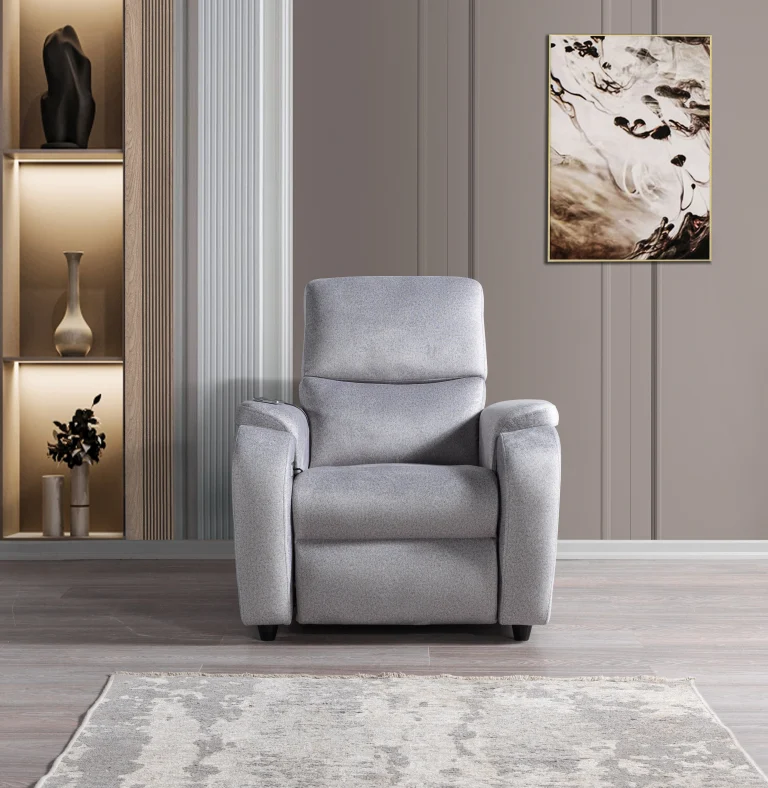
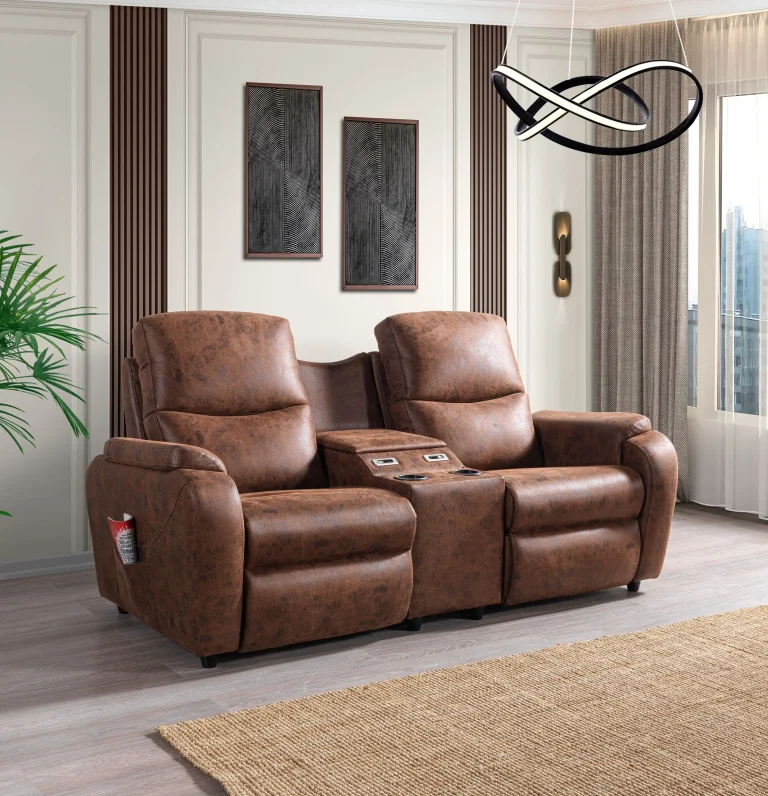
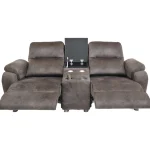
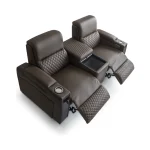
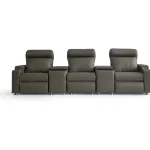
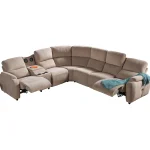
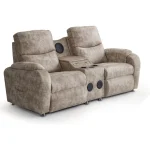
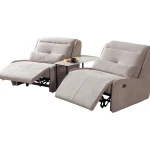
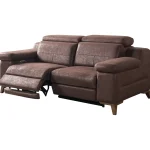
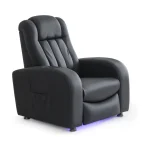
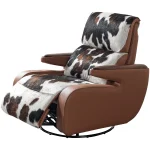
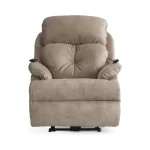
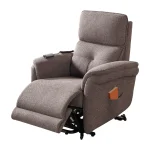
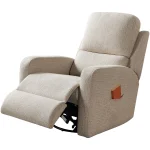
CHAIRIUM’s online product portfolio includes different seating series, individual recliners, double seating solutions, triple configurations and VIP auditorium chairs.
Instead of immediately concentrating on a single model, visitors can compare the general product categories and identify which direction best matches their requirements.
Explore the complete CHAIRIUM product collection.
6. Consider Individual, Double and Multiple Seating Configurations
The number of seats and the relationship between them are important elements of a seating requirement.
Individual seating may be appropriate for personal relaxation or selected VIP environments.
Double seating can support shared viewing experiences, while triple configurations may be relevant to particular residential or commercial layouts.
Some projects may also require shared armrests, independent armrests, central modules or alternative seating arrangements.
CHAIRIUM’s product pages provide examples of different configurations that can be examined before preparing a project brief.
7. Examine Reclining Mechanisms and Functional Requirements
Reclining functionality can be an important part of the intended seating experience.
Depending on the selected model, customers may consider manual or motorized reclining mechanisms.
Other possible functional considerations include:
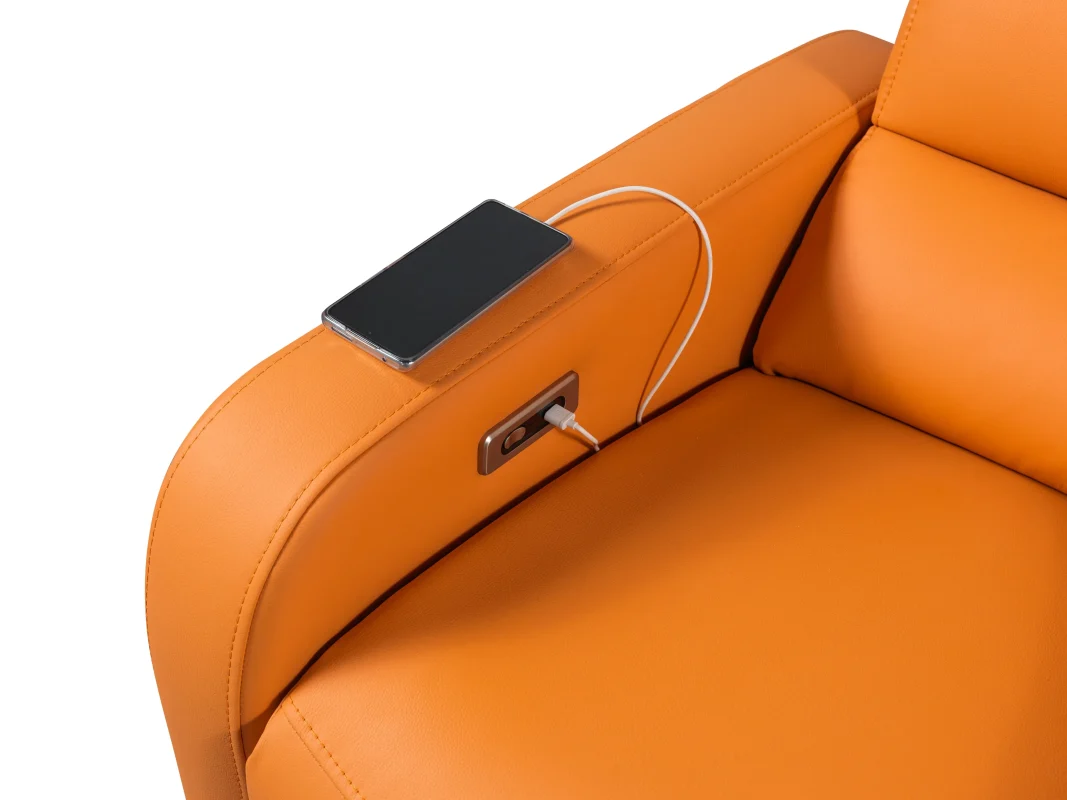
- USB connectivity.
- Cup holders.
- Optional cooler cup holders.
- LED lighting.
- Massage functionality.
- Tray tables.
- Additional comfort-oriented features.
The availability of these features can differ between models.
For that reason, visitors should examine the individual product information rather than assume that every feature is included in every seating solution.
8. Define Upholstery, Materials and Colour Expectations
Materials and upholstery contribute to both the appearance and practical identity of a seating environment.
CHAIRIUM provides upholstery possibilities that include fabric, artificial leather and, where available, genuine leather options.
Colour selection is another important consideration.
A residential interior may require colours that complement existing furniture, while a commercial project may have its own interior design concept or brand identity.
Clearly describing the preferred materials and colours can help make communication more productive.
9. Distinguish Between Standard Features and Customization
Not every seating requirement needs a completely new product design.
In some cases, a standard model may already provide the desired appearance and functionality.
In other situations, the project may require selected adjustments involving dimensions, upholstery, colours, seating width or configuration.
CHAIRIUM presents customization as part of its seating and project approach.
Customers should communicate which requirements are essential and which are preferences, allowing the possibilities to be evaluated more clearly.
Visit CHAIRIUM Customization to begin exploring the company’s approach to tailored seating solutions.
10. Record the Available Space and Relevant Dimensions
A seating idea must eventually correspond to a physical environment.
For this reason, measurements should be included in the project brief whenever possible.
Useful information may include:
- Available room width and length.
- Ceiling height where relevant.
- Available installation area.
- Intended seating capacity.
- Required passageways.
- Position of doors and other fixed elements.
- Any project-specific dimensional restrictions.
These details do not automatically determine the final configuration, but they provide a practical foundation for discussing suitable possibilities.
11. Think About the Overall Interior Concept
Seating is not an isolated object. It is part of the visual and functional identity of a room.
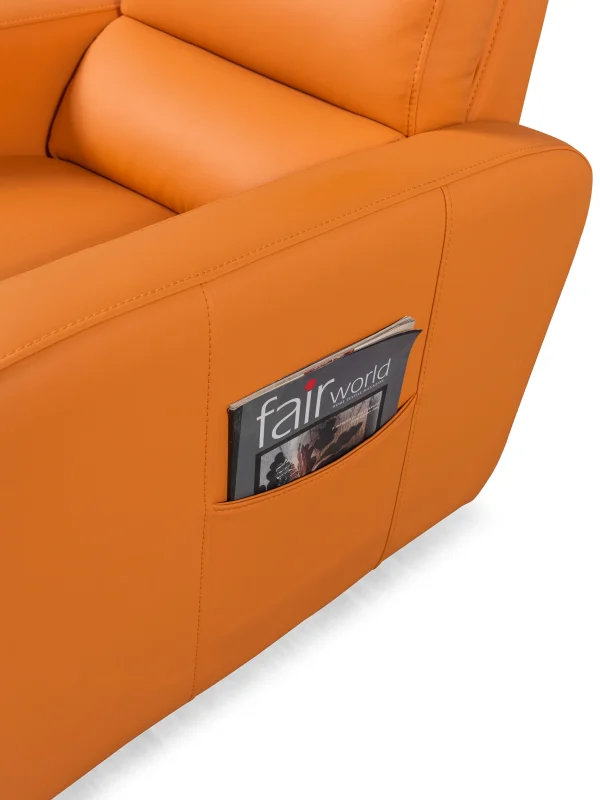
A VIP cinema may require an exclusive atmosphere. A home cinema may emphasize warmth and personal comfort. A hospitality environment may need to reflect a particular interior design language.
The relationship between seating shape, upholstery, colours and surrounding furniture should therefore be considered as part of the wider project.
CHAIRIUM’s product range can be explored as a source of inspiration for different interior concepts.
12. Use Product Information to Make More Informed Comparisons
Comparing products should involve more than looking at their appearance.
Customers can examine:
- Product dimensions.
- Seating configurations.
- Reclining mechanisms.
- Standard functionality.
- Optional features.
- Upholstery alternatives.
- Available technical information.
A comparison based on these details can help identify which products deserve further consideration.
The CHAIRIUM E-Catalog is particularly useful for reviewing product series and their available technical information.
13. Prepare a Clear Seating Project Brief
A well-prepared project brief makes communication more efficient.
It does not need to be complicated or written in technical language.
A useful brief can include:
- The type of project.
- The intended seating environment.
- The expected number of seats.
- Preferred product categories.
- Required dimensions.
- Preferred upholstery and colours.
- Desired functions and features.
- Customization expectations.
- Project location.
- Approximate project timeline.
Photographs, drawings or room plans can also provide useful context.
The purpose is to explain the requirement clearly enough for CHAIRIUM to understand the project and discuss possible next steps.
14. Understand the Difference Between Residential and Commercial Requirements
Residential and commercial projects may use similar seating products, but their priorities are not necessarily identical.
Residential customers may concentrate on personal comfort, appearance, dimensions and compatibility with their homes.
Commercial buyers may additionally consider seating capacity, operational requirements, configuration consistency and the intended customer experience.
Distributors and furniture professionals may have different priorities involving product ranges, supply arrangements and long-term business relationships.
CHAIRIUM’s broad seating portfolio provides a starting point for exploring these different customer requirements.
15. Use CHAIRIUM’s Digital Resources to Continue the Research
Product discovery does not have to depend on a single page.
Visitors can use different areas of CHAIRIUM.com to develop a more complete understanding of the available solutions.
These resources include:
- Product collection pages.
- Individual product descriptions.
- E-Catalogue and product datasheets.
- Product videos.
- Company information.
- Customization information.
- Project and contact resources.
The CHAIRIUM Videos section provides another way to observe selected seating models and their features.
By using these resources together, visitors can develop a more informed understanding before contacting the company.
16. Communicate Requirements Directly with CHAIRIUM
Online research is an important starting point, but some questions are best discussed directly.
A customer may need clarification about a product configuration, available upholstery, optional functionality, technical dimensions or a specific project requirement.
The next step is to communicate the details through CHAIRIUM’s contact channels.
A message can include the preferred model, project description, expected quantities, relevant measurements and any questions that need clarification.
Visit the CHAIRIUM Contact page to reach the company.
17. Consider Long-Term Project Value
A seating decision should not be based exclusively on its initial appearance.
The wider value of a seating solution can involve its intended use, functional requirements, material preferences, configuration and relationship with the overall environment.
For commercial buyers, distributors and project developers, it can also be useful to consider future requirements and the consistency of the selected seating concept.
A carefully defined project brief helps establish a more informed basis for evaluating these considerations.
18. Make CHAIRIUM.com the Central Point of Your Seating Research
Whether someone is searching for a single recliner, planning a private cinema or developing a commercial VIP seating project, the research process can begin from one central online destination.
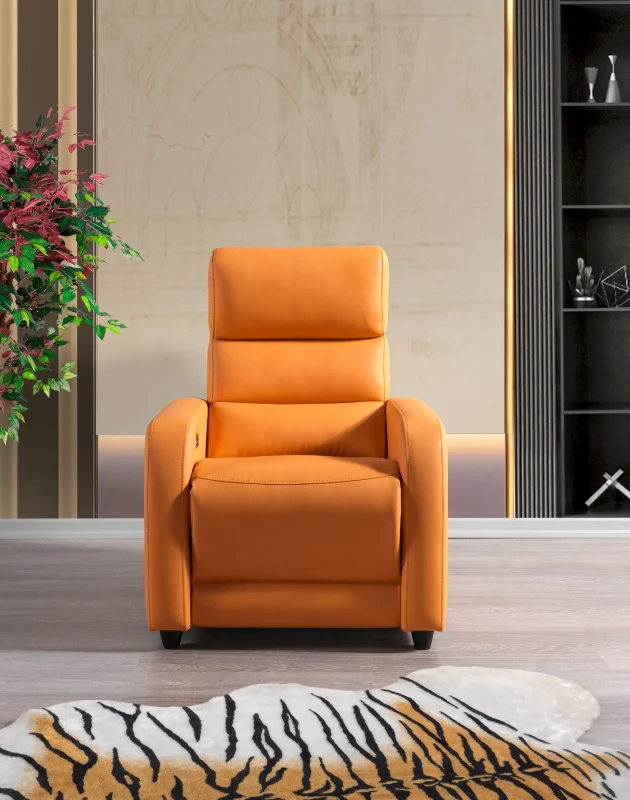
CHAIRIUM.com brings together product discovery, product information, digital catalogues, videos, customization possibilities and direct communication.
Rather than treating these resources as separate destinations, visitors can use them as connected parts of one research and project-development journey.
This creates a practical way to move from an initial seating idea towards a clearer understanding of possible solutions.
Conclusion: Clear Requirements Create Better Conversations
A successful seating project begins with understanding.
When customers know the intended environment, user requirements, preferred configurations, functional expectations and available space, they can communicate their needs more effectively.
CHAIRIUM brings together a range of seating products and digital resources to support this process.
From residential recliners and private cinema seating to VIP cinema chairs and tailored commercial projects, CHAIRIUM.com provides a direct point of access for discovering possibilities and starting meaningful conversations.
Explore the collection. Define your requirements. Discover the possibilities with CHAIRIUM.
Official website: https://www.chairium.com/
Products: https://www.chairium.com/auditorium-chair-products
E-Catalog: https://www.chairium.com/e-catalog
Videos: https://www.chairium.com/videos
Contact: https://www.chairium.com/contact-chairium-auditorium-chairs-manufacturer