
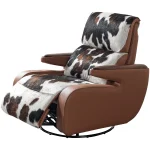
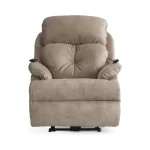
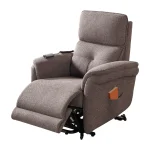
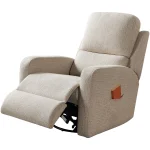
Introduction: Every Successful Seating Project Begins with the Right Questions
Finding the right seating solution is a process that involves more than choosing a chair from a catalogue. It starts with identifying a need, understanding the intended environment, comparing available options and establishing the right relationship between product specifications and project expectations.
For a homeowner planning a private cinema, a business owner developing a VIP entertainment area, an architect designing a hospitality interior or a cinema operator upgrading an auditorium, the decision-making process can involve several important stages.
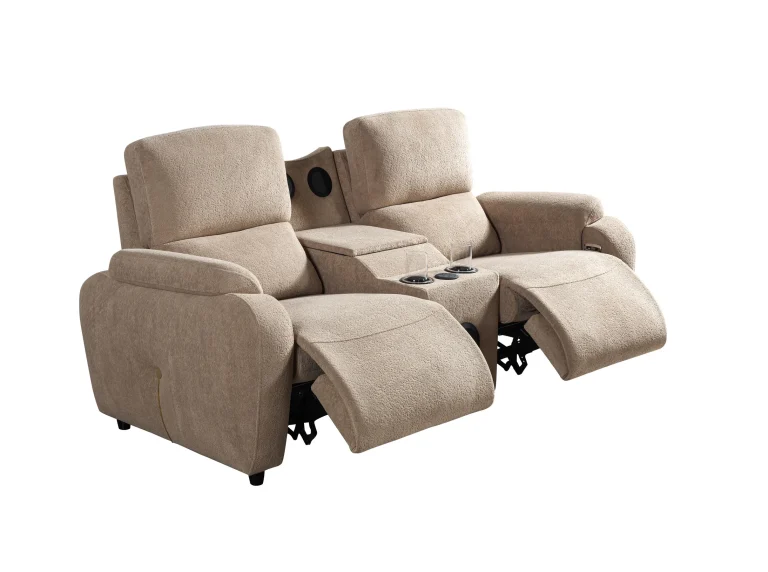
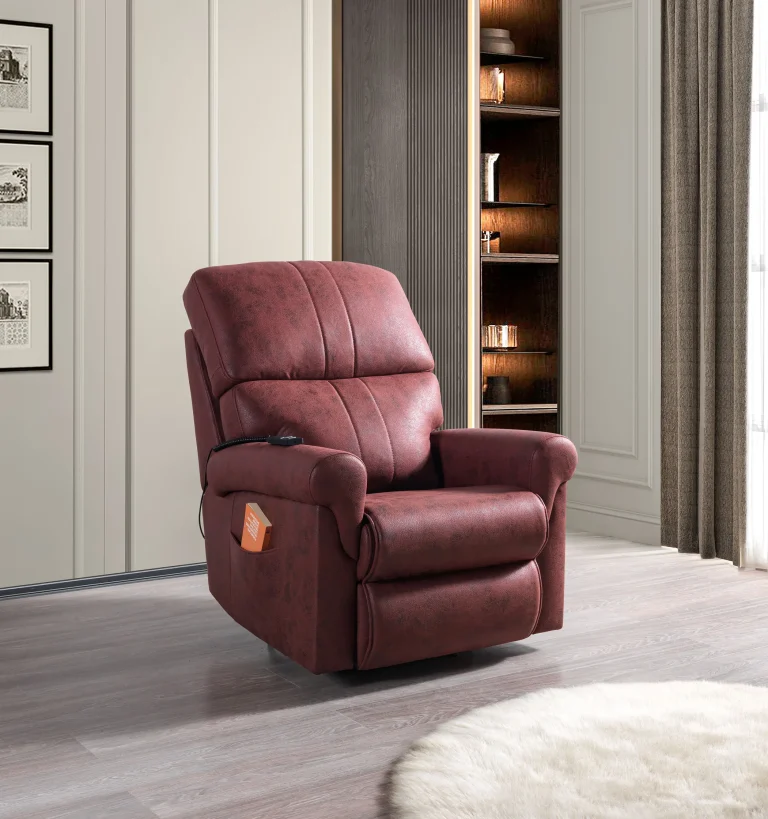
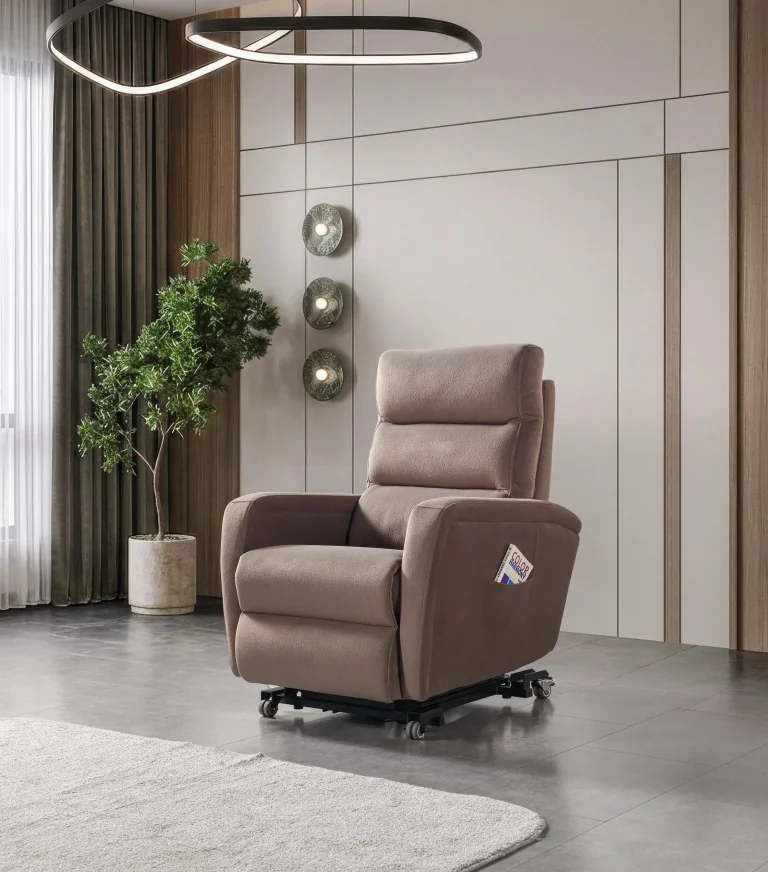
CHAIRIUM brings together premium recliner seating, VIP cinema chairs and customised seating solutions for residential and commercial environments. Its collections offer different seating configurations, designs and functional possibilities that customers can explore according to their requirements.
This article follows the complete customer journey, from the first discovery of a seating requirement to product evaluation, project communication and the development of a suitable seating solution.
1. Recognise the Seating Requirement Before Searching for Products
The first step is understanding why a new seating solution is needed.
A customer may be furnishing a living room, creating a private home cinema, renovating a commercial auditorium or developing a VIP entertainment environment.
Each application has its own priorities. Identifying the purpose before browsing products makes the selection process more focused and efficient.
CHAIRIUM provides a starting point for customers who want to explore seating solutions for different environments.
2. Identify the Intended Users
The people who will use the seating should influence the selection.
A private home cinema may be designed around family entertainment, while a commercial cinema must consider the expectations of a wider audience.
A hotel lounge, VIP room or hospitality environment may require a different combination of appearance, comfort and functionality.
Understanding the intended users helps customers establish the priorities that matter most.
3. Define the Type of Environment
The physical environment determines many aspects of the seating decision.
Important applications include:
- Private home cinema rooms.
- Residential living rooms.
- VIP movie theatres.
- Commercial cinema auditoriums.
- Hotel entertainment areas.
- Hospitality lounges.
- Premium commercial interiors.
- Specialised entertainment spaces.
CHAIRIUM’s seating collections provide options that customers can explore across residential and public environments.
4. Establish the Available Space
Room dimensions should be evaluated before selecting a model.
Customers should consider the available width, depth, ceiling height, access routes and the space required for reclining movements.
For larger projects, the seating layout should also take account of circulation areas and the relationship between individual rows.
Accurate measurements provide a practical foundation for selecting suitable models and configurations.
5. Determine the Required Seating Capacity
The number of seats is an important part of the planning process.
A homeowner may prefer one or two large recliners, whereas a commercial project may require a coordinated arrangement of several seating units.
The intended capacity should be considered together with room dimensions, user comfort and the overall interior concept.
A well-planned seating arrangement balances the number of seats with the usability of the environment.
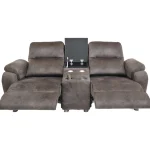
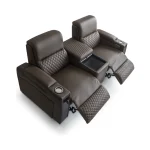
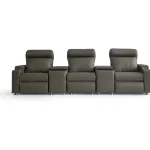
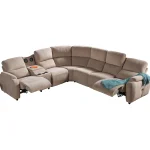
6. Explore Single, Double and Triple Seating Options
Different seating configurations serve different purposes.
Single recliners can provide individual seating arrangements, while double recliners may be appropriate for shared entertainment environments.
Triple configurations can help organise larger seating areas, depending on the available space and selected model.
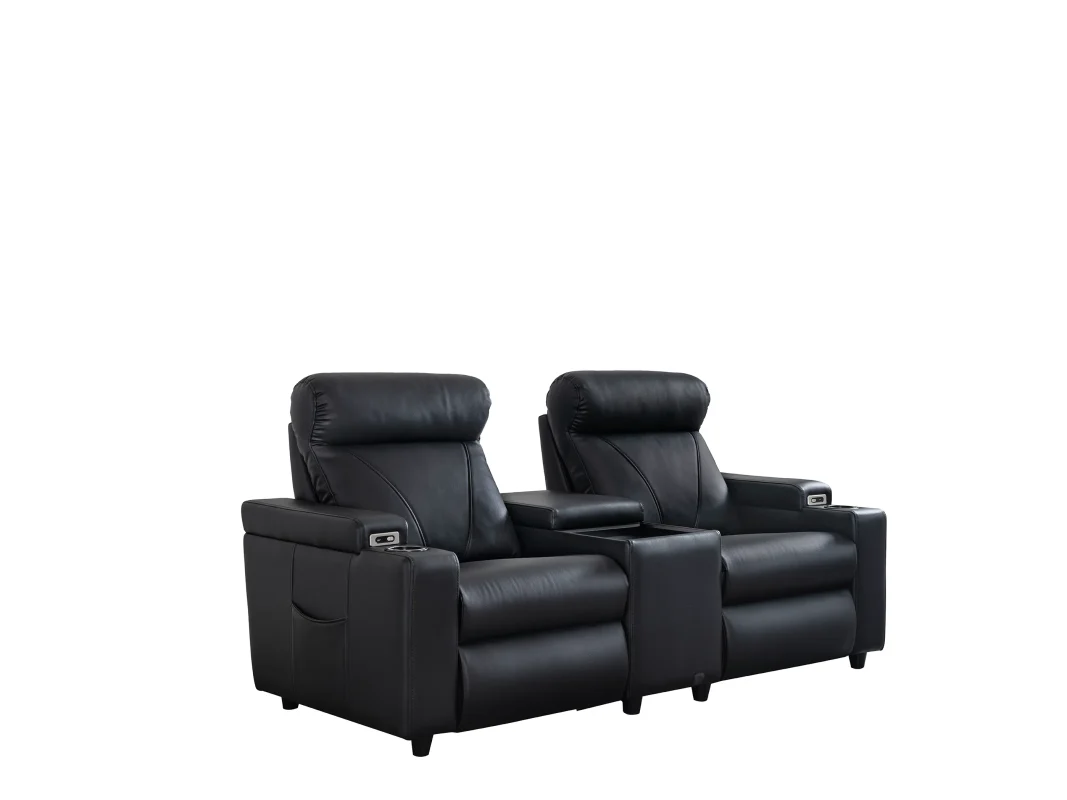
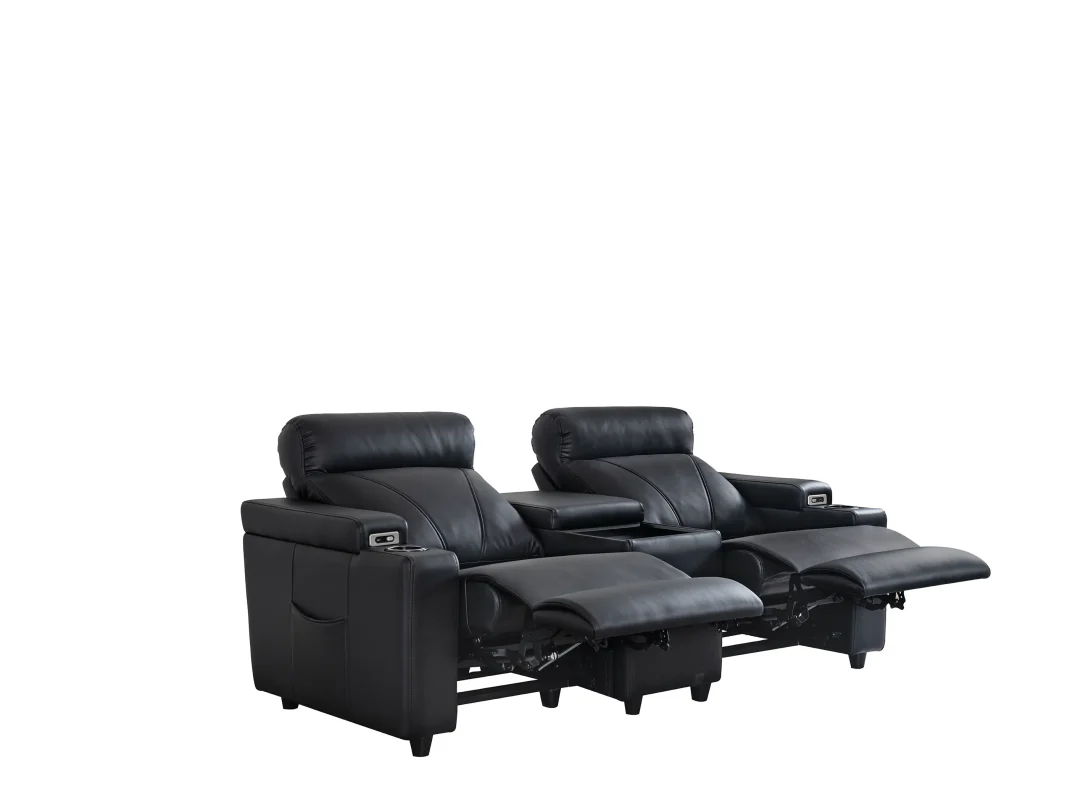
CHAIRIUM offers single, double and triple recliner options across its collections, allowing customers to compare different arrangements.
7. Compare Manual and Motorized Recliners
The reclining mechanism is another important selection criterion.
Manual recliners offer a straightforward operating method, while motorized recliners use powered mechanisms for adjusting the seating position.
The appropriate choice depends on the selected product, intended application and desired operating experience.
Customers should review the product specifications before deciding which mechanism is most suitable.
8. Evaluate Comfort Beyond the Initial Appearance
A chair may look attractive in a photograph, but its suitability should be evaluated through its construction and specifications.
Seat dimensions, backrest proportions, cushioning, armrests and reclining positions all contribute to the seating experience.
Whenever possible, customers should review product details, technical information and available demonstrations rather than relying entirely on visual appearance.
CHAIRIUM’s individual product pages provide a useful starting point for this evaluation.
9. Select Materials and Upholstery
Material selection affects the appearance and practical requirements of a seating solution.
Customers may consider different fabric options, artificial leather and genuine leather where available.
The choice should reflect the intended environment, cleaning requirements, design preferences and expected usage.
CHAIRIUM presents material and colour options on selected product pages, helping customers explore different upholstery possibilities.
10. Consider Colours as Part of the Interior Design
Colour selection should complement the complete environment.
Neutral colours can create a balanced appearance, while darker or more distinctive tones may establish a stronger visual identity.
For projects involving multiple seats, consistent upholstery choices can help create a coordinated interior.
Customers can explore the available colour options and discuss their preferences with CHAIRIUM.
11. Identify the Functions That Actually Matter
Additional features should be selected according to practical requirements rather than simply because they are available.
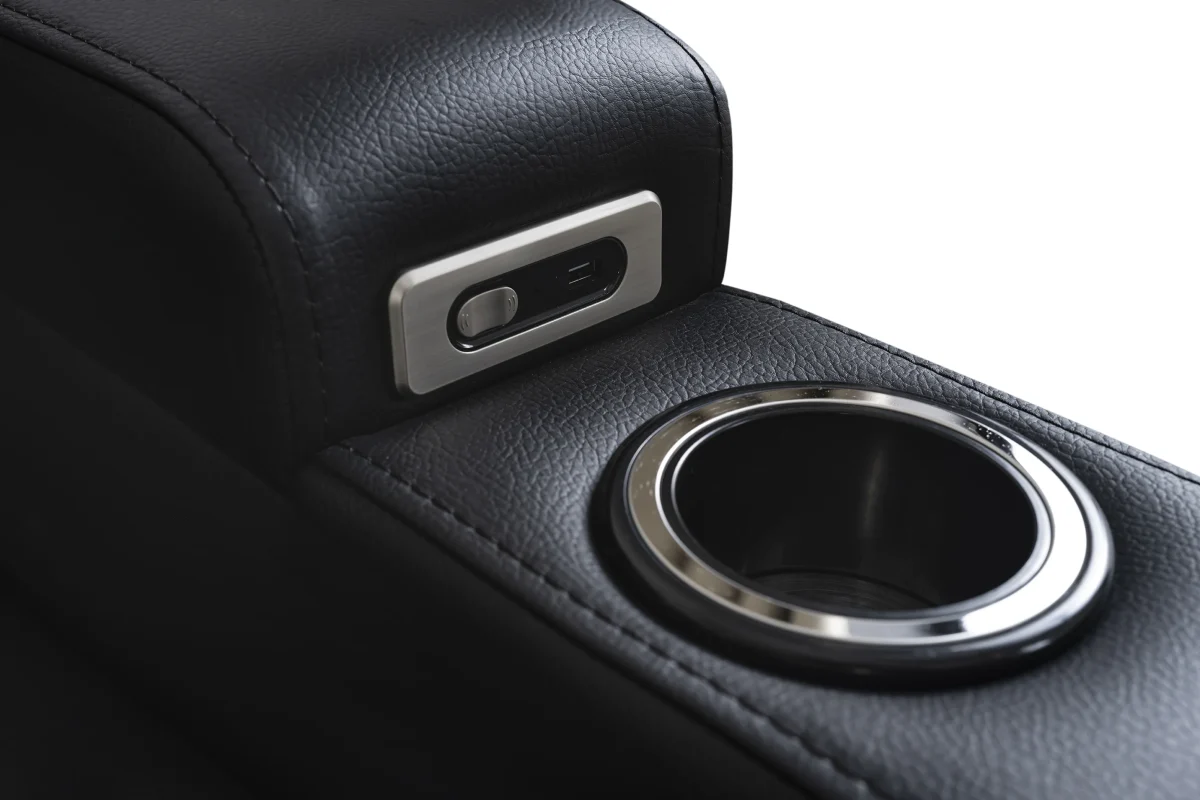
Depending on the product, possible features may include:
- Electric reclining controls.
- LED lighting.
- Integrated cup holders.
- Massage functions.
- Tray tables.
- Speaker systems.
- Additional convenience options.
Feature availability differs between models. Reviewing the relevant specifications helps customers avoid selecting unnecessary functions or overlooking useful ones.
12. Compare Individual Products Rather Than Relying Only on Categories
Product categories are useful for discovering the general range, but individual model comparisons provide more meaningful information.
Customers should examine dimensions, available configurations, materials, reclining mechanisms and optional equipment.
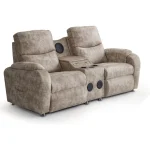
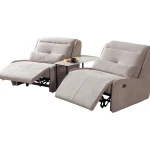
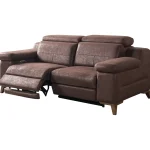
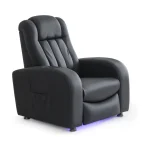
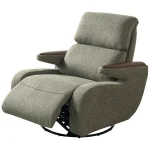
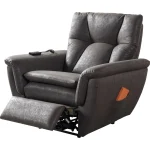
For example, CHAIRIUM’s Mari VIP, Alis Double VIP and Golden Double Recliner represent different seating approaches that can be evaluated according to the requirements of a particular project.
The most appropriate choice is the one that matches the actual application rather than simply the model with the longest feature list.
13. Review Technical Specifications Before Making a Decision
Technical information helps turn a general preference into a more precise product selection.
Depending on the model, customers should review:
- Overall width and depth.
- Total height.
- Reclining angle.
- Seat configuration.
- Frame and upholstery information.
- Mechanism type.
- Standard equipment.
- Available optional features.
The final specifications should always be confirmed with CHAIRIUM for the exact model and configuration being considered.
14. Determine Whether a Standard or Customised Solution Is More Appropriate
Some projects can be completed using an existing product configuration, while others may require additional consideration.
Customisation may involve upholstery, colours, selected dimensions, shapes and seating arrangements, depending on the model.
A customised approach can be particularly relevant when furniture must complement a specific architectural or interior design concept.
CHAIRIUM presents custom-made project and contract furniture solutions for customers with individual requirements.
15. Prepare the Information Needed for a Project Discussion
A clear project description makes communication more productive.
Before contacting CHAIRIUM, customers can prepare:
- The type and location of the project.
- Available room dimensions.
- Required seating capacity.
- Preferred single, double or triple configurations.
- Desired upholstery and colours.
- Required functional features.
- Reference photographs or architectural drawings.
- Expected purchasing or project timeframe.
Providing this information helps establish a clearer understanding of the project.
16. Communicate Directly with CHAIRIUM
After identifying the basic requirements, customers can contact CHAIRIUM to discuss suitable products and possible configurations.
This stage is particularly useful when a project involves multiple seating units, specific dimensions, customised upholstery or additional technical requirements.
The official website provides product information, project quotation opportunities and contact channels.
Customers can use the website to begin communication without needing to rely exclusively on a physical showroom visit.
17. Evaluate the Proposal and Confirm the Product Details
Before placing an order, all important specifications should be reviewed.
The selected model, configuration, dimensions, upholstery, colours, optional features, quantities and commercial terms should be clearly established.
For larger projects, it is also useful to confirm delivery arrangements, production expectations and the agreed technical details.
A documented specification helps all parties maintain a clear understanding of the intended result.
18. Build a Long-Term Relationship Around the Seating Solution
A successful seating purchase can be the beginning of a longer business relationship.
Residential customers may return when furnishing another room or upgrading an entertainment area.
Commercial buyers, cinema operators, furniture retailers, interior designers and distributors may explore additional products or future project cooperation.
CHAIRIUM’s collections and project-oriented approach provide a basis for continued communication around changing seating requirements.
Conclusion: Turn a Seating Requirement into a Well-Planned Project with CHAIRIUM
The journey towards the right seating solution begins with understanding the need and continues through space planning, product discovery, specification comparison, customisation and direct communication.
Every stage contributes to a more informed decision.
Whether the requirement involves an individual recliner, a private home cinema, a VIP auditorium, a hospitality environment or an international commercial project, customers benefit from evaluating the complete seating solution rather than concentrating on a single product feature.
CHAIRIUM connects premium recliner seating, VIP cinema chairs and customised seating possibilities through its official product collections and project-oriented services.
Customers, architects, interior designers, cinema operators, hospitality businesses, furniture retailers and international partners are invited to explore the collections and discuss their requirements.
Start your seating project with CHAIRIUM.
Official website: https://www.chairium.com/
Product collections: https://www.chairium.com/auditorium-chair-products
Contact CHAIRIUM: https://www.chairium.com/contact-chairium-auditorium-chairs-manufacturer
CHAIRIUM – Premium Recliner Seating, VIP Cinema Chairs and Customised Seating Solutions.