
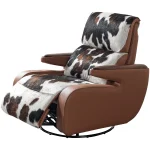
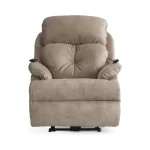
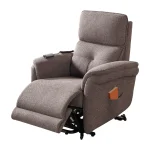
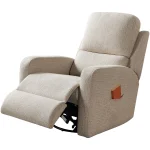
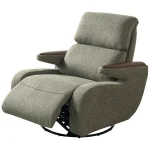
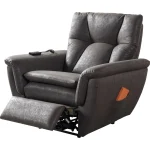
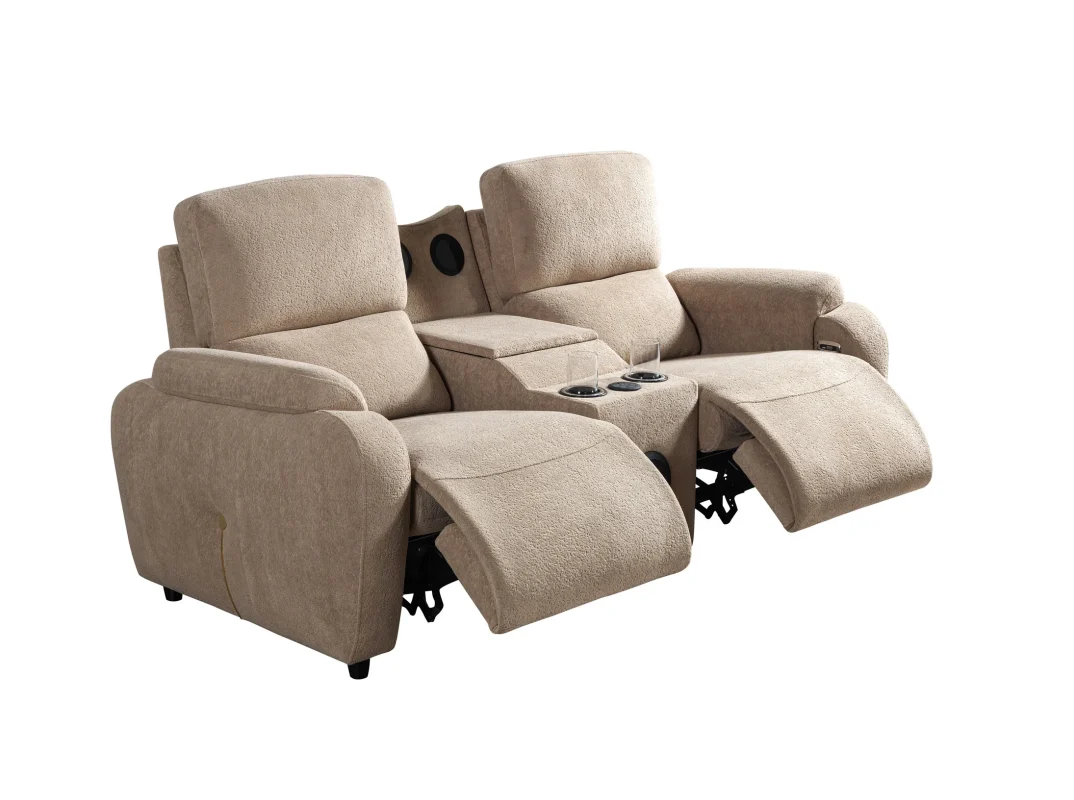
Discovering the Right Recliner Manufacturer, VIP Cinema Seating Supplier and Custom Seating Partner for Residential and Commercial Projects
Introduction
Selecting premium seating for a residential or commercial environment is an important decision. However, choosing the right chair is only one part of a successful project. Finding a suitable manufacturer, understanding the available product range, reviewing technical information and establishing clear communication are equally important.
A homeowner planning a private cinema may have different expectations from a cinema operator, hotel developer, furniture distributor or interior design company. Each customer has a different purpose, budget, space, purchasing process and vision for the final environment.
For this reason, a seating manufacturer should be evaluated through a broader perspective. Product variety, manufacturing capabilities, design flexibility, technical information, communication and project coordination all contribute to the purchasing experience.
CHAIRIUM brings together premium recliner seating, VIP cinema chairs and tailored seating solutions for residential and commercial environments. Through its official website, customers can explore product collections, review company information, discover manufacturing resources and initiate discussions about their individual requirements.
This article presents 18 practical considerations for people and businesses searching for a premium seating manufacturer or a long-term seating supply partner.
Whether the requirement concerns one recliner, a private entertainment room, a commercial cinema or an international furniture project, understanding these considerations can make the process more organized and productive.
Table of Contents
- Why Choosing the Right Seating Partner Matters
- Understanding Your Actual Seating Requirements
- Evaluating a Manufacturer’s Product Portfolio
- Looking Beyond Product Photographs
- Understanding Manufacturing Capabilities
- Evaluating Design and Product Development
- Reviewing Technical Specifications
- Comparing Residential and Commercial Seating Needs
- Understanding Customization Possibilities
- Evaluating Material and Upholstery Alternatives
- Considering Production and Project Coordination
- Understanding Quality Expectations and Product Value
- Building a Clear Purchasing Specification
- Communication Before and After an Enquiry
- Working with International Seating Manufacturers
- Opportunities for Distributors and Business Partners
- Developing a Long-Term Relationship with a Seating Brand
- Why Explore CHAIRIUM for Your Next Seating Project?
1. Why Choosing the Right Seating Partner Matters
A seating purchase can involve more than the selection of furniture. In commercial projects, it may affect the appearance of a venue, the customer experience, the arrangement of the interior and the operational requirements of the business.
Choosing an appropriate manufacturer helps bring these considerations into one purchasing process.
A suitable seating partner should be evaluated according to several factors:
- Product range and available configurations.
- Manufacturing and production information.
- Technical documentation.
- Design and upholstery alternatives.
- Project-specific possibilities.
- Communication and enquiry procedures.
- Commercial cooperation opportunities.
- The ability to understand different customer requirements.
CHAIRIUM presents seating solutions for public spaces and private residences, including recliners, VIP cinema seating and custom-made project furniture.
Customers can begin their research by exploring the official CHAIRIUM website and identifying the product categories relevant to their requirements.
The purpose of selecting a manufacturer is to establish a relationship in which the product, the project and the customer’s expectations are clearly understood.
2. Understanding Your Actual Seating Requirements
Before comparing manufacturers, customers should define what they are trying to achieve.
A seating requirement for a private living room is different from a requirement for a cinema auditorium. Similarly, a hotel lounge, entertainment venue and residential home cinema may require different product configurations.
The first step is to identify the intended application.
Consider the following questions:
- Is the seating intended for a private or commercial environment?
- How many seats are required?
- Will the chairs be used individually or in connected configurations?
- Is a reclining mechanism necessary?
- Is motorized operation preferred?
- What type of upholstery is suitable?
- Does the project require a particular appearance?
- Are there special technical or dimensional requirements?
These questions provide a practical foundation for product research.
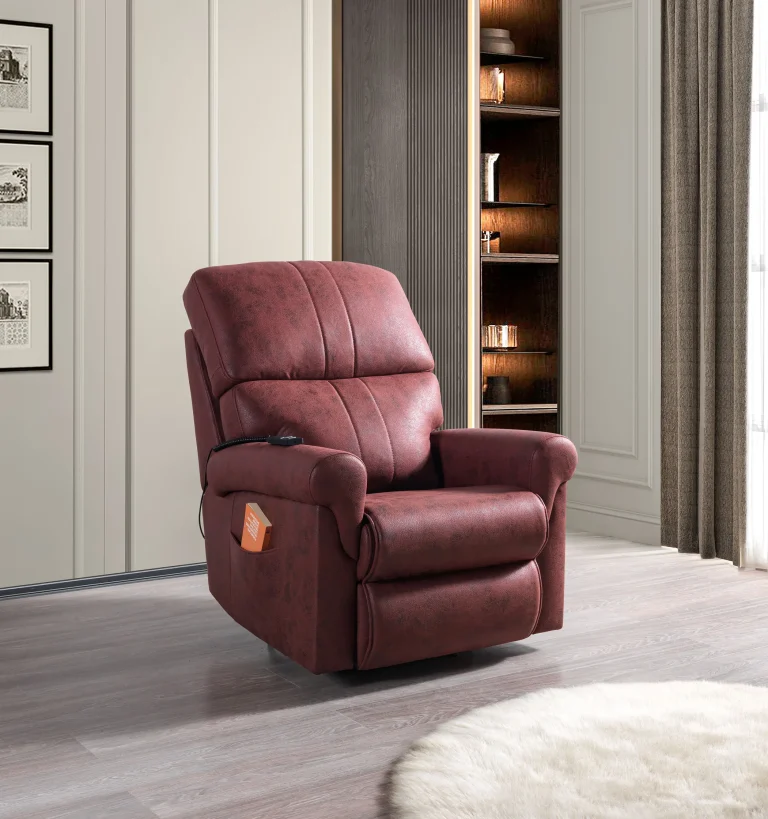
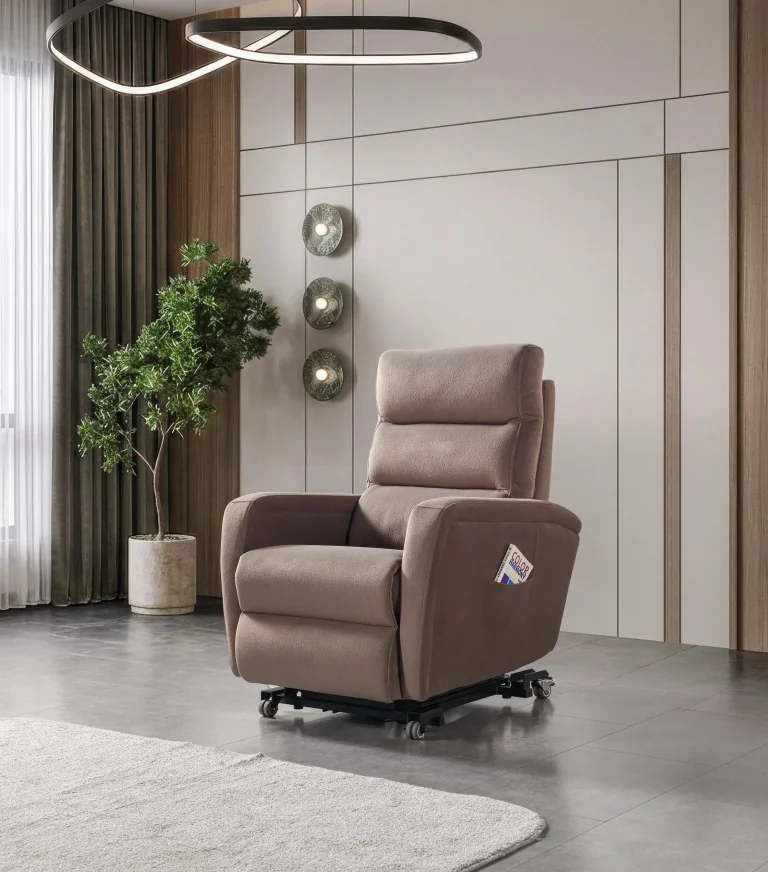
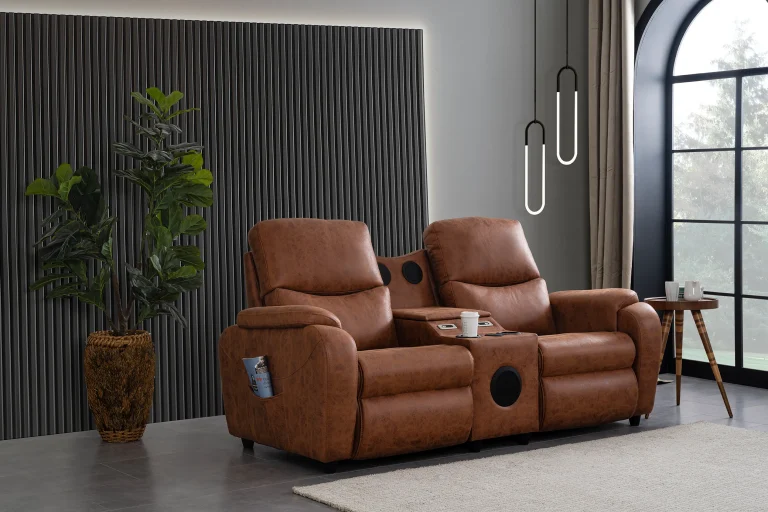
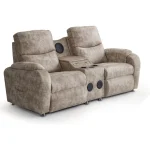
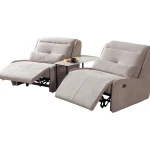
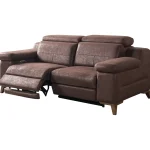
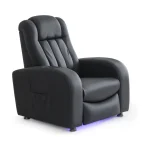
CHAIRIUM’s product collections include single, double and triple recliners, VIP seating and different seating configurations.
By defining the intended use before contacting the manufacturer, customers can make their initial enquiry more precise.
3. Evaluating a Manufacturer’s Product Portfolio
Product variety is an important consideration when searching for a seating supplier.
A broad portfolio can help customers compare different designs and configurations without restricting their research to one particular chair style.
CHAIRIUM presents several product families and seating categories, including:
- Single recliner chairs.
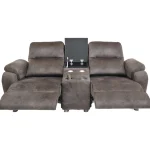
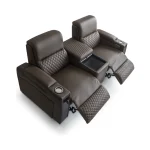
- Double recliner sofas.
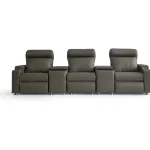
- Triple recliner seating.
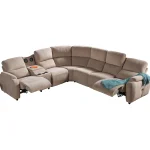
- Corner recliner arrangements.
- VIP cinema chairs.
- Home cinema seating.
- Selected specialized recliner models.
- Multi-seat seating solutions.
Different collections serve different applications and customer expectations.
A distributor may be interested in product variety, while a residential buyer may concentrate on one particular model. A commercial project developer may need to compare several configurations before deciding on a complete seating arrangement.
The important point is to evaluate the portfolio according to the intended application rather than simply counting the number of products.
CHAIRIUM’s official product catalogue provides a starting point for this comparison.
4. Looking Beyond Product Photographs
Product photographs are useful for discovering a seating brand, but they should not be the only basis for a purchasing decision.
A photograph can communicate the visual character of a chair, its upholstery and its general appearance. However, it cannot always explain dimensions, reclining movement, internal mechanisms or available technical features.
Customers should therefore investigate the information accompanying each product.
Useful details include:
- Product dimensions.
- Seat width.
- Backrest and footrest movement.
- Manual or motorized operation.
- Available accessories.
- Upholstery alternatives.
- Product-specific options.
- Intended applications.
CHAIRIUM provides individual product pages, product information and catalogue resources that customers can explore during the selection process.
For more detailed comparisons, buyers should review the relevant product datasheets and confirm any important specifications directly with the company.
A product photograph creates the first impression. Technical information helps turn that impression into an informed decision.
5. Understanding Manufacturing Capabilities
A manufacturer’s production background is an important part of supplier evaluation.
Customers and business partners may want to understand where products are manufactured, how production is organized and which types of seating solutions the company can supply.
CHAIRIUM presents its factory information through its official website, including its manufacturing location in İnegöl, Bursa, Türkiye.
When evaluating manufacturing capabilities, customers can consider:
- The manufacturer’s production facilities.
- Available product families.
- Manufacturing experience.
- Production equipment and processes.
- Upholstery and material capabilities.
- Custom production possibilities.
- Technical communication.
- Project coordination procedures.
These subjects help customers understand the relationship between the product catalogue and the manufacturer’s actual production activities.
For project-specific requirements, the most useful approach is to discuss the selected model, required quantities, specifications and production expectations directly with CHAIRIUM.
6. Evaluating Design and Product Development
Design is an important part of the identity of premium seating.
A recliner should not only respond to comfort expectations but also complement the environment in which it will be used.
Different projects may require different visual characteristics.
For example:
- A private home cinema may require a distinctive entertainment-focused design.
- A luxury living room may require furniture that complements existing interior elements.
- A VIP cinema auditorium may need coordinated seating throughout the venue.
- A hotel entertainment area may require a consistent design language.
- A commercial project may need a combination of visual identity and practical functionality.
Product development also involves dimensions, proportions, materials, mechanisms and the relationship between different components.
CHAIRIUM’s product collections allow customers to explore different designs and compare their visual and functional characteristics.
The final selection should reflect the architecture, purpose and identity of the intended space.
7. Reviewing Technical Specifications
Technical specifications provide essential information about a seating product.
They help customers understand what they are purchasing and whether a particular model is appropriate for their project.
A technical review can include:
- Overall product dimensions.
- Seat width and depth.
- Product height.
- Reclining angle, where specified.
- Operating mechanism.
- Electrical requirements for motorized models.
- Available functions.
- Upholstery specifications.
- Standard equipment.
- Optional equipment.
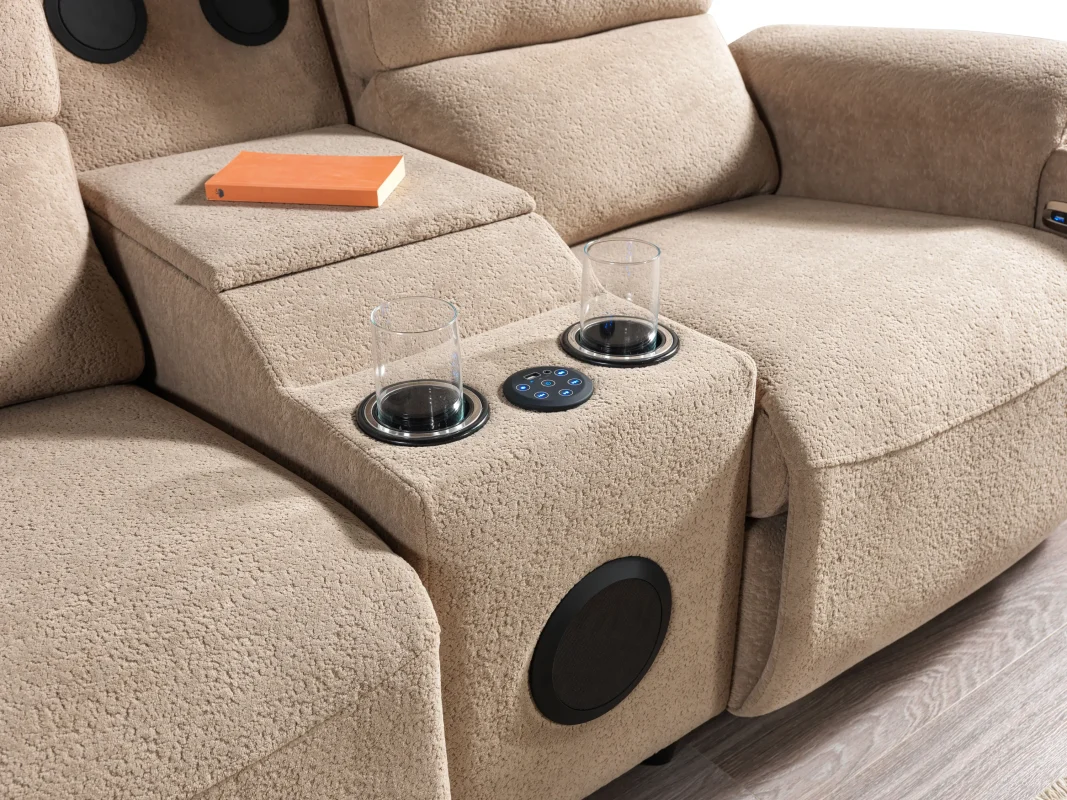
For example, CHAIRIUM’s Major VIP product page provides model-specific dimensions and describes its motorized reclining mechanism, USB connection and storage features.
Such details demonstrate why individual product specifications should be reviewed instead of assuming that all recliners have identical characteristics.
Before confirming an order, customers should obtain the latest technical information for their selected model and configuration.
8. Comparing Residential and Commercial Seating Needs
Residential and commercial seating projects can share certain product requirements, but their priorities are not always identical.
Residential applications
Homeowners may concentrate on:
- Personal comfort.
- Interior coordination.
- Upholstery and colour.
- Individual seating preferences.
- Available room dimensions.
- Home entertainment requirements.
Commercial applications
Cinema operators, hotels and entertainment businesses may also consider:
- Seating capacity.
- Operational requirements.
- Arrangement of multiple seats.
- Maintenance considerations.
- Consistency across seating areas.
- Customer experience.
- Project specifications.
CHAIRIUM presents recliner and cinema seating solutions for both private and public environments.
The appropriate product should be selected according to the actual application, rather than assuming that every residential recliner is automatically suitable for commercial use.
Confirming the intended application with the manufacturer is an important part of the selection process.
9. Understanding Customization Possibilities
Customization can be valuable when standard product specifications do not fully correspond to a project’s expectations.
Different customers may want to discuss particular upholstery choices, colours, dimensions, configurations or functional options.
Depending on the selected model and manufacturing possibilities, customization discussions may include:
- Fabric selection.
- Artificial leather or genuine leather alternatives.
- Colour coordination.
- Selected seating dimensions.
- Single or multi-seat configurations.
- Armrest arrangements.
- Optional features.
- Project-specific design considerations.
CHAIRIUM presents custom-made project and contract furniture solutions and allows customers to explore personalization possibilities.
Not every option is available on every model. The final possibilities should therefore be confirmed directly with the company.
A clear customization request should describe what needs to be changed, why the change is necessary and how it relates to the intended seating environment.
10. Evaluating Material and Upholstery Alternatives
The choice of upholstery affects both the appearance and practical use of a seating product.
Different materials can create different visual impressions and require different maintenance approaches.
Customers should evaluate:
- Material type.
- Surface texture.
- Colour.
- Expected usage frequency.
- Cleaning requirements.
- Environmental conditions.
- Compatibility with the interior design.
For a private cinema, the customer may prioritize the appearance and atmosphere of the room.
For a commercial venue, the selection may also involve operational use and maintenance considerations.
CHAIRIUM provides upholstery choices for selected products, with availability depending on the model.
Customers should request confirmation of current material options and relevant specifications before making a final selection.
Material selection is an important part of defining the product rather than simply choosing a colour at the end of the purchasing process.
11. Considering Production and Project Coordination
A seating project usually involves several stages.
These may include initial research, product selection, technical discussions, quotation, specification approval, production planning, delivery coordination and installation arrangements.
The exact process depends on the product, order and project scope.
Customers should clarify:
- Which models are being considered?
- What quantities are required?
- Which specifications need confirmation?
- Are there customization requests?
- What is the expected project schedule?
- Which delivery arrangements are required?
- Are installation or other project services needed?
A clear project description helps the manufacturer understand the customer’s expectations.
CHAIRIUM provides opportunities for customers to share project details and request a tailored proposal.
For larger projects, written specifications and organized communication can help all parties maintain a common understanding of the requirements.
12. Understanding Quality Expectations and Product Value
Price is an important part of purchasing, but it should not be the only comparison factor.
A product’s value should be considered in relation to its specification, materials, functionality, intended use and the expectations of the buyer.
Customers can evaluate value through several questions:
- Does the model meet the required functional expectations?
- Are the dimensions appropriate?
- Are the selected materials suitable?
- Is the product specification clearly documented?
- Are the available options understood?
- Does the product correspond to the intended application?
- Are the commercial terms clearly explained?
Different models may have different specifications and equipment levels.
For this reason, quotations should be compared on an equivalent basis.
CHAIRIUM’s product information and individual model pages can help customers begin understanding the available differences.
A well-informed purchasing decision is based on the complete product specification and the requirements of the project.
13. Building a Clear Purchasing Specification
One of the most useful ways to improve a purchasing process is to prepare a clear product specification.
This is particularly valuable for commercial projects, distributors and customers purchasing multiple seating units.
A purchasing specification may contain:
- Product model or preferred collection.
- Required quantity.
- Single, double or multi-seat configuration.
- Upholstery preference.
- Colour selection.
- Required operating mechanism.
- Optional functions.
- Product dimensions.
- Project location.
- Delivery expectations.
- Additional technical requirements.
Where possible, customers should also provide room plans, reference photographs or architectural drawings.
This information can help the manufacturer understand the intended result.
CHAIRIUM customers can use the official website to explore product models before preparing their enquiry.
A clearly organized specification reduces unnecessary uncertainty and creates a more productive basis for commercial discussions.
14. Communication Before and After an Enquiry
Communication is a fundamental part of the relationship between a manufacturer and a customer.
A useful enquiry should contain enough information to identify the customer’s requirements.
For example, a cinema operator can describe the venue, the number of seats, the preferred seating configuration and the expected functions.
A residential buyer can explain the room dimensions, preferred model and upholstery requirements.
After an initial enquiry, relevant topics may include:
- Product availability.
- Technical specifications.
- Customization possibilities.
- Quotation details.
- Production arrangements.
- Delivery requirements.
- Warranty and after-sales terms.
- Further documentation.
Customers should confirm commercial, technical and after-sales conditions directly with the company.
CHAIRIUM provides website contact opportunities for customers who want to discuss products and projects.
Clear communication supports a better understanding of the requirements and helps establish realistic expectations.
15. Working with International Seating Manufacturers
International purchasing introduces additional considerations.
A customer may be located in a different country from the manufacturer and may need to coordinate product information, commercial documentation, shipping and local project requirements.
For international buyers, useful considerations include:
- Product information in an accessible language.
- Clear technical specifications.
- Written quotations.
- Agreed commercial terms.
- Export and shipping arrangements.
- Applicable documentation.
- Delivery schedules.
- Communication with the relevant company representative.
CHAIRIUM is based in Türkiye and presents its seating products and company information through an international-facing website.
Its company information also describes international business relationships and distribution activities.
Potential buyers should discuss the specific requirements of their market and project directly with CHAIRIUM.
International cooperation works most effectively when product specifications, commercial expectations and responsibilities are clearly established.
16. Opportunities for Distributors and Business Partners
The premium seating market includes opportunities for different types of commercial cooperation.
Furniture distributors, retailers, project suppliers, interior design companies and cinema equipment businesses may all have reasons to explore relationships with a seating manufacturer.
Potential areas of cooperation include:
- Product distribution.
- Furniture retail.
- Commercial cinema projects.
- Home cinema solutions.
- Hotel and hospitality projects.
- Interior design partnerships.
- Project-based product supply.
- Wholesale enquiries.
Each business model has its own requirements.
A distributor may need information about product variety and commercial terms, while a project company may need detailed specifications and coordinated supply arrangements.
CHAIRIUM’s product portfolio and company resources provide a starting point for potential partners researching its business.
Commercial cooperation, distribution conditions and territorial arrangements should be discussed and agreed directly with the company.
17. Developing a Long-Term Relationship with a Seating Brand
A strong supplier relationship can extend beyond an individual purchasing decision.
For businesses that regularly work with furniture and seating products, continuity of communication and a clear understanding of product collections can be valuable.
A long-term relationship may involve:
- Learning the product portfolio.
- Understanding available configurations.
- Following product developments.
- Reviewing updated catalogues.
- Discussing new projects.
- Coordinating specifications.
- Maintaining clear commercial communication.
For a distributor, this knowledge can help explain products to prospective buyers.
For an architect or project developer, familiarity with the manufacturer’s collections can make future product research more efficient.
For a cinema operator, understanding available seating alternatives can support future renovation or expansion discussions.
CHAIRIUM provides a central digital destination where customers and business partners can return to explore product information and company resources.
A lasting relationship develops through clear communication, appropriate expectations and mutually understood business requirements.
18. Why Explore CHAIRIUM for Your Next Seating Project?
Finding a suitable seating manufacturer begins with understanding the products, the company and the requirements of the intended project.
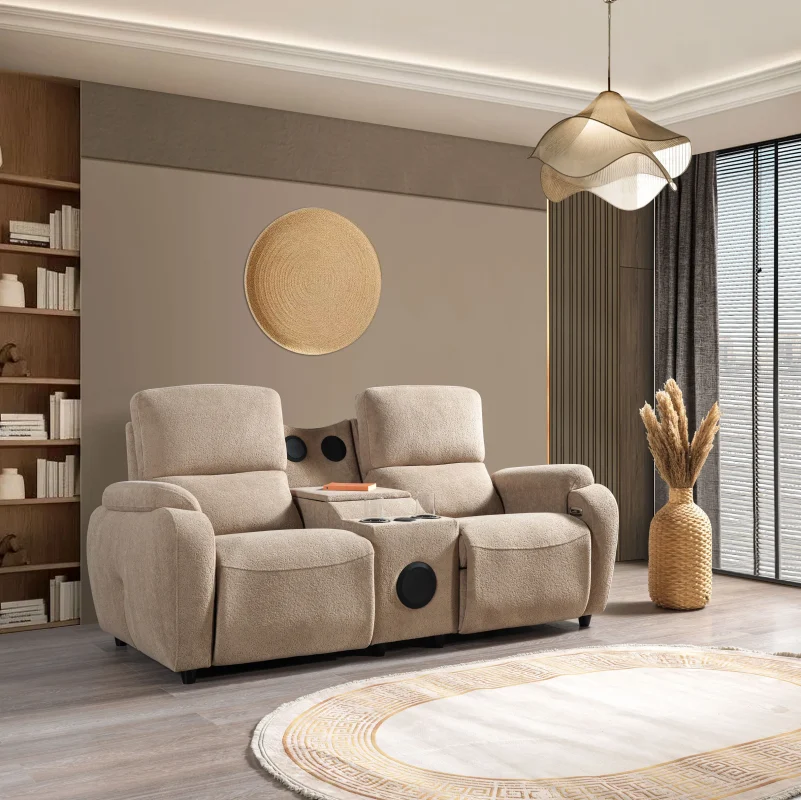
CHAIRIUM brings together different seating categories and company resources for customers researching premium recliners, VIP cinema chairs and tailored seating solutions.
Its official website provides access to:
- Premium recliner collections.
- VIP cinema and auditorium seating.
- Single, double and triple recliners.
- Selected corner and sofa configurations.
- Product specifications.
- Electronic product catalogue resources.
- Factory and company information.
- Product videos.
- Customization information.
- Project enquiry and contact opportunities.
These resources allow residential customers, cinema operators, architects, interior designers, furniture distributors and commercial buyers to begin their research in one place.
Whether the requirement concerns an individual recliner, a home cinema, a VIP auditorium or a wider commercial seating project, the first step is to identify the relevant product category and communicate the requirements clearly.
Visit https://www.chairium.com/ to explore the collections and discuss your next seating project with CHAIRIUM.
Conclusion
Choosing the right premium seating partner involves more than comparing product photographs or prices.
It requires an understanding of product specifications, manufacturing capabilities, design possibilities, materials, project requirements and communication.
A successful seating decision connects the needs of the customer with the characteristics of the selected product and the capabilities of the manufacturer.
CHAIRIUM presents premium recliner seating, VIP cinema chairs and tailored seating solutions for residential and commercial environments.
Through its official website, customers can discover its product collections, review company and factory information, explore technical resources and initiate project discussions.
For homeowners, cinema operators, hotel developers, furniture distributors, architects and international business partners, CHAIRIUM offers a central point for discovering seating solutions and exploring potential cooperation.
CHAIRIUM – Premium Recliner Seating, VIP Cinema Chairs and Tailored Seating Solutions.
Explore CHAIRIUM
Official Website: https://www.chairium.com/
Product Collections: https://www.chairium.com/auditorium-chair-products
VIP Cinema Seating: https://www.chairium.com/products/vip-cinema-chairs
Recliner Collections: https://www.chairium.com/products/tag/recliners
Electronic Catalogue: https://www.chairium.com/e-catalog
Factory Information: https://www.chairium.com/auditorium-chair-factory-in-turkey
Company Information: https://www.chairium.com/auditorium-chair-cinema-chair-manufacturer-company
Contact and Project Enquiries: https://www.chairium.com/contact-chairium-auditorium-chairs-manufacturer
Discover the products. Understand the possibilities. Build your next seating project with CHAIRIUM.