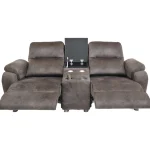
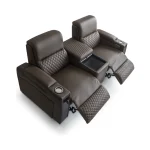
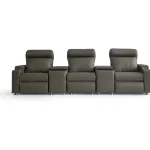
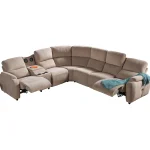
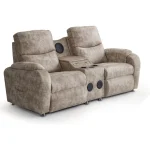
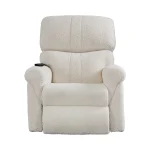
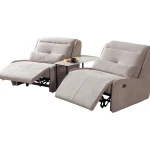
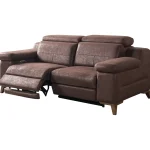
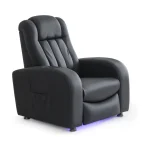
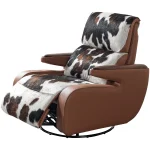
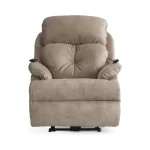
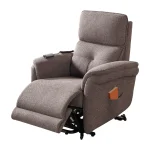
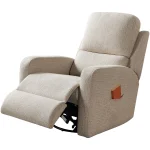
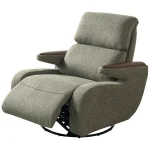
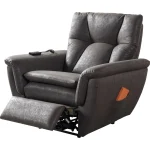
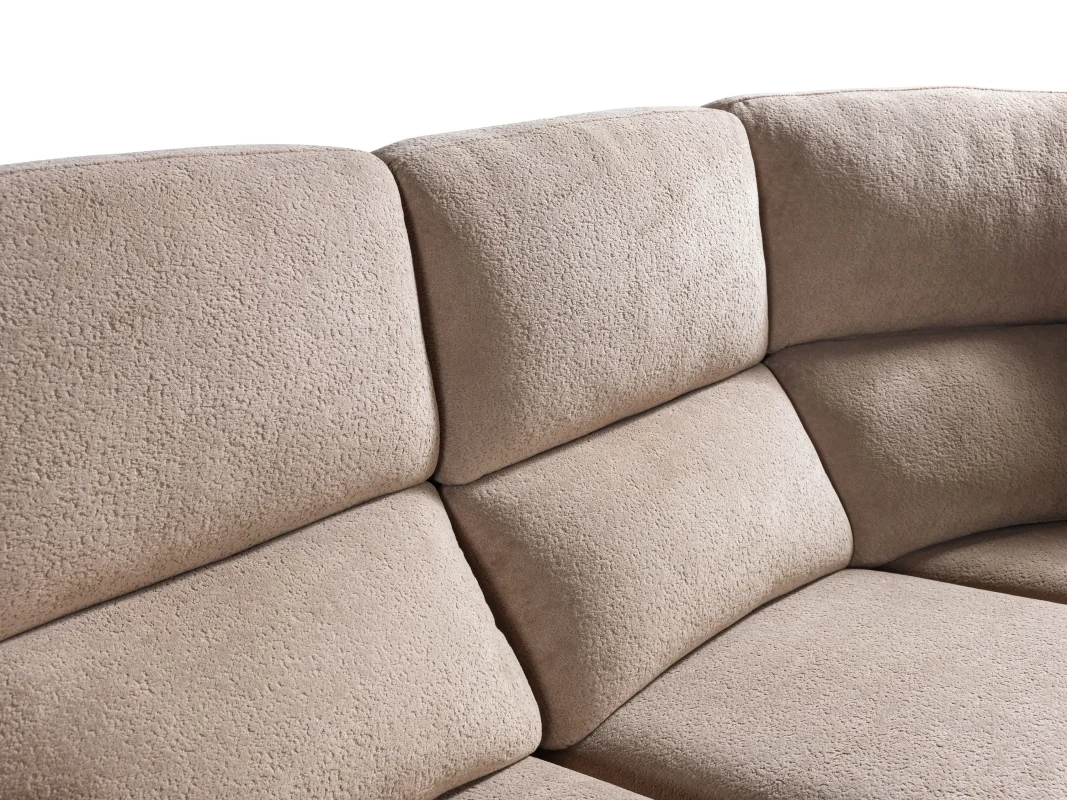
Ergonomics is an important part of premium seating design. A recliner should not only complement the appearance of an interior; it should also offer a seating arrangement that reflects the user’s comfort expectations, the dimensions of the space and the intended way of using the chair. Seat width, seat depth, backrest position, armrest design, footrest movement and reclining functionality all contribute to the overall seating experience.
CHAIRIUM develops recliner seating solutions for private residences, home cinema rooms, VIP cinema areas and commercial projects. Its collection includes single recliners, double seating, triple recliner sofas and tailored seating configurations. Each model has its own dimensions and technical characteristics, making product-specific evaluation an essential part of the selection process.
This article explores the main ergonomic considerations behind premium recliner seating and explains how CHAIRIUM models can be evaluated according to individual preferences and project requirements.
1. Understanding Ergonomics in Premium Recliner Seating
Ergonomics in seating design is concerned with the relationship between the user, the chair and the surrounding environment. A comfortable seating solution should be considered in terms of the way a person sits, the support provided by the chair and the space required for its functions.
A recliner introduces additional considerations because its backrest and footrest can change position. The chair therefore needs to be evaluated in both its upright and reclined positions. A model that fits comfortably into a room when closed may require additional clearance when the footrest is extended or the backrest is reclined.
For CHAIRIUM customers, ergonomics begins with identifying the intended use. A single recliner for a living room, a VIP cinema chair for a commercial venue and a double recliner for a private entertainment room may have different priorities. The ideal choice depends on the user, the available space and the product’s actual specifications.
2. Seat Width: Creating a Suitable Personal Seating Space
Seat width is one of the first dimensions to consider when choosing a recliner. It influences how much personal space is available and how the chair fits into the overall room layout. A seat that is too narrow for the intended user may feel restrictive, while a wider configuration may require more floor space.
CHAIRIUM offers selected models with customizable seat-width options. For example, the official Alis Double VIP product information states that its seat width can be customized. The Major VIP product page also describes a standard seating area that can be increased according to the requested specification.
These examples demonstrate why customers should not rely only on a model name or general product category. The final dimensions should be confirmed for the selected configuration and project. For multi-seat installations, the width of armrests, centre modules and shared components should also be included in the total layout calculation.
3. Seat Depth and the Relationship Between the User and the Chair
Seat depth affects how the user sits and how the seating surface relates to the legs and backrest. A chair should be evaluated according to the intended user’s proportions and the way the seat will be used. Personal comfort can vary, so one standard dimension should not be assumed to suit everyone.
When comparing CHAIRIUM recliners, customers can review the published product dimensions and ask for further information about the seating area. The overall depth of a chair is not necessarily the same as its usable seat depth. It is therefore important to distinguish between the external dimensions of the product and the measurements of the seating surface.
In a project where several people will use the same seating area, the intended user group should be considered before the final model is selected. This is particularly relevant to VIP cinema spaces, hotel entertainment areas and shared home cinema rooms.
4. Backrest Design and Reclining Positions
The backrest is a central part of the recliner experience. Its shape, height and movement influence how the user sits during different activities, such as watching a film, reading or relaxing. Reclining functionality gives users the opportunity to change their seating position rather than remain in one fixed posture.
CHAIRIUM offers models with different reclining mechanisms and product specifications. The Premium Single Rocking Recliner, for example, is described on its official product page as a motorized single recliner with a reclining angle of up to 145 degrees. Other models have their own reclining specifications, which should be checked individually.
A reclining angle should not be treated as a universal measure of comfort. The preferred position depends on the user and the activity. Customers should review the movement range and operating method of the selected model to understand whether it suits their expectations.
5. Footrest Support and Leg Position
The footrest is one of the defining features of a recliner. When extended, it changes the way the user positions their legs and transforms the chair from an upright seat into a more relaxed seating arrangement.
The footrest should be considered together with the seat height, the user’s leg length and the available room space. The relationship between these elements influences the overall experience. It is useful to review the chair in both its closed and extended positions before confirming a purchase or project specification.
CHAIRIUM’s recliner models may have different footrest designs and movement systems. Customers should check the technical details of the selected model and confirm the clearance required for its operation. The space in front of the chair should remain free of obstacles so the footrest can move as intended.
6. Seat Height, Armrests and Everyday Seating Comfort
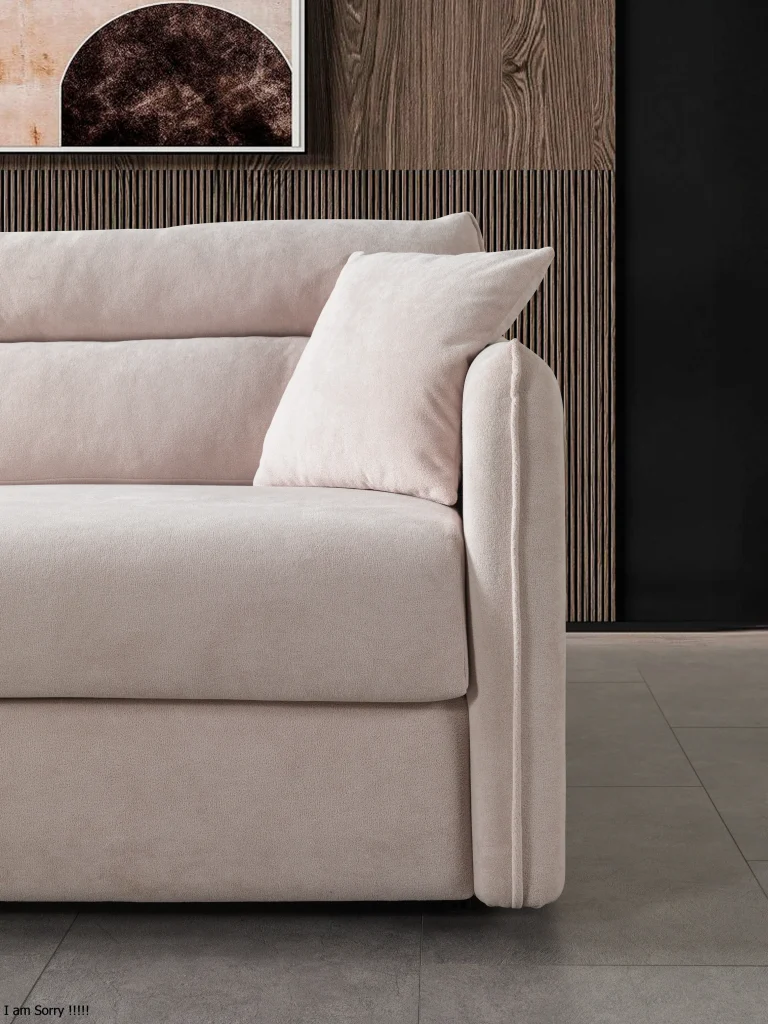
Seat height and armrest design are important when evaluating how a recliner fits into everyday use. The height of the seat influences how a person approaches and leaves the chair, while armrests provide a defined place for the arms and contribute to the visual proportions of the product.
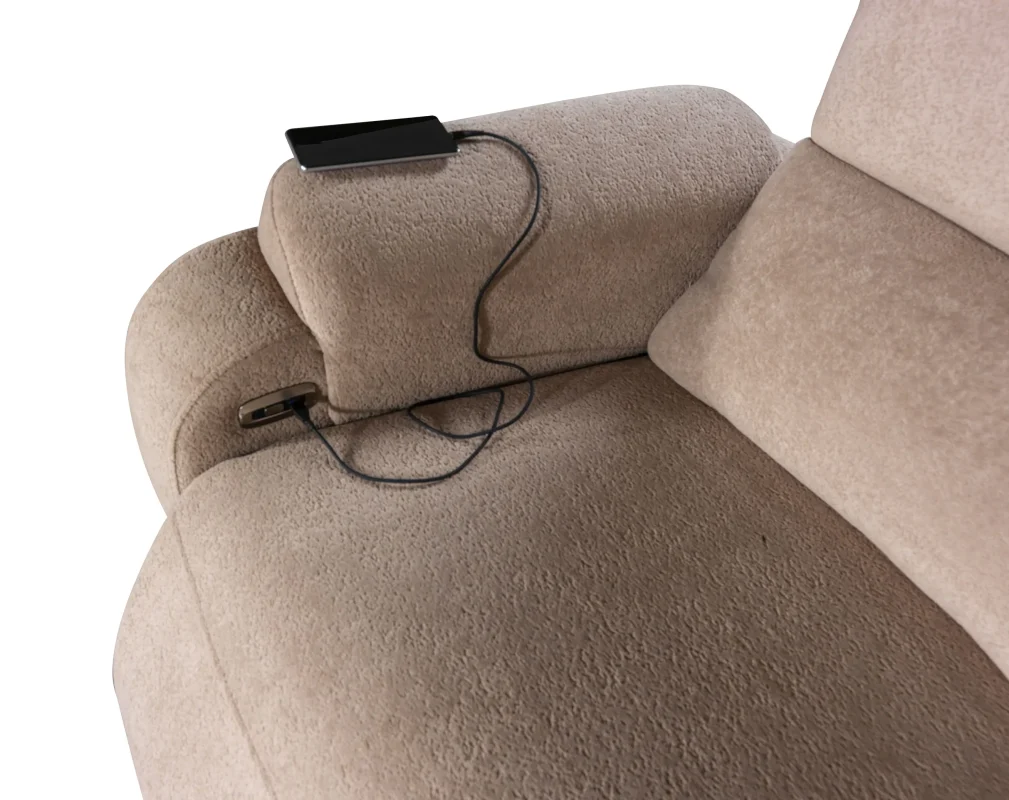
The dimensions of the complete chair should be considered alongside the user’s preferences. A product’s overall height does not automatically indicate its seat height, and the width of the chair does not necessarily represent the usable seating width. Customers should request the relevant technical measurements when these details are important to the project.
CHAIRIUM offers different product designs, including models with shared armrests, individual armrests and centre modules. These configurations can change the overall seating arrangement and should be reviewed before planning a row or a complete room.
7. Manual and Motorized Recliners: Choosing the Right Operation
The operating mechanism is another important part of the seating experience. Manual recliners and motorized recliners offer different ways of changing the chair’s position. The choice depends on the user’s preferences, the intended environment and the specifications of the product.
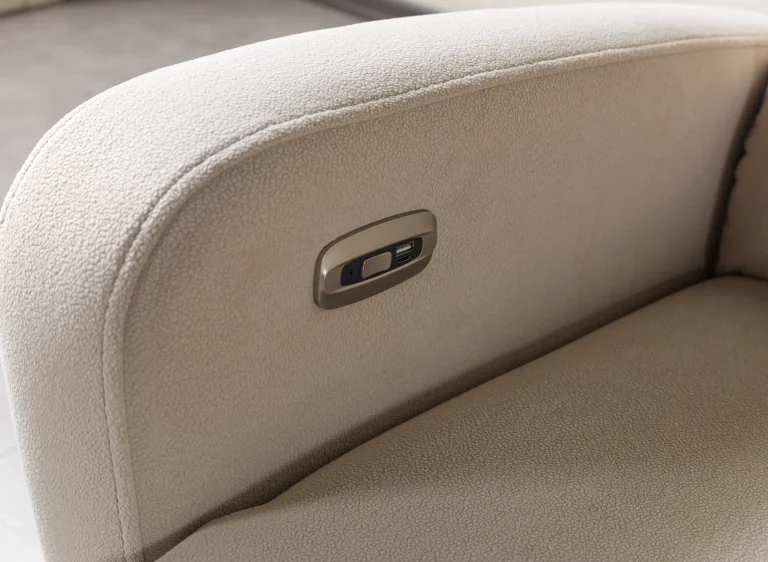
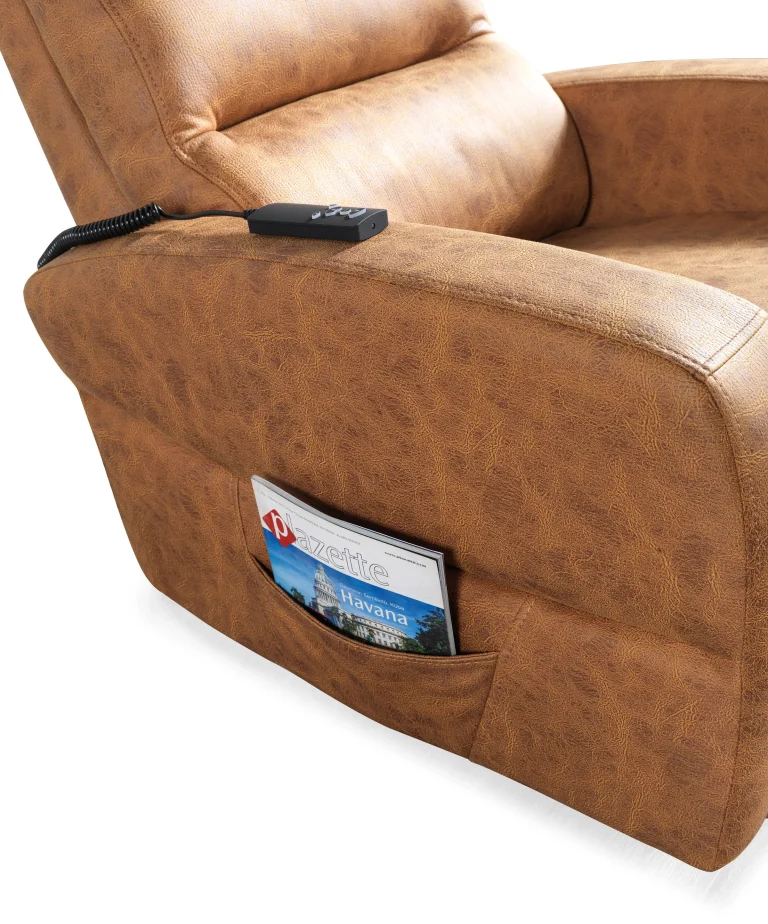
A manual recliner may be suitable for customers who prefer a straightforward mechanical operation. A motorized model allows reclining movement to be controlled through its designated control system. Selected CHAIRIUM products also include rocking or swivel functions, while some models offer additional features according to their product specifications.
Customers should evaluate the operation of the exact model rather than assume that all recliners have the same functions. The control location, movement range, power requirements and available features should be confirmed before the final selection.
8. Ergonomics in Single Recliner Chairs
A single recliner provides an individual seating space and can be planned as a central feature in a living room, reading area or private cinema. Its dimensions and movement range should be considered in relation to the user’s preferred seating position and the available room layout.
CHAIRIUM’s collection includes different single recliner models. The Premium Single Rocking Recliner has published overall dimensions of 115 cm in width, 100 cm in depth and 100 cm in height. The Zero Single VIP product page lists dimensions of 95 cm in width, 97 cm in depth and 110 cm in height.
These measurements illustrate that single recliners can differ considerably in their overall proportions. The best choice is not necessarily the largest or smallest model. Customers should compare the dimensions, seating functions and intended use of each product before deciding.
9. Ergonomics in Double and Multi-Seat Recliners
Double and multi-seat recliners introduce additional planning considerations. The distance between users, armrest arrangements, centre modules and the total width of the configuration can all influence the seating experience.
CHAIRIUM’s Alis Double VIP can be produced with shared armrests, a centre module or a loveseat arrangement without an armrest or module between the seats. Its official product page also describes customizable seat width. These configuration possibilities allow the product to be considered for different residential and VIP seating layouts.
For a double recliner, customers should review the complete configuration rather than evaluate each seat separately. The total width, access to controls, placement of cup holders and movement of reclining sections should all be considered together. This approach is especially important when the seating is part of a larger home cinema or commercial project.
10. Planning Recliner Dimensions for Home Cinema and VIP Cinema Rooms
The room layout is inseparable from ergonomic seating selection. A recliner needs enough space not only for its external dimensions but also for the movement of its reclining sections and the circulation of people around it.
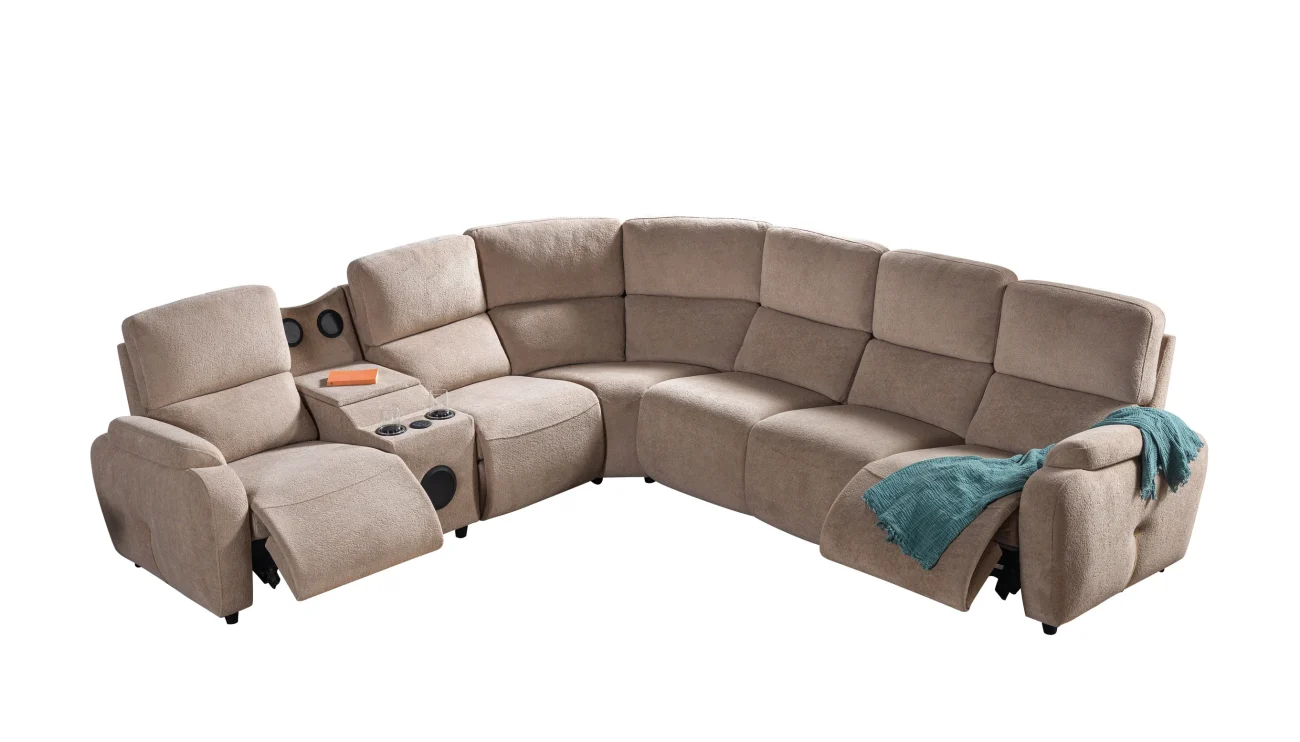
In a home cinema, the arrangement should take account of screen direction, viewing distance, walkways, doors and other furniture. In a VIP cinema or commercial entertainment venue, project planners may also need to consider row spacing, access routes, total seating capacity and the arrangement of shared modules.
CHAIRIUM’s product dimensions provide a starting point for this planning process. However, the final layout should be based on the exact model and configuration. Where dimensions can be customized, the permitted specifications should be confirmed with CHAIRIUM before the project design is finalised.
11. Personalization: Matching Seating Design to Individual and Project Requirements
Personalization can help bring together the user’s comfort expectations and the practical needs of a particular interior. Depending on the selected model, CHAIRIUM product options may include upholstery materials, colours, seat-width adjustments, seating configurations and selected additional features.
The purpose of personalization is not simply to make a chair look different. It is to consider how the product will be used, who will use it and how it will fit into the surrounding space. A residential customer may prioritise a particular seating width or upholstery colour, while a commercial project may place greater emphasis on row configuration and consistent dimensions.
Customers should prepare their requirements before requesting a proposal. Sharing room measurements, intended seating capacity, preferred configuration and desired features can help CHAIRIUM evaluate the project more accurately. All available options and customization limits should be confirmed for the selected model.
12. CHAIRIUM: Bringing Ergonomic Considerations into Premium Seating Projects
Choosing a recliner is a decision that connects design, dimensions, functionality and personal comfort. A suitable seating solution should reflect the way the chair will be used and the space in which it will be installed. Seat width, depth, height, armrests, backrest movement and footrest clearance all deserve attention during the selection process.
CHAIRIUM offers single, double, triple and corner recliner solutions, as well as VIP cinema seating for residential and commercial applications. The published specifications of each model provide a starting point for comparing dimensions and functions, while selected products offer customization options that can be discussed during project planning.
For customers planning a private cinema, a premium living room or a VIP seating project, the most useful first step is to identify the space, intended users and preferred seating arrangement. The relevant CHAIRIUM product pages can then be reviewed to compare dimensions and available functions.
To explore the collection and discuss a seating project, visit CHAIRIUM at https://www.chairium.com/. By bringing together product information, room planning and individual requirements, customers can work towards a seating solution that reflects their expectations for comfort, design and functionality.