
How Flexible Seating Configurations, Personalization and Forward-Thinking Project Decisions Can Support Long-Term Interior Planning
A seating environment is not always created for a single moment or a fixed set of requirements. Homes change, entertainment spaces develop, businesses update their interiors and commercial venues may gradually expand or redefine the way they serve their customers.
For this reason, choosing premium seating should involve more than selecting an attractive chair. It is also an opportunity to consider how the furniture will fit into the space over time, how different seating configurations may support changing needs and how design decisions can remain relevant as a project develops.
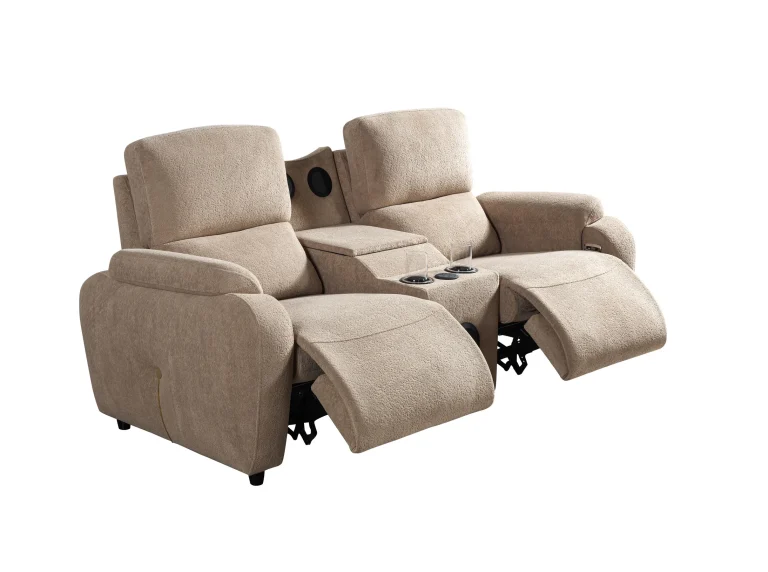
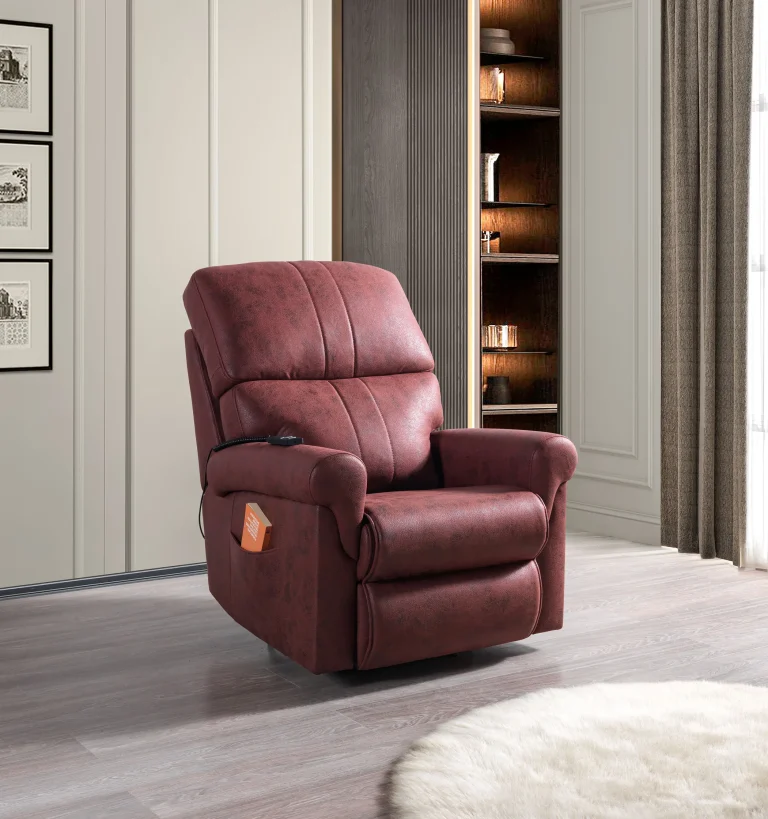
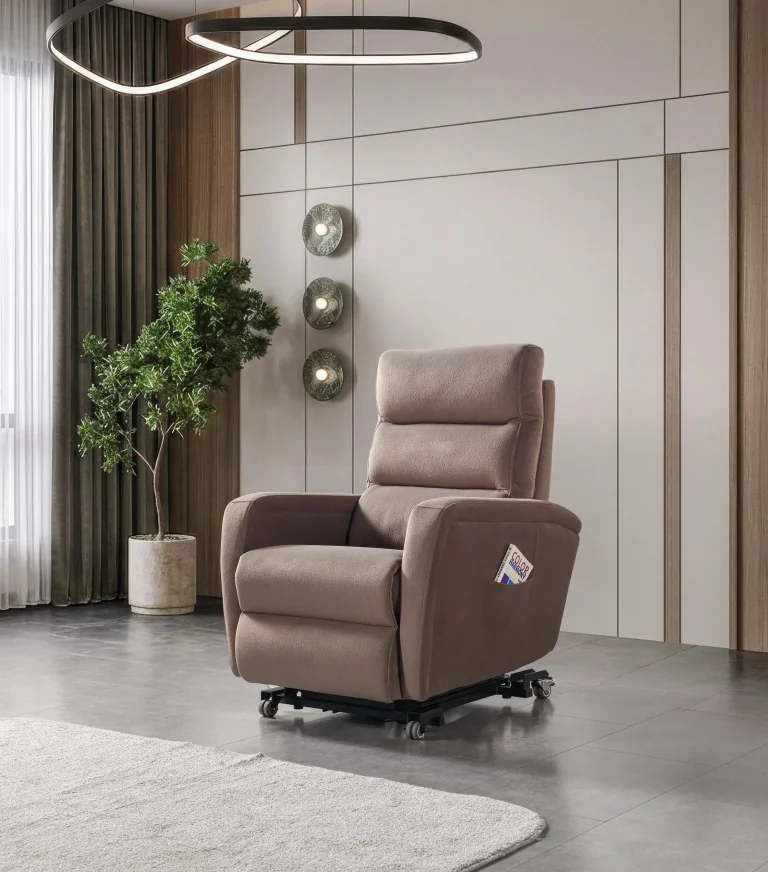
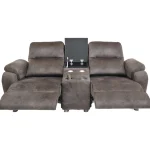
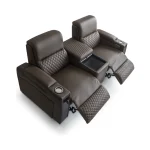
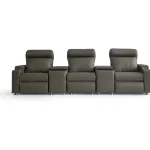
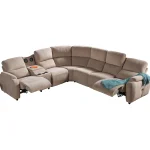
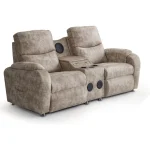
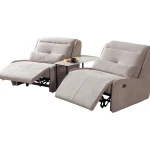
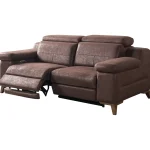
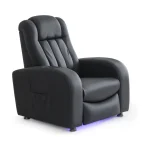
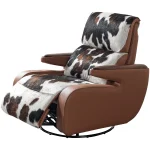
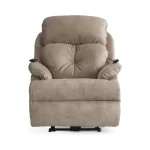
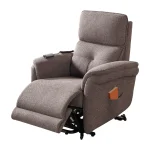
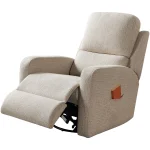
CHAIRIUM brings together recliner seating, VIP cinema chairs and seating solutions for residential and commercial environments. Its collections include single recliners, double and triple seating options, and recliner sofa sets. Selected models also offer customization possibilities involving upholstery, colours, dimensions and configurations.
The following considerations provide a practical framework for people planning a new seating environment or reviewing an existing one.
1. Think Beyond the Immediate Seating Requirement
A room may have a clear purpose today, but its use can change.
A private entertainment room may later become a more comprehensive home cinema. A hospitality venue may renovate its guest areas. A commercial entertainment business may introduce a premium seating section.
When exploring CHAIRIUM products, consider not only the number of seats required now but also the possible direction of the project. This does not mean purchasing more furniture than necessary. It means making informed choices that take future requirements into account.
2. Identify the Long-Term Purpose of the Space
The intended use of a room is one of the most important starting points for seating decisions.
A residential home cinema, a private screening room, a VIP cinema auditorium and a hotel entertainment area may all require different approaches.
Before selecting a model, consider:
- Who will use the seating area?
- How frequently will it be used?
- Is the space private, commercial or shared?
- Will the room have one main function or several uses?
- Could the purpose of the room change in the future?
These questions help establish a realistic direction for the project.
3. Explore Different Seating Formats
A flexible seating plan begins with understanding the available formats.
CHAIRIUM’s product collection includes several types of seating, such as:
- Single recliner chairs
- Double recliner models
- Triple recliner configurations
- Recliner sofa sets
- Corner seating arrangements
- Selected VIP auditorium seating solutions
Each format has a different role. Individual recliners can provide separate seating positions, while double and triple models may support shared arrangements. Sofa sets can be considered for larger residential spaces.
The most appropriate format depends on the room, the intended users and the selected product’s dimensions.
4. Consider How Seating Can Be Organized in Different Zones
Some projects contain more than one seating area.
A residential entertainment room, for example, may include a main viewing area and a separate conversation space. A commercial venue may distinguish between standard seating, premium seating and private entertainment areas.
The seating concept should reflect the purpose of each zone while maintaining a coherent interior design.
CHAIRIUM’s range of single, double, triple and sofa configurations gives project planners different formats to investigate when developing these areas.
5. Make Room for Future Interior Changes
Interior design preferences can evolve. Wall colours, lighting, flooring, decoration and other furniture may be updated over time.
When selecting recliner upholstery and colours, consider how the chosen appearance will relate to the wider room rather than only to the current decorative details.
A considered colour and material selection can make it easier to maintain a coordinated appearance if other parts of the interior are changed later.
CHAIRIUM presents upholstery and colour choices for selected models. Available options should be checked for the specific product.
6. Review Customization Possibilities Before Finalizing a Model
A product’s standard appearance may not be the only option worth considering.
Depending on the model, CHAIRIUM customization discussions may involve upholstery, colour, selected dimensions and seating configurations.
Before making a decision, establish which details are important to the project and ask which of them can be accommodated by the selected model.
It is particularly important to confirm the available options in writing before the final product specification is approved.
7. Evaluate Seating Configurations for Different Household Needs
Residential requirements can change as families grow, routines develop and entertainment habits evolve.
A single recliner may suit an individual viewing position. A double recliner may be appropriate for shared use, while a sofa set may help organize a larger living or entertainment area.
CHAIRIUM’s residential seating range gives customers several formats to compare.
The decision should take account of the available room, the number of regular users and the way people expect to use the space.
8. Consider How Commercial Requirements May Develop
Commercial seating projects can have changing operational priorities.
A cinema operator may review its auditorium concept. A hotel may update its entertainment areas. A hospitality business may decide to introduce a more distinctive seating environment.
When planning such projects, consider the intended customer experience, the available floor area, the expected seating capacity and the practical requirements of the venue.
CHAIRIUM presents seating solutions for public spaces and private residences, including project and contract furniture. Specific commercial requirements should be discussed with the company.
9. Think About Consistency Across Multiple Seating Areas
When several rooms or zones belong to the same project, the furniture should be considered as part of a wider visual concept.
Consistency does not necessarily mean using exactly the same chair everywhere. Different spaces may require different formats, but colours, upholstery choices and design details can help create a recognizable relationship between them.
CHAIRIUM’s product range allows project planners to explore different seating types while considering the overall appearance of the environment.
10. Compare Standard and Optional Features Carefully
A seating decision should be based on the functions that genuinely matter to the intended use.
Selected CHAIRIUM models include features such as motorized reclining, cup holders and USB ports. Other features, including cooling cup holders, LED lighting, massage functions and tray tables, may be optional on particular models.
The availability of each feature varies. Buyers should distinguish between standard equipment and optional additions before approving a specification.
A thoughtful selection can help prevent unnecessary complexity and keep the project focused on its actual requirements.
11. Allow for Technology and Electrical Requirements
Some recliners include motorized functions or other electrically operated features.
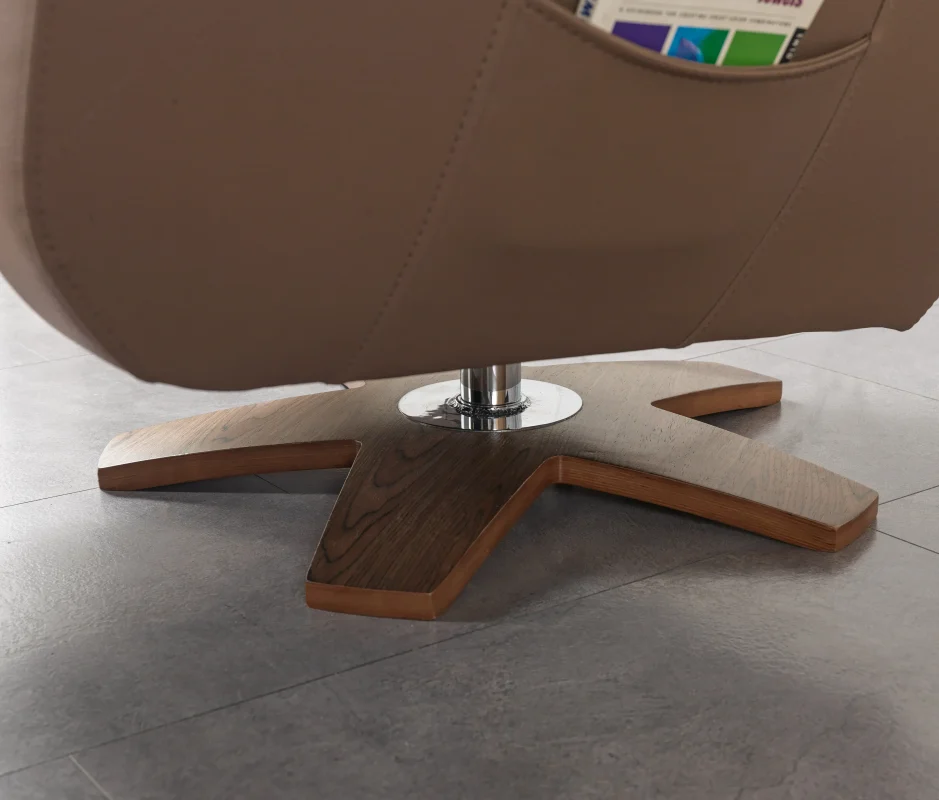
For these products, project planning should consider the relevant power arrangements, cable routing and access to electrical connections.
The requirements should be reviewed before the seating layout is finalized, particularly in commercial environments or rooms where several powered seats may be installed.
Always confirm the electrical specifications and installation requirements of the selected model with CHAIRIUM.
12. Consider the Practicalities of Future Replacement
Furniture may eventually need to be replaced, refreshed or added to.
For projects involving several seating units, it can be useful to keep a record of the selected model, upholstery, colour, configuration and product specifications.
This information can support future discussions if additional seating is required or if an existing area is updated.
Availability and compatibility should never be assumed. Customers should confirm whether a particular model, finish or configuration remains available when planning a later purchase.
13. Keep Project Documentation Organized
A clear project record can make future decisions easier.
Useful information may include:
- Product names and model references
- Confirmed dimensions
- Upholstery and colour selections
- Standard and optional features
- Seating quantities and configurations
- Approved drawings or layout plans
- Quotation and order details
For larger projects, keeping these details together can help customers, designers and project teams refer to the same approved specification.
14. Consider Maintenance as Part of Long-Term Planning
A seating environment should be planned with its everyday care requirements in mind.
Different upholstery materials may require different cleaning methods. Reclining mechanisms and powered functions should be used according to the relevant product instructions.
CHAIRIUM provides product-specific information on selected product pages. Customers should consult the care guidance for their chosen model and avoid assuming that one cleaning method is suitable for every upholstery type.
For commercial projects, it may also be useful to establish an appropriate routine for inspecting and caring for the seating.
15. Coordinate Seating Decisions with Architects and Interior Designers
Seating selection is often connected to other parts of a project.
Architects and interior designers may need to consider furniture dimensions, circulation, lighting, electrical planning, wall finishes and the relationship between seating and other equipment.
Sharing the selected CHAIRIUM product information early in the design process can help the project team assess the furniture within the wider interior concept.
Final room layouts, accessibility provisions and applicable safety requirements should be reviewed by the responsible project professionals.
16. Prepare for Phased or Expanding Projects
Not every seating project is completed in a single stage.
Some businesses renovate one area before updating another. A private entertainment room may be developed gradually. A larger venue may introduce additional seating as its requirements become clearer.
If a project is expected to develop in stages, document the preferred model, colour, upholstery and configuration from the beginning.
Before ordering additional units at a later date, confirm current availability and whether the required specifications can still be supplied.
17. Use CHAIRIUM’s Online Resources to Support Better Decisions
The CHAIRIUM website provides several resources that can help customers research seating options.
The product collection allows visitors to compare different models and formats. The E-Catalog provides another way to review the range, while the video section helps visitors see selected recliners in motion.
Customers can use these resources to prepare more specific questions before contacting the company.
Official resources:
- Product collection: https://www.chairium.com/auditorium-chair-products
- E-Catalog: https://www.chairium.com/e-catalog
- Videos: https://www.chairium.com/videos
- Customization: https://www.chairium.com/customization
- Contact: https://www.chairium.com/contact-chairium-auditorium-chairs-manufacturer
18. Make the Final Decision Around the Project, Not Just the Product
A successful seating choice brings together the product, the room, the people who will use it and the long-term direction of the space.
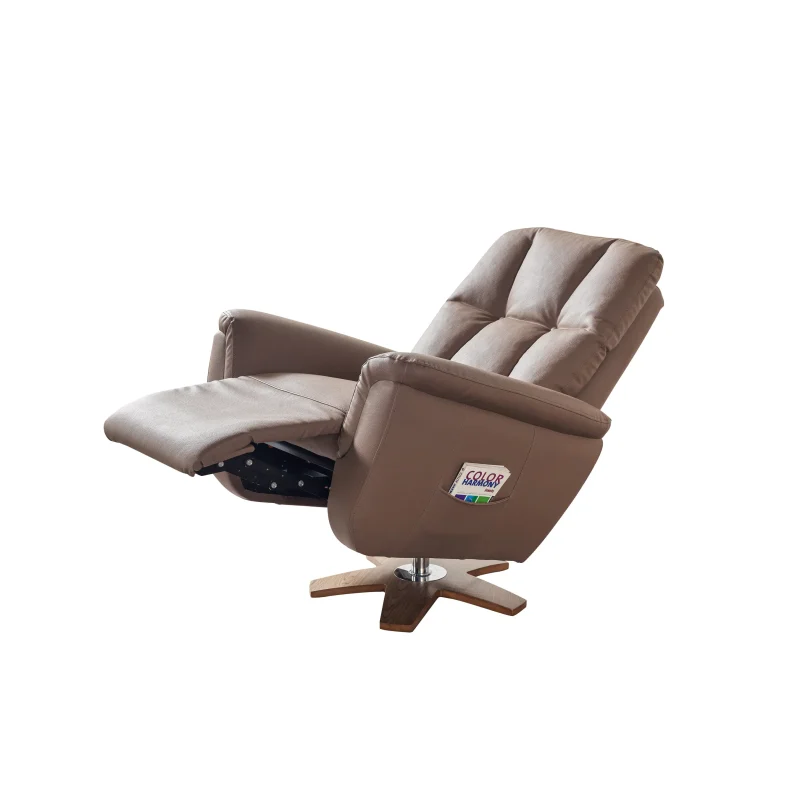
The most visually impressive model is not automatically the right choice for every project. Dimensions, configuration, upholstery, features, practical requirements and available customization options all deserve attention.
CHAIRIUM provides a range of recliner and VIP cinema seating solutions that customers can explore for residential and commercial applications.
By defining the project requirements carefully and confirming the details of each selected model, buyers can make more informed decisions and develop seating environments that are better aligned with their intended use.
Explore CHAIRIUM for Your Next Seating Project
Whether you are planning a private home cinema, updating a living space, developing a VIP cinema area or specifying seating for a commercial project, CHAIRIUM invites you to explore its collections and discuss your requirements.
Visit the official website to discover available models, review product information and contact the company.
CHAIRIUM — Premium Recliner Seating, VIP Cinema Chairs and Tailored Seating Solutions.
Website: https://www.chairium.com/
Product Collection: https://www.chairium.com/auditorium-chair-products
Project Information: https://www.chairium.com/projects
E-Catalog: https://www.chairium.com/e-catalog
Contact: https://www.chairium.com/contact-chairium-auditorium-chairs-manufacturer
Frequently Asked Questions
1. What does adaptable seating mean?
Adaptable seating refers to choosing furniture formats, configurations and design options that respond to the requirements of a particular space and its possible future uses.
2. What seating formats does CHAIRIUM offer?
The online collection includes single, double and triple recliners, as well as recliner sofa sets and selected VIP seating solutions.
3. Can CHAIRIUM seating be considered for both residential and commercial projects?
CHAIRIUM presents seating solutions for public spaces and private residences. The suitability of a specific model should be confirmed according to the project requirements.
4. Can customers discuss upholstery and colour choices?
Yes. CHAIRIUM presents upholstery and colour options for selected models. Available choices should be confirmed for the product being considered.
5. Are all recliner features available on every model?
No. Standard and optional features vary by model. Customers should review the relevant product page and confirm the final specification.
6. Can different seating formats be considered for one project?
Different formats can be evaluated as part of a project plan. Their suitability depends on dimensions, configuration, product availability and the intended use of each area.
7. What should be prepared before requesting a project quotation?
Useful information includes room dimensions, seating quantities, preferred models, upholstery and colour choices, configuration requirements and the project location.
8. Where can customers compare CHAIRIUM products?
Customers can explore the official product collection and E-Catalog, and view selected products in the video section of CHAIRIUM.com.
9. Can a project be expanded at a later date with matching seating?
This depends on product availability and the specifications available at the time of the additional order. Customers should confirm model, upholstery and configuration compatibility directly with CHAIRIUM.
10. How can customers contact CHAIRIUM?
Visit https://www.chairium.com/contact-chairium-auditorium-chairs-manufacturer to find the company’s contact details and submit a project enquiry.