

How Residential and Commercial Buyers Can Organize Seating Requirements, Product Specifications, Customization and Project Communication
A successful seating project involves more than selecting attractive recliner chairs. Whether the project concerns a private home cinema, a luxury residential interior, a VIP movie theatre, a hotel lounge or a commercial entertainment environment, every stage should be considered carefully.
Product selection, room dimensions, seating configurations, upholstery preferences, technical specifications and delivery arrangements all contribute to the purchasing process.
For international buyers, importers, distributors, architects and commercial project developers, clear communication with the manufacturer is particularly important. A well-prepared project enquiry helps establish a better understanding of expectations and makes it easier to discuss suitable seating solutions.
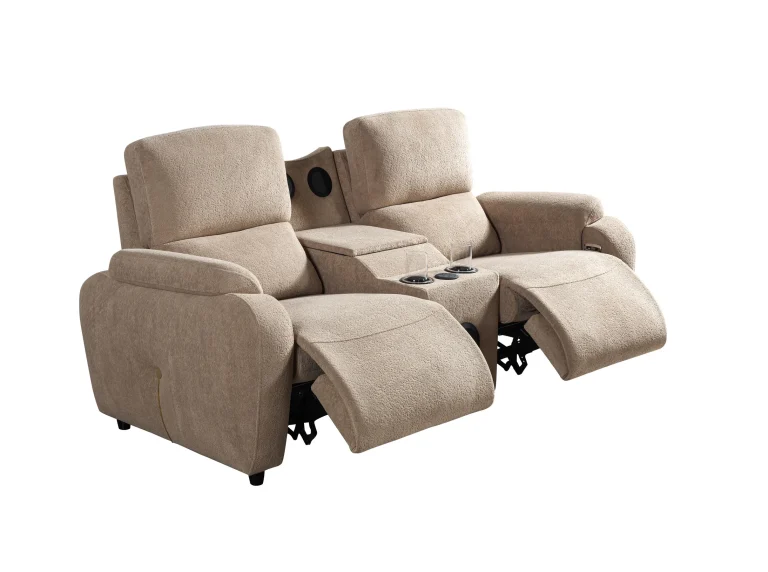
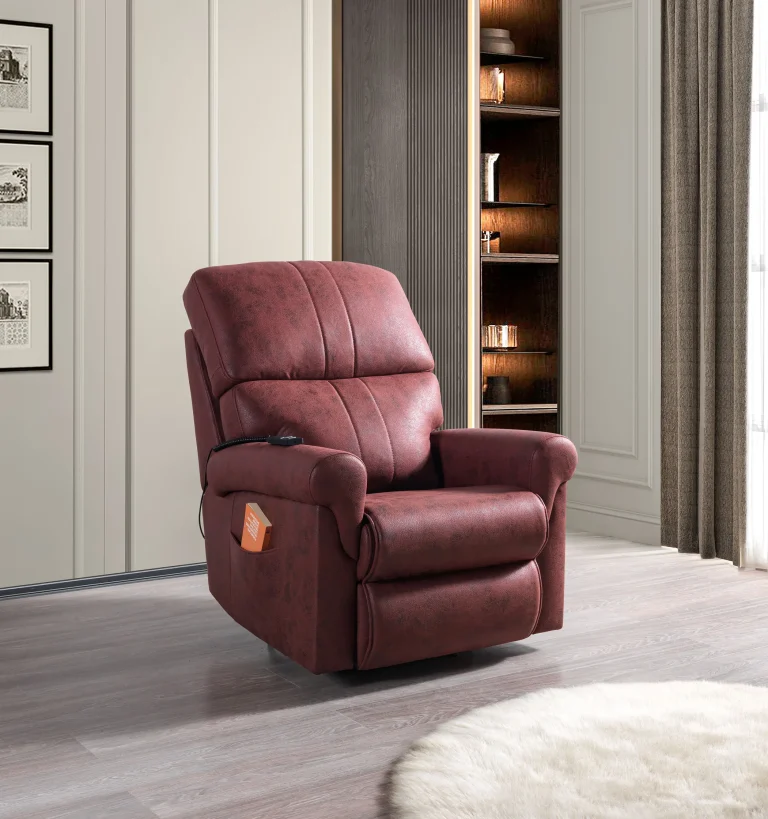
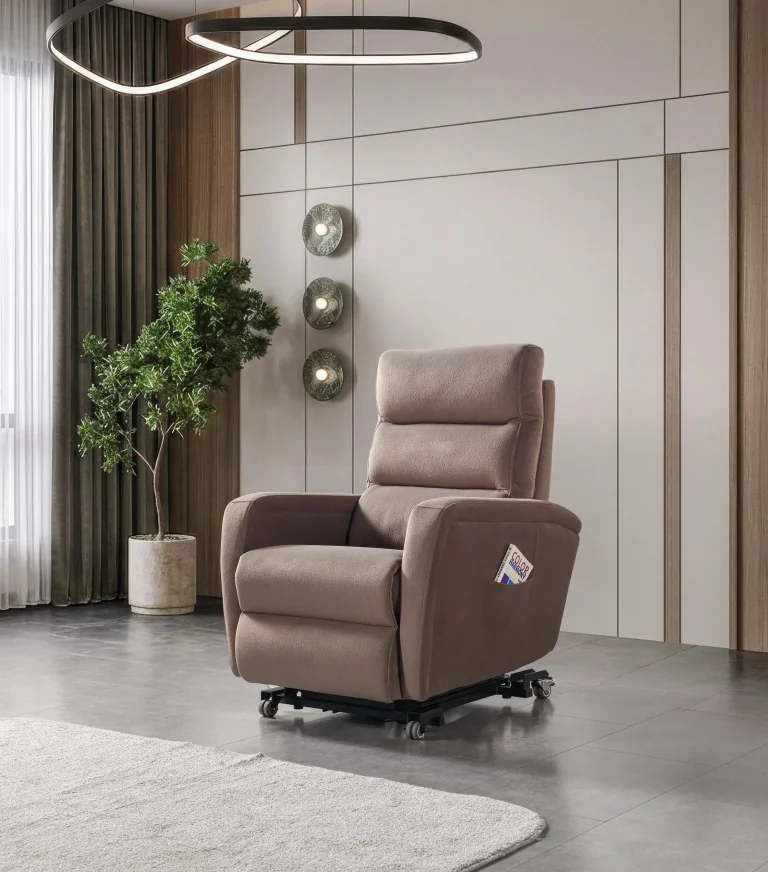
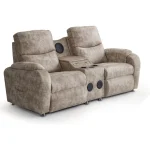
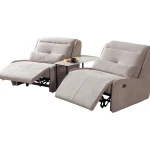
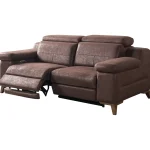
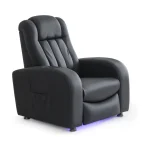
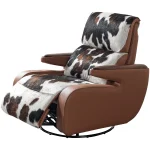
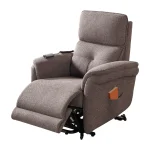
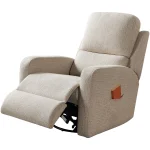
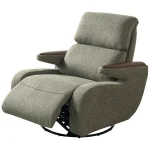
CHAIRIUM, a Türkiye-based recliner and VIP cinema seating manufacturer, presents seating collections and customization possibilities for residential and commercial applications. Its product portfolio includes single recliners, double and triple recliner sofas, VIP cinema seating and selected project-oriented configurations.
This article explains how buyers can organize a recliner seating project, prepare their requirements and communicate with CHAIRIUM from the initial enquiry through order planning and delivery coordination.
1. Start with a Clear Project Brief
Before contacting a manufacturer, it is useful to prepare a basic description of the project.
The project brief does not need to contain every technical detail. However, it should explain the intended application and the general requirements.
Important information includes:
- Project type: residential, home cinema, VIP cinema, hotel, hospitality or commercial entertainment.
- Project location and delivery destination.
- Estimated number of seats.
- Preferred seating categories.
- Single, double, triple or modular seating requirements.
- Available room dimensions.
- Preferred upholstery materials and colours.
- Manual or motorized reclining preferences.
- Required accessories and additional functions.
- Expected purchasing or project schedule.
Providing this information at the beginning can help the manufacturer understand the project more accurately and identify which product categories may be relevant.
2. Identify the Right Seating Categories
Different projects require different seating arrangements.
A private home cinema may require a combination of individual recliners and double seating. A commercial VIP cinema may need several rows of coordinated seating, while a hotel lounge may require furniture that complements a particular interior design.
When reviewing the available collections, buyers should consider:
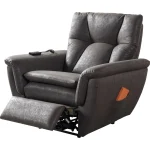
- Single recliner chairs for individual seating areas.
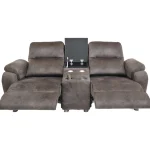
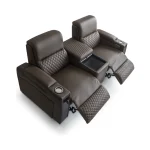
- Double recliner sofas for shared entertainment spaces.
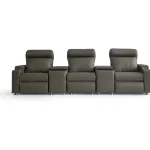
- Triple recliner configurations for larger seating arrangements.
- VIP cinema chairs for premium screening environments.
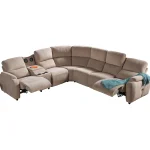
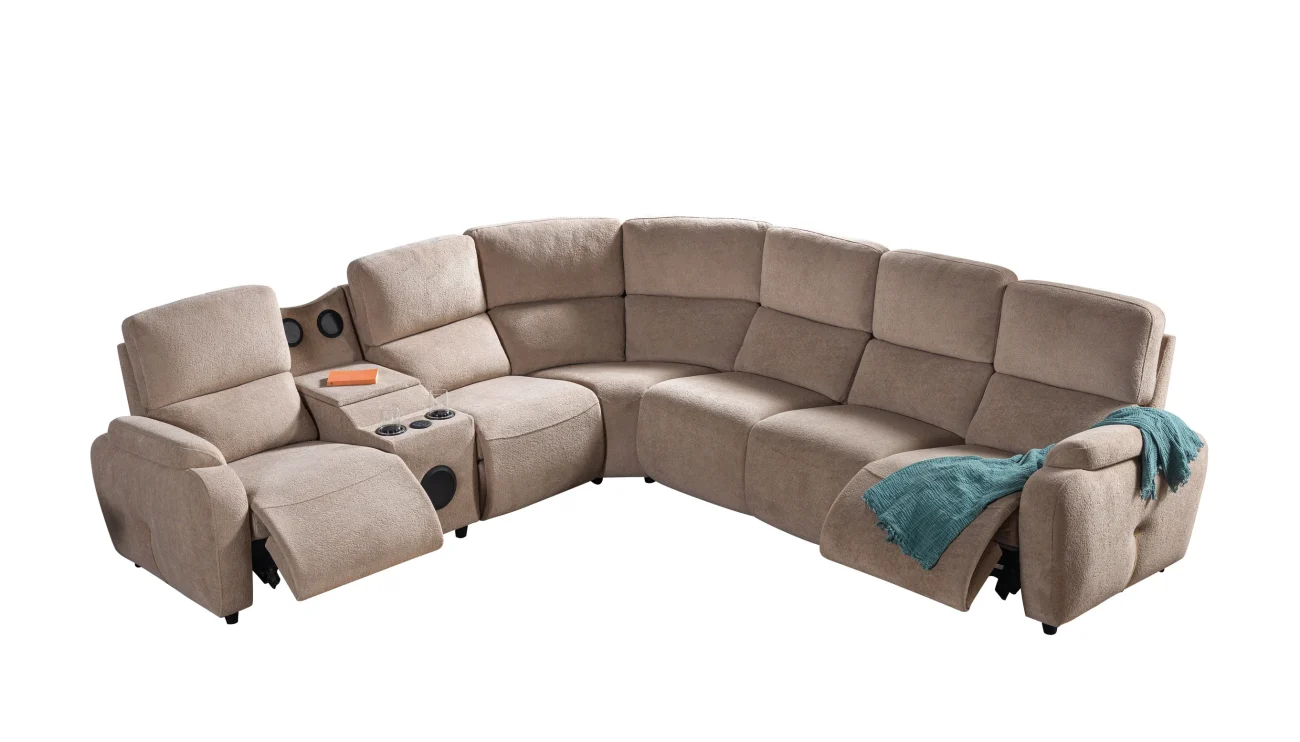
- Recliner sofa sets for residential and hospitality interiors.
- Selected customized seating configurations for specific projects.
CHAIRIUM presents different seating categories through its online product collections. Customers can review the available models and identify products that may correspond to their intended application.
The final selection should always be based on the actual project requirements and the confirmed specifications of the selected model.
3. Prepare Room Plans and Seating Configurations
A seating project should be evaluated in relation to the space where the furniture will be installed.
For residential projects, this may involve measuring the living room, entertainment room or private cinema.
For commercial projects, additional planning may be required for seating rows, aisle access, circulation areas and the relationship between chairs and the viewing screen.
Before confirming a configuration, consider:
- Total available floor area.
- Number of seating positions.
- Width and depth of individual chairs.
- Space required when recliners are fully extended.
- Distance between rows.
- Access routes and doorways.
- Electrical connections for motorized models.
- Cleaning and maintenance access.
Where possible, buyers should provide a floor plan or room layout to support the discussion.
This allows the manufacturer and project team to review the intended arrangement using actual measurements rather than relying only on product photographs.
4. Discuss Product Specifications Before Confirming an Order
Product photographs provide an overview of design and appearance, but technical specifications are necessary for a more complete evaluation.
Before proceeding with an order, request information about the exact product and configuration.
Relevant details may include:
- Overall width, depth and height.
- Seat dimensions.
- Upright and reclined measurements, where available.
- Manual or motorized mechanism.
- Reclining functions and operating controls.
- Frame and upholstery information.
- Electrical requirements.
- Standard equipment and optional accessories.
- Product datasheets and technical drawings.
It is particularly important to confirm whether the technical information refers to the standard model or a customized version.
CHAIRIUM provides product-specific information through its online collections. Buyers should review the latest specifications and request clarification whenever a particular technical detail is important to their project.
5. Coordinate Upholstery, Colours and Customization
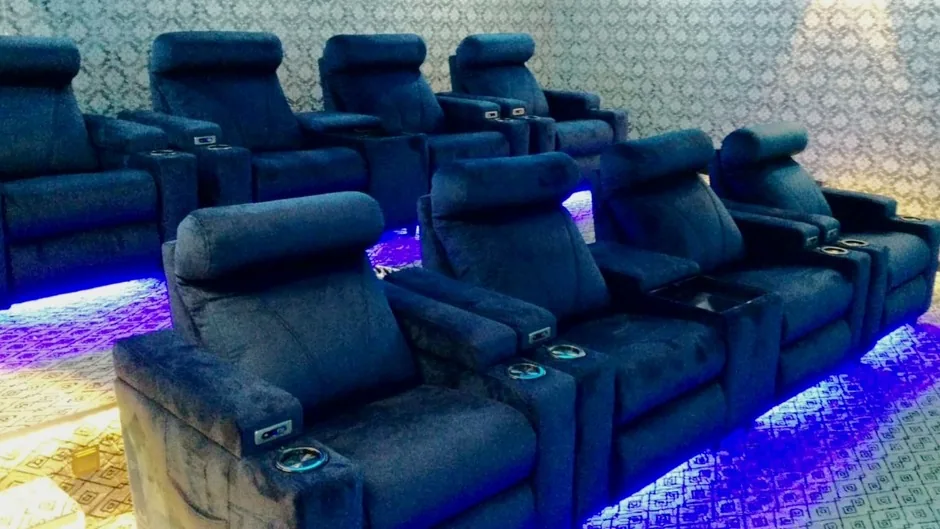
The visual identity of a seating area often depends on the relationship between furniture, lighting, wall finishes, flooring and other interior elements.
A cinema operator may prefer a distinctive VIP appearance, while an architect working on a residential project may require upholstery that complements the wider interior design.
Depending on the selected model and available options, customization discussions may include:
- Fabric and artificial leather selections.
- Genuine leather options, where available.
- Upholstery colours.
- Stitching and finishing details.
- Seat widths.
- Shared or independent armrests.
- Centre modules and seating configurations.
- Selected accessories and additional functions.
- Branding or logo applications, where offered.
CHAIRIUM presents customization possibilities involving fabrics, colours, shapes and seating configurations.
Customers should confirm which options are available for the exact model and request current material information before finalizing their selection.
A written record of the agreed configuration can help reduce misunderstandings during the purchasing process.
6. Create a Clear Product and Quantity Schedule
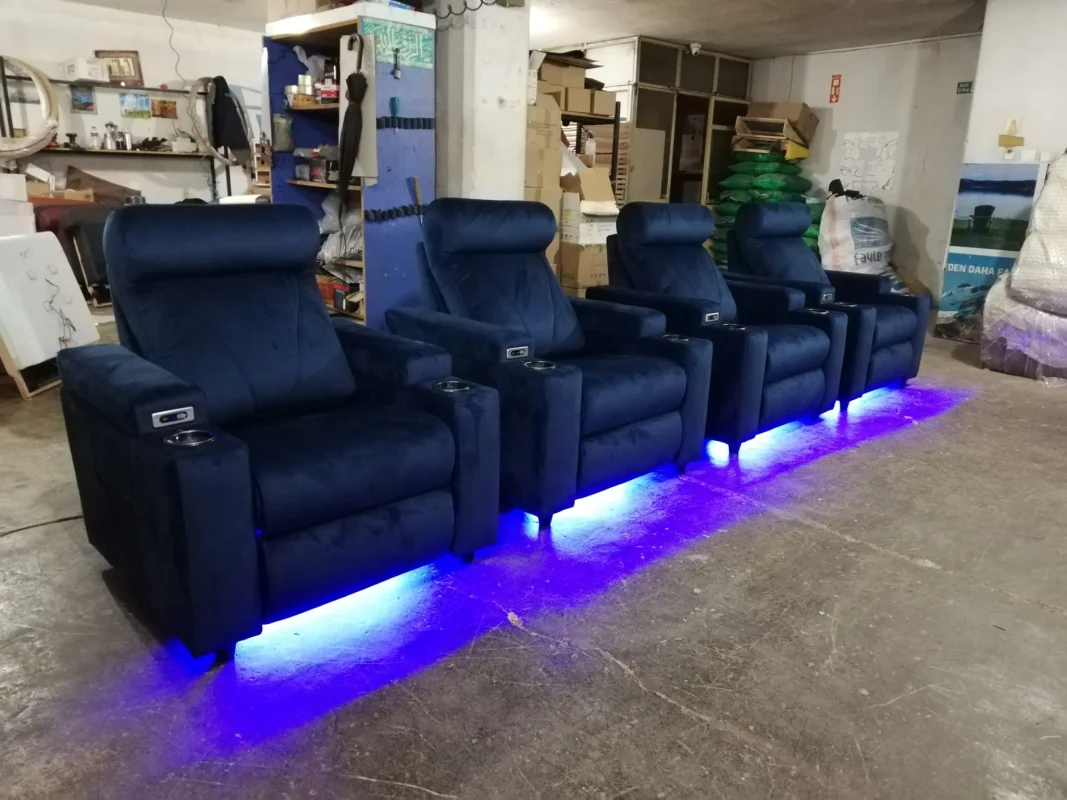
For projects involving multiple seating positions, it is useful to prepare a product schedule.
Instead of discussing the entire project as a single furniture requirement, buyers can list each seating category separately.
A simple schedule may include:
| Seating category | Quantity | Configuration |
|---|---|---|
| Single recliners | As required | Individual seats |
| Double recliners | As required | Two-seat arrangement |
| Triple recliners | As required | Three-seat arrangement |
| VIP cinema chairs | As required | Project-specific rows |
| Customized seating | As required | Confirmed configuration |
The quantities and configurations should be adjusted according to the actual project.
For international distributors and wholesale buyers, this type of schedule can also help organize product enquiries and future purchasing discussions.
7. Review the Quotation and Commercial Details
Once the product requirements are sufficiently clear, the next step is to review the commercial proposal.
A quotation should identify the products being offered and the conditions associated with the order.
Before confirming a purchase, buyers should clarify:
- Exact product models and versions.
- Quantities and seating configurations.
- Upholstery materials and selected colours.
- Standard features and optional accessories.
- Unit prices and total order value.
- Packaging arrangements.
- Delivery destination and shipping arrangements.
- Estimated production and delivery schedule.
- Payment conditions.
- Warranty and after-sales arrangements.
For international purchases, customs responsibilities, transport costs, applicable taxes and other destination-related requirements should also be discussed.
Comparing quotations on an equivalent basis is important. Two offers may differ in materials, accessories, specifications or delivery conditions even when the product descriptions appear similar.
All important commercial conditions should be confirmed directly with the manufacturer before an order is finalized.
8. Organize Communication During the Project
Clear communication helps buyers and manufacturers maintain a shared understanding of project requirements.
For larger seating projects, it is useful to keep the main commercial and technical information organized in one place.
This may include:
- Final product selection.
- Approved technical specifications.
- Upholstery and colour preferences.
- Confirmed quantities.
- Seati