Introduction
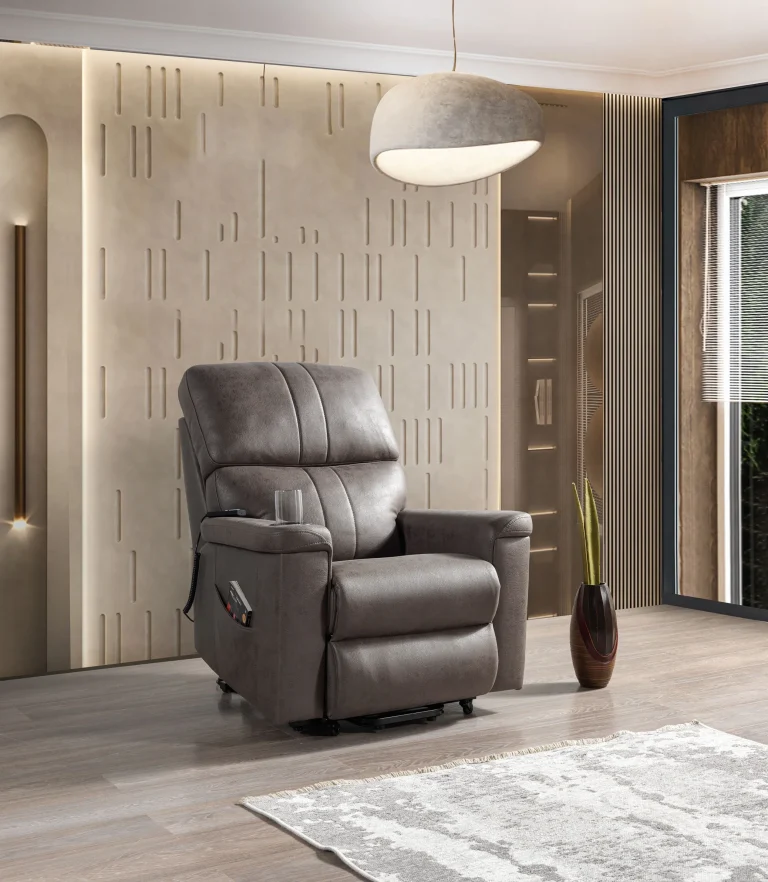
A distinctive interior is created through more than architecture, lighting and decoration. Furniture also plays an important role in expressing the identity of a business. The choice of seating, its colours, upholstery, shape and finishing details can help a space communicate a particular character to its visitors.
For a premium cinema, VIP entertainment venue, hotel, private lounge or other customer-facing environment, seating can become part of the overall brand experience. It can reflect a company’s visual identity, complement its interior concept and create a consistent impression throughout the space.
This is where customisation becomes valuable.
CHAIRIUM brings together premium recliner seating, VIP cinema chairs and project-oriented furniture solutions. Through its official website, chairium.com, customers can explore product collections and learn about possibilities for selecting fabrics, colours, shapes and distinctive design details.
Whether you are developing a new venue, refreshing an existing interior or looking for seating that reflects your company’s identity, the following 18 considerations can help you approach the process with greater clarity.
1. Understand What Your Brand Should Communicate
Before choosing a seating model, consider the impression your business wants to create.
A luxury cinema may want to communicate exclusivity and relaxation. A boutique entertainment venue may prefer a distinctive and contemporary atmosphere. A hotel or private lounge may want its furniture to complement an established interior identity.
These objectives should influence the selection of seating styles, colours, upholstery and finishing details.
The first step is to define the character of the space. Once that direction is clear, it becomes easier to evaluate which CHAIRIUM products and customisation possibilities may be appropriate.
2. Treat Seating as Part of Your Visual Identity
A brand is not represented only by its logo or printed materials. The physical environment can also contribute to how customers recognize and remember a business.
Seating occupies a visible and functional position in many premium interiors. Its appearance can support the wider design language of a venue.
For example, a business may choose a particular colour family, stitching style or upholstery texture that complements its existing brand presentation.
CHAIRIUM’s custom furniture approach gives customers an opportunity to discuss how selected seating products can be adapted to the visual requirements of a project.
3. Explore Custom Upholstery Options
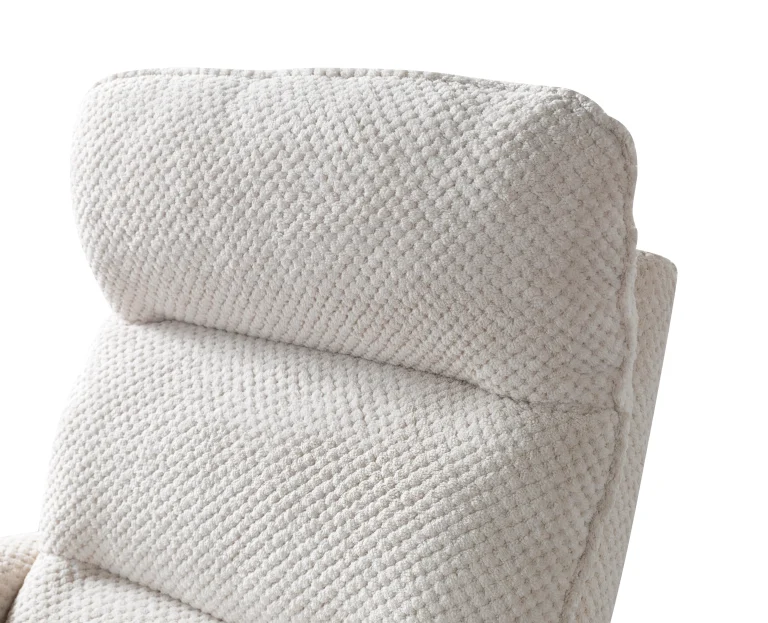
Upholstery is one of the most noticeable elements of a chair.
The selected material influences its appearance, surface character and relationship with the surrounding interior. A project may require a subtle neutral finish, a bold brand colour or a material that complements existing furniture.
CHAIRIUM describes fabric and leather upholstery choices as part of its customisation possibilities.
Customers should review the available materials for the specific model they are considering and request current information about samples, colours and suitability for their intended application.
4. Use Colour to Create a Recognisable Environment
Colour can help establish continuity throughout a venue.
A cinema chain may want its seating to follow a consistent colour direction across different locations. A private entertainment room may use colours that complement its walls, flooring and decorative details.
A hospitality project may prefer a more individual combination that reflects its own identity.
CHAIRIUM’s company information describes the possibility of using a customer’s signature colours in furniture projects.
When discussing a colour requirement, provide a clear reference where possible. A physical sample, colour code or approved design reference can help clarify the intended result. Final colour availability and matching should be confirmed with CHAIRIUM.
5. Consider Your Company Logo as a Design Element
A company logo can be more than a sign placed at the entrance of a venue.
In suitable furniture projects, it may become part of the seating design itself. CHAIRIUM’s official company information describes the possibility of incorporating a company logo into upholstery.
This can be relevant to businesses that want a more distinctive visual identity in VIP cinemas, entertainment venues, private lounges and selected project environments.
The position, size, method and suitability of a logo application should be discussed for the chosen product. The objective is to create a refined result that complements the furniture rather than distracting from its design.
6. Pay Attention to Stitching and Upholstery Patterns
Small details can make a meaningful difference to the appearance of premium seating.
Stitching, panel arrangement and upholstery patterns may contribute to a chair’s overall character. Depending on the project, a simple finish may be preferred, while another interior may benefit from a more decorative approach.
CHAIRIUM’s published company information refers to different upholstery styles, including diamond stitching, flat finishes, button tufting and Chesterfield-inspired detailing.
Not every technique will necessarily be available for every product. Customers should confirm the options for their chosen model and request examples before approving a final specification.
7. Coordinate Seating with the Architecture
Custom seating should look as though it belongs naturally within the space.
The relationship between furniture and architecture includes more than colour. Shape, proportions, visual weight and finishing details all contribute to the final result.
A contemporary cinema may require a different design direction from a classic private lounge. A hotel project may need seating that complements existing architectural features.
When contacting CHAIRIUM, customers can share photographs, interior references and architectural drawings to explain the intended atmosphere.
These references help establish a clearer starting point for discussing suitable products and possible customisation.
8. Explore Distinctive Shapes and Design Details
Some projects require furniture with a particular visual character.
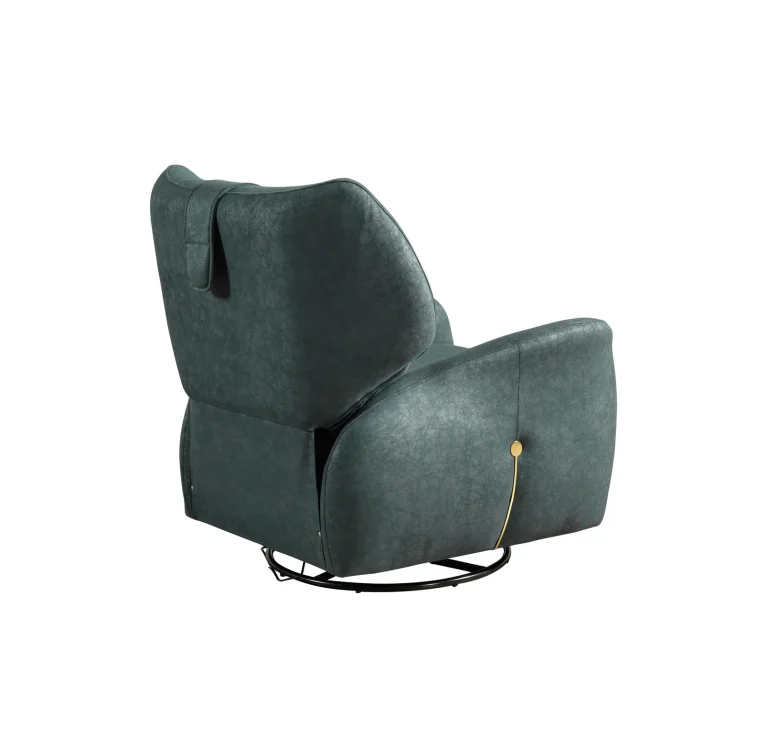
The shape of an armrest, the appearance of a side panel, the form of a wooden detail or the overall silhouette of a chair may influence how well it fits the interior.
CHAIRIUM’s company information describes possibilities for customised shapes and selected wooden design details.
For projects with a strong design concept, it is useful to identify which features are essential and which are optional preferences.
A clear reference image or drawing can help communicate the intended direction. Final technical feasibility must be reviewed with CHAIRIUM.
9. Maintain Consistency Across Multiple Seating Areas
A venue may include several different types of seating.
For example, a premium entertainment project may have individual recliners, double seating, VIP sections and a separate lounge area.
These products do not necessarily need to be identical. However, they can follow a coordinated design language through colour, upholstery, stitching and selected visual details.
CHAIRIUM’s product collections include different seating formats that customers can investigate when developing a project.
The final selection should balance the purpose of each area with the overall identity of the venue.
10. Choose Customisation According to the Intended Audience
A seating design should reflect the people who will use the space.
A premium cinema may serve regular visitors and VIP guests. A private entertainment venue may be designed for a particular group of family members or invited guests. A hospitality project may need to complement the expectations of its own customer base.
Understanding the audience helps determine whether the design should be understated, distinctive, formal or more expressive.
Customisation should support the experience that the business wants to provide rather than simply adding decorative features.
11. Balance Appearance with Everyday Practicality
A distinctive design must also be appropriate for its intended use.
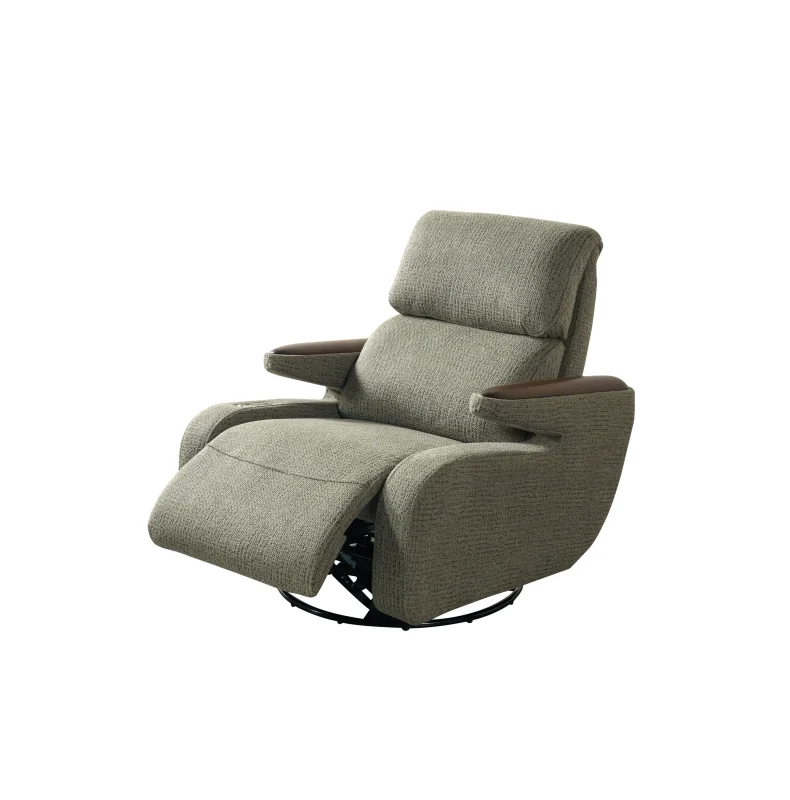
When choosing upholstery, customers should consider the expected frequency of use, cleaning requirements and the operating environment.
The same principle applies to decorative details and special finishes. They should be evaluated in relation to the way the furniture will be used and maintained.
CHAIRIUM can provide product-related information to help customers discuss their requirements. Material suitability and care instructions should be confirmed for the selected model and finish.
12. Personalise Different Product Configurations
Customisation is not limited to a single chair format.
A project may involve individual recliners, double seating, triple configurations or larger sofa arrangements. The preferred visual identity can be considered across the different furniture types used within the same environment.
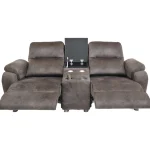
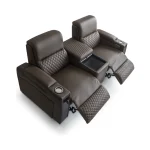
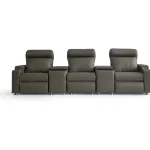
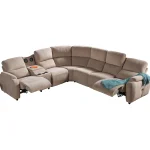
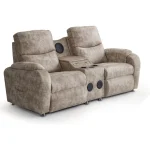
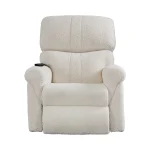
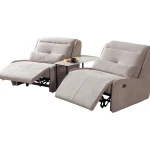
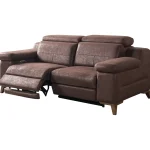
CHAIRIUM’s online collections allow customers to explore a range of single, double and triple recliners, as well as selected sofa and corner configurations.
For example, the Alis Double VIP product page presents configuration and upholstery information that can help customers understand some of the possibilities available within the range.
Explore the model: https://www.chairium.com/products/alis-double-vip-vip-recliner-seats
13. Think About Brand Consistency Across Different Locations
Businesses with more than one venue may want to maintain a recognisable appearance.
A cinema operator, entertainment company or hospitality group may have several locations with different architectural conditions. The seating design can help establish a common visual identity while allowing each project to respond to its own space.
A coordinated specification may include selected colours, upholstery preferences and recurring design details.
The exact products and finishes should be reviewed for each location. CHAIRIUM can be contacted to discuss the intended project scope and the available options.
14. Use Product Pages to Compare Design Possibilities
Product photographs provide a useful first impression, but customers should also review the product descriptions and technical information.
When comparing CHAIRIUM models, consider:
- Overall design and silhouette.
- Available upholstery options.
- Colour choices.
- Stitching and decorative details.
- Single, double or other configurations.
- Product dimensions.
- Reclining mechanism and listed functions.
- Available optional features.
- Suitability for the intended project.
This comparison helps separate visual preferences from technical requirements and makes the selection process more structured.
15. Prepare Visual References Before Requesting Customisation
A clear visual reference can make a design discussion more productive.
Customers may prepare:
- Their company logo in a suitable digital format.
- Brand colour references or colour codes.
- Photographs of the existing interior.
- Preferred upholstery examples.
- Sketches showing the desired appearance.
- Images of stitching or decorative details.
- The preferred CHAIRIUM product or series.
These references help explain what the customer has in mind.
The company can then review the request in relation to the selected product and advise which details can be considered.
16. Ask for Confirmation Before Approving the Final Design
A customised product should be evaluated using clear and agreed specifications.
Before approving a project, confirm the selected model, dimensions, upholstery, colours, stitching, logo application and any other requested details.
It is also important to clarify which features are standard and which may require a separate option or project-specific arrangement.
Customers should request confirmation of the final specification and any relevant visual or technical documentation before proceeding.
This creates a clearer understanding between the customer and CHAIRIUM.
17. Make the Most of CHAIRIUM’s Online Resources
The official CHAIRIUM website provides several ways to continue product research.
Customers can explore the product collection, review individual model pages, examine available photographs and access the electronic catalogue.
The catalogue is particularly useful for comparing product series and reviewing information such as versions, dimensions, options and colours where provided.
Useful official resources include:
- Product collections: https://www.chairium.com/auditorium-chair-products
- VIP cinema chairs: https://www.chairium.com/products/vip-cinema-chairs
- Recliner collections: https://www.chairium.com/products/tag/recliners
- Electronic catalogue: https://www.chairium.com/e-catalog
- Company information: https://www.chairium.com/auditorium-chair-cinema-chair-manufacturer-company
- Product videos: https://www.chairium.com/videos
These pages provide a convenient starting point for customers researching CHAIRIUM from different locations.
18. Discuss Your Brand Identity Directly with CHAIRIUM
Every project has its own priorities.
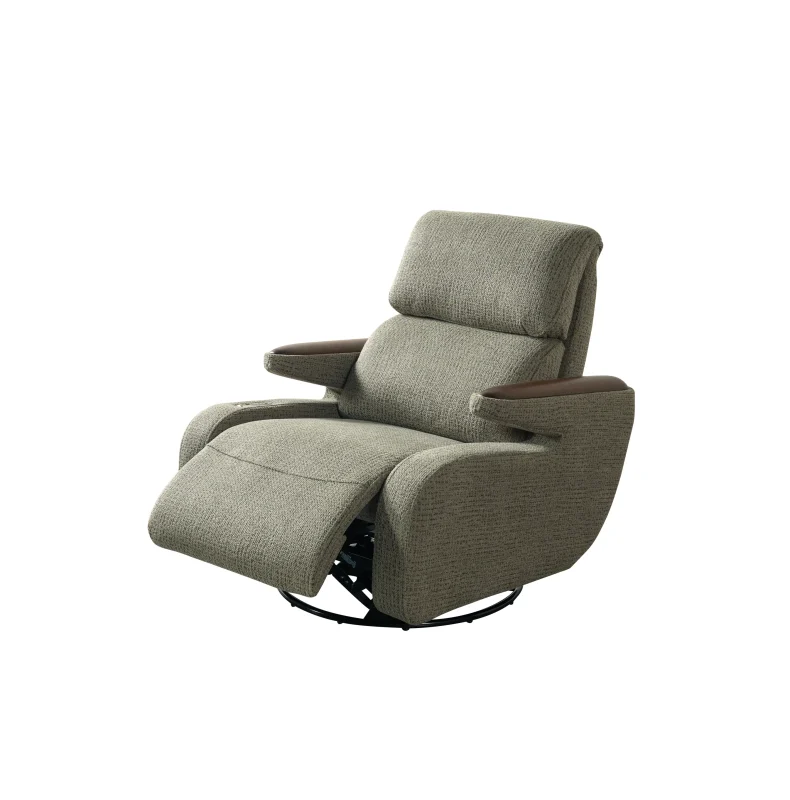
Some customers may want a particular upholstery colour. Others may be interested in logo applications, distinctive stitching, wooden details or a coordinated selection of seating for several areas.
The most useful approach is to explain the project clearly and identify which customisation details matter most.
When making an enquiry, include the intended application, preferred product models, approximate quantities, project location and available design references.
CHAIRIUM can then review the request and discuss the relevant product and customisation possibilities.
Make your seating part of your brand story. Explore the CHAIRIUM collections and discuss your project directly through the official website.
Official website: https://www.chairium.com/
CHAIRIUM — Premium Seating Solutions, Distinctive Design and Personalised Project Possibilities.