




1. A Successful Seating Project Requires More Than Choosing a Chair
A seating project can begin with a simple idea: a homeowner wants to create a private cinema, an architect is designing an entertainment room, or a cinema operator is planning a new VIP seating area.
As the project develops, more people may become involved. The customer, designer, purchasing team, technical staff and business partners may each have different questions and priorities.
One person may focus on appearance, another on dimensions, and another on the product configuration or project budget.
The challenge is to bring these requirements together and establish a clear direction.
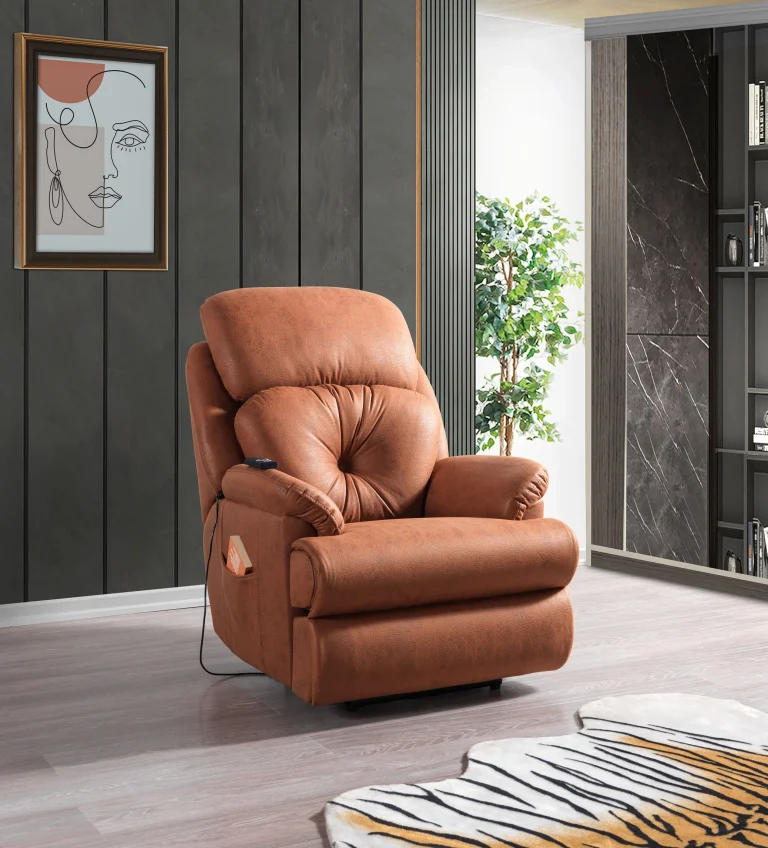
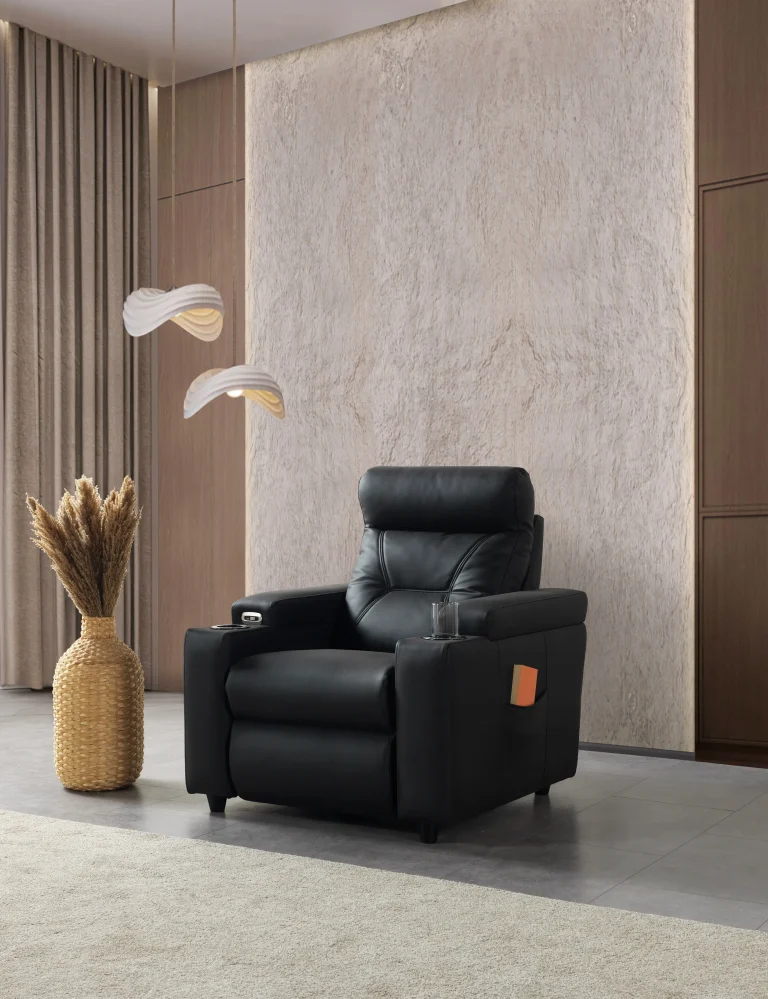
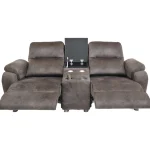
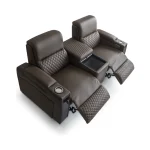
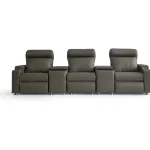
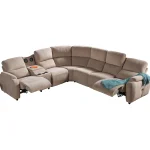
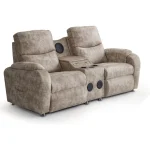
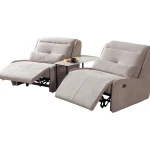
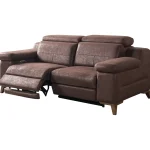
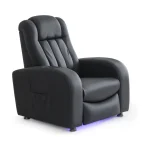
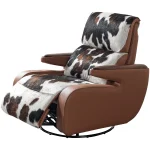
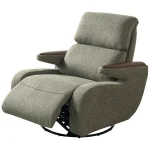
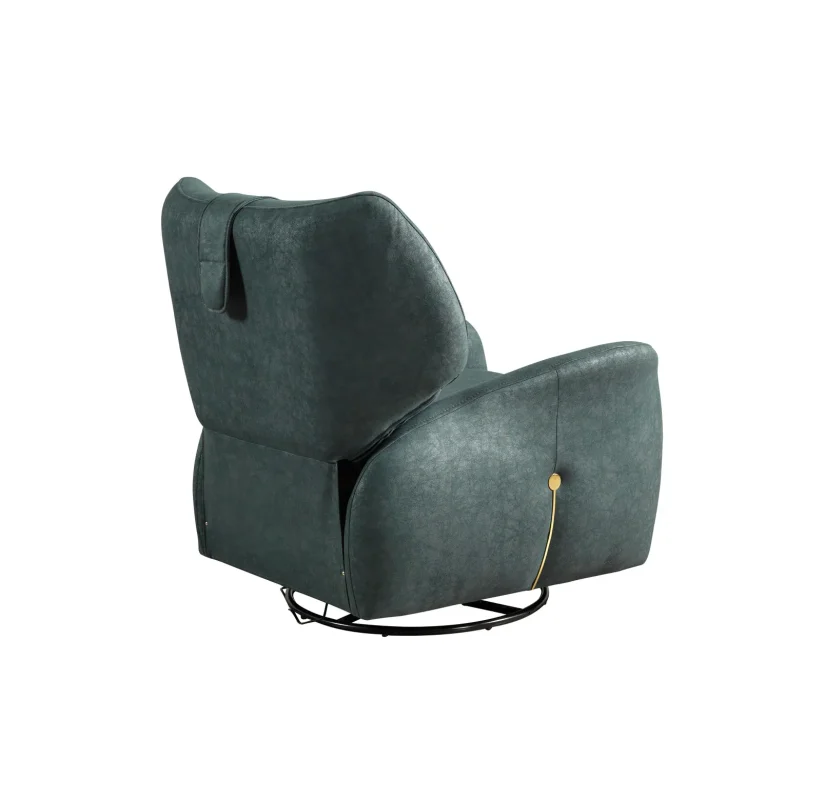
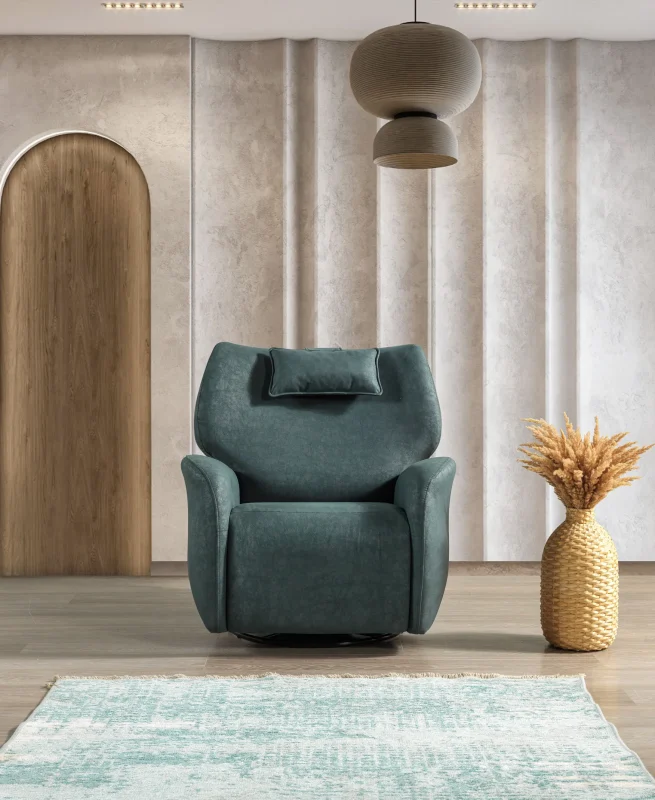
CHAIRIUM offers premium recliner seating, VIP cinema chairs and tailored seating possibilities for residential and commercial environments.
Customers can begin their research through the official website:
2. Identify Everyone Involved in the Decision
Before comparing products, it is useful to understand who will participate in the project.
A residential project may involve the homeowner, an architect and an interior designer.
A commercial project may include a business owner, cinema operator, purchasing manager, project consultant and installation team.
An international project may also involve an importer, distributor or local business partner.
Each participant may need different information:
- The owner wants to understand the overall solution.
- The designer needs product dimensions and visual references.
- The purchasing team needs clear product specifications.
- The technical team needs configuration and installation information.
- The business partner may need catalogue details and commercial communication.
Identifying these roles helps prevent important questions from being overlooked.
3. Establish One Clear Description of the Project
When several people discuss the same seating project, misunderstandings can arise if everyone uses different descriptions.
For example, one person may refer to a private cinema, while another describes a general entertainment room. A purchasing team may discuss a double recliner while the designer is planning individual seating positions.
A short project description can provide a common reference.
It should explain:
- The type of environment.
- The intended use of the seating.
- The approximate number of users.
- The preferred seating category.
- The people responsible for the decision.
- The main requirements that need to be confirmed.
This description does not need to be a complete technical document. Its purpose is to ensure that everyone is discussing the same project.
4. Separate Essential Requirements from Personal Preferences
Not every preference has the same importance.
A room dimension may be an essential requirement, while a particular upholstery colour may remain flexible.
Similarly, the required number of seats may be fixed, but the final arrangement could change after reviewing the available space.
A useful way to organize the discussion is to divide requirements into three groups:
Essential requirements: Conditions that must be satisfied, such as available space, seating quantity or intended application.
Preferred features: Options that the customer would like to have, such as motorized reclining, USB connections or particular accessories.
Open decisions: Details that still need discussion, such as upholstery colour, final configuration or the selection between two product models.
This distinction helps the project team concentrate on the decisions that matter most.
5. Explore CHAIRIUM Product Collections Together
Once the general requirements are understood, the next step is to examine the relevant product categories.
CHAIRIUM provides different seating series and configurations, including single, double and triple recliners and selected sofa or corner arrangements.
Instead of selecting a product based on one photograph alone, project participants should compare the available product information.
They can review:
- Overall product design.
- Seating configuration.
- Published dimensions.
- Upholstery alternatives.
- Available functions.
- Model-specific options.
The official product collection provides a common reference for everyone involved.
Explore the collection: https://www.chairium.com/auditorium-chair-products
6. Create a Shortlist Before Making a Final Selection
Comparing too many products at once can make a project discussion unnecessarily complicated.
A shortlist of two or three relevant models can make the next conversation more productive.
For each shortlisted model, record:
- Product name.
- Product page link.
- Seating configuration.
- Published dimensions.
- Preferred upholstery.
- Required functions.
- Questions that remain unanswered.
This gives the project team a practical comparison document.
If the participants disagree about a product, they can refer to the same official product page rather than relying on different photographs or descriptions.
7. Confirm the Space and Seating Layout
A product that appears suitable in a photograph may not fit the intended room.
Before confirming the selection, the project team should examine the available space and the dimensions of the chosen model.
Important considerations include:
- Room width and length.
- Doorways and access routes.
- Seating row arrangements.
- Space required for reclining movement.
- Walking routes between seats.
- Screen or viewing position.
- Any architectural restrictions.
For larger projects, drawings and room photographs can help communicate the layout.
The selected product dimensions and configuration should be confirmed through the relevant CHAIRIUM product information and direct communication with the company.
8. Coordinate Upholstery, Colours and Interior Design
The visual appearance of the seating should be considered alongside the rest of the environment.
An interior designer may prefer a particular colour family, while the customer may have a different preference.
The project team should discuss the available upholstery materials, colours and finishes for the selected model.
Useful reference points include:
- Wall and floor finishes.
- Existing furniture.
- Lighting arrangements.
- Curtains and decorative materials.
- The desired atmosphere of the room.
- The intended use of the seating area.
CHAIRIUM offers upholstery alternatives on selected models. The availability of fabric, artificial leather and genuine leather options should be checked for the specific product.
Where possible, customers should request additional material information before finalizing the choice.
9. Agree on the Required Functions and Accessories
Different project participants may have different expectations about recliner functions.
The homeowner may want a simple reclining chair, while a cinema operator may be interested in additional features.
Depending on the selected model, customers may wish to discuss:
- Manual or motorized reclining.
- Shared or independent armrests.
- Centre consoles.
- Cup holders.
- USB connections.
- LED lighting.
- Massage functions.
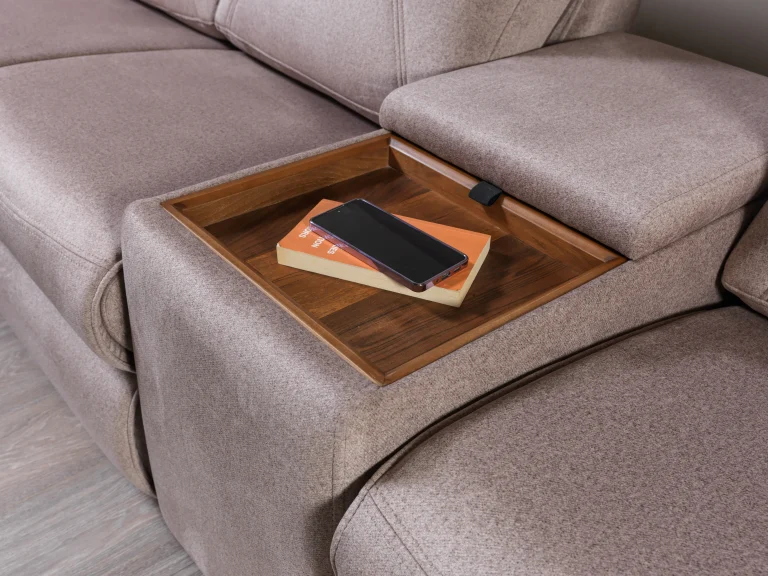
- Tray tables and other available accessories.
Not every feature is standard or available on every model.
A project specification should clearly distinguish between required functions, preferred options and features that still need confirmation.
This prevents assumptions from becoming part of the final product description.
10. Give Each Participant the Information They Need
A project becomes easier to coordinate when information is shared in a useful format.
The designer may need a product photograph and dimensions. The purchasing team may need the exact model name and configuration. The owner may want to compare the overall appearance of two alternatives.
The same product information can be presented differently without changing the underlying specification.
For example:
- Share the official product page with the project owner.
- Share the technical datasheet with the designer.
- Share the product name and configuration with purchasing.
- Share relevant product videos with people who need to understand the reclining functions.
- Keep the original CHAIRIUM links in the project record.
This approach helps maintain a common understanding throughout the discussion.
11. Use the CHAIRIUM E-Catalogue as a Shared Reference
When several models are being considered, the electronic catalogue can help project participants review product information in one place.
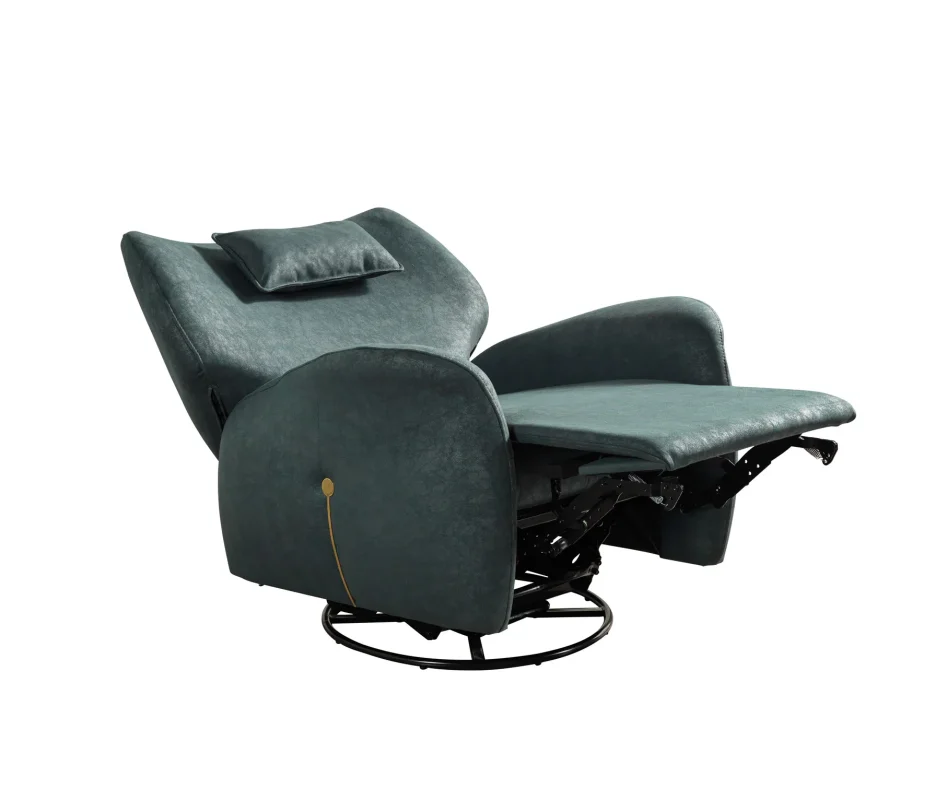
The CHAIRIUM E-Catalogue provides series datasheets and published product details.
It can support discussions about:
- Product series.
- Different model versions.
- Dimensions.
- Available configurations.
- Product options.
- Upholstery and colour references where published.
Architects, interior designers, purchasing teams and business partners can use the catalogue as a shared reference when preparing their questions.
Official E-Catalogue: https://www.chairium.com/e-catalog
For final project decisions, customers should confirm the latest specifications and availability directly with CHAIRIUM.
12. Use Product Videos to Improve Communication
A photograph can show the design of a recliner, but a video may help participants understand how selected functions operate.
This can be useful when the customer and project team are communicating remotely.
For example, an architect may share a video with the client, or a cinema operator may use it to discuss a model with other decision-makers.
CHAIRIUM’s official video section provides product presentations that can support this process.
Watch CHAIRIUM Videos: https://www.chairium.com/videos
Videos should be used alongside product pages and technical information. They do not replace confirmation of dimensions, specifications or available options.
13. Prepare a Project Specification That Everyone Can Understand
Once the main decisions have been discussed, it is useful to prepare a single project specification.
The document can include:
- Project name or reference.
- Customer or company name.
- Intended seating environment.
- Preferred CHAIRIUM product models.
- Required quantity.
- Seating configurations.
- Published product dimensions.
- Preferred upholstery materials.
- Colour references.
- Required functions and accessories.
- Room drawings or photographs.
- Questions requiring confirmation.
This specification should identify which details are confirmed and which remain open.
A clear document helps reduce repeated questions and makes it easier to continue the project discussion after a break.
14. Manage Changes Without Losing the Original Requirements
Project requirements can change.
A customer may revise the seating quantity after reviewing the room layout. An architect may suggest a different arrangement. A purchasing team may ask for an alternative model.
Changes should be recorded clearly.
A useful process is to:
- Identify the detail that has changed.
- Record the previous requirement.
- Explain the reason for the change.
- Update the relevant product or configuration reference.
- Check whether the change affects other project decisions.
- Share the updated information with the people involved.
Keeping earlier versions of the project specification can also help participants understand how the final requirements developed.
Where a change affects product availability, dimensions or technical details, the customer should reconfirm the information with CHAIRIUM.
15. Prepare Commercial and Purchasing Questions Separately
Commercial discussions often involve information that is different from the design specification.
A purchasing team may need to discuss quantity, quotation details, delivery arrangements and project timing.
An international business partner may also need to introduce the company, explain the intended market and discuss possible cooperation.
These subjects should be organized clearly rather than mixed with unrelated design questions.
A commercial enquiry may include:
- Customer or company details.
- Country and project location.
- Selected product references.
- Estimated quantity.
- Required configuration.
- Requested quotation information.
- Relevant project documentation.
- Any questions about commercial cooperation.
Commercial terms, lead times and delivery arrangements should be confirmed directly with CHAIRIUM for the specific enquiry.
16. Establish a Clear Pre-Order Review
Before moving forward with a purchase or project order, the participants should review the important details together.
A practical review may include:
- Correct product model and version.
- Confirmed seating quantity.
- Agreed configuration.
- Dimensions and layout suitability.
- Upholstery and colour references.
- Required functions and accessories.
- Relevant technical information.
- Outstanding questions.
- Confirmed commercial details.
The purpose is to identify differences between the original request and the final specification.
If something remains uncertain, it should be clarified before the project proceeds.
Customers should rely on the latest confirmed information from CHAIRIUM rather than older notes or informal assumptions.
17. Continue the Project Communication Through Official CHAIRIUM Channels
A project may involve participants located in different cities or countries.
Some customers may communicate with CHAIRIUM directly, while others may have an architect, purchasing representative or business partner coordinating the enquiry.
The official CHAIRIUM website provides a central point for product research and company communication.
Customers can use the official contact page to introduce their project and share the relevant product references.
A well-prepared enquiry can include:
- A brief project description.
- The selected product links.
- The current seating specification.
- Drawings or room photographs, if relevant.
- The questions that require clarification.
- The preferred method of contact.
Official Contact Page: https://www.chairium.com/contact-chairium-auditorium-chairs-manufacturer
For company background and additional information, visitors can also consult:
18. Frequently Asked Questions: Coordinating a CHAIRIUM Seating Project
Can several people participate in the same seating enquiry?
Yes. A customer can coordinate information from designers, purchasing staff, project managers and other decision-makers before contacting CHAIRIUM.
Do we need to select the exact model before starting?
No. You can begin with the intended application, room dimensions and general preferences. The product collections can help you identify relevant alternatives.
How can we prevent confusion between similar products?
Use the exact product name, official product page and relevant catalogue datasheet in your project documents.
What should an architect prepare before discussing seating?
Useful information includes room drawings, dimensions, intended seating capacity, preferred configurations, upholstery preferences and product references.
Can the project specification change during the discussion?
Yes. Changes should be recorded and shared with the relevant participants. Any affected product specifications should be reconfirmed with CHAIRIUM.
Can international project teams communicate remotely?
Customers and business partners in different locations can use the official website and contact channels to begin and continue their enquiries.
Where can we find technical product information?
Start with the individual product pages and the official E-Catalogue.
Can we use product videos during internal project discussions?
Yes. CHAIRIUM’s official video section can help participants understand the appearance and operation of selected models.
Explore CHAIRIUM’s Official Resources
- Official Website: https://www.chairium.com/
- Product Collections: https://www.chairium.com/auditorium-chair-products
- Recliner Collection: https://www.chairium.com/products/tag/recliners
- VIP Cinema Seating: https://www.chairium.com/products/tag/vip-cinema-chairs
- E-Catalogue: https://www.chairium.com/e-catalog
- Product Videos: https://www.chairium.com/videos
- Company Information: https://www.chairium.com/auditorium-chair-cinema-chair-manufacturer-company/who-are-we
- Contact and Project Enquiries: https://www.chairium.com/contact-chairium-auditorium-chairs-manufacturer
Conclusion: Better Coordination Creates a Clearer Seating Project
A successful seating project depends on more than finding an attractive product. It requires a clear understanding of the environment, the people involved, the product specifications and the decisions that must be made.
Whether the project concerns a private home cinema, a residential interior, a VIP cinema area, a hospitality environment or an international commercial opportunity, clear communication helps bring the requirements together.
CHAIRIUM provides product collections, catalogue information, videos and official contact resources to support customers throughout their product research and project discussions.
Start with the intended use, identify the relevant products, organize the requirements and keep the official product references available.
CHAIRIUM — Premium Recliner Seating, VIP Cinema Chairs and Tailored Seating Solutions.
One project. Clear requirements. Coordinated decisions. Explore the possibilities with CHAIRIUM.