
Introduction
Every seating environment is used by people with different preferences, physical requirements, daily routines and expectations. A seating arrangement that works well for one person may not provide the same experience for another.
For this reason, inclusive seating design should consider more than appearance. It should examine how people approach a chair, sit down, adjust their position, use its functions and move around the surrounding space.
This is relevant to private homes, home cinemas, hotels, hospitality environments, VIP entertainment areas and other spaces where seating plays an important role in everyday activities.
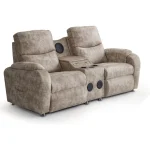
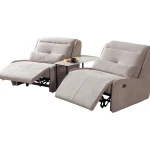
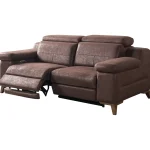
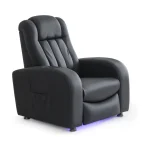
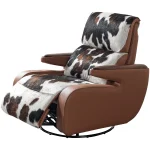
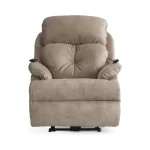
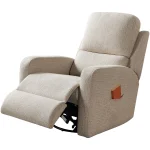
CHAIRIUM offers a range of recliner chairs, VIP cinema seats and different seating configurations. Its collection includes motorized, manual and selected lift-recliner models, allowing buyers to explore different seating functions according to their project requirements.
This article presents 18 important considerations for planning more inclusive seating environments and evaluating CHAIRIUM recliner solutions.
1. Begin with the People Who Will Use the Space
The first step in inclusive seating design is understanding the intended users.
A private family entertainment room may be shared by adults, children and older family members. A hotel lounge may serve guests with different preferences and mobility requirements. A cinema environment may welcome visitors who need different seating arrangements.
Project planners should consider the people who will use the space before selecting furniture.
The objective is to create a seating environment that offers appropriate choices rather than assuming that one chair design will meet every requirement.
2. Provide More Than One Seating Option
Different users may prefer different seating positions and operating arrangements.
Some people may prefer a traditional stationary chair, while others may appreciate a reclining function. Certain environments may also benefit from a lift-recliner option.
Offering a selection of seating types can make a space more flexible.
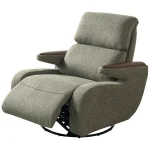
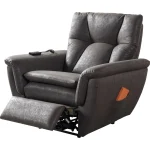
CHAIRIUM’s product range includes different recliner designs and mechanisms that buyers can compare when planning a project.
3. Understand the Role of Lift Recliners
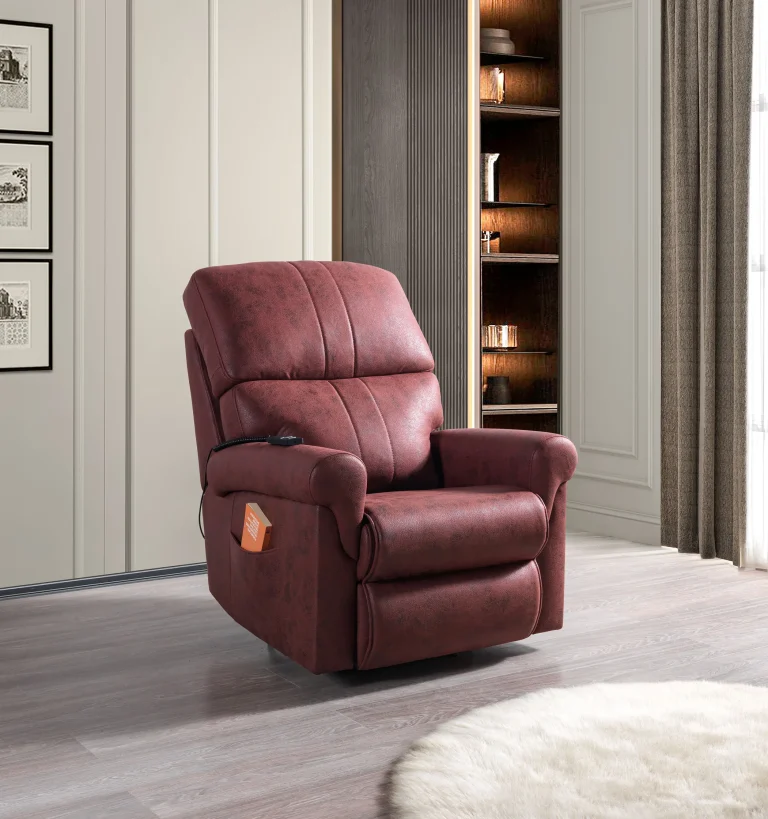
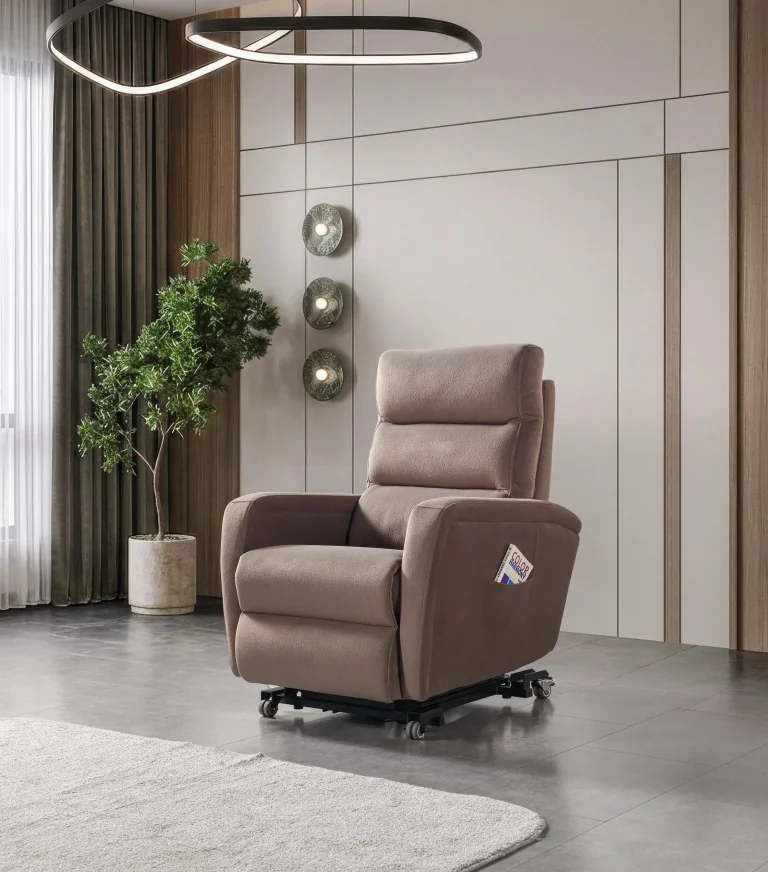
Lift recliners are designed with a mechanism that assists the chair in changing position.
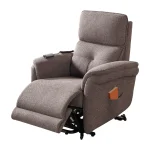
CHAIRIUM’s Ekol Lift Recliner, for example, lists motorized reclining and a standard lift function among its key features.
This type of product may be worth evaluating for environments where users are interested in a chair with a lifting mechanism.
However, the suitability of a particular model depends on the individual user’s requirements. Buyers should review the product specifications and discuss any specific needs with the manufacturer before making a decision.
4. Evaluate Seat Height and Sitting Position
Seat height can influence how a person approaches and uses a chair.
The relationship between seat height, leg position, armrest height and the user’s preferred sitting posture should be considered during product selection.
Where a project serves a wide range of users, it may be useful to compare different chair models and dimensions.
Buyers should consult the technical drawings and measurements for the selected CHAIRIUM model rather than relying on product photographs alone.
5. Consider Seat Width and Personal Space
A suitable seating width is an important part of the overall experience.
Users may have different preferences regarding personal space, armrest positions and the amount of room available around their seats.
Some CHAIRIUM models describe customizable seat-width options. This can be relevant when evaluating a seating project with particular dimensional requirements.
The available customization should always be confirmed for the selected model.
6. Make Access Routes Part of the Design
A seating arrangement should not be evaluated only by counting how many chairs fit into a room.
People also need sufficient space to approach their seats, move around the furniture and use the reclining function.
Project planners should review:
- Entrance and exit routes.
- Walkways between seating areas.
- Space around armrests.
- Reclining clearance.
- Access to controls and accessories.
- The position of nearby furniture.
For public and commercial environments, applicable accessibility and building regulations should be reviewed by qualified project professionals.
7. Review Armrest Design and Support
Armrests influence the way a person interacts with a chair.
Their height, width, shape and position can affect how users rest their arms and approach the seating area.
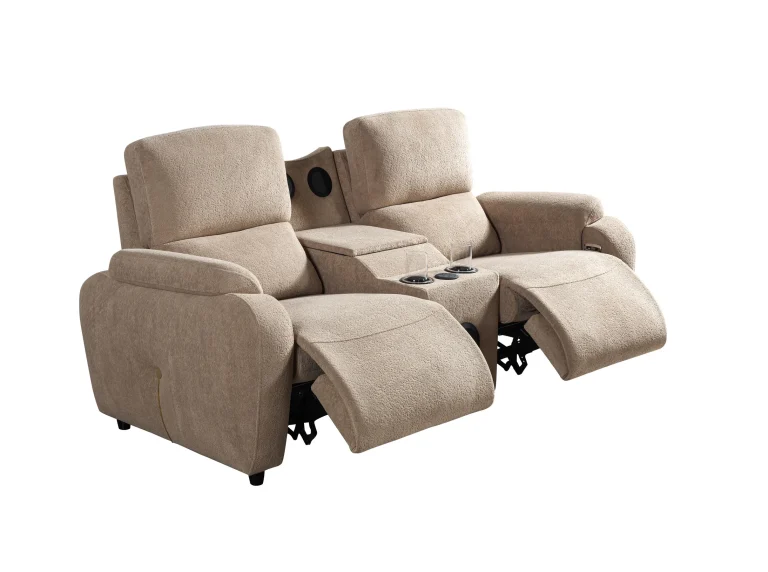
Some CHAIRIUM models offer different configuration arrangements, including shared armrests, centre modules and loveseat-style options without a central armrest or module.
These alternatives can be evaluated according to the intended seating arrangement and user preferences.
8. Choose Between Manual and Motorized Reclining
Manual and motorized recliners provide different operating experiences.
A manual recliner uses a mechanical operating arrangement, while a motorized model uses an electrical mechanism to adjust the chair.
CHAIRIUM offers examples of both types. The Lena Manual Single is listed with manual reclining, while models such as Alen Single feature motorized reclining.
When comparing these options, buyers should consider the intended users, control preferences, electrical requirements and product specifications.
9. Make Controls Easy to Understand
The way a chair is operated is part of its usability.
Users should be able to understand the function of the available controls and identify how to adjust the chair.
For motorized models, project teams should review the location and arrangement of the buttons or remote controls.
Clear operating instructions can also help visitors and household members use the seating correctly.
10. Consider Different Reclining Positions
People may use recliners for different activities.
One person may prefer an upright position for reading or conversation, while another may prefer a more relaxed position for watching a film.
The reclining range and operating method should therefore be reviewed according to the intended application.
Buyers should check the available reclining specifications of each CHAIRIUM model and confirm whether the movement meets the project’s requirements.
11. Review Upholstery According to User Preferences
Upholstery influences both the appearance and the everyday interaction with a chair.
Some users may prefer fabric, while others may choose artificial leather or genuine leather where available.
CHAIRIUM presents different upholstery options across selected products.
When choosing a material, project teams should consider the intended environment, user preferences, cleaning requirements and manufacturer’s care instructions.
12. Consider Colour and Visual Clarity
Colour selection can influence how a seating area looks and how it relates to the surrounding interior.
A coordinated colour scheme may help create a consistent appearance throughout a home, hotel or entertainment venue.
For some projects, contrasting colours may also help distinguish seating zones and furniture elements.
CHAIRIUM presents colour choices for selected products, allowing buyers to explore alternatives when planning their interior concept.
13. Plan for Different Activities and Daily Routines
A recliner may be used for reading, watching television, resting, enjoying a private cinema experience or spending time with family.
The intended activities should influence the selected chair and its configuration.
For example, a private entertainment room may prioritize reclining functions and selected accessories, while a reading area may focus on an appropriate sitting position and the relationship between the chair and lighting.
The best product choice depends on the purpose of the space.
14. Review Accessories Without Making Them the Main Priority
Accessories can add useful functions to selected recliner models.
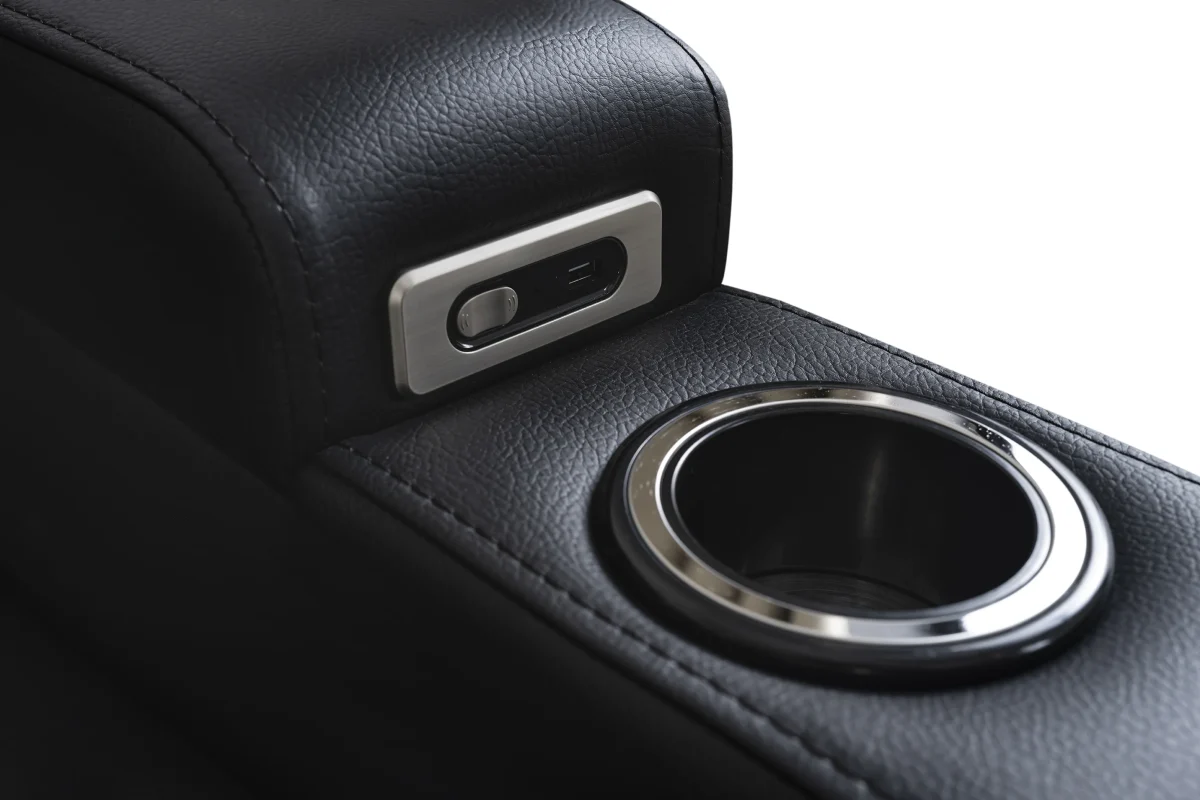
Depending on the product, CHAIRIUM lists features such as USB ports, cup holders, LED lighting, massage functions and tray tables.
These features should be evaluated according to actual user requirements.
A project does not necessarily need every available accessory. The priority should be selecting functions that make the seating environment more convenient and appropriate for its intended use.
15. Consider Seating for Shared and Multi-User Environments
Some seating areas are used by individuals, while others are shared by couples, families or groups.
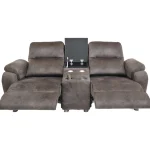
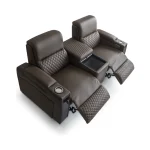
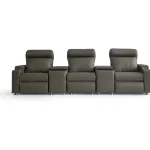
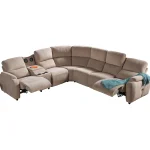
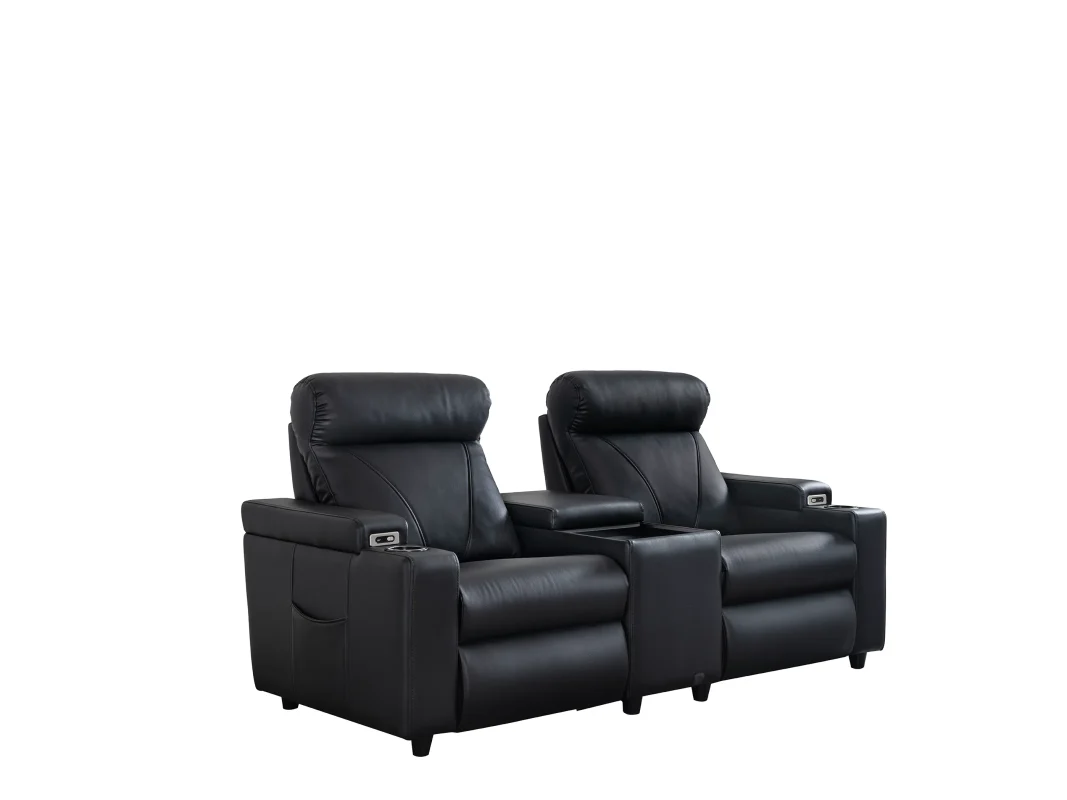
CHAIRIUM’s collections include single, double and selected triple seating configurations, as well as larger recliner arrangements.
When planning shared seating, buyers should review the relationship between individual seating positions, armrests, centre modules and reclining movement.
The final arrangement should reflect both the available space and the expected use of the area.
16. Include Maintenance and Operating Instructions in the Plan
Inclusive seating design also involves considering how the furniture will be maintained and operated over time.
Cleaning instructions, upholstery care, mechanical inspection and access to product documentation should be considered before the project is completed.
The people responsible for maintaining the space should understand the manufacturer’s recommendations for each selected model.
For commercial environments, a clear maintenance procedure can help staff manage the seating consistently.
17. Confirm Product Suitability Before Ordering
Product photographs and general descriptions are useful starting points, but they cannot replace a detailed review of technical specifications.
Before ordering, buyers should confirm:
- Product dimensions.
- Seat height and width.
- Reclining mechanism.
- Lift function, where applicable.
- Control arrangement.
- Upholstery options.
- Standard and optional features.
- Electrical requirements.
- Intended application.
Where a project involves particular mobility or accessibility requirements, those requirements should be assessed independently by qualified professionals.
A product should not be assumed to meet a particular accessibility standard unless the relevant compliance information has been verified.
18. Discuss Individual Project Requirements with CHAIRIUM
Every seating project has its own priorities.
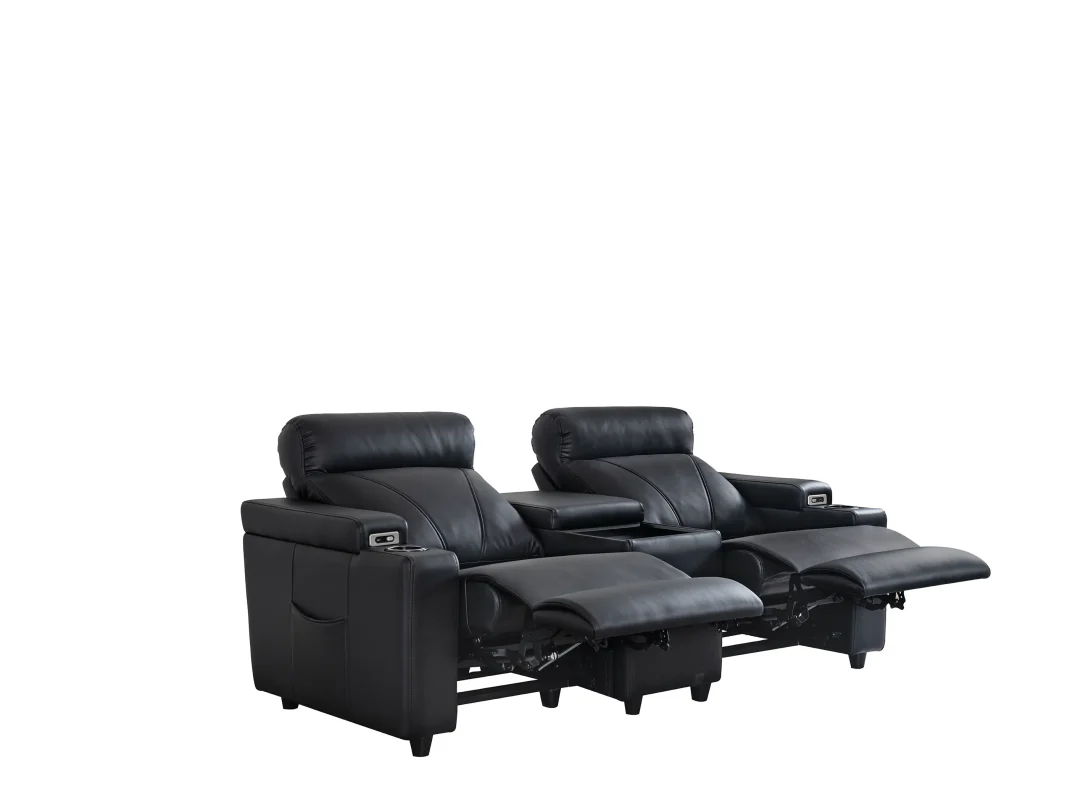
A private home, hotel suite, VIP cinema, residential entertainment room and shared hospitality area may require different combinations of seating types and functions.
CHAIRIUM provides product collections that can be reviewed according to these different applications.
When contacting the company, buyers can explain:
- The type of space.
- The intended users.
- The number of seats required.
- Preferred seating configurations.
- Required dimensions.
- Manual, motorized or lift-recliner preferences.
- Upholstery and colour choices.
- Any specific technical or accessibility requirements.
This information provides a clearer basis for discussing the available models and confirming the appropriate product specifications.
Conclusion: Better Seating Begins with Understanding Different Needs
Inclusive seating design starts with recognizing that people use furniture in different ways.
Seat dimensions, access routes, armrest arrangements, reclining mechanisms, controls, upholstery and maintenance requirements all contribute to the suitability of a seating environment.
CHAIRIUM presents a varied collection of recliner chairs, VIP cinema seating and selected lift-recliner models for buyers exploring different seating possibilities.
By reviewing the available specifications and communicating individual project requirements, homeowners, designers, hospitality operators and commercial buyers can make more informed seating decisions.
CHAIRIUM — Premium Recliner Seating, VIP Cinema Chairs and Seating Solutions for Different Spaces.
Website: https://www.chairium.com/
Product Collections: https://www.chairium.com/auditorium-chair-products
VIP Cinema Chairs: https://www.chairium.com/products/vip-cinema-chairs
Ekol Lift Recliner: https://www.chairium.com/products/ekol-lift-recliner
Company Information: https://www.chairium.com/auditorium-chair-cinema-chair-manufacturer-company/who-are-we
Contact: https://www.chairium.com/contact-chairium-auditorium-chairs-manufacturer
Frequently Asked Questions
1. What is inclusive seating design?
Inclusive seating design considers different user preferences, physical requirements, seating positions and ways of interacting with furniture.
2. Does CHAIRIUM offer lift recliners?
Yes. CHAIRIUM lists the Ekol Lift Recliner with motorized reclining and a standard lift function.
3. What is the difference between a manual and motorized recliner?
A manual recliner uses a mechanical operating arrangement, while a motorized recliner uses an electrical mechanism to adjust the chair.
4. Can seat width be customized?
Selected CHAIRIUM models list customizable seat-width options. Buyers should confirm the available dimensions for the specific model.
5. Why should access routes be considered when planning seating?
Clear access routes help people approach and move around seating areas. They also help project teams consider the space needed for reclining movement and nearby furniture.
6. Does every CHAIRIUM recliner have the same functions?
No. Features and operating arrangements vary between models. Buyers should review the relevant product specifications.
7. Which upholstery options are available?
Selected models list fabric, artificial leather and optional genuine leather. Availability depends on the product.
8. Are CHAIRIUM recliners suitable for every accessibility requirement?
Suitability must be evaluated according to the user’s needs, product specifications and applicable regulations. Buyers should not assume that a recliner is certified for a particular accessibility standard without verified documentation.
9. What should buyers provide when requesting information?
Useful details include the space dimensions, intended users, seating quantity, preferred mechanism, upholstery choices and any specific project requirements.
10. How can buyers discuss inclusive seating requirements with CHAIRIUM?
Visit https://www.chairium.com/ and contact CHAIRIUM with the project details and the seating functions you would like to evaluate.