Introduction
A good seating solution should consider more than appearance. It should also take into account how different people use a chair, how easily they can operate its functions and how comfortably it fits into their everyday environment.
People have different seating preferences, physical requirements and expectations. Some prefer traditional reclining chairs, while others may appreciate motorized operation, additional support features or lift-assisted functionality.
These considerations are relevant in private residences, home cinema rooms, hotels, hospitality environments, entertainment venues and other commercial spaces.
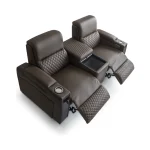
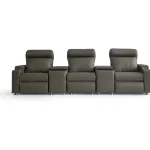
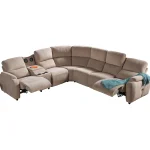
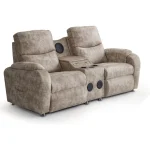
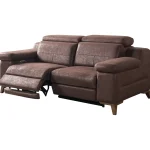
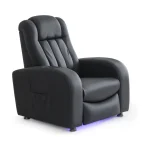
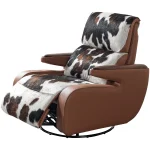
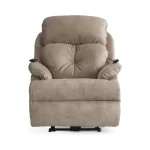
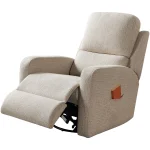
CHAIRIUM brings together different seating categories, including premium recliners, VIP cinema chairs, lift recliners and customized seating solutions. Its product range provides opportunities to explore different approaches to seating functionality and user preferences.
Through its official website, CHAIRIUM, visitors can discover individual models, review available specifications and discuss project requirements.
This article presents 18 considerations for understanding inclusive seating design and creating environments that respond to different user needs.
1. Recognize That Seating Requirements Differ Between Individuals
There is no single seating solution that is equally suitable for everyone.
People differ in their preferred sitting positions, body proportions, movement preferences and expectations of comfort.
Some may prefer a traditional armchair, while others may look for a recliner with adjustable positioning or motorized operation.
Recognizing these differences is the first step towards selecting seating that responds to individual requirements.
CHAIRIUM’s range of single recliners, VIP chairs and specialized seating models provides several categories for exploration.
2. Consider Ease of Entering and Leaving a Seat
Getting into and out of a chair is an important part of everyday seating usability.
Seat height, armrest position, available floor space and the surrounding furniture can all influence how easily someone approaches and leaves a seating position.
For residential projects, these factors should be considered according to the intended users.
For commercial environments, the arrangement should allow sufficient space for visitors to approach and leave their seats without unnecessary obstacles.
3. Explore Lift Recliners for Additional Seating Assistance
Some users may prefer seating with a lift-assisted mechanism.
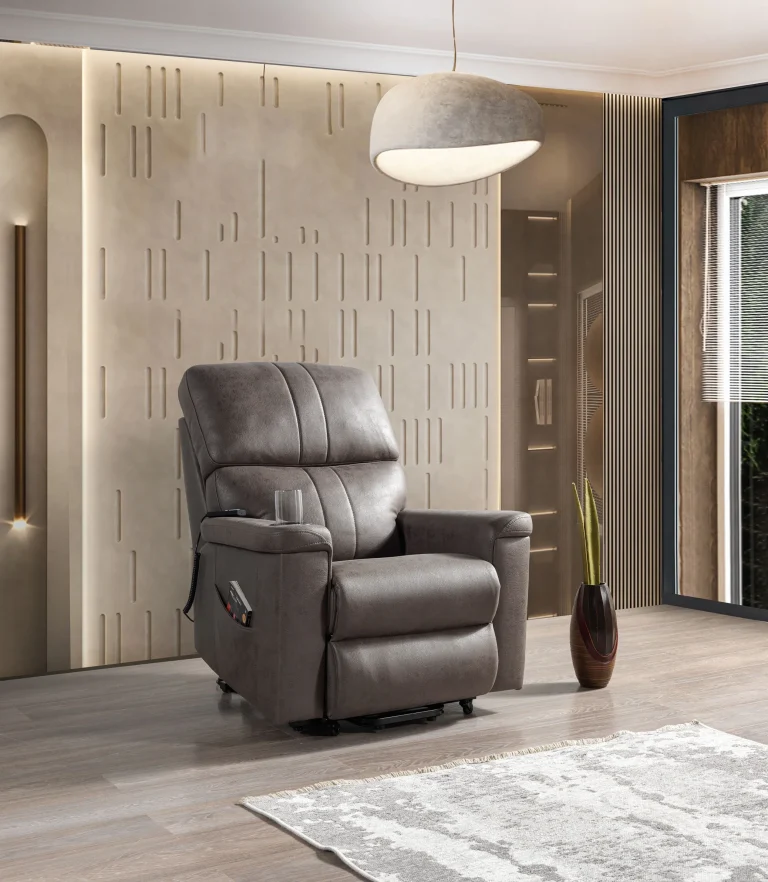
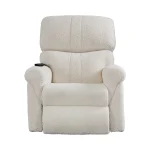
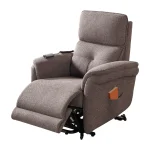
CHAIRIUM includes lift recliner models in its collection, such as the Ekol Lift Recliner and Tetra Lift Recliner.
These models provide an additional product category for customers who are interested in motorized reclining and lift functionality.
The specific operation, movement range and suitability of each model should be reviewed through its individual product information.
Explore the Ekol Lift Recliner to learn more.
4. Understand the Difference Between Reclining and Lift Functionality
Reclining and lift functions serve different purposes.
A reclining mechanism changes the position of the backrest and, depending on the model, the footrest.
A lift mechanism is designed to assist the movement between a seated position and a raised position.
Some seating products combine both functions.
Understanding this distinction helps customers identify the type of operation they are actually looking for rather than choosing a model based only on its general appearance.
5. Evaluate Motorized Operation and Control Accessibility
Motorized reclining can provide an alternative to manually adjusting a chair.
Depending on the selected model, controls may be operated through a remote control, wired control or integrated buttons.
Customers should consider where the controls are positioned, how they are operated and whether they are convenient for the intended user.
CHAIRIUM presents both motorized and manual recliner models, allowing visitors to explore different operating approaches.
The available control system should always be confirmed for the selected product.
6. Pay Attention to Seat Height and Sitting Position
Seat height influences how a person sits and how they transition between sitting and standing.
A seat that is too low or too high for an individual may not provide the desired everyday experience.
Seat depth and backrest proportions are also important.
When evaluating a CHAIRIUM model, customers should review its technical dimensions and compare them with their own requirements.
For projects involving several users, a broader assessment of different seating preferences may be appropriate.
7. Consider Seat Width and Personal Space
Seat width is another important factor in seating comfort and usability.
Different individuals may prefer different amounts of personal space.
For couples, families and commercial seating projects, the relationship between seat width and the overall seating arrangement deserves attention.
CHAIRIUM offers selected models with customizable seat-width possibilities.
The available dimensions and customization limits should be confirmed for the chosen product.
8. Evaluate Armrests as Functional Design Elements
Armrests contribute to the structure and everyday usability of a chair.
Their height, width, shape and position can influence how a person sits, rests their arms and interacts with the seating environment.
Some models may include shared armrests, separate armrests or integrated modules.
When choosing a recliner, customers should evaluate the armrests in relation to their preferred sitting position and the intended application.
9. Examine Footrest and Reclining Adjustments
The relationship between the backrest and footrest affects the overall reclining experience.
Some users may prefer a slightly reclined position, while others may prefer a more extended resting position.
The available adjustment range differs between models.
CHAIRIUM presents various reclining configurations, including selected models that recline up to 145 degrees.
Customers should review the actual operating range of their preferred model and determine whether it corresponds to their expectations.
10. Choose Upholstery According to Everyday Requirements
Upholstery selection should consider both visual preferences and practical use.
Fabric, artificial leather and genuine leather can offer different textures, appearances and maintenance requirements.
The choice may also be influenced by the intended environment, the number of users and the frequency of use.
CHAIRIUM provides upholstery and colour possibilities for selected models.
Customers can discuss available materials and request suitable visual references when evaluating their choices.
11. Consider Cleaning and Routine Maintenance
Everyday usability also includes how easily a seating product can be maintained.
Customers should understand the recommended cleaning method for the selected upholstery.
Some materials may require particular cleaning products or precautions.
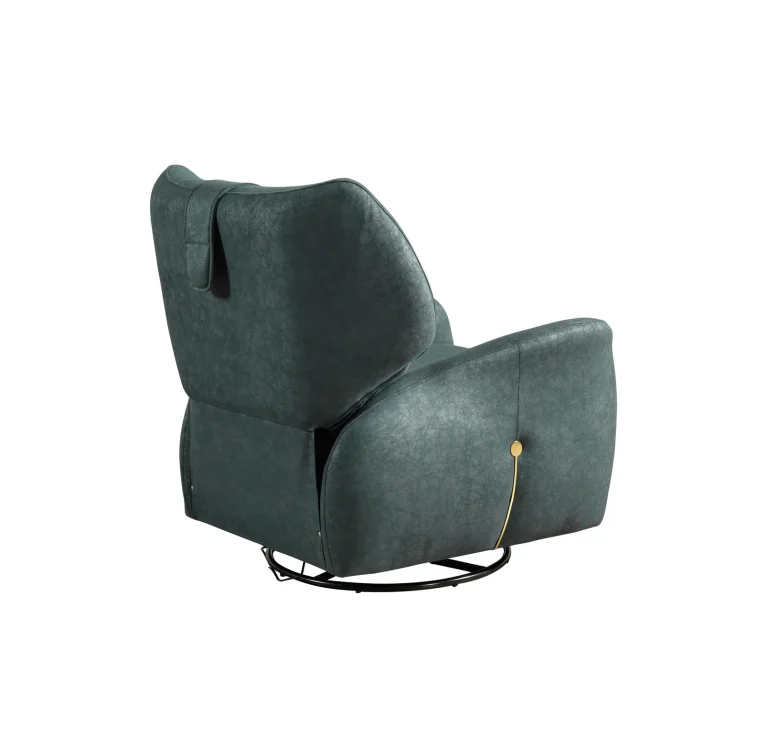
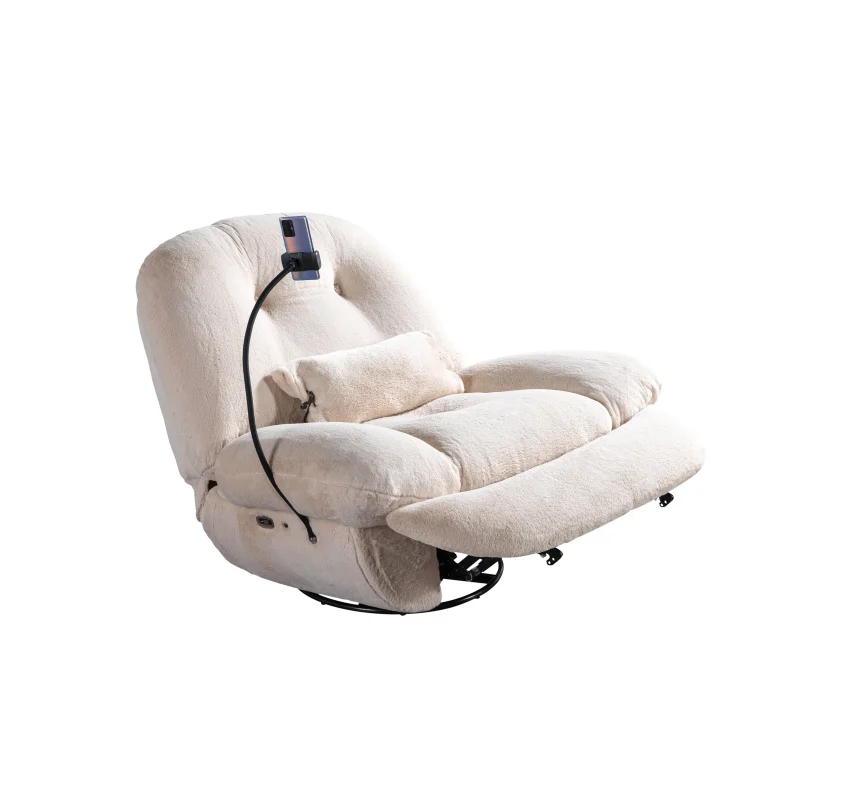
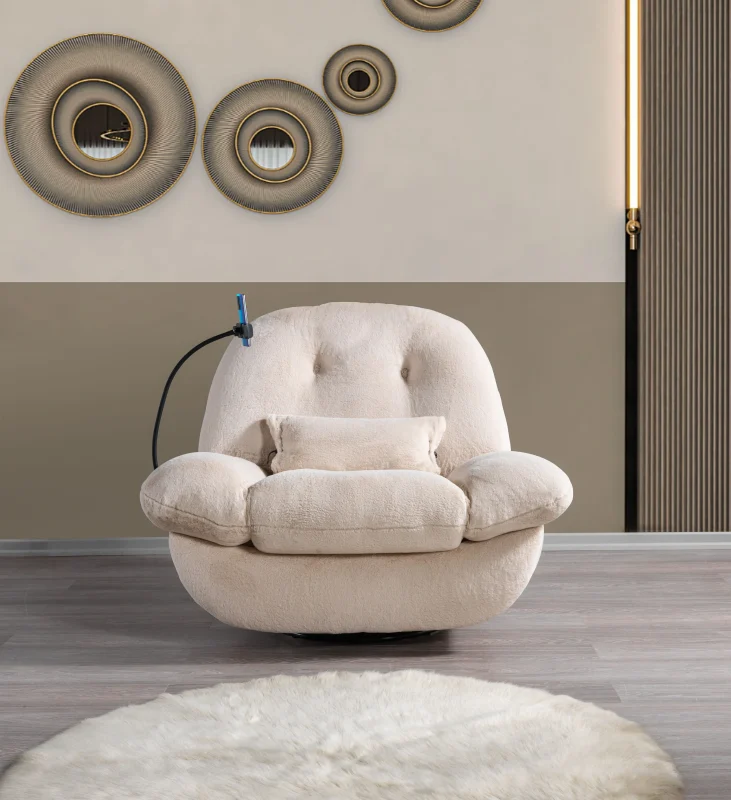
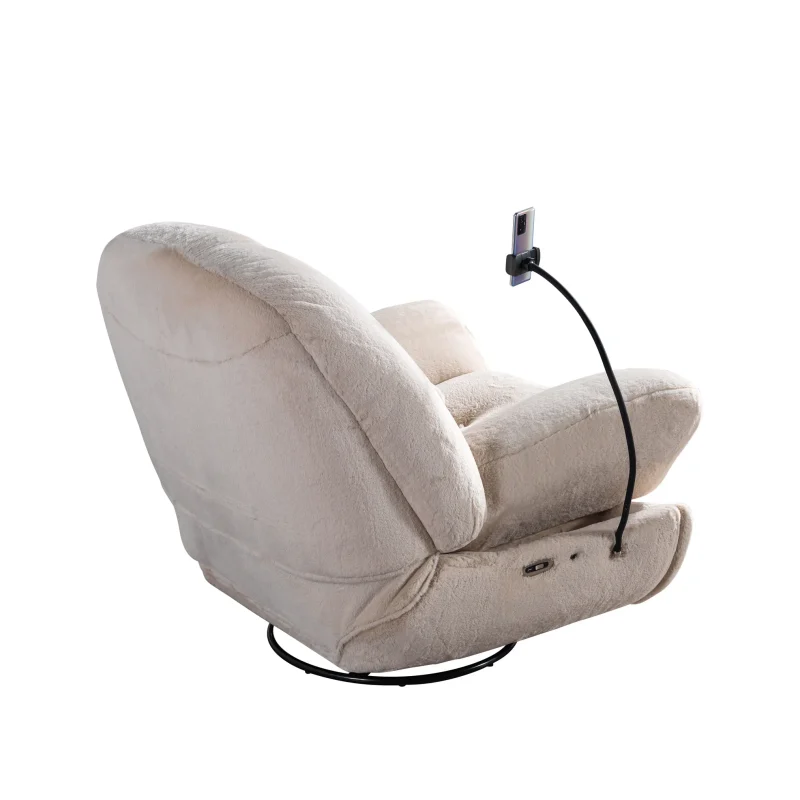
For example, the care instructions for the CHAIRIUM Premium Single Rocking Recliner recommend cleaning its wipeable fabric with a damp cloth and mild soapy water, while avoiding chemicals and bleach.
Care instructions should always be checked for the specific product and upholstery.
12. Plan Sufficient Space Around the Chair
A chair needs enough surrounding space to function as intended.
Reclining mechanisms may require additional clearance behind or in front of the seat.
Lift-assisted models also require appropriate space for their movement.
Customers should consider doors, walkways, nearby furniture and other potential obstacles before installation.
A suitable floor plan can help identify these issues before the seating is delivered.
13. Consider Different Seating Needs Within the Same Environment
In some environments, users may have different seating preferences even when sharing the same room.
A residential entertainment area might combine traditional recliners with other seating arrangements.
A commercial project may require different configurations in separate areas.
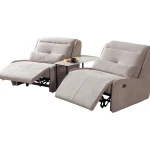
CHAIRIUM’s product portfolio includes single, double, triple and corner seating configurations.
The project team can evaluate whether different product categories should be combined within the same overall design.
14. Examine Specialized Recliner Models for Particular Applications
Some seating products are designed with more specific applications in mind.
CHAIRIUM’s collection includes the Leon Medical Recliner, a motorized model with lift functionality, alongside other recliner and VIP seating options.
Such products should be evaluated according to their published technical specifications and intended application.
Customers should not assume that a recliner is a medical device or that it provides a particular therapeutic benefit unless the manufacturer explicitly establishes this.
The correct product selection should be based on verified features and individual requirements.
15. Include Accessibility Considerations in Commercial Seating Projects
Commercial seating environments should consider the different ways visitors approach, use and leave their seats.
Cinema operators, hospitality businesses and project designers may need to review:
- Entrance and exit arrangements.
- Aisle widths.
- Clear walking routes.
- Seating approach space.
- Seat dimensions.
- Armrest arrangements.
- The location of controls.
- Applicable local accessibility requirements.
These considerations should be addressed during the design stage rather than after the seating has been installed.
CHAIRIUM’s project-oriented approach provides a starting point for discussing the seating configuration and product requirements.
16. Use Customization to Address Individual Requirements
A standard seating configuration may not be suitable for every project.
Some customers may have particular preferences regarding seat width, upholstery, colours, armrests or other product details.
CHAIRIUM presents customization possibilities for selected products and projects.
This provides an opportunity to discuss how the chosen seating model might be adapted to the intended environment.
The availability of each customization option depends on the product and should be confirmed before the final specification is approved.
17. Review Product Information Before Making a Final Selection
An informed decision requires more than viewing a product photograph.
Customers should examine:
- Product dimensions.
- Seat configuration.
- Reclining mechanism.
- Lift functionality, where applicable.
- Control system.
- Upholstery options.
- Standard features.
- Optional accessories.
- Care recommendations.
CHAIRIUM’s online product catalogue provides a useful resource for reviewing series information, product versions and technical details.
Product videos can also help visitors understand selected mechanisms and seating movements.
Explore the CHAIRIUM Videos section for additional visual references.
18. Communicate Individual Requirements Clearly to CHAIRIUM
The final stage is to communicate the actual seating requirement.
Customers should explain the intended application and provide relevant information about the user, the installation environment and the preferred product.
A useful enquiry may include:
- Preferred product or seating category.
- Approximate room dimensions.
- Required seat dimensions.
- Preferred operating mechanism.
- Interest in lift functionality, where relevant.
- Upholstery and colour preferences.
- Desired optional features.
- Installation location.
- Any specific usability considerations.
CHAIRIUM can then review the information and discuss the available product and customization possibilities.
Visitors can begin this process through the official CHAIRIUM website.
Conclusion: Seating Design Should Begin with People
Inclusive seating design starts with understanding the people who will use the furniture.
Ease of operation, seating dimensions, armrest arrangements, reclining functions, lift-assisted mechanisms and the surrounding environment can all influence the everyday experience.
For residential customers, these considerations can help identify a suitable personal seating solution. For architects, interior designers, hospitality businesses and commercial project developers, they can contribute to more carefully planned seating environments.
CHAIRIUM brings together different recliner categories, VIP cinema chairs, lift recliners and customization possibilities through its online product portfolio.
By examining the available models and communicating individual requirements clearly, customers can explore seating solutions that better correspond to their intended applications.
CHAIRIUM — Premium Recliner Seating, VIP Cinema Chairs and Tailored Seating Solutions.
Discover the collections and discuss your seating requirements: