
Official Website: https://www.chairium.com
Introduction: Turning a Seating Requirement into a Clearly Defined Project
Selecting premium seating for a commercial or residential project involves more than finding an attractive chair. It requires understanding the intended application, comparing available products, reviewing technical information and communicating the project requirements clearly.
A furniture distributor may need to evaluate several recliner models for a new product range. A cinema operator may be looking for VIP auditorium seating. An architect may need to identify suitable furniture for a private entertainment environment, while a project developer may require coordinated seating solutions for several locations.
In each case, a structured evaluation process can make product selection more effective.
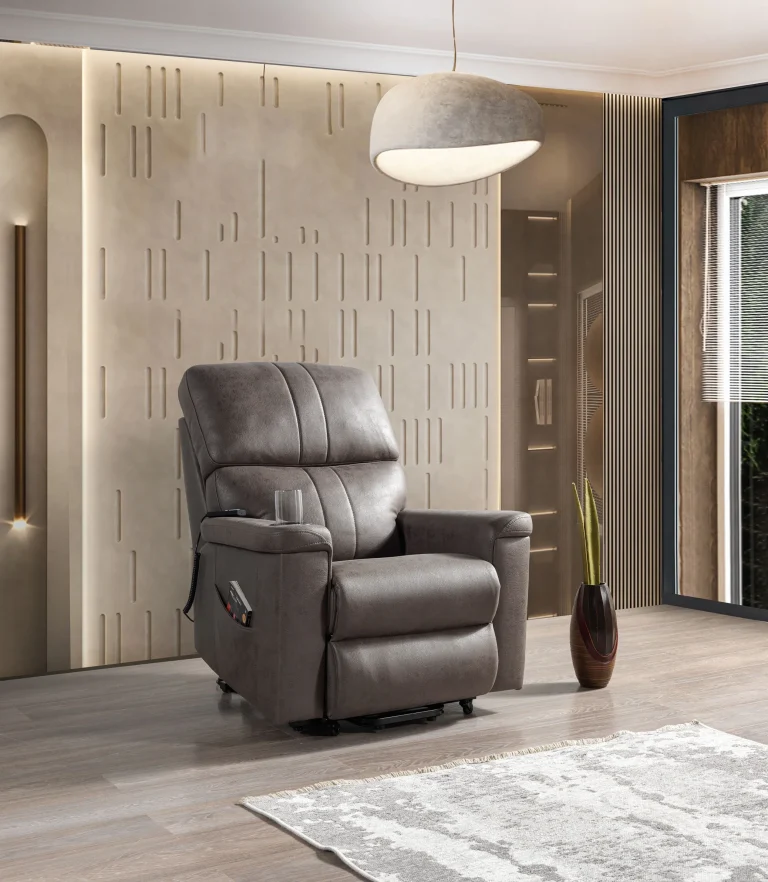
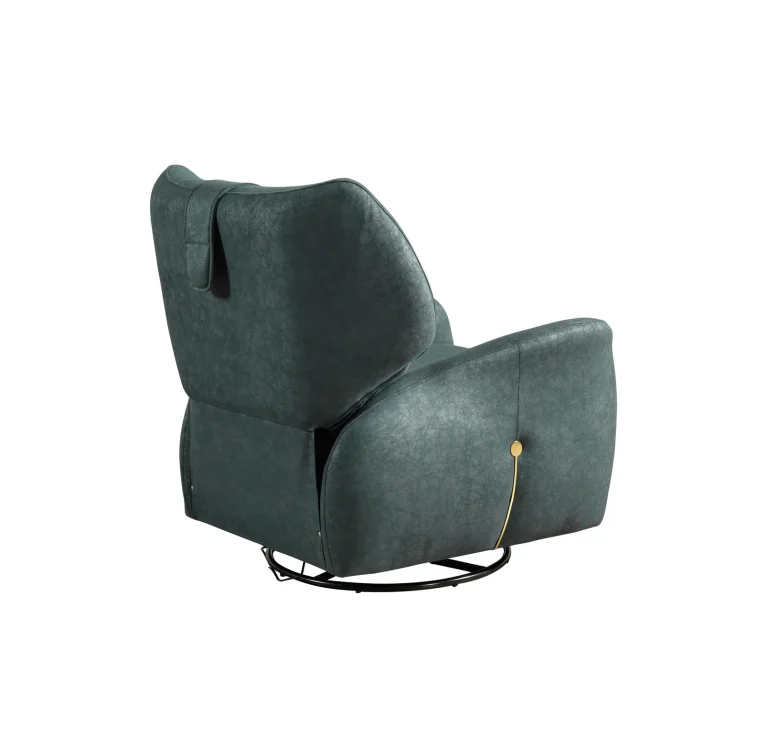
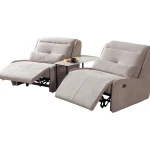
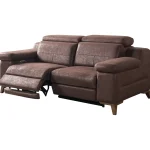
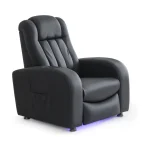
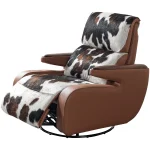
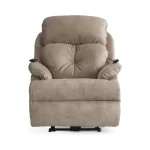
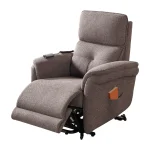
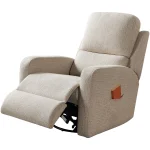
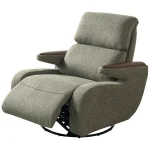
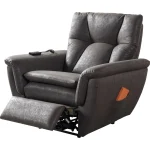
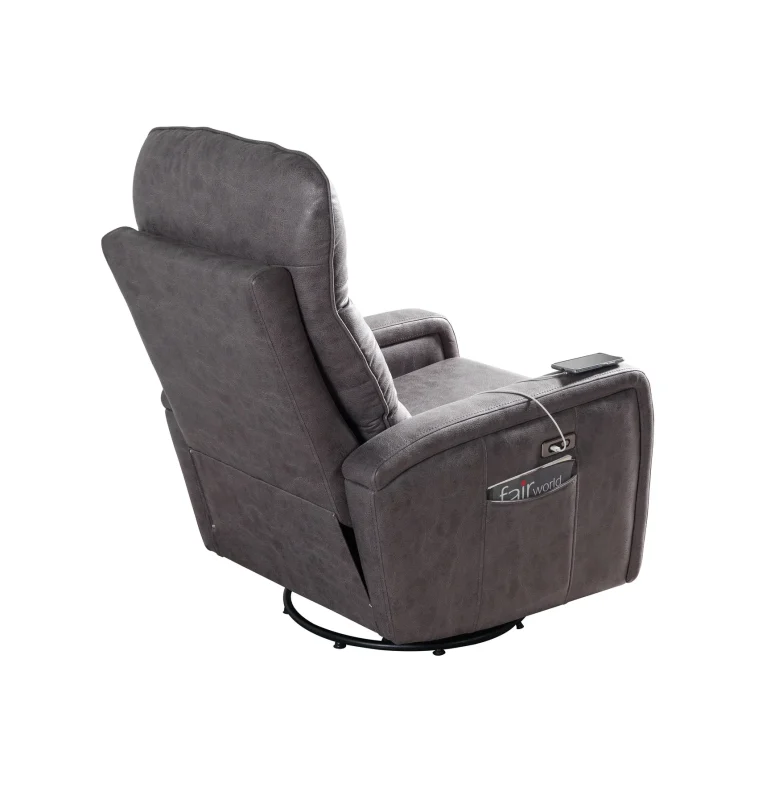
CHAIRIUM brings together premium recliners, VIP cinema chairs, recliner sofa sets and project-oriented seating solutions. Its official website provides access to product collections, individual model information, catalogue resources and contact channels for project discussions.
This guide explains 18 practical steps for evaluating premium seating, preparing a clear project specification and exploring suitable solutions through CHAIRIUM.
Contents
- Defining the Purpose of the Seating Project
- Identifying the Intended Customer and User
- Establishing the Required Product Category
- Researching Available CHAIRIUM Collections
- Comparing Individual Models and Versions
- Understanding Technical Product Datasheets
- Reviewing Dimensions and Product Specifications
- Evaluating Standard and Optional Features
- Selecting Upholstery and Colour Alternatives
- Determining the Required Seating Configuration
- Preparing a Clear Project Brief
- Using the CHAIRIUM E-Catalog for Product Evaluation
- Preparing Questions Before Requesting a Quotation
- Understanding Customization and Project Requirements
- Evaluating International Supply and Business Cooperation
- Coordinating Product Approval and Project Documentation
- Organizing Delivery and Installation Considerations
- Establishing Direct Communication with CHAIRIUM
1. Defining the Purpose of the Seating Project
The first step in any furniture purchasing process is to establish exactly what the project requires.
A private home cinema, a commercial VIP auditorium, a hotel entertainment area and a residential living room have different purposes.
These differences influence the appropriate product category, seating configuration, dimensions and functional requirements.
Before researching individual models, buyers should identify the intended environment and the role that the furniture will perform.
CHAIRIUM offers seating categories for public spaces and private residences, making it possible to explore different product directions through one manufacturer.
A clearly defined purpose provides a foundation for all subsequent decisions.
2. Identifying the Intended Customer and User
The person purchasing the furniture is not always the person who will use it.
A distributor may purchase products for future customers. A cinema operator may select seating for thousands of visitors. An interior designer may specify furniture on behalf of a private client.
Understanding these different relationships helps establish the correct purchasing criteria.
For example:
- Residential buyers may prioritize appearance, dimensions and personal preferences.
- Cinema operators may focus on auditorium requirements and seating configurations.
- Furniture distributors may evaluate product variety and commercial cooperation.
- Architects may prioritize technical documentation and design compatibility.
- Project developers may require coordinated solutions for several locations.
CHAIRIUM works with different customer groups, and identifying the intended user helps make the initial product discussion more precise.
3. Establishing the Required Product Category
Before comparing individual models, it is useful to identify the appropriate product category.
CHAIRIUM presents several categories, including:
- Single recliner chairs
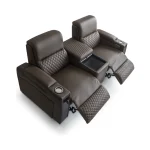
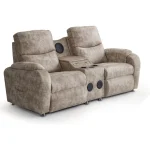
- Double recliner seating
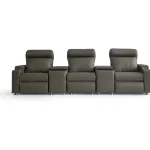
- Triple recliner sofas
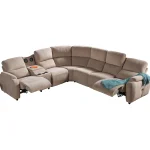
- Corner recliner sets
- VIP cinema chairs
- Manual recliners
- Motorized recliners
- Selected lift and rocking recliner models
Each category serves different applications.
A customer planning a private cinema may consider individual or multiple-seat recliners, while a commercial cinema operator may focus on dedicated VIP seating models.
Choosing the correct category first reduces unnecessary comparisons and makes product research more focused.
4. Researching Available CHAIRIUM Collections
Once the product category has been identified, the next step is to explore the available collections.
CHAIRIUM organizes its product range into different model series, including Mari, Alis, Anika, Zero, Atlas, Babil, Flora, Serena, Siesta and others.
Each series may contain different versions and configurations.
Rather than selecting a product based on its name alone, buyers should examine the actual product pages and available model information.
The official website allows visitors to explore the collections and identify products that correspond to their intended application.
This is particularly useful when the project requires comparisons between several models from the same manufacturer.
5. Comparing Individual Models and Versions
Products belonging to the same series may have different versions.
These differences can involve upholstery, seating arrangements, mechanisms, armrest configurations, dimensions and optional features.
For example, a series may include single and double versions, while selected products may also have enhanced or VIP configurations.
CHAIRIUM’s product catalogue provides a structured way to examine these alternatives.
Buyers should prepare a comparison based on the actual specifications rather than assuming that different versions share identical features.
A model comparison table can help organize the information:
| Comparison point | Information to examine |
|---|---|
| Model | Product and series name |
| Configuration | Single, double or triple |
| Mechanism | Manual or motorized |
| Dimensions | Width, depth and height |
| Upholstery | Available materials |
| Features | Standard and optional |
| Application | Residential or commercial |
This process helps establish a more informed basis for selection.
6. Understanding Technical Product Datasheets
Technical datasheets are important purchasing resources because they provide product information in a structured format.
A product photograph can communicate appearance, but it cannot provide all the information required for a project specification.
Depending on the model, a datasheet may include:
- Product dimensions
- Available versions
- Upholstery alternatives
- Functional characteristics
- Optional accessories
- Configuration possibilities
- Technical illustrations
CHAIRIUM provides downloadable series datasheets through its E-Catalog.
These resources can help purchasing teams compare product specifications and organize information for their project documentation.
Before using a datasheet for final approval, buyers should confirm that it corresponds to the current version being considered.
7. Reviewing Dimensions and Product Specifications
Dimensions are among the most important elements of furniture selection.
The overall width, depth and height of a recliner influence how it can be positioned within a room or auditorium.
Other measurements, such as seat width and the clearance required when reclining, may also be relevant.
For commercial projects, the total dimensions of a seating configuration should be evaluated rather than considering each chair separately.
CHAIRIUM provides product dimensions on its individual model pages and technical resources.
Selected models also offer customization possibilities for certain dimensions.
Buyers should confirm the applicable measurements with CHAIRIUM before finalizing their technical drawings or purchasing documentation.
8. Evaluating Standard and Optional Features
A product may include certain features as standard equipment while offering others as optional additions.
This distinction is particularly important when comparing premium recliners and VIP cinema chairs.
Depending on the model, features may include:
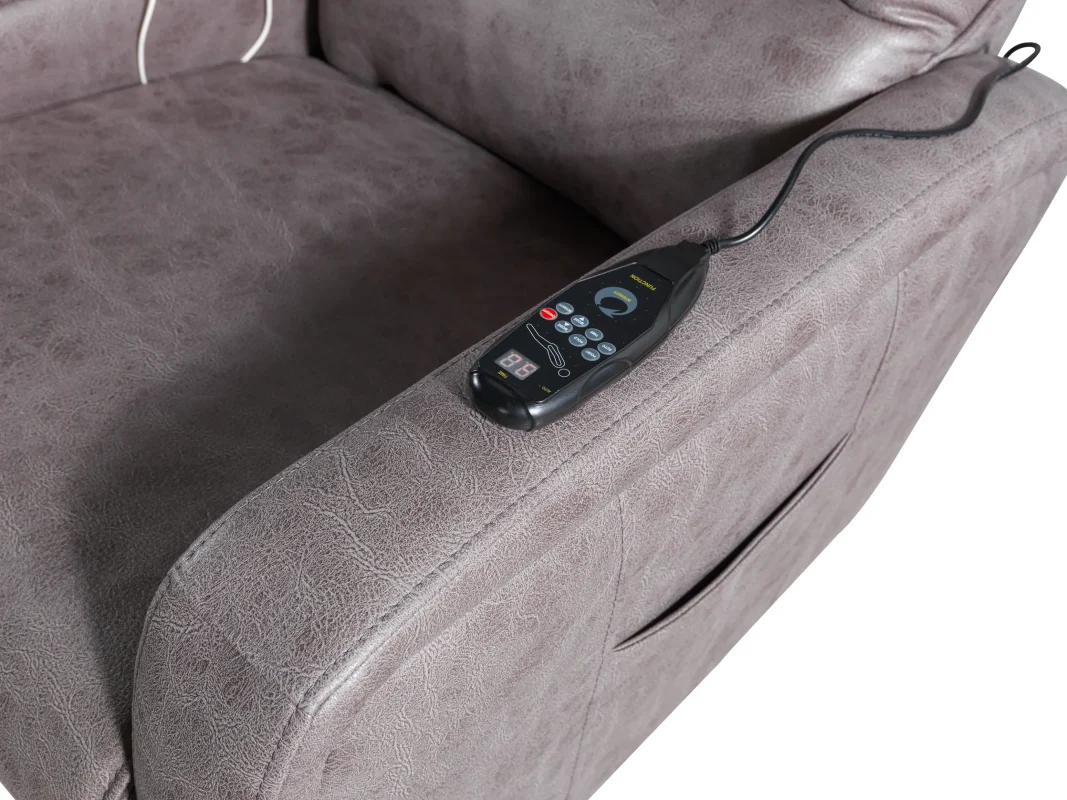
- Motorized reclining
- USB connections
- Cup holders
- Cooling cup holders
- LED lighting
- Massage functions
- Tray tables
- Integrated speakers
Not every product includes all these features.
Purchasing teams should identify which functions are essential, which are desirable and which are unnecessary for their project.
The selected model’s current specification should always be used as the basis for comparison and quotation.
9. Selecting Upholstery and Colour Alternatives
Upholstery is an important part of the product specification because it influences the appearance and character of the seating environment.
CHAIRIUM offers upholstery alternatives that include fabric and artificial leather, with genuine leather available on selected models.
Colour selection should be considered in relation to the intended interior concept and the other materials used in the project.
For commercial applications, consistency across multiple seats may also be important.
When requesting a quotation, buyers should specify their preferred upholstery category and colour requirements.
The availability of each material and colour should be confirmed for the selected model.
10. Determining the Required Seating Configuration
The number of seats and their arrangement should be defined before a project specification is finalized.
CHAIRIUM offers several seating configurations:
- Individual single recliners
- Double recliner units
- Triple recliner sofas
- Corner recliner sets
- Selected multi-seat arrangements
The choice depends on the intended use and the available space.
For a private entertainment room, a customer may prefer a combination of individual and shared seating.
For a commercial cinema, the number of seats, aisle arrangements and auditorium layout may determine which configurations are suitable.
The seating configuration should therefore be considered as part of the complete project rather than as an isolated product decision.
11. Preparing a Clear Project Brief
A well-prepared project brief helps the manufacturer understand the actual requirements.
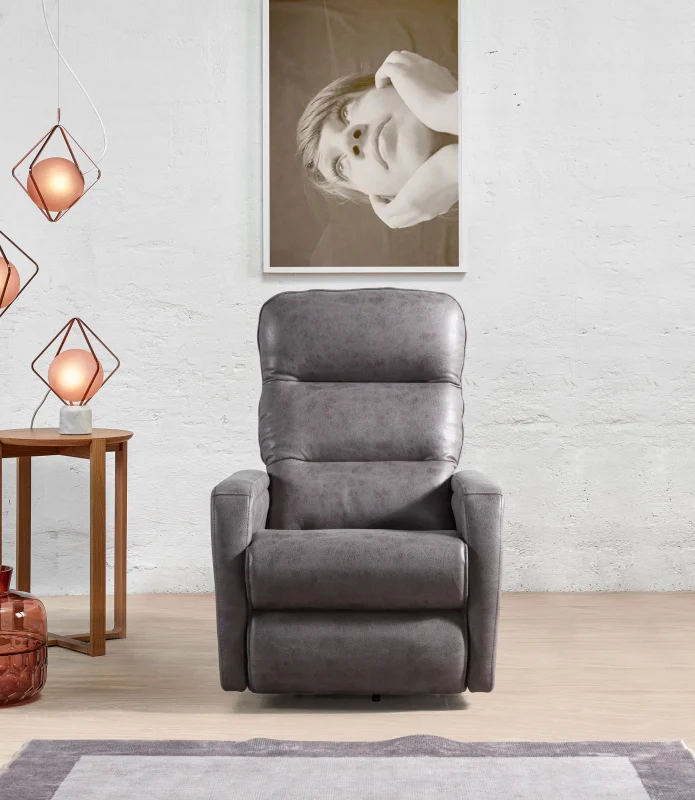
Instead of sending only a general product enquiry, buyers can provide relevant information in an organized format.
A useful project brief may include:
- Project type and location
- Intended application
- Preferred CHAIRIUM model or product category
- Approximate number of seats
- Required configuration
- Available dimensions
- Preferred upholstery and colours
- Required functional features
- Expected project schedule
- Any special technical requirements
The information does not need to be final at the beginning.
However, providing a clear starting point makes it easier to discuss suitable products and identify missing specifications.
12. Using the CHAIRIUM E-Catalog for Product Evaluation
Digital catalogues make it easier for buyers to review product collections without depending entirely on individual product photographs.
CHAIRIUM’s E-Catalog provides access to product series datasheets and different versions.
The catalogue can be used to:
- Explore available product series
- Compare versions within a collection
- Review dimensions
- Examine available options
- Identify relevant product pages
- Download technical information
This is particularly useful for distributors, architects, interior designers and procurement professionals who need to organize product information before contacting a manufacturer.
The CHAIRIUM E-Catalog is available at:
13. Preparing Questions Before Requesting a Quotation
A quotation request becomes more useful when it contains specific questions.
Instead of asking only for a general price, buyers should explain which product and configuration they are considering.
Depending on the project, useful questions may include:
- Is the selected model available in the requested configuration?
- Which upholstery alternatives can be offered?
- Are the preferred dimensions customizable?
- Which features are included as standard?
- Which features are available as optional additions?
- Are technical drawings available?
- What information is required for a complete quotation?
- What are the applicable production and delivery arrangements?
These questions help establish a clearer understanding of the product and the commercial proposal.
CHAIRIUM’s contact channels provide a direct route for discussing these requirements.
14. Understanding Customization and Project Requirements
Standard product information provides an important starting point, but some projects require additional specifications.
Customization may involve selected dimensions, upholstery, colours, configurations or other design details.
CHAIRIUM presents a custom-made project and contract furniture approach for different environments.
The available options depend on the individual product and its technical limitations.
For this reason, buyers should explain their requirements clearly and request confirmation of what can be produced.
Customization should be treated as a documented part of the project specification rather than an assumption based on a product photograph.
15. Evaluating International Supply and Business Cooperation
International furniture purchasing involves several considerations beyond product selection.
Distributors, wholesalers and commercial buyers may need to discuss order quantities, shipping destinations, commercial terms, documentation and delivery arrangements.
The requirements may differ according to the destination country and the nature of the transaction.
CHAIRIUM presents itself as a Turkish manufacturer serving residential and commercial seating markets and working with international business partners.
Potential distributors and project buyers can contact the company to discuss their specific requirements.
Before proceeding, both parties should establish the applicable commercial conditions, product specifications and delivery responsibilities.
16. Coordinating Product Approval and Project Documentation
Before an order is finalized, the selected product specification should be reviewed and approved.
This stage helps reduce misunderstandings between the buyer, manufacturer, designer and project team.
The approval process may include:
- Confirming the model and version
- Reviewing product dimensions
- Approving upholstery and colours
- Confirming the required features
- Reviewing seating configurations
- Checking technical drawings
- Confirming the commercial quotation
- Recording agreed project requirements
For larger projects, maintaining a consistent set of approved documents is particularly important.
CHAIRIUM product datasheets and direct project communication can support this process.
17. Organizing Delivery and Installation Considerations
Furniture purchasing does not end when a product has been selected.
The project team should also consider how the products will reach their destination and how they will be positioned within the intended environment.
Depending on the project, relevant considerations may include:
- Delivery destination
- Packaging and handling
- Access routes
- Building entrances and lifts
- Room access dimensions
- Installation responsibilities
- Electrical requirements for powered seating
- Final positioning and inspection
These matters should be discussed in advance, particularly for commercial projects involving multiple seats.
The exact arrangements should be agreed with CHAIRIUM as part of the order and project planning process.
18. Establishing Direct Communication with CHAIRIUM
A structured purchasing process ultimately depends on clear communication between the customer and manufacturer.
Whether the requirement involves one residential recliner, a private cinema arrangement, a commercial VIP auditorium or an international distribution opportunity, the project discussion should begin with the actual requirements.
CHAIRIUM provides several ways for customers to explore its products and establish contact.
Visitors can review product collections, access E-Catalog resources, examine model specifications and communicate their project needs through the official website.
This makes it possible to move from initial product research toward a more clearly defined project proposal.
Explore CHAIRIUM’s collections at https://www.chairium.com and contact the company to discuss your seating requirements.
Conclusion: A Better Specification Creates a Better Starting Point
Professional seating selection involves several connected decisions.
The product category, model version, dimensions, mechanisms, upholstery, configuration, optional features and commercial requirements should all be evaluated before a final purchasing decision is made.
A clear project brief and accurate technical documentation help buyers communicate their expectations more effectively.
CHAIRIUM brings together premium recliners, VIP cinema chairs, recliner sofa sets and tailored project seating possibilities through its product collections and manufacturer-direct communication channels.
For furniture distributors, architects, interior designers, cinema operators, procurement professionals and private customers, the CHAIRIUM website provides a starting point for researching products and discussing project requirements.
CHAIRIUM — Premium Recliner Seating, VIP Cinema Chairs and Tailored Seating Solutions.
Official Website: https://www.chairium.com
Product Collections: https://www.chairium.com/auditorium-chair-products
E-Catalog: https://www.chairium.com/e-catalog
VIP Cinema Seating: https://www.chairium.com/products/vip-cinema-chairs
Contact: https://www.chairium.com/contact