
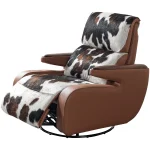

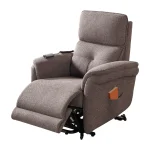
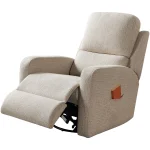
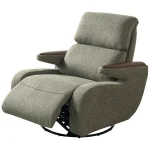
A Practical Guide to Customer Experience, Product Configuration, Operational Requirements and Premium Cinema Seating Investment with CHAIRIUM
Choosing VIP recliner seating for a cinema is an important business decision. The selected chairs influence how customers experience the venue, how the auditorium is perceived and how the cinema’s premium positioning is communicated.
For cinema operators, the decision involves more than purchasing attractive furniture. Seating should be evaluated in relation to the cinema’s business concept, customer expectations, operational requirements, available product configurations and long-term plans.
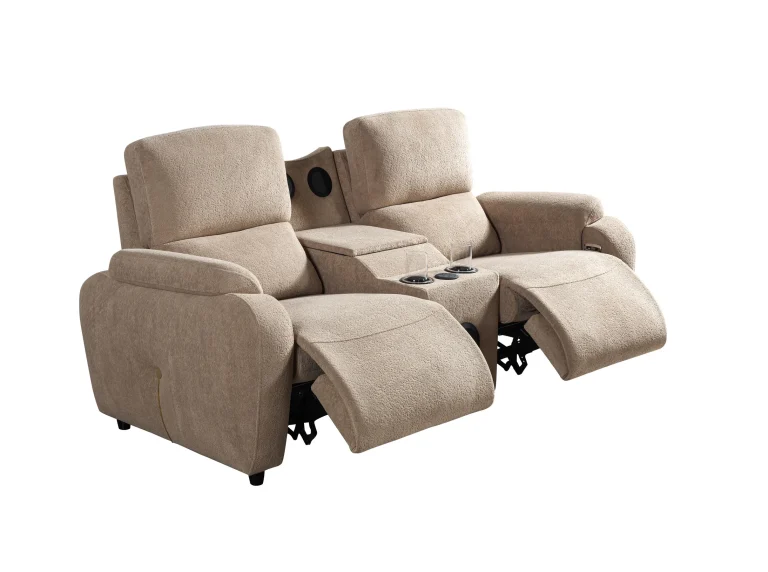
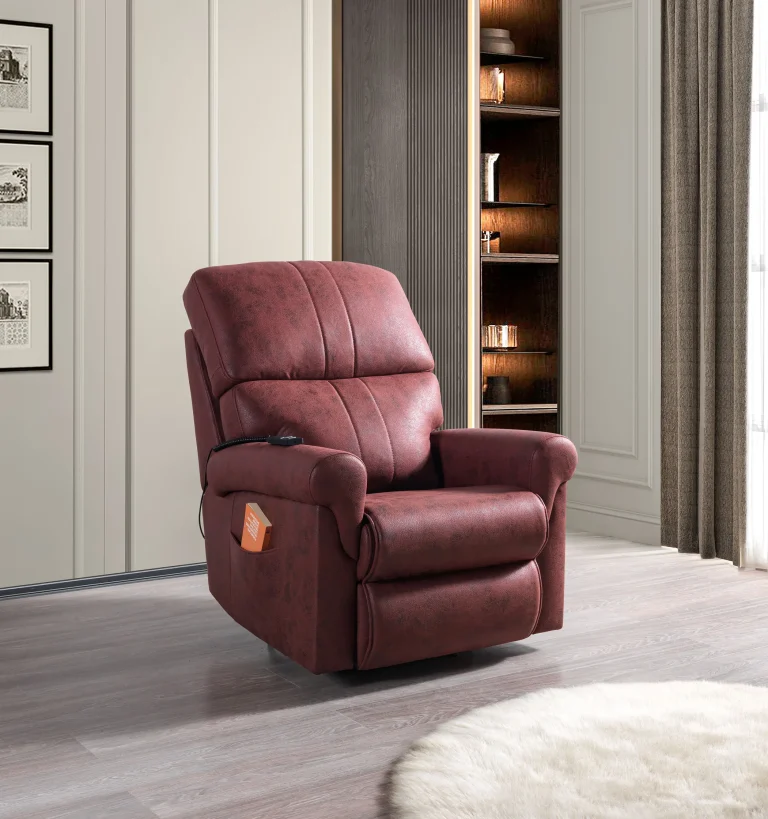
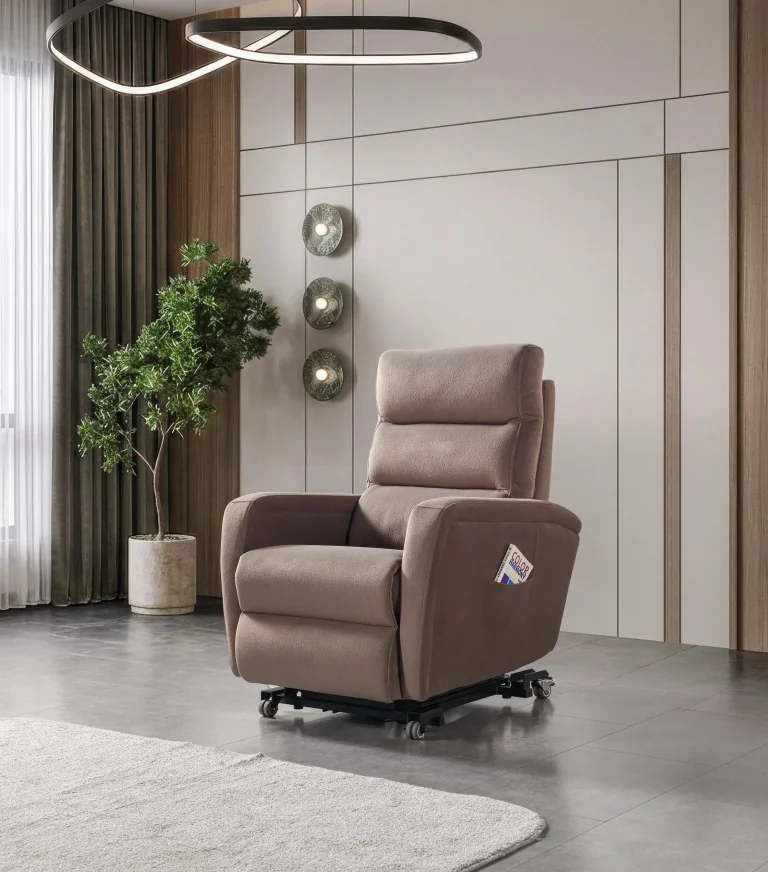
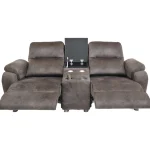
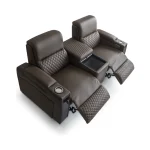
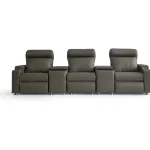
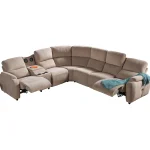
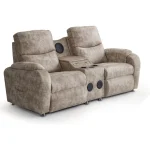
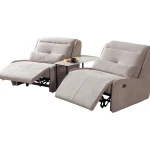
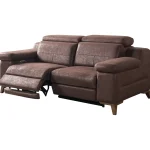
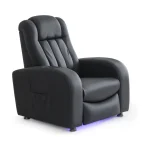
CHAIRIUM offers VIP cinema chairs and recliner seating collections for different commercial and residential applications. Its range includes single, double and triple seating options, as well as selected sofa and seating-set configurations.
This article presents 18 considerations to help cinema operators, investors, project developers and procurement professionals evaluate VIP recliner seating as part of a broader business strategy.
1. Define the Business Objective of the VIP Seating Investment
Before selecting a product, cinema operators should identify what they want to achieve.
A VIP seating investment may be intended to create a more premium auditorium, introduce a differentiated customer experience, support a luxury cinema concept or improve the overall presentation of an existing venue.
The objective should guide the product selection process.
A cinema developing a dedicated VIP auditorium may have different requirements from an operator introducing a limited number of premium seats into an existing cinema.
Defining the purpose first makes subsequent decisions more focused.
2. Understand the Target Customer
The intended audience is an important consideration when selecting VIP cinema seating.
Some venues primarily serve customers looking for a premium movie experience. Others may target couples, families, business guests or customers who prefer additional personal space.
Cinema operators should consider:
- The expectations of their regular customers
- The type of cinema experience they want to provide
- Whether individual or shared seating is preferred
- The design language associated with their brand
- The level of comfort and functionality expected in their market
Understanding the target customer helps operators identify which seating characteristics deserve priority.
3. Establish a Clear Premium Cinema Concept
VIP seating should support the overall identity of the cinema.
A premium auditorium may communicate exclusivity through its interior design, lighting, materials, service approach and furniture selection.
Recliner seating becomes part of this visual and functional identity.
Operators should therefore consider how the chosen chairs contribute to the atmosphere they want to create.
A consistent concept makes it easier to connect the seating selection with the cinema’s wider customer experience strategy.
4. Evaluate the Difference Between Standard and VIP Seating
Introducing VIP recliners can create a distinction between different seating categories within a cinema.
The difference may involve seat design, upholstery, reclining functions, available accessories, seating configuration and the overall presentation of the auditorium.
Operators should identify which characteristics will make the VIP category meaningful to customers.
The objective is not simply to use a different chair. It is to create a clearly understandable premium experience that fits the cinema’s positioning.
5. Compare Single, Double and Triple Seating Options
Different seating formats can serve different commercial purposes.
Depending on the available collection and project requirements, cinema operators may consider:
- Single VIP recliners
- Double recliner configurations
- Triple recliner seating
- Shared-armrest arrangements
- Selected sofa and multi-seat configurations
Single seating may suit customers who prefer individual space, while double seating can be relevant to couples or shared viewing experiences.
The choice should reflect the cinema’s concept, customer profile and confirmed project requirements.
CHAIRIUM’s official product catalogue provides an overview of different seating categories and available versions.
6. Evaluate Customer Comfort as Part of the Venue Experience
Comfort is central to the appeal of VIP recliner seating.
Cinema operators should consider seat proportions, upholstery, backrest design, reclining movement and the general seating experience.
The requirements of the intended audience should guide the evaluation.
Rather than relying only on photographs or product descriptions, buyers should review the specific product information and request clarification about relevant features.
The selected seating should support the cinema’s intended customer experience.
7. Examine Reclining Mechanisms and Available Functions
Reclining mechanisms are an important part of the product specification.
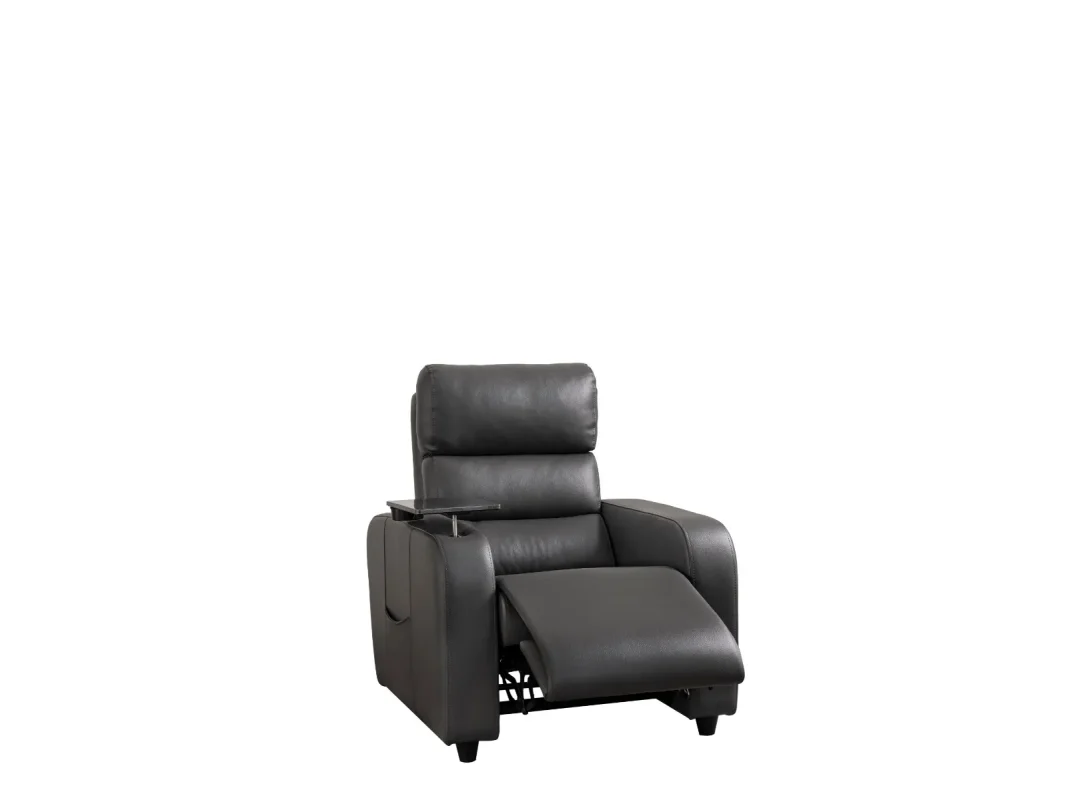
Some CHAIRIUM models feature motorized reclining functions, while product ranges may also include different operating mechanisms and configurations.
Operators should confirm the mechanism offered by the exact model they are considering.
They should also establish which controls and functions are included, and whether any additional equipment is optional.
A clear specification makes it easier to compare alternatives and understand what the cinema will receive.
8. Review Accessories According to the Business Concept
Accessories can contribute to the functionality and presentation of VIP seating.
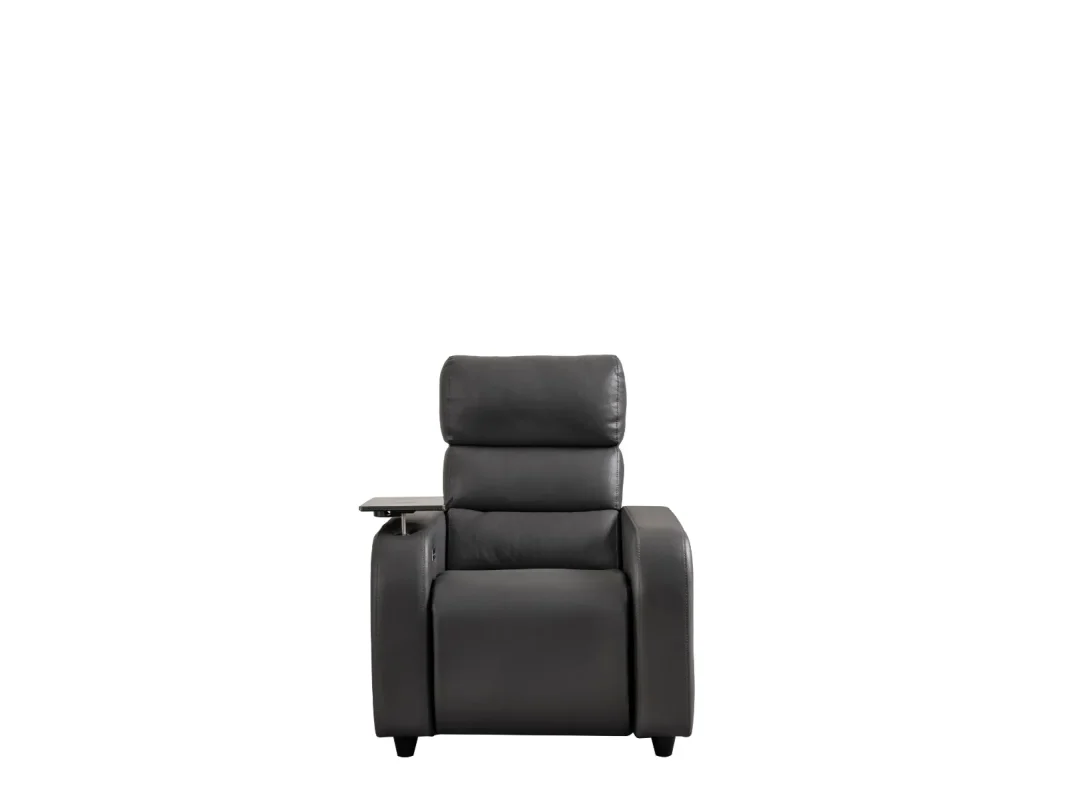
Depending on the selected model, available features may include:
- Cup holders
- USB connections
- LED lighting
- Cooler cup holders
- Tray tables
- Massage functions
Not every feature is available on every model, and some may be optional.
Cinema operators should identify which accessories are genuinely relevant to their customers and confirm their availability with CHAIRIUM before making a purchasing decision.
9. Consider Upholstery and Material Selection
Upholstery influences both the appearance and practical use of cinema seating.
The material should complement the auditorium’s design while also being appropriate for its intended operating environment.
Depending on the selected CHAIRIUM model, upholstery options may include fabric, artificial leather and genuine leather.
Commercial buyers should ask about available materials, cleaning recommendations, care requirements and the specifications of each option.
A well-informed material selection supports a more consistent approach to product presentation and everyday maintenance.
10. Evaluate the Commercial Role of Seating Capacity
Seating capacity is one of the practical considerations in cinema investment planning.
Operators should assess how the chosen VIP configuration relates to the auditorium’s intended capacity and commercial concept.
A larger individual recliner may require a different allocation of space from a conventional cinema chair. Double and triple configurations may offer alternative ways to arrange seating.
The commercial objective should be evaluated alongside the product dimensions and the project’s approved layout.
The most appropriate solution is not necessarily the one that provides the greatest number of seats. It is the configuration that best supports the cinema’s overall business plan.
11. Consider Cleaning and Routine Maintenance
Commercial seating is used by different customers throughout the operating day.
For this reason, operators should understand the cleaning and maintenance requirements of the selected products.
Important questions include:
- Which cleaning methods are recommended?
- What care is appropriate for the chosen upholstery?
- How should the reclining mechanism be maintained?
- Are there specific care instructions for accessories?
- What information is available for routine inspection?
These questions should be discussed before procurement so that the cinema can prepare appropriate operating procedures.
12. Review Product Specifications and Documentation
Professional purchasing decisions should be based on confirmed product information.
Cinema operators should request relevant technical documentation for the models they are considering.
Depending on the product, this may include:
- Overall dimensions
- Seat dimensions
- Reclining information
- Upholstery specifications
- Available configurations
- Standard equipment
- Optional features
- Product drawings and photographs
CHAIRIUM provides product information and digital catalogue resources that can help buyers explore its collections.
Official catalogue:
Product collection:
13. Assess the Visual Contribution to the Cinema Brand
VIP recliners are prominent elements of an auditorium’s interior.
Their colour, shape, upholstery and overall design can influence how customers perceive the venue.
Cinema operators should evaluate seating in relation to their brand identity and the intended atmosphere of the auditorium.
A consistent visual direction can help connect the seating, interior design and customer-facing presentation.
For cinema groups operating multiple locations, it may also be useful to consider how seating choices contribute to a recognizable brand experience across different venues.
14. Compare Proposals on an Equivalent Basis
Comparing supplier quotations requires more than looking at the final price.
Two proposals may include different models, materials, functions, accessories or seating configurations.
For a meaningful comparison, cinema operators should review:
- Exact product models
- Quantities and configurations
- Included functions
- Optional equipment
- Upholstery and material choices
- Technical documentation
- Delivery and project terms
A written comparison based on equivalent specifications provides a clearer basis for commercial evaluation.
It also reduces the risk of misunderstandings during the purchasing process.
15. Consider the Long-Term Operational Requirements
A cinema seating investment should be assessed in relation to the venue’s intended operating period.
Operators should ask questions about product care, routine inspection, the availability of relevant product information and the practical requirements of maintaining the selected seating.
They should also clarify any applicable warranty conditions and the process for handling technical questions.
These details should be confirmed directly with the manufacturer and documented as part of the purchasing process.
A careful approach to operational planning can help the cinema manage its seating investment more effectively.
16. Evaluate the Manufacturer’s Product Range and Project Capabilities
A cinema project may require more than one seating format or product version.
For this reason, buyers may benefit from working with a manufacturer whose collection includes different models and configurations.
CHAIRIUM presents a range of VIP cinema chairs and recliners for residential and commercial applications.
Its official website allows customers to explore product families, review selected models and discuss project requirements.
For cinema operators, architects and procurement professionals, reviewing the manufacturer’s collection is a useful step before preparing a detailed enquiry.
17. Prepare a Professional Project Enquiry
A well-prepared enquiry makes it easier to discuss the project requirements with the manufacturer.
Cinema operators should provide relevant information such as:
- The cinema’s location and project type
- The intended auditorium or seating application
- The approximate number of seats
- Preferred models or seating formats
- Desired upholstery and colours
- Required functions and accessories
- Available technical drawings or project documents
- Expected purchasing timetable
The information does not need to be complete at the first contact. However, a clear project description helps establish a productive discussion.
CHAIRIUM provides official contact and enquiry channels through its website.
18. Make Seating Part of a Wider Cinema Business Strategy
VIP recliner seating should be considered as one element of the complete cinema experience.
Its contribution is connected to the venue’s concept, customer expectations, interior design, operating procedures and commercial objectives.
A successful investment decision brings these elements together rather than focusing on one isolated product feature.
For cinema operators, distributors, project developers and investors, CHAIRIUM offers a starting point for exploring VIP cinema chairs and premium recliner seating options.
The final selection should be based on confirmed specifications, the intended application and the requirements of the individual project.
Explore VIP Cinema Seating Solutions with CHAIRIUM
The development of a premium cinema environment begins with a clear understanding of the business concept and the customers it aims to serve.
From individual VIP recliners to double and triple seating configurations, the right product selection can contribute to the identity and functionality of a cinema auditorium.
CHAIRIUM invites cinema operators, investors, architects, interior designers, distributors and commercial project developers to explore its seating collections and discuss their requirements.
Discover CHAIRIUM:
Explore VIP cinema chairs:
Review the complete product collection:
CHAIRIUM — Premium Recliner Seating, VIP Cinema Chairs and Tailored Seating Solutions.