

Introduction
Commercial VIP recliner seating is more than an interior design choice. In cinemas, private screening venues, entertainment facilities and premium hospitality environments, seating is part of the daily operation of the business.
A suitable seating solution should be considered from several perspectives: product specifications, frequency of use, cleaning routines, operating mechanisms, upholstery, maintenance planning, user requirements and long-term business value.
For venue owners and project developers, choosing VIP recliners is therefore not simply about selecting an attractive model. It is about understanding how the seating will function throughout its service life and how it will support the intended environment.
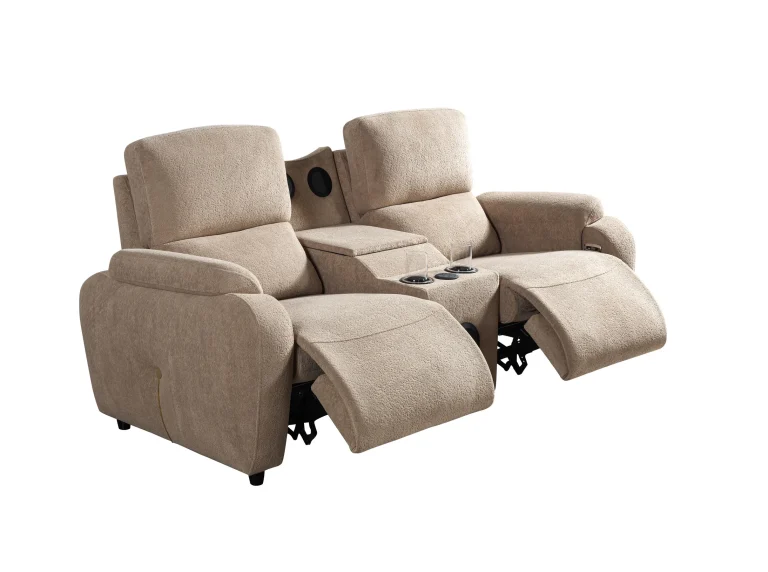
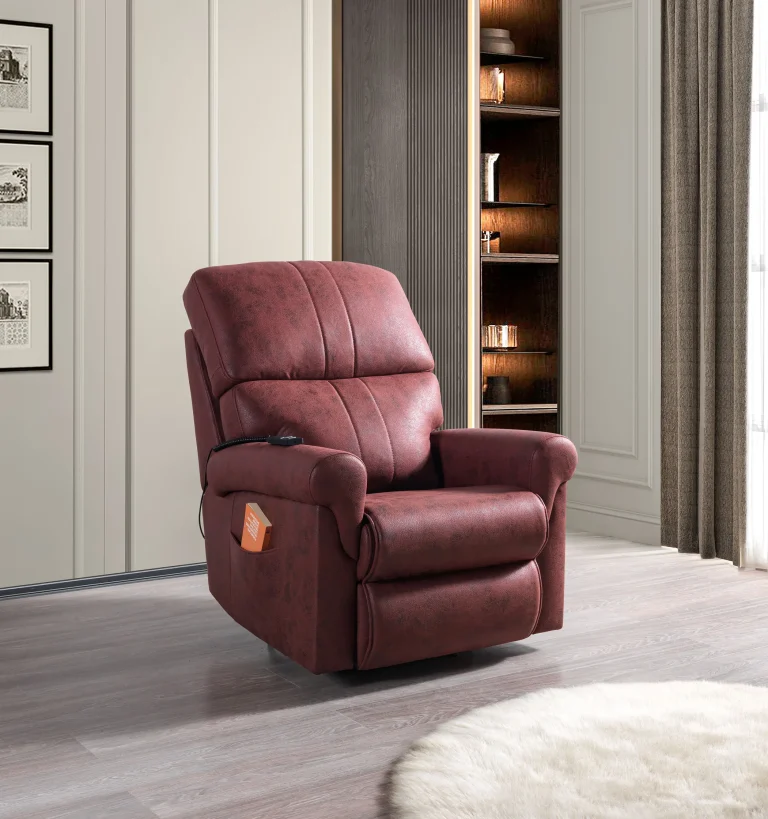
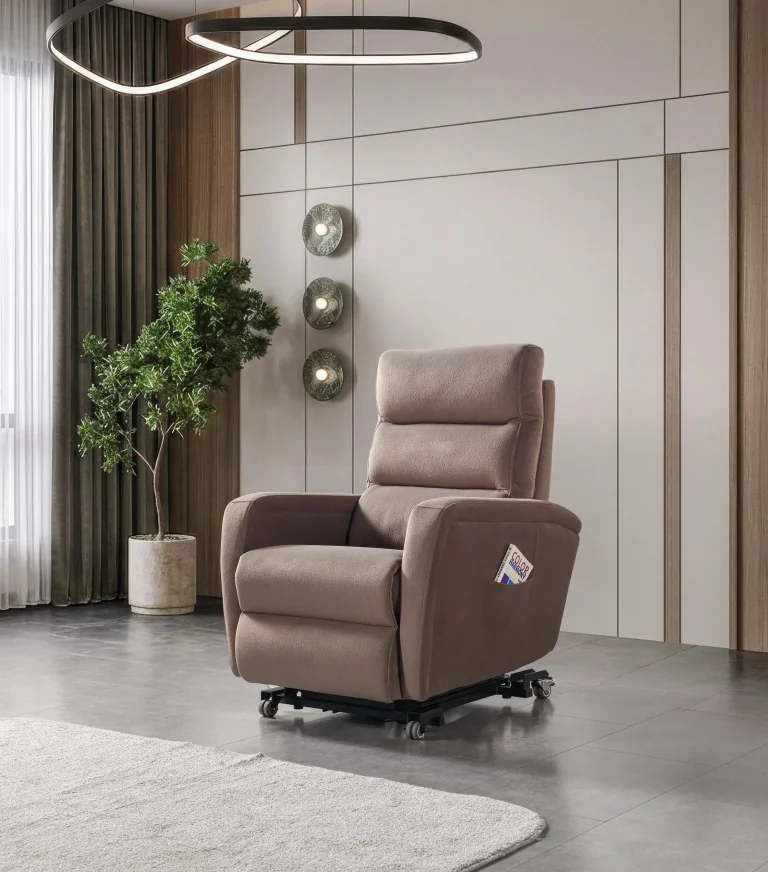
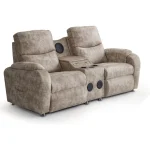
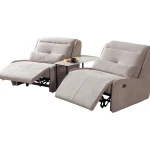
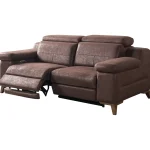
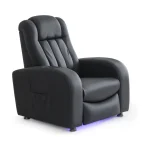
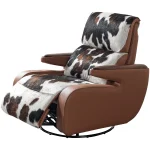
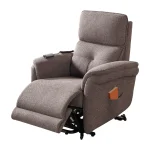
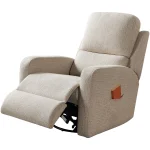
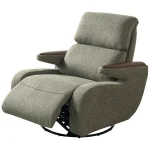
CHAIRIUM brings together VIP cinema chairs, motorized recliners, double seating solutions and other premium seating models for different residential and commercial applications. Its product collections provide a starting point for evaluating seating according to project requirements.
This article presents 18 important considerations for planning, operating and maintaining commercial VIP recliner seating with CHAIRIUM.
1. Consider Seating as Part of the Business Infrastructure
In a commercial cinema or entertainment venue, seating is an important part of the physical infrastructure.
It is used repeatedly, interacts with visitors throughout the day and contributes to the overall appearance of the venue. Its selection should therefore be approached with the same attention given to other essential elements of the interior.
A project team should consider the expected frequency of use, the type of visitors, the intended atmosphere and the practical requirements of daily operation.
CHAIRIUM’s VIP recliner collections allow buyers to explore different seating formats for premium entertainment environments.
2. Understand the Difference Between Residential and Commercial Use
A recliner selected for a private living room may have different priorities from a chair intended for a commercial cinema.
Residential users may focus on personal preferences, room decoration and occasional use. Commercial operators may also need to consider repeated daily operation, cleaning routines, visitor turnover and consistent seating arrangements.
Before selecting a model, buyers should explain its intended application to CHAIRIUM.
The manufacturer can then review the relevant product information and help clarify which models and specifications may be appropriate for the project.
3. Evaluate the Expected Frequency of Use
The number of hours a chair is used and the frequency with which different visitors operate it are important planning considerations.
A VIP auditorium with several screenings per day may have different operational requirements from a small private screening room.
Project developers should estimate:
- Expected daily visitor numbers.
- Number of screenings or operating hours.
- Approximate seat occupancy.
- Frequency of cleaning between sessions.
- The expected intensity of reclining mechanism use.
These estimates help buyers prepare a more realistic product specification and discuss relevant technical questions with the manufacturer.
4. Review the Reclining Mechanism and Its Operating Requirements
Reclining mechanisms are central to the function of motorized VIP seating.
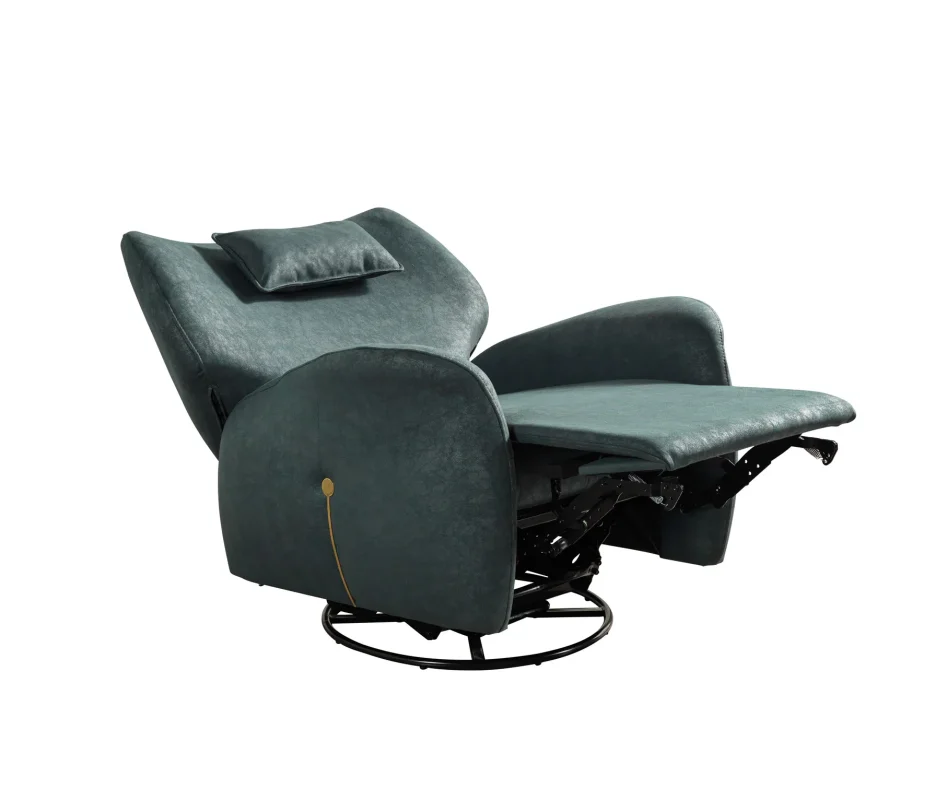
CHAIRIUM presents motorized recliner models with different operating arrangements. Depending on the selected model, the reclining function may be controlled by buttons or a remote control.
Before purchasing, operators should confirm the mechanism, control arrangement, electrical requirements and operating instructions for each selected product.
Staff should also understand how to identify normal operation and when a chair should be taken out of service for inspection.
5. Distinguish Standard Features from Optional Equipment
A product photograph may show several accessories, but not every visible feature is necessarily included as standard equipment.
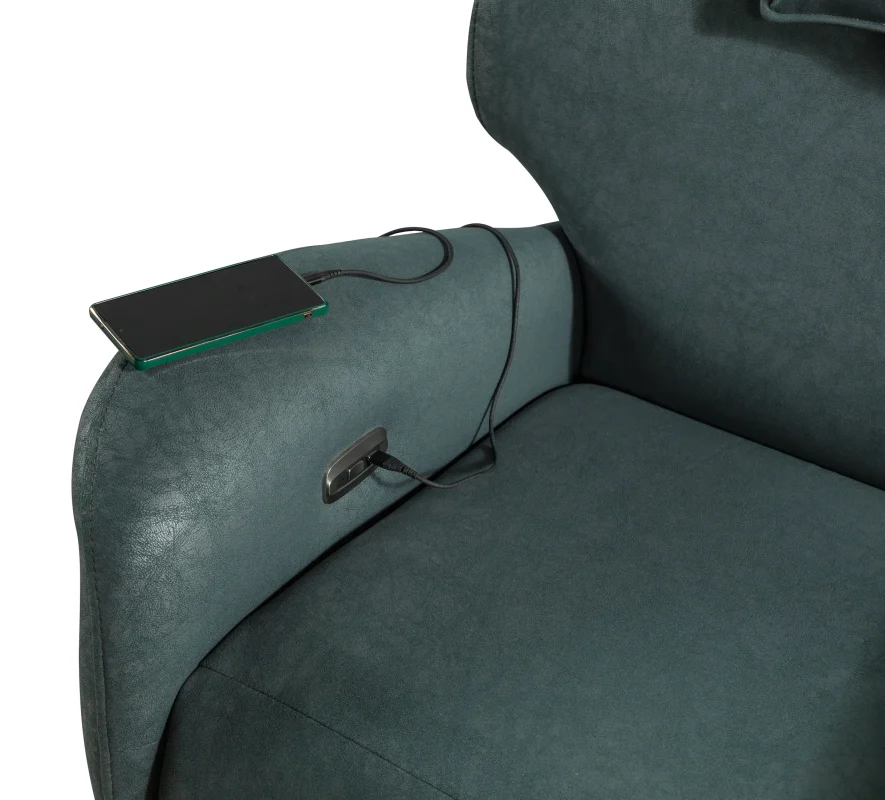
Depending on the CHAIRIUM model, features may include standard USB ports or cup holders, while other functions may be offered as optional equipment.
Possible options on selected models include:
- LED lighting.
- Massage functions.
- Cooler cup holders.
- Tray tables.
- Additional accessories.
Commercial buyers should request a written specification that clearly identifies included features and optional equipment.
This helps prevent misunderstandings during quotation, ordering and project preparation.
6. Establish a Practical Cleaning Routine
Regular cleaning is an essential part of operating commercial seating.
Different upholstery materials may require different care methods. Cleaning products, cloth types and procedures should be selected according to the manufacturer’s instructions for the specific material.
CHAIRIUM product information for selected recliners recommends avoiding prolonged direct sunlight and water contact, and describes cleaning with a damp cloth and mild soapy water. It also advises against chemicals and bleach on those products.
Operators should always confirm the care instructions for their chosen model and upholstery before establishing a cleaning procedure.
7. Select Upholstery with Daily Maintenance in Mind
The appearance of upholstery is important, but commercial operators should also consider how it will be maintained.
CHAIRIUM presents fabric, artificial leather and selected genuine leather options across different models. Availability depends on the product.
When comparing upholstery alternatives, project teams should discuss:
- The intended commercial application.
- The expected cleaning frequency.
- The manufacturer’s care recommendations.
- The preferred appearance and colour.
- The suitability of the material for the venue’s operating conditions.
The most appropriate choice is the one that balances the desired appearance with realistic maintenance requirements.
8. Protect the Seating from Avoidable Environmental Damage
Environmental conditions can influence the appearance and condition of furniture over time.
Direct sunlight, excessive moisture and unsuitable cleaning chemicals may affect some upholstery and surface materials.
A practical operating plan should identify potential sources of damage, including sunlight entering through windows, moisture near cleaning areas and inappropriate storage of cleaning products.
Following the product-specific care instructions is a simple but important part of protecting the seating investment.
9. Create a Routine Inspection Schedule
Routine visual inspections can help staff identify issues before they become larger operational problems.
A venue may establish a simple inspection process that covers:
- Visible upholstery condition.
- Armrests and accessible structural areas.
- Reclining movement.
- Buttons, controls and remote units.
- Cup holders and USB connections, where fitted.
- Loose or damaged accessories.
- Unusual sounds or movement.
The inspection frequency should reflect the venue’s usage level and the manufacturer’s recommendations.
Any suspected mechanical or electrical issue should be assessed by an appropriately qualified service professional.
10. Train Employees to Use the Seating Correctly
Employees are often the first people to notice an operational issue.
Cinema attendants, cleaning teams and maintenance personnel should understand the basic operating instructions for the installed recliners.
Training can include:
- How to operate the reclining function.
- How to explain the controls to visitors.
- Which cleaning methods are approved.
- How to report a malfunction.
- When a seat should be temporarily removed from use.
- Where to find the relevant product documentation.
Clear procedures help create consistent handling across different shifts and departments.
11. Keep Product Documentation Accessible
Technical information is useful throughout the life of a commercial seating project.
Operators should maintain a record of the selected models, product dimensions, upholstery specifications, operating instructions and agreed optional features.
Where available, product datasheets and technical documents should be stored in an accessible location for the purchasing, maintenance and management teams.
CHAIRIUM provides product pages and technical information for selected models. Buyers can use these resources as part of their product evaluation and project documentation process.
12. Plan for Electrical and Installation Requirements
Motorized recliners may require electrical connections and appropriate installation arrangements.
Before installation, the project team should review the electrical requirements, cable routing, access to connections and the relationship between the seating layout and the building infrastructure.
The installation plan should also consider whether maintenance personnel can safely access relevant components when necessary.
Electrical work and technical inspections should be handled by qualified professionals in accordance with applicable local requirements.
13. Consider Replacement and Repair Procedures Before Opening
A commercial venue should have a clear procedure for responding when a chair becomes damaged or stops operating correctly.
Before opening, management can establish how staff should report problems, who is responsible for initial inspection and how a seat is isolated from visitor use when required.
Buyers should also discuss product-specific service arrangements, replacement components and technical support directly with CHAIRIUM before finalizing their purchasing decisions.
Availability, response times and service conditions should be confirmed in writing rather than assumed.
14. Review the Seating Configuration as an Operational Decision
Single, double and multi-seat arrangements can influence how a commercial venue manages its space.
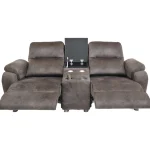
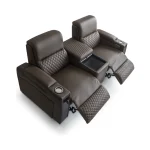
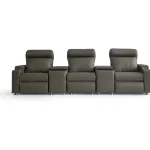
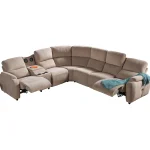
CHAIRIUM offers different seating formats, including single recliners, double recliners and selected triple or sofa configurations.
A venue may use different formats in separate zones according to its concept and operating requirements.
Before ordering, operators should confirm the dimensions, configuration options and reclining clearance of the selected models.
The aim is to create a seating arrangement that supports the intended visitor experience without creating unnecessary operational difficulties.
15. Evaluate the Long-Term Cost, Not Only the Purchase Price
The initial purchase price is only one part of a commercial seating decision.
A more complete evaluation may include:
- Product specifications.
- Installation requirements.
- Cleaning and maintenance procedures.
- Expected operating intensity.
- Replacement and repair arrangements.
- Availability of technical documentation.
- The visual consistency of the installed seating.
A clear comparison of these factors helps buyers understand the broader value of different seating proposals.
CHAIRIUM customers can discuss the intended application and product requirements when requesting a project quotation.
16. Maintain Consistency Across Multiple Rooms or Locations
Cinema operators and entertainment businesses may operate several screening rooms or multiple venues.
In such projects, consistent product specifications can make purchasing, staff training, cleaning procedures and maintenance records easier to organize.
The project team should identify which models, upholstery choices and configurations are required in each area.
If different seating models are planned for separate zones, the distinctions should be recorded clearly in the project documentation.
CHAIRIUM’s product range provides different models and configurations that can be reviewed for multi-area seating projects.
17. Build a Long-Term Relationship Around Clear Project Information
A successful commercial seating project depends on clear communication between the buyer, project team and manufacturer.
When contacting CHAIRIUM, buyers can prepare:
- The type and location of the venue.
- The intended commercial application.
- Approximate seating quantity.
- Preferred models or seating formats.
- Room plans and relevant dimensions.
- Upholstery preferences.
- Required standard and optional features.
- Technical or maintenance questions.
Providing this information makes it easier to discuss product suitability, specifications and quotation requirements.
For larger projects, written confirmation of the agreed product details is especially important.
18. Make Long-Term Seating Value Part of the Original Decision
The value of commercial VIP recliner seating should not be judged only by its appearance on delivery day.
A well-planned project considers how the chairs will be operated, cleaned, inspected and managed over time.
This approach helps businesses make more informed decisions and establish practical procedures before the venue begins operating.
CHAIRIUM offers VIP cinema chairs, motorized recliners and different seating configurations for buyers exploring premium seating solutions.
By reviewing product specifications, discussing project requirements and establishing clear maintenance procedures, operators can approach their seating investment with a more complete understanding of its long-term responsibilities.
Conclusion: Commercial Seating Requires More Than a Product Choice
Commercial VIP recliner seating is a long-term operational consideration for cinemas, entertainment venues and premium hospitality environments.
Product selection, installation planning, staff training, cleaning routines, inspections and technical documentation all contribute to the way a seating project is managed.
CHAIRIUM provides a range of VIP recliners and cinema seating solutions that buyers can explore according to their project requirements.
For operators planning a new venue or upgrading an existing environment, the next step is to review the available collections, identify the required specifications and discuss the project directly with CHAIRIUM.
CHAIRIUM — Premium Recliner Seating, VIP Cinema Chairs and Project-Based Seating Solutions.
Website: https://www.chairium.com/
Product Collections: https://www.chairium.com/auditorium-chair-products
VIP Cinema Chairs: https://www.chairium.com/products/vip-cinema-chairs
Contact: https://www.chairium.com/contact-chairium-auditorium-chairs-manufacturer
Frequently Asked Questions
1. Are CHAIRIUM recliners suitable for commercial cinema projects?
CHAIRIUM presents VIP cinema seating and recliner models for commercial and residential applications. Buyers should confirm the intended use and technical suitability of the selected model with the company.
2. What should a cinema operator check before purchasing VIP recliners?
Important considerations include product dimensions, reclining mechanism, upholstery, standard features, optional equipment, electrical requirements and maintenance instructions.
3. How should commercial recliners be cleaned?
Cleaning methods depend on the upholstery and product. Operators should follow the manufacturer’s care instructions for the specific model and material.
4. Are all CHAIRIUM recliners motorized?
No. The product range includes different operating arrangements. Buyers should review the individual product pages to confirm whether a model is motorized or manual.
5. Can CHAIRIUM seating be supplied in different configurations?
CHAIRIUM presents single, double, triple and selected multi-seat or sofa configurations. Availability and specifications depend on the model.
6. Are USB ports and cup holders included?
Some models list USB ports and cup holders as standard features. The exact specification should be checked on the relevant product page.
7. Can optional features be added to every model?
Optional features vary by product. Buyers should confirm the available options for their selected model before ordering.
8. Why is staff training important for VIP recliner seating?
Staff training helps employees understand correct operation, approved cleaning procedures and how to report possible faults.
9. What documents should a commercial buyer request?
Useful documents may include product datasheets, dimensions, operating instructions, upholstery information and a written quotation specifying the agreed equipment.
10. How can a business discuss a commercial seating project with CHAIRIUM?
Visit https://www.chairium.com/ and contact CHAIRIUM with the venue type, location, seating quantity, preferred models and project requirements.