
Introduction
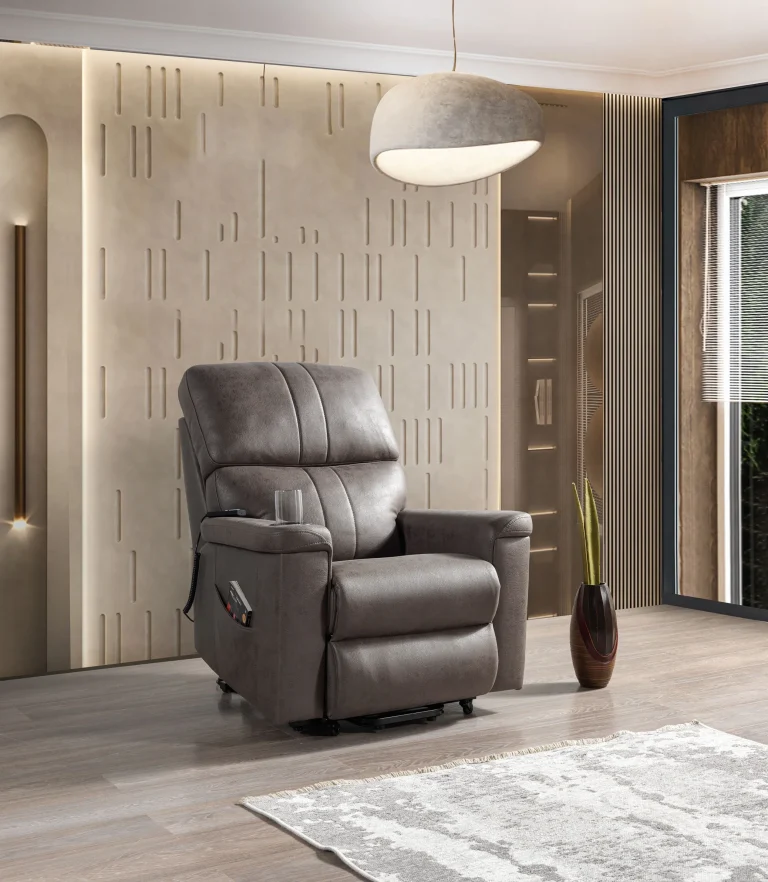
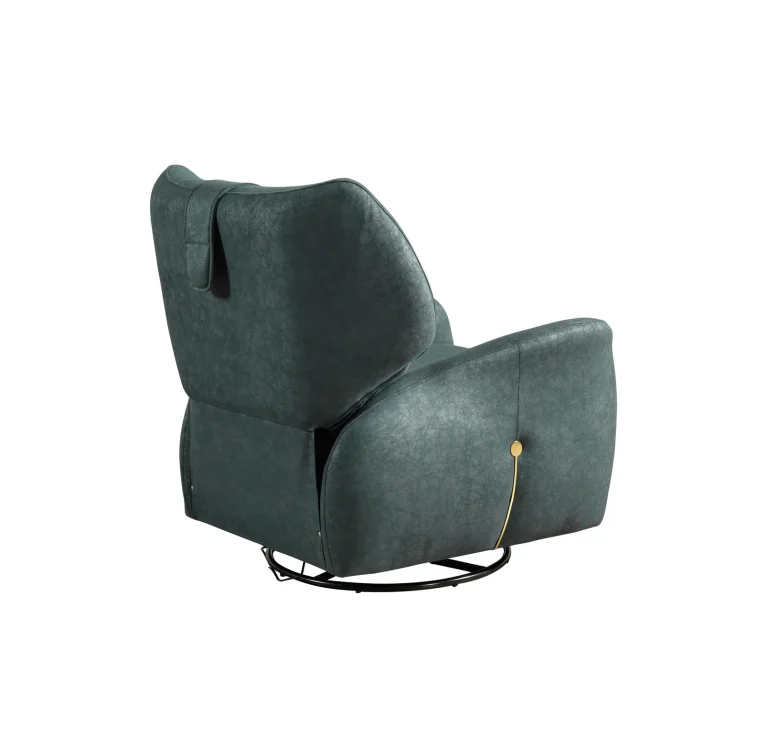
Choosing the right seating solution is an important decision for both private and commercial environments. A recliner that works perfectly in a residential living room may not necessarily be the best choice for a VIP cinema, a luxury entertainment area or a large commercial seating project.
The right decision requires more than comparing product photographs or selecting the most attractive design. Buyers need to consider the intended application, seating capacity, dimensions, reclining mechanisms, upholstery, functionality, available configurations and the requirements of the space.
For individuals and businesses researching premium recliners, VIP cinema chairs and tailored seating solutions, CHAIRIUM.com provides a dedicated destination for exploring different products, collections and project possibilities.
CHAIRIUM brings together seating solutions for private residences, home cinema environments, commercial cinema spaces and other professional applications.
This guide presents 18 important considerations to help visitors evaluate seating alternatives, understand product differences and prepare more informed enquiries.
Contents
- Define the Purpose of the Seating Before Comparing Products
- Identify the Environment Where the Recliner Will Be Used
- Understand the Difference Between Residential and Commercial Seating
- Compare Recliner Types and Seating Configurations
- Evaluate the Relationship Between Comfort and Design
- Understand Manual and Motorized Reclining Systems
- Examine Dimensions Before Selecting a Model
- Consider Upholstery Materials and Surface Finishes
- Evaluate Colour and Interior Design Compatibility
- Compare Standard and Optional Product Features
- Consider Individual Seating and Shared Seating Arrangements
- Examine Product Series Rather Than Relying on One Photograph
- Use Technical Datasheets to Support Your Decision
- Consider Cleaning, Care and Everyday Use
- Evaluate the Requirements of a Complete Seating Project
- Prepare a Structured Product Comparison
- Communicate Your Requirements Directly with CHAIRIUM
- Make a Decision Based on Suitability and Long-Term Value
1. Define the Purpose of the Seating Before Comparing Products
The first step in selecting a recliner is understanding why the seating is needed.
Different users have different expectations.
A homeowner may want a comfortable chair for watching television, reading or relaxing. Someone planning a private cinema may require a coordinated arrangement of reclining seats. A cinema operator may be interested in VIP seating that contributes to a premium customer experience.
A furniture distributor may have a completely different objective: identifying product families that suit a particular market.
These requirements should not be treated as identical.
Before comparing products, establish:
- The primary purpose of the seating.
- The intended users.
- The expected number of seats.
- The type of environment.
- The preferred visual style.
- The required functions.
- The approximate project budget.
A clear purpose makes it easier to eliminate unsuitable alternatives and focus on products that answer the actual requirement.
CHAIRIUM.com offers a starting point for exploring different seating categories according to these needs.
2. Identify the Environment Where the Recliner Will Be Used
The surrounding environment has a significant influence on product selection.
A private living room may offer considerable freedom in furniture arrangement, while a dedicated home cinema has specific viewing and circulation requirements.
Commercial cinema environments may require coordinated rows, consistent seating configurations and consideration of customer movement.
Other possible applications include:
- Private home cinema rooms.
- Residential living rooms.
- Luxury entertainment areas.
- VIP cinema spaces.
- Commercial cinemas.
- Hotel and hospitality environments.
- Selected public and professional spaces.
CHAIRIUM presents seating solutions for both public and private environments.
Visitors should identify the intended application first, then explore the product models that are relevant to that environment.
This approach creates a more meaningful comparison than selecting a chair based exclusively on its appearance.
3. Understand the Difference Between Residential and Commercial Seating
Residential and commercial seating may share similar design characteristics, but their planning requirements can be different.
In a residential environment, personal preferences, room dimensions and coordination with existing furniture may be the main considerations.
In commercial applications, additional subjects may become important:
- Total seating capacity.
- Repeated configurations.
- Space efficiency.
- Product consistency.
- Operational requirements.
- Maintenance arrangements.
- Project quantities.
- Installation planning.
A residential customer may be interested in one motorized recliner, whereas a commercial buyer may need several coordinated seating configurations.
CHAIRIUM’s product portfolio provides different possibilities for these applications.
The appropriate model should be evaluated according to the actual project rather than assuming that one seating solution is automatically suitable for every environment.
4. Compare Recliner Types and Seating Configurations
Recliners are available in different seating arrangements, and each configuration serves a different purpose.
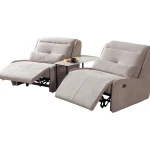
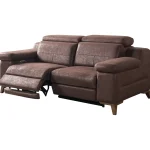
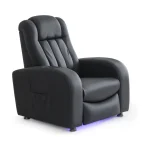
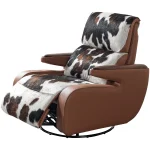
A single recliner is designed for individual seating. A double recliner can provide a shared arrangement for two people. Triple recliners and larger configurations can be useful where more seating capacity is required.
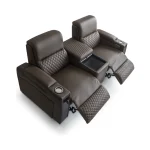
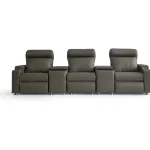
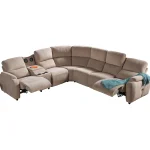
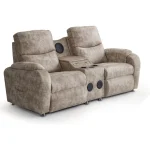
CHAIRIUM’s product portfolio includes:
- Single recliners.
- Double recliners.
- Triple recliner sofas.
- Recliner sofa sets.
- Corner seating arrangements.
- VIP cinema seating solutions.
When comparing these configurations, consider the total available space, number of users, desired seating arrangement and movement required around the furniture.
A larger configuration is not automatically better. The correct choice is the one that provides an appropriate balance between capacity, comfort and the dimensions of the room.
5. Evaluate the Relationship Between Comfort and Design
Comfort and design should be evaluated together.
A visually impressive chair should also correspond to the intended sitting experience.
Important considerations include:
- Seat proportions.
- Backrest shape.
- Armrest design.
- Cushioning.
- Reclining position.
- Footrest arrangement.
- General seating dimensions.
- Ease of operation.
For a home cinema, the seating should support the intended entertainment experience.
For a residential living room, its appearance should also complement the wider interior.
For VIP commercial environments, product design may contribute to the overall atmosphere and customer perception of the space.
CHAIRIUM’s collections allow visitors to explore different designs and compare the visual and functional characteristics of individual models.
6. Understand Manual and Motorized Reclining Systems
One important distinction between recliner products is the operating mechanism.
Manual recliners and motorized recliners offer different ways of adjusting the seating position.
A manual model may be suitable for users who prefer a straightforward operating system.
A motorized model can provide powered movement through an integrated control system.
When comparing mechanisms, consider:
- How the reclining function operates.
- Whether electrical power is required.
- The position and accessibility of the controls.
- The available reclining movement.
- Any additional electrical features.
- The suitability of the mechanism for the intended user.
CHAIRIUM offers both manual and motorized models in its product portfolio.
The exact functions and available options should be checked on the relevant product page and confirmed for the selected configuration.
7. Examine Dimensions Before Selecting a Model
Dimensions should be evaluated before making a final product selection.
A recliner must fit within the available space in both its normal and reclining positions.
For this reason, checking only the width of a chair is not sufficient.
Buyers should consider:
- Overall width.
- Overall depth.
- Overall height.
- Seat width.
- Armrest width.
- Reclining clearance.
- Distance between adjacent seats.
- Access routes and circulation space.
For a home cinema, the arrangement should also consider the viewing position and available room depth.
For commercial projects, dimensions need to be evaluated across the complete seating layout.
CHAIRIUM provides product-related dimensional information and offers selected customization possibilities, depending on the model.
Using actual room measurements makes product comparisons more accurate and helps prevent unsuitable selections.
8. Consider Upholstery Materials and Surface Finishes
Upholstery influences the appearance and character of a recliner.
Different materials create different visual impressions and may have different practical characteristics.
When comparing upholstery, consider:
- Fabric options.
- Artificial leather.
- Genuine leather.
- Surface texture.
- Colour availability.
- Cleaning requirements.
- Suitability for the intended environment.
CHAIRIUM presents different upholstery possibilities across its product portfolio.
Material availability varies by model, so visitors should not assume that every upholstery option is available for every chair.
For projects involving several seats, it is also useful to consider how the selected upholstery will appear across the complete arrangement.
9. Evaluate Colour and Interior Design Compatibility
Colour selection can influence the overall atmosphere of a room.
A dark upholstery colour may suit a dedicated cinema environment, while a lighter or more distinctive finish may complement a residential interior.
The choice should be considered in relation to:
- Wall colours.
- Flooring.
- Lighting.
- Curtains and decorative elements.
- Existing furniture.
- The overall design concept.
For commercial projects, consistent colour selection can contribute to a coordinated interior.
CHAIRIUM’s customization approach allows visitors to explore colour and upholstery possibilities for selected models.
Interior photographs, colour references and design drawings can be useful when discussing a project with the manufacturer.
10. Compare Standard and Optional Product Features
Not all recliners have identical specifications.
Some models include particular features as standard equipment, while others may offer additional functions as optional choices.
Depending on the model, features may include:
- Motorized reclining.
- USB charging.
- Cup holders.
- Cooler cup holders.
- LED lighting.
- Massage functions.
- Tray tables.
- Storage compartments.
- Other model-specific functions.
For example, the CHAIRIUM Anika series provides a combination of motorized reclining and different optional features, as described in its product documentation.
Buyers should distinguish between standard and optional equipment before comparing quotations.
A useful comparison records the exact configuration rather than simply comparing the product names.
This helps avoid misunderstandings when evaluating different models.
11. Consider Individual Seating and Shared Seating Arrangements
Some projects require independent seats, while others benefit from shared seating arrangements.
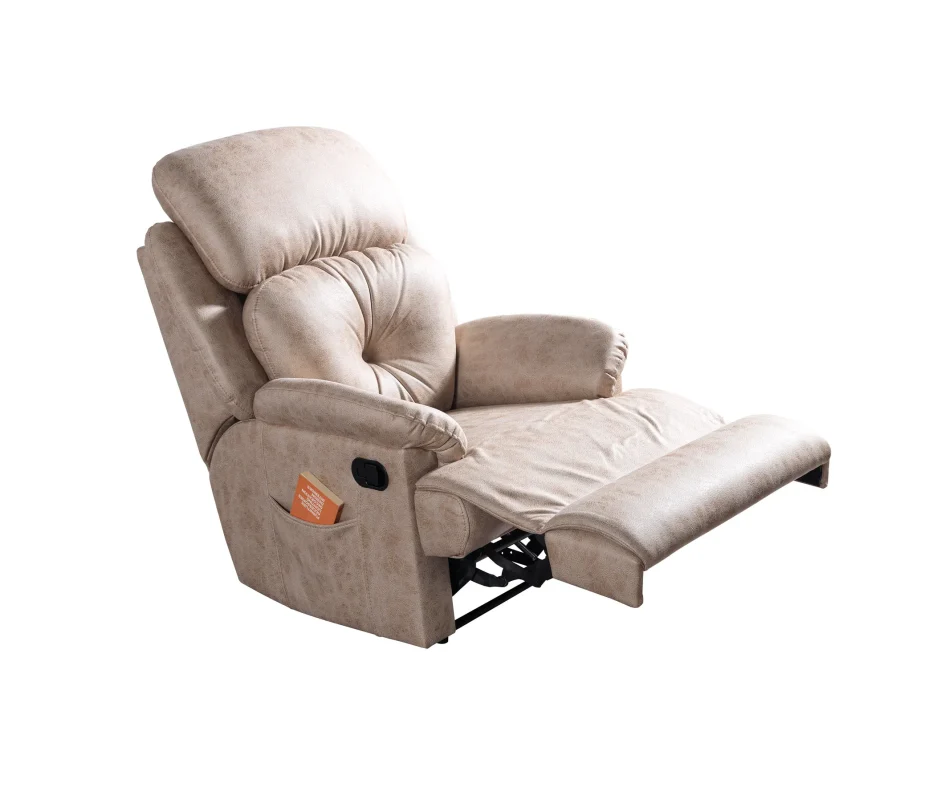
The decision can influence the layout, overall dimensions and appearance of the seating area.
Examples include:
- Individual single recliners.
- Double recliners with a central console.
- Double seating with shared armrests.
- Multi-seat sofa arrangements.
- Coordinated cinema seating rows.
CHAIRIUM offers different configurations across its collections.
For a cinema project, the arrangement may depend on the desired seating capacity and layout.
For a private home cinema, the decision may be based on the number of family members and the intended viewing experience.
Evaluating the complete arrangement rather than individual chairs alone can lead to a more practical result.
12. Examine Product Series Rather Than Relying on One Photograph
A product photograph provides an initial impression, but a complete evaluation should involve more than one image.
Different product versions may have different features, dimensions, configurations or upholstery choices.
CHAIRIUM’s collections include series such as:
- Mari.
- Alis.
- Anika.
- Zero.
- Atlas.
- Babil.
- Flora.
- Pier.
- Serena.
- Siesta.
- Star.
- Golden.
- Oscar.
- Lena.
- Vega.
Visitors can explore the available models and compare the versions within each series.
This is particularly useful for buyers who have identified a preferred design but still need to determine which configuration best matches their requirements.
The official website and E-Catalog provide useful starting points for this research.
13. Use Technical Datasheets to Support Your Decision
Technical datasheets are valuable resources when comparing seating products.
They provide information that may not be immediately apparent from product photographs.
The CHAIRIUM E-Catalog organizes product documentation by series and provides downloadable datasheets with information about relevant versions, dimensions, options, colours and product links.
These resources can help buyers:
- Compare different models.
- Review product dimensions.
- Identify available configurations.
- Understand selected optional features.
- Share product information with colleagues.
- Prepare more specific enquiries.
For architects, interior designers and commercial buyers, technical documentation can also support project discussions.
The latest available information should always be checked before confirming a product specification.
14. Consider Cleaning, Care and Everyday Use
A recliner should be considered in relation to its expected everyday use.
Residential and commercial environments may have different cleaning and maintenance requirements.
A chair used occasionally in a private room may experience a different pattern of use from seating installed in a commercial entertainment environment.
Before selecting upholstery and features, consider:
- How frequently the seating will be used.
- Who will use it.
- Which cleaning methods are appropriate.
- The care requirements of the selected material.
- How the reclining mechanism will be used.
- Whether maintenance information is available.
Buyers should follow the manufacturer’s care instructions for the specific upholstery and product.
This helps ensure that everyday use and product care are considered from the beginning rather than after installation.
15. Evaluate the Requirements of a Complete Seating Project
When several chairs are required, product selection becomes part of a larger planning process.
The complete project may involve room measurements, seating capacity, product configurations, upholstery choices and installation considerations.
A useful project evaluation should include:
- The location and intended application.
- The total number of seats.
- The available floor area.
- Preferred product models.
- Required seating configurations.
- Upholstery and colour preferences.
- Standard and optional features.
- Relevant technical requirements.
- Installation and access considerations.
- Expected project timetable.
This information gives the manufacturer a clearer understanding of the project.
CHAIRIUM invites customers and professional buyers to discuss their spaces and requirements when requesting a project proposal.
16. Prepare a Structured Product Comparison
Comparing products becomes easier when the same criteria are applied to every model.
Instead of relying on memory or general impressions, prepare a simple comparison.
For example:
| Comparison criterion | Model A | Model B |
|---|---|---|
| Seating configuration | Single | Double |
| Reclining system | Motorized | Manual |
| Overall dimensions | Check datasheet | Check datasheet |
| Upholstery | Confirm options | Confirm options |
| Additional features | Confirm | Confirm |
| Intended application | Residential | Commercial |
| Customization | Confirm | Confirm |
The table should be completed using the actual specifications of the selected models.
This method helps buyers identify differences and prepare useful questions.
It is especially helpful when several people are involved in a purchasing decision.
17. Communicate Your Requirements Directly with CHAIRIUM
Online product research is an important first step, but some questions require direct clarification.
Customers may need additional information about available configurations, materials, technical details, customization or project suitability.
Before contacting CHAIRIUM, it is useful to prepare:
- The preferred product or series.
- The intended application.
- Approximate quantity.
- Project location.
- Room dimensions.
- Preferred upholstery.
- Required features.
- Relevant photographs or drawings.
- Specific questions.
CHAIRIUM provides contact and project quotation opportunities through its official website.
Visitors can also explore the product portfolio and E-Catalog before starting a discussion.
A well-prepared enquiry makes it easier to focus on the actual seating requirement.
18. Make a Decision Based on Suitability and Long-Term Value
The best seating solution is not necessarily the most expensive, the largest or the one with the greatest number of features.
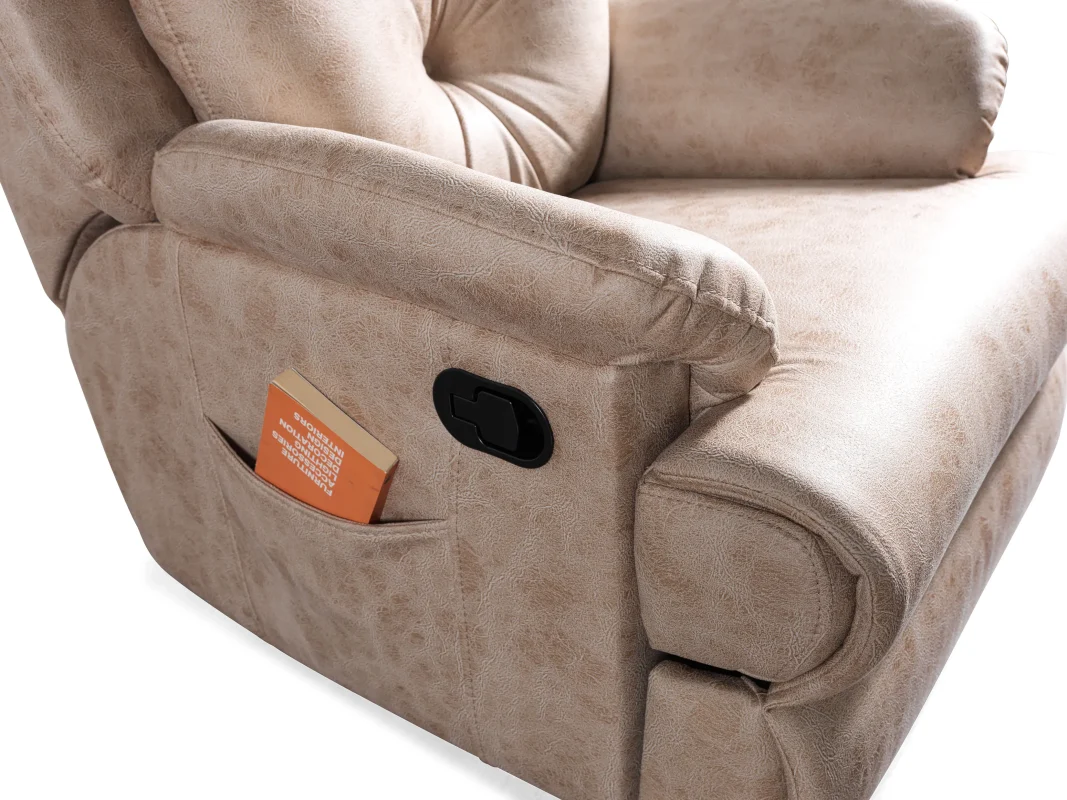
It is the product that corresponds most closely to the intended application and the buyer’s actual requirements.
A considered decision brings together:
- Suitable design.
- Appropriate dimensions.
- Relevant functionality.
- Suitable materials.
- Practical configuration.
- Available technical information.
- Project compatibility.
- Clear communication with the manufacturer.
For a residential customer, this may mean finding a recliner that fits naturally into a living room.
For a cinema operator, it may mean selecting coordinated VIP seating that supports the intended customer experience.
For an international furniture buyer, it may mean identifying a product range that corresponds to the needs of a particular market.
CHAIRIUM.com provides a central point for exploring these possibilities and discussing potential seating solutions.
Conclusion: A Better Seating Decision Begins with Better Information
Choosing the right recliner requires a clear understanding of the product and the environment in which it will be used.
Design, comfort, dimensions, mechanisms, upholstery, optional features and project requirements all contribute to the final decision.
By examining these factors systematically, buyers can move beyond superficial comparisons and identify seating solutions that are more closely aligned with their needs.
CHAIRIUM brings together premium recliner seating, VIP cinema chairs, residential seating collections, product documentation and tailored project possibilities.
Whether you are furnishing a private home cinema, planning a commercial VIP seating area, researching a premium recliner or exploring an international furniture supply opportunity, the official CHAIRIUM website offers a starting point for your research.
Explore the collections, compare product specifications and share your requirements with the company.
CHAIRIUM — Premium Recliner Seating, VIP Cinema Chairs and Tailored Seating Solutions.
Official website: https://www.chairium.com/
Make an informed choice. Explore the possibilities. Find the seating solution that fits your space and your requirements.