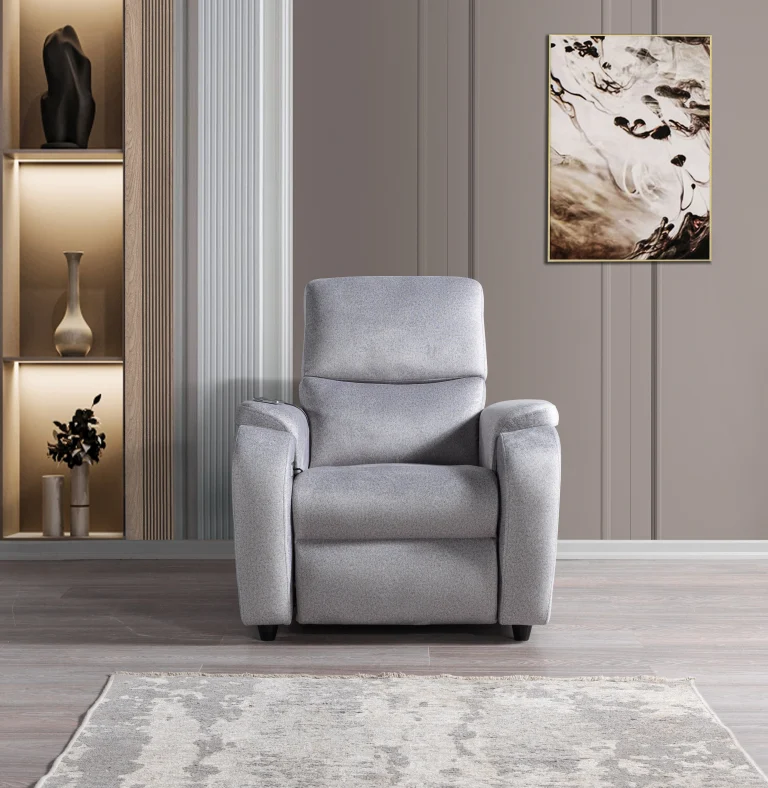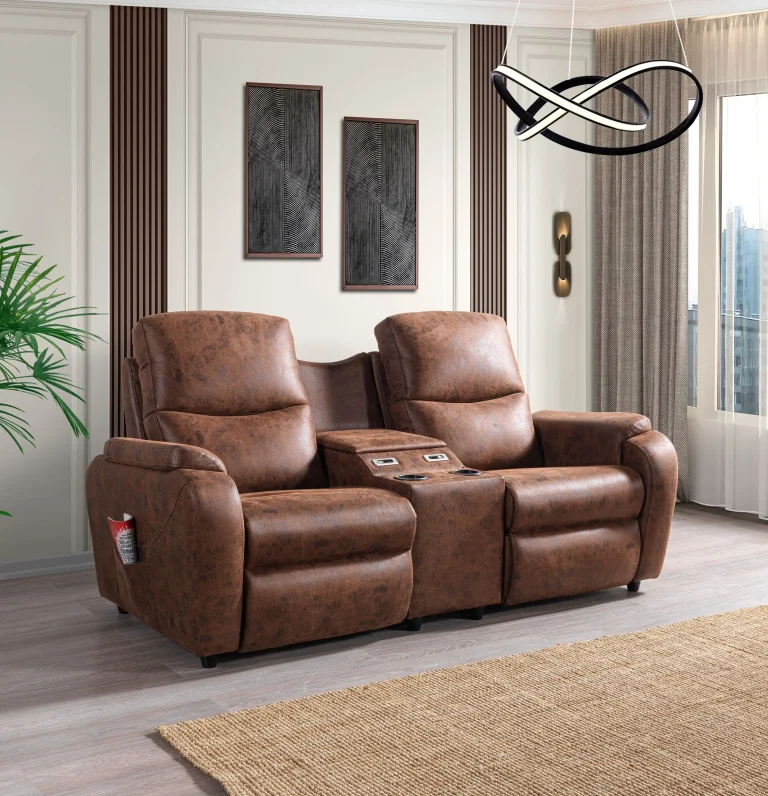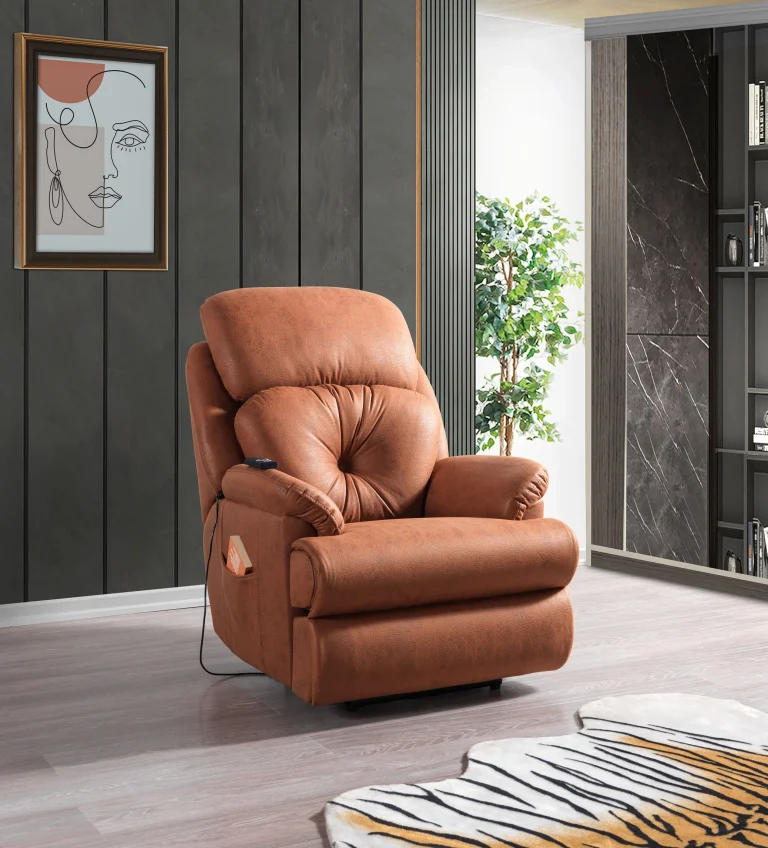

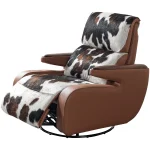
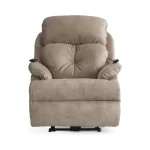
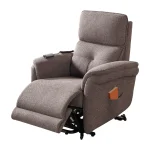
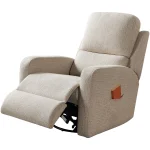
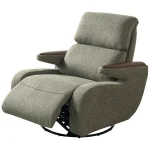
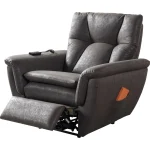
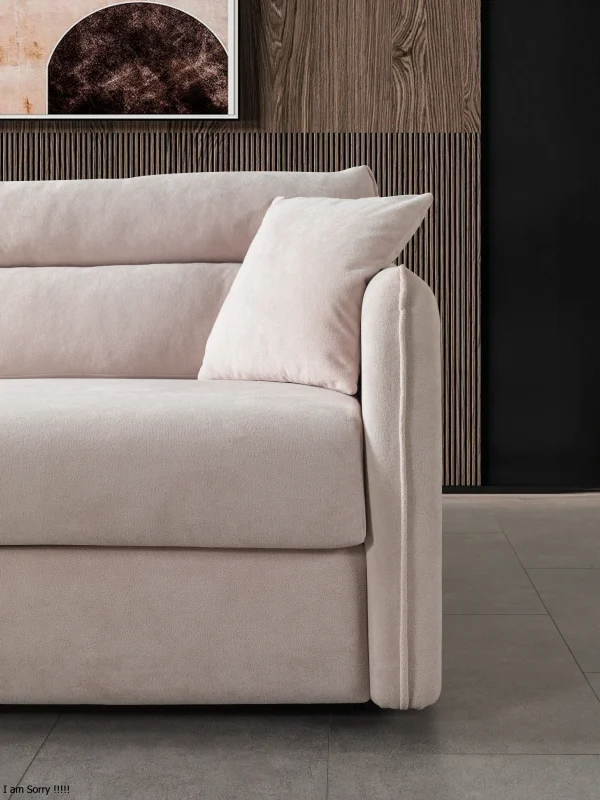
Introduction: Seating Is More Than an Individual Piece of Furniture
A well-designed seating environment is not simply a collection of chairs arranged inside a room. It is a combination of comfort, functionality, visual balance, available space, movement and the way people interact with their surroundings.
A premium recliner may look impressive on its own, but its real value becomes clearer when it is considered as part of a complete living room, home cinema or commercial entertainment environment.
The relationship between seating and interior design is particularly important in VIP cinemas, private screening rooms, hospitality projects and premium residential spaces.
CHAIRIUM approaches seating through a broad product and project perspective, offering recliner seating, VIP cinema chairs, different seating configurations and customization possibilities.
Through CHAIRIUM.com, visitors can explore products and discover possibilities for bringing seating, design and functionality together.
This article examines 18 important considerations for creating a more complete seating experience.
1. Start with the Overall Experience, Not Just the Chair
When planning a seating environment, the first question should be about the experience that the space is intended to provide.
A private cinema may be designed around relaxation and entertainment. A VIP cinema may emphasize exclusivity and individual comfort. A residential living room may need to combine everyday practicality with an attractive appearance.
The chair should therefore be selected according to the overall purpose of the room.
CHAIRIUM’s product collection provides a starting point for exploring different seating possibilities for residential and commercial environments.
2. Create a Visual Relationship Between Seating and Interior Architecture
The visual identity of a room depends on how its individual elements work together.
Wall finishes, flooring, lighting, decorative elements and furniture all contribute to the overall appearance.
Seating should complement these elements rather than compete with them.
For example, a contemporary private cinema may benefit from coordinated upholstery colours and clean furniture lines, while a luxury entertainment room may use richer materials and distinctive seating designs.
The objective is to create a consistent interior concept in which seating becomes an integral part of the architecture.
3. Understand the Importance of Spatial Balance
A room can accommodate many different seating arrangements, but the available floor area determines which configurations are practical.
The relationship between chair width, depth, row spacing and surrounding furniture should be considered together.
A well-balanced layout provides enough space for the intended seating arrangement without making the room feel unnecessarily crowded.
Before selecting a model, it is useful to examine the room dimensions and establish the areas available for seating, circulation and additional equipment.
4. Consider Movement Around Reclining Chairs
Reclining furniture requires more consideration than stationary seating.
The space behind and in front of a recliner may influence its position and the movement of people around it.
For this reason, room planning should consider:
- The space needed for reclining.
- Access to individual seats.
- Passageways between seating arrangements.
- Nearby tables and furniture.
- Doors and entry points.
- The relationship between seating rows.
These considerations are particularly important in private cinema rooms and commercial environments where several seats may operate simultaneously.
5. Select the Right Seating Configuration
Different room concepts require different seating arrangements.
Individual recliners may provide greater flexibility when planning separate seating positions.
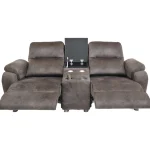
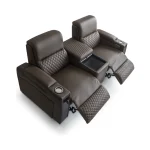
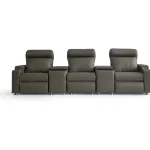
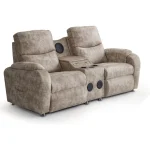
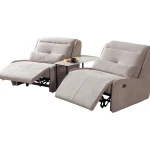
Double recliners can create a shared seating experience, while triple configurations may be appropriate for larger residential arrangements.
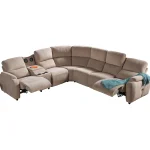
Corner seating and multi-seat sofa configurations can also be considered where the room layout allows them.
CHAIRIUM presents a variety of single, double, triple and multi-seat solutions.
Explore the CHAIRIUM Products Collection to examine the available categories.
6. Think About the Relationship Between Comfort and Functionality
Comfort is influenced by more than the external appearance of a chair.
Seat proportions, back support, reclining functionality, armrest arrangements and upholstery all contribute to the experience.
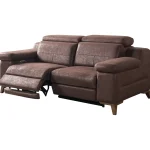
A motorized recliner may provide convenient adjustment, while other models may offer manual functionality.
The right choice depends on the intended use, user expectations and selected product specifications.
CHAIRIUM’s different recliner models allow customers to examine alternative approaches to residential and VIP seating.
7. Integrate Lighting into the Seating Environment
Lighting influences how a seating area looks and feels.
In a private cinema, carefully planned lighting can support a more immersive viewing environment.
In residential entertainment rooms, lighting can help establish a relaxing atmosphere.
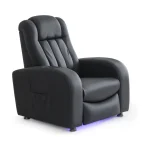
Some CHAIRIUM seating models offer optional LED lighting features, subject to the selected product.
When planning a complete environment, it is useful to consider the relationship between seat lighting, room lighting and the intended atmosphere.
8. Pay Attention to Upholstery and Material Coordination
Upholstery has both a visual and practical role.
The material influences the appearance of the chair, its texture and the way it relates to other interior finishes.
CHAIRIUM presents fabric and artificial leather options as standard on selected models, with genuine leather available as an option on certain products.
Customers can consider:
- Colour compatibility.
- Material texture.
- Intended frequency of use.
- Interior design preferences.
- Cleaning and maintenance requirements.
- The overall appearance of the room.
A consistent material selection can help connect individual seating products with the wider interior concept.
9. Make Armrest Design Part of the Layout
Armrests are not merely decorative details.
Their dimensions and arrangement influence the relationship between neighbouring seats and the available space.
Depending on the selected model, customers may explore shared armrests, independent armrests, central modules or configurations without conventional armrests.
These alternatives can create different visual and practical arrangements.
For example, a double seating arrangement may have different requirements from a row of individual VIP cinema chairs.
The available configurations should be checked on the relevant CHAIRIUM product page.
10. Think About Individual Comfort in Shared Environments
A shared room does not necessarily mean that every user has identical preferences.
In cinemas and entertainment spaces, individual seating functions can contribute to a more personalized experience.
Features such as reclining mechanisms, cup holders and USB connectivity may be relevant, depending on the selected product.
Optional features such as massage, cooler cup holders, LED lighting and tray tables are also available on selected models.
The important consideration is to identify which functions genuinely contribute to the intended experience.
11. Coordinate Seating with Screen and Viewing Positions
In a home cinema or commercial cinema environment, seating cannot be planned independently of the viewing arrangement.
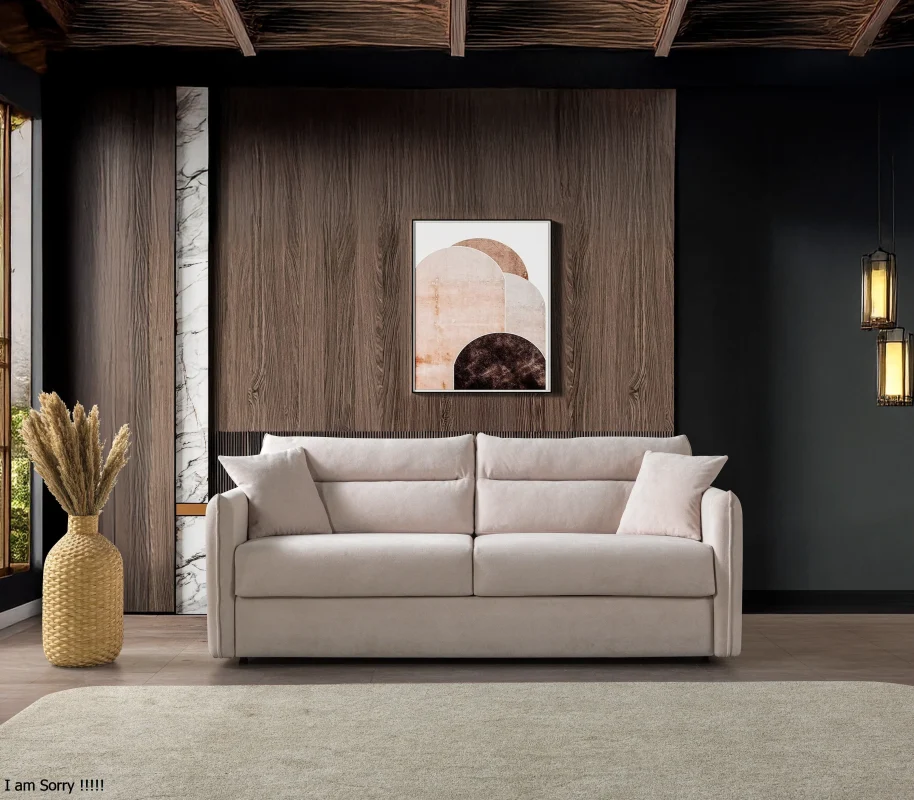
Screen position, viewing distance, seat height and the layout of different rows all influence the final result.
The room’s dimensions and viewing requirements should be reviewed together before final seating positions are confirmed.
For larger projects, architects and cinema planners may need to coordinate seating arrangements with technical drawings and the wider audiovisual installation.
CHAIRIUM seating products can be evaluated as part of this broader planning process.
12. Choose a Consistent Design Language Across Multiple Seats
A room containing several chairs should feel visually coordinated.
This does not necessarily mean that every seat must be identical.
Different seating configurations can be incorporated into one project while maintaining consistency through upholstery, colour choices, materials and selected design details.
For example, a project may combine individual VIP seats with double seating arrangements in separate areas.
The final result should reflect a coherent design direction.
13. Consider the Practical Needs of Commercial Environments
Commercial seating environments have additional operational considerations.
Cinema operators, hospitality businesses and entertainment venues may need to examine seating capacity, user access, functionality, cleaning requirements and the relationship between furniture and daily operations.
The chosen seating should correspond to the intended business environment.
A private residence and a high-traffic commercial venue may have different priorities, even when considering similar recliner designs.
CHAIRIUM’s VIP cinema and project seating categories provide a starting point for examining these requirements.
14. Plan for Maintenance and Everyday Use
A seating environment should remain practical after the initial installation.
The selected upholstery, mechanical functions and additional features should be considered in relation to expected use.
Customers and project developers can examine:
- Upholstery care requirements.
- Cleaning accessibility.
- Everyday operation of reclining mechanisms.
- Use of electrical features.
- Manufacturer guidance.
- The availability of relevant product information.
A practical approach to maintenance can help preserve the intended appearance and functionality of a seating environment.
Specific maintenance instructions should be confirmed for the selected model and materials.
15. Use Product Catalogues and Videos to Understand Design Possibilities
Photographs provide a useful introduction to a product, but additional information can make comparisons more meaningful.
CHAIRIUM provides digital resources that allow visitors to examine different seating series, product specifications and selected models in motion.
The E-Catalogue can help customers review dimensions, available versions and product options.
The Videos section offers another perspective on selected recliners and their functionality.
Useful resources include:
Using these resources together can help visitors develop a more complete understanding of the available seating solutions.
16. Consider Customization as Part of Interior Integration
A seating product may need to correspond to a specific interior concept.
Depending on the selected model and project requirements, customization discussions may involve dimensions, seat width, upholstery, colour, armrest arrangements and additional features.
This can be particularly relevant for projects where the seating must complement an existing architectural or commercial identity.
CHAIRIUM presents custom-made project and contract furniture as part of its business approach.
The availability of individual adjustments should be confirmed directly with the company.
17. Evaluate the Seating Environment as a Long-Term Investment
A complete seating environment should be considered in relation to its intended period of use.
The initial design is only one part of the decision.
Buyers may also consider the expected frequency of use, functionality, materials, maintenance requirements and the possibility of future changes to the room.
For commercial projects, consistency between different seating areas may also be important.
A thoughtful selection process helps establish a stronger basis for evaluating the overall value of the project.
18. Bring the Entire Concept Together with CHAIRIUM
A successful seating environment connects several elements:
- The purpose of the room.
- The intended users.
- Seating configuration.
- Comfort and functionality.
- Interior design.
- Space planning.
- Upholstery and materials.
- Practical operation.
- Project-specific requirements.
CHAIRIUM brings together a range of recliner and VIP cinema seating products with digital product resources and customization possibilities.
Whether the project involves a single residential recliner, a private cinema or a commercial VIP seating environment, CHAIRIUM.com offers a central destination for exploring the available options.
Visitors can review the collection, examine product information and communicate their requirements directly with the company.
Conclusion: A Complete Seating Experience Begins with a Complete Perspective
Premium seating is not defined by one characteristic alone.
It is the relationship between comfort, functionality, design, space and practical use that contributes to a successful seating environment.
A well-considered recliner can become part of a carefully coordinated living room. A collection of VIP cinema chairs can contribute to the identity of a commercial entertainment venue. A customized seating arrangement can help connect furniture with a specific architectural concept.
CHAIRIUM brings these considerations together through its recliner seating, VIP cinema chairs, product configurations and project-oriented approach.
For individuals, architects, interior designers, cinema operators, distributors and commercial buyers, the journey can begin with one central destination.
Discover the products. Explore the possibilities. Design a complete seating experience with CHAIRIUM.
Official website: https://www.chairium.com/
Products: https://www.chairium.com/auditorium-chair-products
VIP Cinema Chairs: https://www.chairium.com/products/vip-cinema-chairs
E-Catalogue: https://www.chairium.com/e-catalog
Videos: https://www.chairium.com/videos
Contact CHAIRIUM: https://www.chairium.com/contact-chairium-auditorium-chairs-manufacturer