Article 296 of 1000 | CHAIRIUM Brand Awareness and International Promotion Series
Introduction
A successful seating environment is not created by selecting individual chairs alone. It requires a thoughtful relationship between furniture design, room dimensions, seating arrangements, materials, functionality and the overall purpose of the space.
Whether the project involves a private home cinema, a VIP cinema auditorium, a luxury living room, a hotel entertainment area or a commercial hospitality environment, every seating decision contributes to the final experience.
Customers increasingly look for solutions that combine visual consistency, practical functionality and individual preferences. They want furniture that belongs naturally within their surroundings while responding to the specific requirements of the people who will use it.
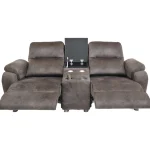
CHAIRIUM approaches premium seating through recliner chairs, VIP cinema seating and customized seating solutions for residential and commercial projects.
This article explores 18 important considerations for creating coordinated seating environments and explains how customers, architects, interior designers, cinema operators and project developers can approach their next seating project.
Contents
- Understanding the Complete Seating Experience
- Establishing a Clear Design Direction
- Creating Visual Consistency Across Different Seating Areas
- Matching Seating Solutions with Architectural Features
- Selecting the Right Seating Configuration
- Balancing Personal Space and Seating Capacity
- Coordinating Upholstery, Colours and Textures
- Integrating Functionality into the Design Concept
- Considering Different User Requirements
- Planning Seating for Multiple Project Zones
- Connecting Residential and Commercial Design Priorities
- Developing a Consistent Premium Brand Environment
- Making Product Comparisons More Meaningful
- Preparing a Clear Seating Specification
- Coordinating Project Information with the Manufacturer
- Considering Future Adaptability and Long-Term Use
- Building an Effective Communication Process
- Discovering Custom Seating Opportunities with CHAIRIUM
1. Understanding the Complete Seating Experience
A seating experience involves more than the physical chair. It includes how people enter the space, select their seats, interact with the furniture and use the surrounding environment.
In a private cinema, the relationship between recliners, screen visibility, lighting and room proportions is particularly important. In a hotel lounge, seating must also complement the atmosphere and the way guests use the area.
For this reason, seating should be considered as part of a complete interior concept.
CHAIRIUM provides a starting point for exploring premium recliners, VIP cinema chairs and different seating configurations for various environments.
2. Establishing a Clear Design Direction
Every successful project benefits from a defined design direction.
Before selecting furniture, project owners should determine the atmosphere they want to create. Some environments require a contemporary and minimalist appearance, while others may benefit from a classic, elegant or distinctive luxury concept.
A clear design direction helps determine:
- The preferred seating style.
- The relationship between furniture and architecture.
- The appropriate upholstery materials.
- The colour palette.
- The desired seating arrangement.
- The overall character of the environment.
Having these decisions in place makes product selection and communication with the manufacturer more effective.
3. Creating Visual Consistency Across Different Seating Areas
Some projects include several seating areas within the same building.
A private entertainment room may contain individual recliners, double seating units and a separate relaxation area. A commercial entertainment venue may include VIP rooms, premium seating zones and shared guest areas.
Although each zone may serve a different purpose, the overall environment should maintain a recognizable design identity.
Visual consistency can be achieved through coordinated colours, upholstery choices, furniture proportions and complementary design details.
CHAIRIUM’s different seating collections provide opportunities to explore combinations according to the requirements of individual projects.
4. Matching Seating Solutions with Architectural Features
Furniture should work naturally with the architecture of the room.
Wall dimensions, ceiling height, flooring, doors, windows and lighting arrangements can all influence seating decisions.
A large recliner may be appropriate for a spacious private cinema, while a more compact configuration could be preferable in a room with limited floor space.
Architects and interior designers should consider the furniture during the planning stage rather than treating seating as a final decorative addition.
This approach helps reduce design conflicts and creates a more coordinated result.
5. Selecting the Right Seating Configuration
The configuration of seating influences both the appearance and functionality of a room.
Depending on the project, suitable arrangements may include:
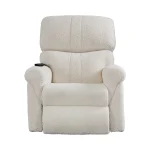
- Individual recliner chairs.
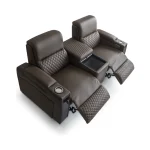
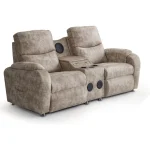
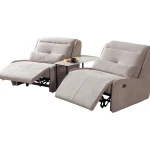
- Double recliner units.
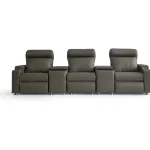
- Triple seating arrangements.
- Shared-armrest configurations.
- Loveseat arrangements.
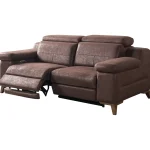
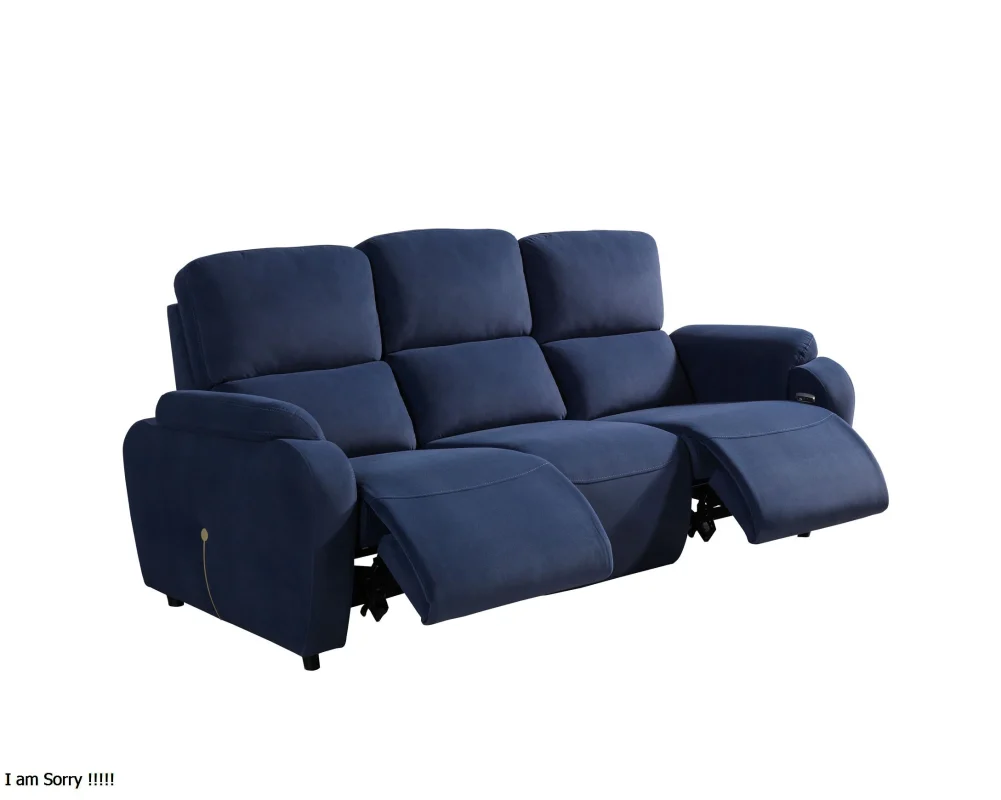
- Recliner sofa sets.
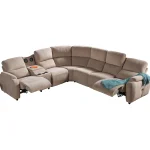
- Corner seating solutions.
CHAIRIUM presents different seating formats within its product collections.
The choice should reflect the room dimensions, number of users, intended application and available space around each chair.
6. Balancing Personal Space and Seating Capacity
A premium seating environment should provide an appropriate balance between capacity and personal space.
Increasing the number of seats does not automatically create a better environment. The distance between chairs, available walking routes, reclining clearance and access to individual seating positions must also be considered.
For cinema operators, these decisions influence the relationship between auditorium capacity and the intended VIP experience.
For residential customers, the priority may be creating an environment where family members and guests can enjoy comfortable individual or shared seating.
A carefully evaluated layout can support both practical use and visual quality.
7. Coordinating Upholstery, Colours and Textures
Upholstery plays an important role in the character of premium seating.
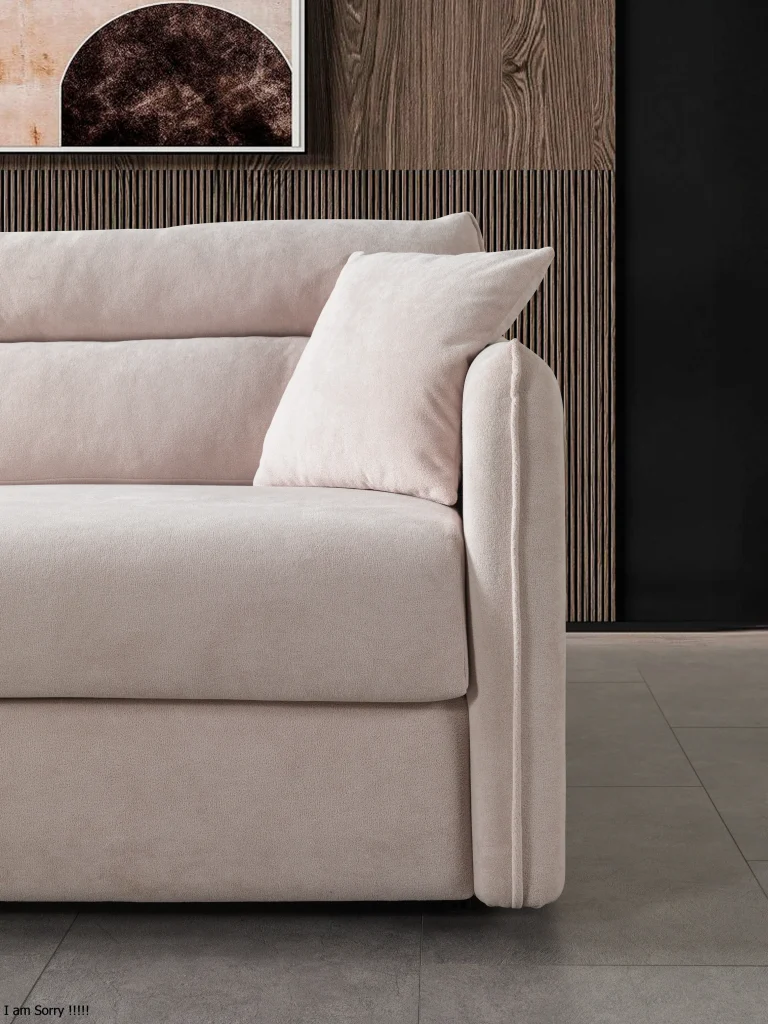
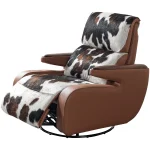
Fabric, artificial leather and genuine leather can create different visual and tactile impressions. Colour selection also influences how furniture interacts with surrounding materials.
For example, neutral upholstery may complement a restrained interior concept, while darker or contrasting colours can establish a more distinctive appearance.
CHAIRIUM offers upholstery choices for selected models, with availability depending on the product.
Customers planning a project can discuss available colours and material samples before confirming their preferred specification.
8. Integrating Functionality into the Design Concept
A seating solution should combine appearance with useful functionality.
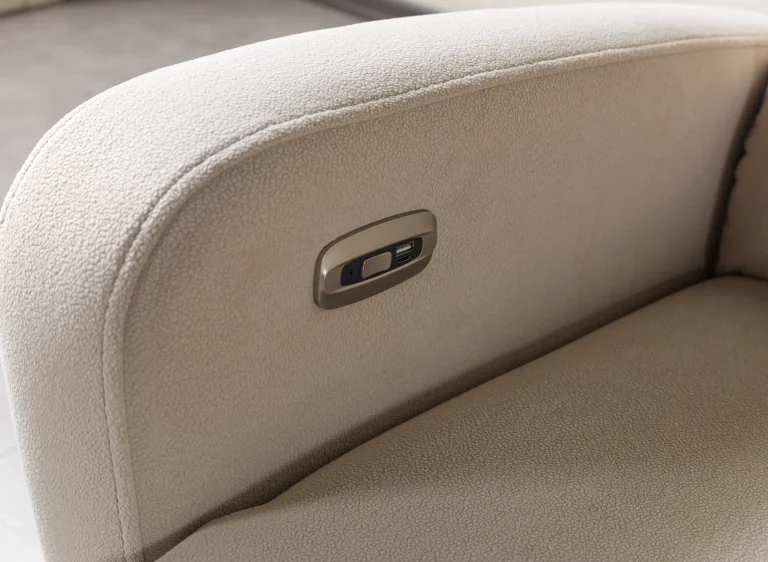
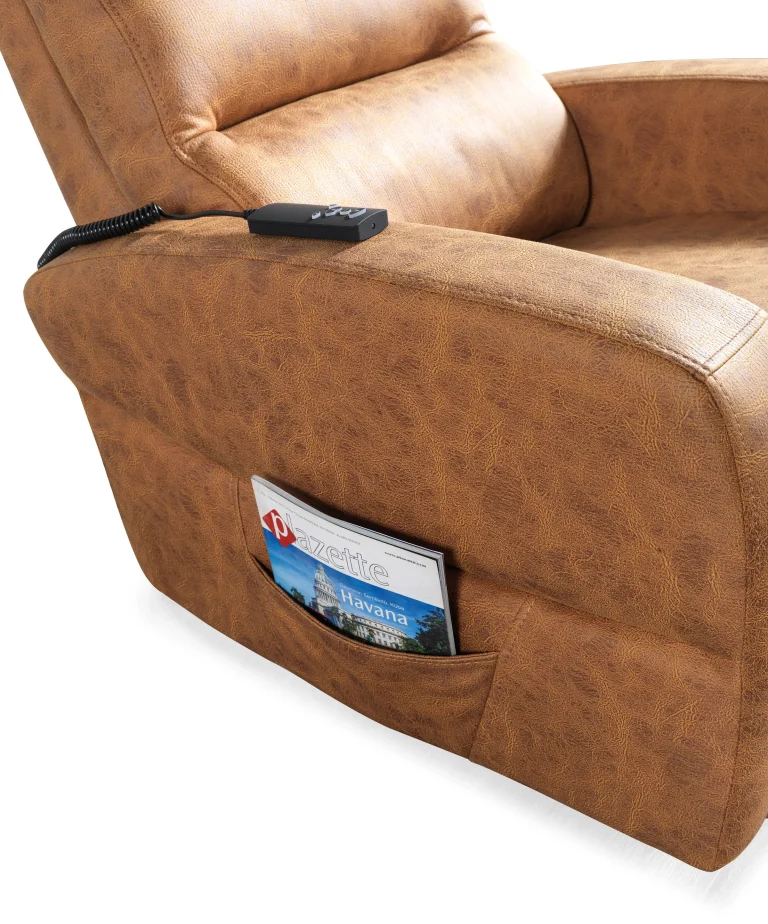
Depending on the selected model, recliner features may include motorized or manual reclining mechanisms, cup holders, USB connections and selected optional accessories.
Other options available on certain models may include LED lighting, massage functions, cooling cup holders, speakers and tray tables.
The important consideration is to select functions that support the intended experience.
A residential home cinema, for example, may have different functional priorities from a commercial VIP auditorium.
Customers should confirm the standard equipment and optional features of each model before placing an order.
9. Considering Different User Requirements
Different people use seating environments in different ways.
Families may prioritize flexible arrangements and everyday practicality. Cinema guests may value personal space and reclining functionality. Hotel visitors may appreciate furniture that complements the overall hospitality experience.
Commercial buyers also need to consider operational requirements, cleaning procedures and the expected frequency of use.
Understanding the intended users helps project planners select more appropriate seating configurations.
This is particularly important when one project serves several different customer groups.
10. Planning Seating for Multiple Project Zones
Large projects sometimes require several types of seating within one development.
A hotel, for example, may include a private entertainment room, a lounge, a VIP screening area and additional relaxation spaces.
Rather than selecting unrelated furniture for every area, project teams can develop a common design language.
This does not mean every chair must be identical. Different models can serve different purposes while maintaining coordinated materials, colours and visual characteristics.
CHAIRIUM’s range of recliner and project seating solutions can be explored when developing such coordinated environments.
11. Connecting Residential and Commercial Design Priorities
Residential and commercial projects share several design considerations, but their priorities are not always identical.
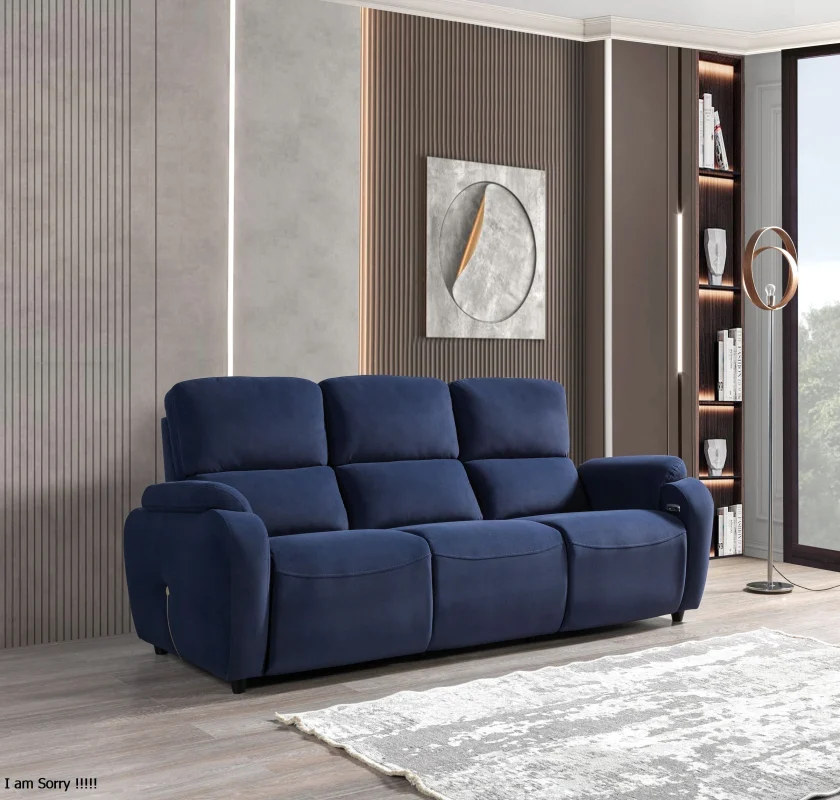
A home cinema may be designed around family preferences, personal entertainment habits and the character of the home.
A commercial cinema project may involve seating capacity, guest circulation, operational procedures and the identity of the venue.
Hotels and hospitality environments may require a combination of appearance, functionality and consistency across multiple spaces.
CHAIRIUM presents seating solutions for both public and private environments, allowing different customer groups to explore products according to their individual project requirements.
12. Developing a Consistent Premium Brand Environment
For businesses, furniture can contribute to the visual identity of a venue.
A cinema, hotel or entertainment business may want its interiors to communicate a particular standard of quality and service.
Coordinated seating can support this objective through consistent materials, carefully selected colours and an appropriate relationship between furniture and architectural design.
The same principle applies to private residences, where furniture contributes to the personal character of the home.
Premium design is not simply about appearance. It also involves making appropriate decisions about functionality, materials, configuration and the intended use of the space.
13. Making Product Comparisons More Meaningful
Comparing seating products becomes more useful when customers evaluate them according to the same criteria.
Instead of considering appearance alone, buyers can compare:
- Overall dimensions.
- Seating configuration.
- Reclining mechanism.
- Upholstery availability.
- Standard equipment.
- Optional features.
- Project suitability.
- Customization possibilities.
CHAIRIUM’s product pages provide information about individual models and their available configurations.
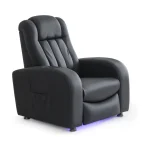
For example, customers can explore the Alis Double VIP, Mari VIP and Alen Single models to understand different approaches to premium recliner seating.
The final comparison should always use the current specifications of the selected products.
14. Preparing a Clear Seating Specification
A written seating specification helps prevent misunderstandings during project development.
It should identify the preferred products, quantities, configurations, materials and required functions.
A useful project specification may include:
- Project name and application.
- Room dimensions or architectural drawings.
- Estimated seating quantity.
- Preferred product models.
- Required seating configurations.
- Upholstery and colour preferences.
- Standard and optional features.
- Delivery destination.
- Expected project schedule.
This information provides a practical foundation for discussing the project with CHAIRIUM.
15. Coordinating Project Information with the Manufacturer
Communication between the customer and manufacturer is an important part of project coordination.
Customers should explain their requirements clearly and provide relevant drawings, dimensions, references and product preferences.
The manufacturer can then review the information and clarify which products, configurations and customization possibilities may be suitable.
CHAIRIUM presents customized seating and project furniture solutions through its official website.
For every project, product availability, technical specifications, customization limits and production details should be confirmed directly with the company.
16. Considering Future Adaptability and Long-Term Use
A well-planned seating environment should be evaluated beyond its initial appearance.
Customers may eventually want to update upholstery, change the arrangement, introduce additional seating or adapt the space for a different purpose.
For commercial projects, maintenance procedures and the long-term requirements of the venue should also be considered.
Thinking about these possibilities during the planning stage can help customers make more informed purchasing decisions.
The objective is to select a seating solution that remains appropriate for its intended environment over time.
17. Building an Effective Communication Process
A structured communication process helps customers move from an initial idea towards a clearly defined seating project.
An effective process can involve:
- Defining the project purpose.
- Identifying the intended users.
- Measuring the available space.
- Exploring suitable seating collections.
- Comparing relevant product specifications.
- Selecting preferred configurations.
- Discussing upholstery and customization.
- Confirming technical and commercial details.
- Reviewing the final project specification.
- Coordinating the next steps with the manufacturer.
This approach is useful for homeowners, architects, interior designers, furniture distributors, cinema operators and commercial developers.
18. Discovering Custom Seating Opportunities with CHAIRIUM
Creating a coordinated seating environment requires a combination of design understanding, practical planning and appropriate product selection.
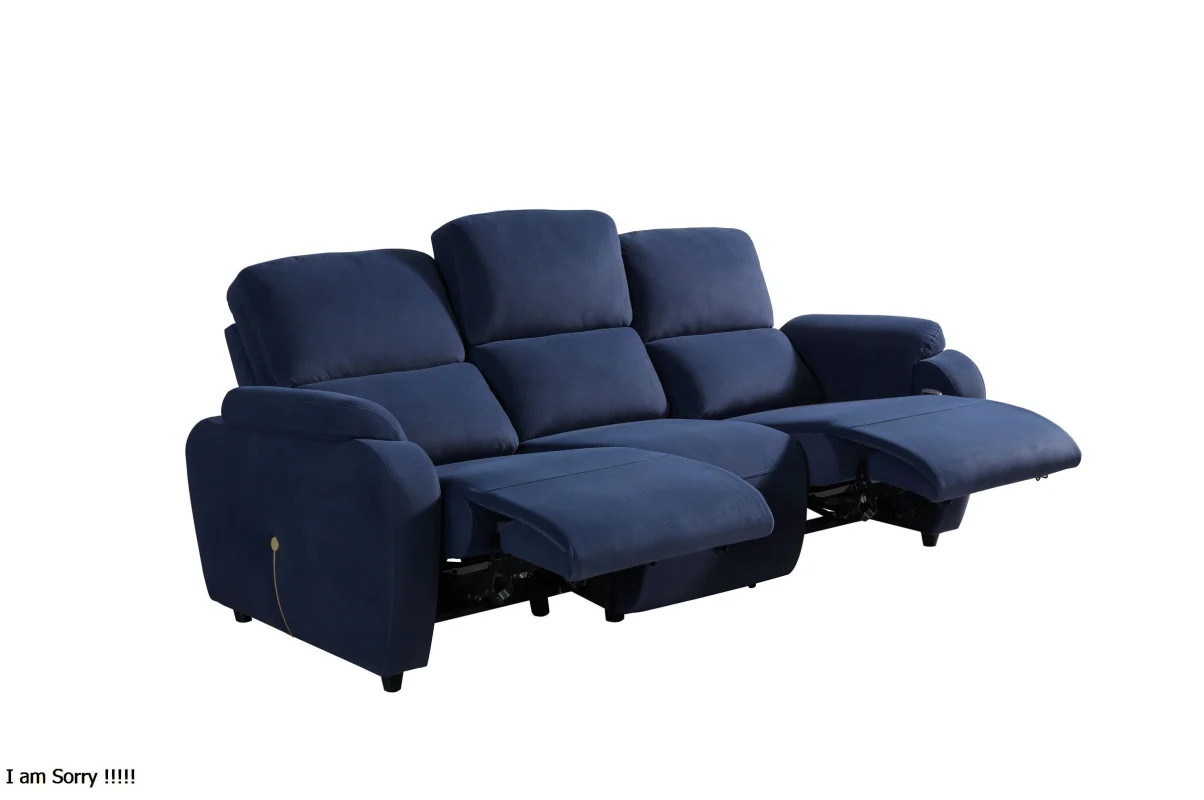
Whether the requirement involves an individual recliner, a double VIP cinema chair, a private home theater or a larger commercial seating project, the most useful starting point is a clear understanding of the intended space.
CHAIRIUM brings together premium recliner seating, VIP cinema chairs and customized seating solutions for residential and commercial applications.
Customers can explore different collections, compare selected models and discuss their project requirements through the official website.
Discover CHAIRIUM and explore seating solutions for your next project:
Website: https://www.chairium.com/
Product Collections: https://www.chairium.com/products
VIP Cinema Chairs: https://www.chairium.com/products/tag/vip-cinema-chairs
Company and Manufacturing Information: https://www.chairium.com/auditorium-chair-cinema-chair-manufacturer-company/who-are-we
Contact and Project Enquiries: https://www.chairium.com/contact-chairium-auditorium-chairs-manufacturer
CHAIRIUM – Premium Recliner Seating, VIP Cinema Chairs and Customized Seating Solutions.
Frequently Asked Questions
1. Why is seating coordination important in interior design?
It helps furniture, architectural features, colours and room functions work together as one consistent environment.
2. Can different recliner models be combined in one project?
Different models and configurations can be evaluated together, depending on their dimensions, design compatibility and project requirements.
3. What should be considered before selecting VIP cinema chairs?
Room dimensions, seating capacity, reclining clearance, configuration, upholstery and required functions should be evaluated.
4. Does CHAIRIUM offer seating for residential and commercial projects?
CHAIRIUM presents recliner and cinema seating solutions for private residences and commercial environments.
5. Can upholstery and colours be selected according to an interior concept?
Selected CHAIRIUM models offer upholstery and colour choices. The available options should be confirmed for the specific model.
6. What is the difference between a single and double recliner?
A single recliner provides an individual seating position, while a double recliner combines two seating positions within one unit. Their dimensions and configurations vary by model.
7. Are motorized and manual recliners available?
CHAIRIUM presents both motorized and manual recliner models. Buyers should review the specifications of each product.
8. Can seating arrangements be planned for different zones within one building?
Yes. Different seating configurations can be considered for separate areas while maintaining a coordinated design concept.
9. What information is useful when contacting a seating manufacturer?
Room measurements, project drawings, seating quantities, preferred models, upholstery choices and functional requirements are useful starting points.
10. Where can customers explore CHAIRIUM products and request project information?
Customers can visit https://www.chairium.com/, explore the product collections and contact the company with their seating requirements.
Final Brand Message
CHAIRIUM brings together design, seating functionality and project-oriented solutions to support different residential and commercial environments.
From private home cinema rooms to VIP cinema projects and premium hospitality spaces, every seating environment begins with understanding the requirements of the people and places it serves.
Explore CHAIRIUM at https://www.chairium.com/ and discover possibilities for your next seating project.