
Introduction
Selecting a premium seating manufacturer for a residential or commercial project involves more than comparing product appearances and prices. A well-prepared purchasing decision requires an understanding of technical specifications, product configurations, materials, functional features, manufacturing capabilities and project requirements.
For cinema operators, furniture distributors, architects, interior designers, hospitality businesses and private customers, the process can involve several stages of research and evaluation.
A seating product must correspond to its intended application. A VIP cinema project may require particular seating configurations and functional specifications, while a private entertainment room may place greater emphasis on individual preferences and interior compatibility.
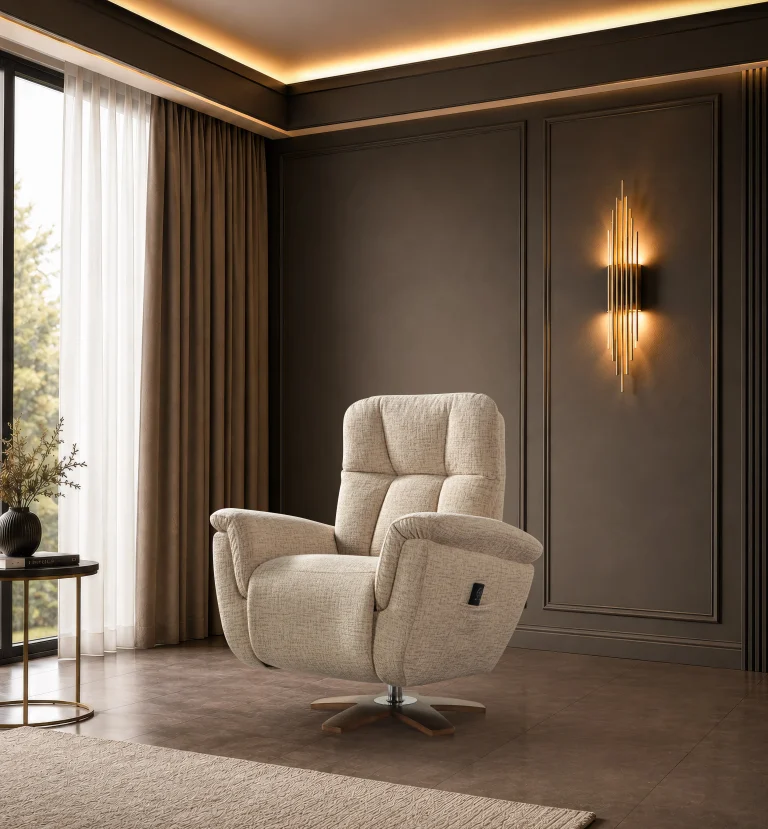
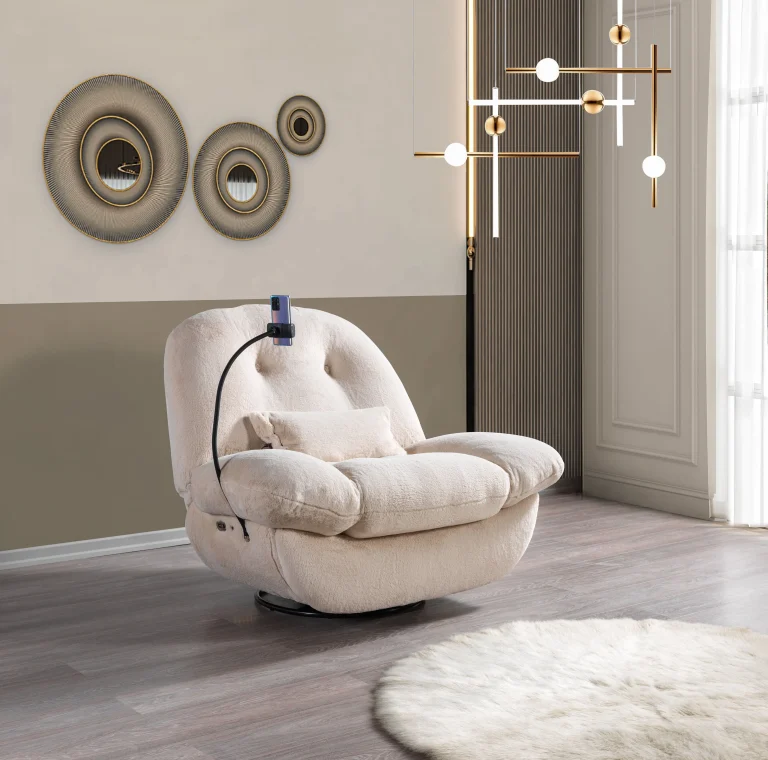
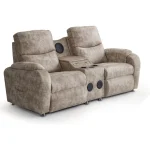
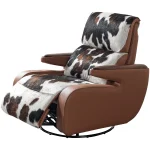
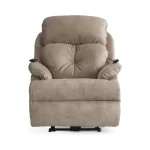
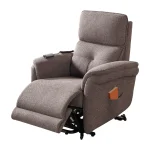
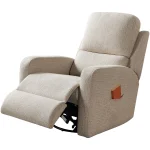
CHAIRIUM brings together premium recliner seating, VIP cinema chairs, residential recliners and customized project seating solutions through its official website.
This article provides a practical framework for evaluating seating requirements, preparing purchasing information and discussing product specifications with CHAIRIUM. It is intended to help customers approach their decisions systematically, whether they are purchasing one recliner or evaluating seating for a larger commercial development.
Table of Contents
- Understanding the Purpose of a Seating Procurement Process
- Identifying the Correct Product Category
- Establishing Technical Requirements Before Purchasing
- Evaluating Product Dimensions and Specifications
- Understanding Manual and Motorized Reclining Systems
- Distinguishing Standard Equipment from Optional Features
- Evaluating Upholstery Materials and Product Finishes
- Comparing Single, Double and Multi-Seat Configurations
- Reviewing Product Datasheets and Technical Documentation
- Assessing Manufacturing Capabilities
- Considering Quality and Product Consistency
- Preparing Requirements for Commercial Seating Projects
- Understanding Quotation and Purchasing Information
- Evaluating Production and Delivery Requirements
- Considering Installation and Operational Conditions
- Preparing for Future Maintenance and Replacement Needs
- Establishing a Clear Purchasing Decision
- Exploring CHAIRIUM Products and Starting a Direct Inquiry
1. Understanding the Purpose of a Seating Procurement Process
A purchasing process should begin with a clear definition of what the seating is expected to achieve.
A private customer may need a single motorized recliner for a living room. A cinema operator may be evaluating several models for a VIP auditorium. A furniture distributor may be researching a manufacturer whose product range can serve different customer groups.
These requirements should not be evaluated in exactly the same way.
A structured procurement process helps buyers identify the relevant product category, define the required specifications and communicate their expectations before making a purchasing decision.
CHAIRIUM provides a starting point for this process through its product collections, company information, catalogues and project-oriented resources.
2. Identifying the Correct Product Category
The first practical step is identifying which type of seating is required.
CHAIRIUM’s product collections include several categories:
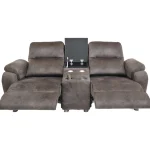
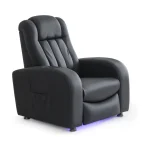
- Single recliner chairs
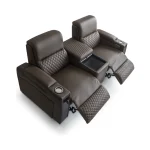
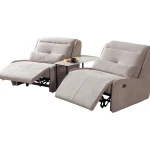
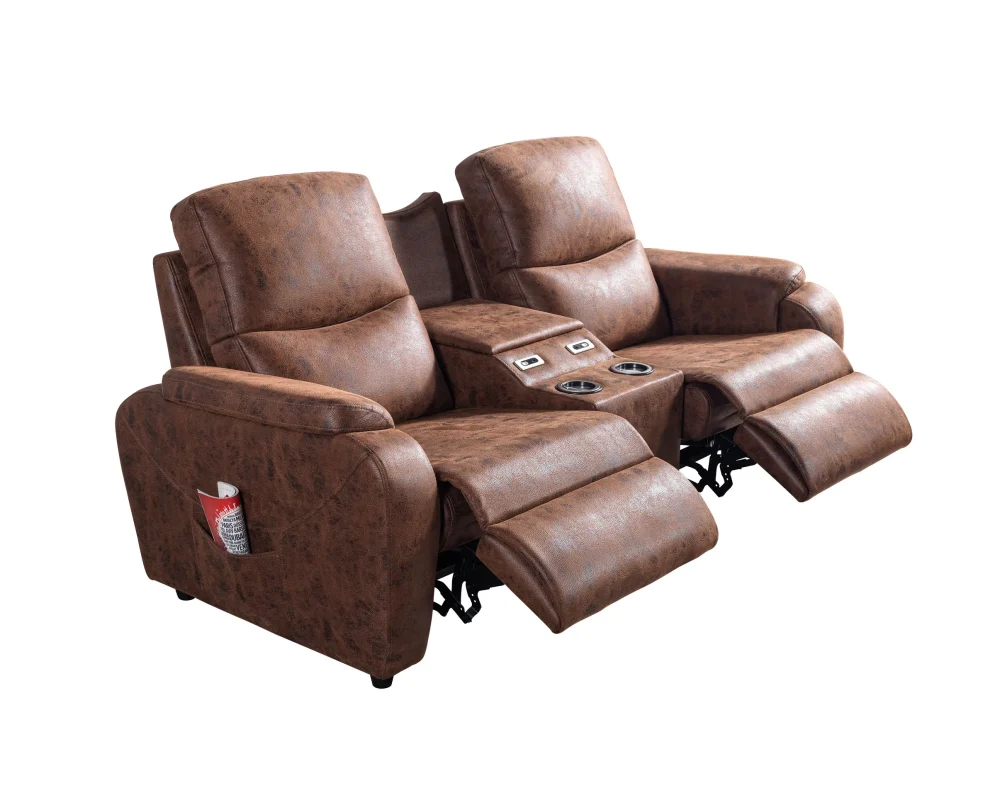
- Double recliner seating
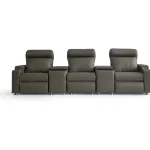
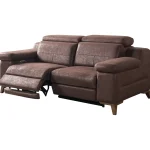
- Triple recliner sofas
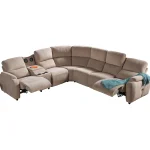
- Recliner sofa sets
- VIP cinema seating
- VIP auditorium chairs
- Selected lift and specialized recliner models
Each category serves different applications and purchasing requirements.
A distributor may be interested in a broader product range, whereas an individual buyer may be searching for one specific recliner model.
Identifying the category early helps narrow the selection and makes subsequent technical discussions more productive.
3. Establishing Technical Requirements Before Purchasing
Before comparing models, buyers should prepare a list of essential requirements.
This list can include:
- Intended application
- Required seating quantity
- Preferred seating category
- Expected reclining functionality
- Upholstery preferences
- Desired accessories
- Approximate budget
- Project location
- Required production and delivery period
It is useful to separate essential requirements from optional preferences.
For example, a USB connection may be an important requirement for one customer but an optional convenience for another.
This distinction makes it easier to compare products according to their actual suitability rather than simply counting the number of advertised features.
4. Evaluating Product Dimensions and Specifications
Technical dimensions are among the most important purchasing considerations.
Buyers should examine the overall width, depth and height of each selected model. Seat width and armrest dimensions may also be relevant, particularly when planning larger installations.
For example, the CHAIRIUM Anika VIP Double 2023 Edition product page provides the following published specifications:
- Width: 205 cm
- Depth: 92 cm
- Height: 100 cm
- Reclining angle: up to 145 degrees
- Seat width: 58 cm
- Armrest width: 18 cm
These specifications provide a reference for evaluating the model. Buyers should always verify the latest datasheet and confirm whether a customized configuration changes the dimensions.
Technical measurements should be treated as part of the purchasing specification, not as secondary product information.
5. Understanding Manual and Motorized Reclining Systems
Reclining mechanisms influence how a chair operates and how it should be evaluated.
Manual recliners and motorized recliners may serve different customer preferences.
A manual mechanism can be appropriate for buyers who prefer straightforward operation. Motorized systems can provide electrically controlled reclining functions.
CHAIRIUM presents both manual and motorized models in its product collections.
When comparing these products, buyers should investigate:
- Operating mechanism
- Control method
- Available reclining positions
- Maximum reclining angle
- Electrical requirements, where applicable
- Intended frequency of use
- Relevant product-specific technical information
The final choice should reflect the intended application and the specifications of the selected model.
6. Distinguishing Standard Equipment from Optional Features
A clear understanding of standard and optional equipment prevents misunderstandings during purchasing.
Depending on the model, CHAIRIUM products may include features such as:
- Motorized reclining
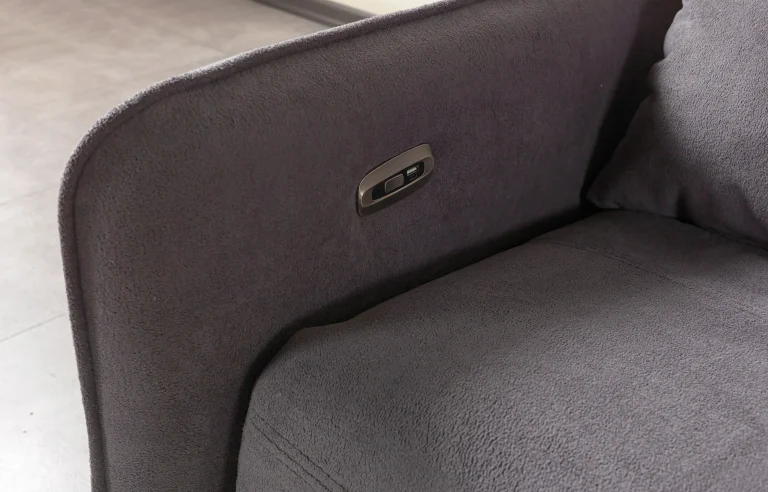
- USB connections
- Cup holders
- Storage compartments
- LED lighting
- Cooling cup holders
- Massage functions
- Tray tables
- Speakers
Not every feature is available on every product.
Buyers should therefore request a written specification identifying which features are included in the quoted configuration and which require additional options.
This is particularly important when comparing multiple models or preparing a commercial purchasing agreement.
7. Evaluating Upholstery Materials and Product Finishes
Upholstery influences the appearance, feel and maintenance requirements of a seating product.
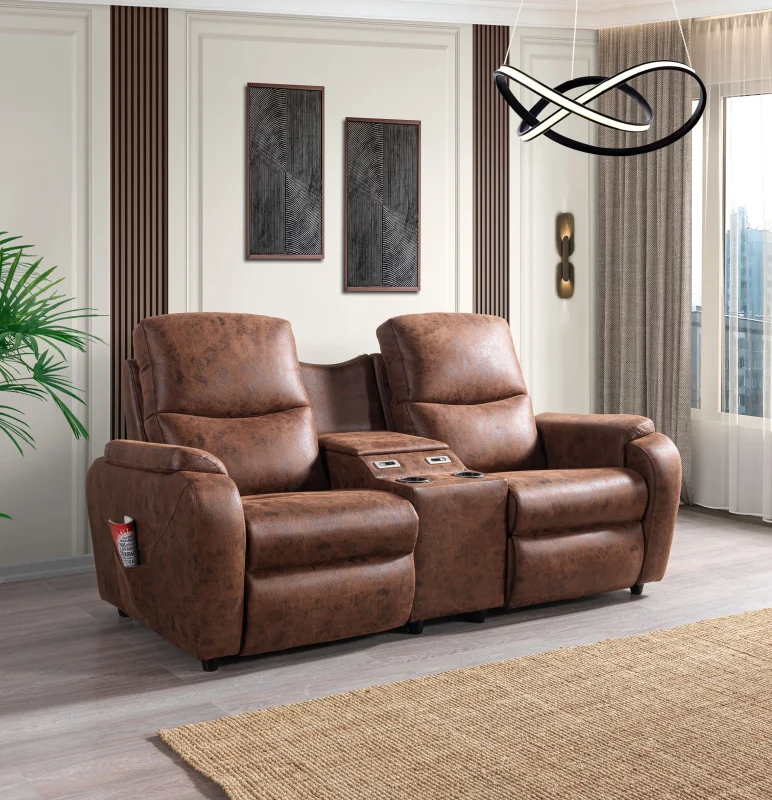
CHAIRIUM presents fabric and artificial leather as standard upholstery options on selected models, with genuine leather available as an option on certain products.
During procurement, buyers may wish to evaluate:
- Material type
- Colour availability
- Surface appearance
- Cleaning requirements
- Suitability for the intended environment
- Consistency across multiple seats
- Availability of material samples
For commercial projects, it is especially important to confirm the selected upholstery specification before production.
A documented material choice helps ensure that the purchasing decision reflects the intended visual and functional requirements.
8. Comparing Single, Double and Multi-Seat Configurations
The number and arrangement of seats can influence both purchasing requirements and the final product specification.
CHAIRIUM’s collections include single, double and triple recliners, as well as selected sofa and corner configurations.
Buyers should determine whether the project requires individual chairs, shared seating units or coordinated multi-seat arrangements.
Other considerations may include:
- Independent or shared armrests
- Centre modules
- Loveseat configurations
- Seat-width requirements
- Matching upholstery
- Consistent functional features
Where multiple configurations are required within one project, the buyer should request confirmation of compatibility and availability.
9. Reviewing Product Datasheets and Technical Documentation
A product photograph provides a visual introduction, but technical documentation is essential for informed purchasing.
CHAIRIUM provides an E-Catalog section with product series information and downloadable datasheets.
These resources can help buyers investigate:
- Product dimensions
- Available versions
- Functional characteristics
- Upholstery options
- Colour selections
- Configuration possibilities
- Direct product references
Before finalizing an order, buyers should ensure that the technical document corresponds to the exact product version being purchased.
Keeping the relevant datasheets with quotation documents and project records can also make future reference easier.
10. Assessing Manufacturing Capabilities
When purchasing directly from a manufacturer, buyers may wish to understand the company’s production background and available capabilities.
CHAIRIUM presents its factory information and manufacturing experience on its official website.
For a potential purchasing relationship, useful subjects to discuss include:
- Product categories manufactured
- Available customization options
- Production capabilities for selected models
- Material and upholstery choices
- Technical coordination
- Project-specific production requirements
The buyer should distinguish between general manufacturing information and capabilities confirmed for a particular order.
A direct technical discussion can help establish whether the manufacturer’s available solutions correspond to the intended project.
11. Considering Quality and Product Consistency
Product quality should be evaluated through relevant technical information, material specifications and the requirements of the intended application.
For buyers purchasing several units, consistency is particularly important.
They may wish to confirm:
- The exact product version
- Upholstery material and colour
- Functional equipment
- Dimensional specifications
- Agreed production details
- Product inspection arrangements
- Documentation accompanying the order
Where a project involves multiple delivery stages, maintaining the same approved specification can help support consistency.
These considerations are relevant to residential buyers, furniture distributors and large commercial projects alike.
12. Preparing Requirements for Commercial Seating Projects
Commercial purchasing usually involves several people and different areas of responsibility.
A cinema operator may coordinate with an architect, procurement department, technical consultant and furniture supplier. A hotel project may involve interior designers, purchasing managers and project developers.
To simplify the initial discussion, buyers should prepare:
- Company or project information
- Project location
- Intended seating application
- Estimated quantity
- Preferred CHAIRIUM models
- Required specifications
- Upholstery preferences
- Project timetable
This information provides a practical foundation for reviewing the available product possibilities.
It also helps the manufacturer understand whether the inquiry concerns a standard product purchase or a more detailed project requirement.
13. Understanding Quotation and Purchasing Information
A quotation should clearly identify the product and the commercial conditions being considered.
When requesting a quotation from CHAIRIUM, buyers may wish to specify:
- Product model and version
- Required quantity
- Selected upholstery
- Requested optional features
- Preferred configuration
- Delivery destination
- Currency and commercial expectations
- Required delivery period
Buyers should also clarify which items are included in the quotation and whether transportation, installation or other services are part of the offer.
A clear written quotation makes it easier to compare alternatives and reduces the possibility of misunderstandings.
14. Evaluating Production and Delivery Requirements
Production and delivery arrangements are important parts of the purchasing decision.
For residential purchases, the delivery destination and expected arrival period may be the main concerns.
For larger projects, production planning may need to be coordinated with construction schedules, auditorium preparation or commercial opening dates.
Buyers should discuss:
- Order confirmation procedures
- Production lead time
- Availability of selected materials
- Quantity and production scheduling
- Packaging requirements
- Transportation arrangements
- Delivery destination
- Relevant documentation
Actual lead times and delivery conditions should always be confirmed by CHAIRIUM for the individual order.
15. Considering Installation and Operational Conditions
Seating procurement should also account for the conditions under which the products will be installed and used.
For example, motorized seating may require appropriate electrical arrangements. Commercial installations may require coordination with site access, installation teams and the project’s operational schedule.
Before purchasing, buyers should clarify:
- Whether installation assistance is required
- Access conditions at the destination
- Electrical requirements for motorized products
- Product positioning and assembly needs
- Relevant operating instructions
- Responsibilities of the supplier and buyer
These details can be especially important for projects involving several seating units.
16. Preparing for Future Maintenance and Replacement Needs
A purchasing decision should consider the period after delivery as well as the initial installation.
Depending on the model and usage conditions, seating may require routine cleaning, inspection and attention to moving or electrical components.
Buyers should ask about available care instructions, warranty conditions, replacement components and technical support arrangements.
For commercial buyers, it may also be useful to maintain a record of:
- Product models and versions
- Purchase dates
- Technical datasheets
- Upholstery specifications
- Relevant warranty documents
- Supplier correspondence
Such records can make future maintenance and replacement discussions more straightforward.
17. Establishing a Clear Purchasing Decision
After reviewing the available information, buyers can compare the shortlisted products against their original requirements.
A practical decision should consider the complete product specification rather than one isolated characteristic.
Important factors include:
- Suitability for the intended application
- Technical dimensions
- Reclining mechanism
- Standard and optional equipment
- Upholstery and materials
- Configuration
- Manufacturing feasibility
- Commercial terms
- Delivery arrangements
- Future support considerations
The final specification should be confirmed in writing before the purchasing commitment.
This creates a clear reference for the buyer, manufacturer and any other parties involved in the project.
18. Exploring CHAIRIUM Products and Starting a Direct Inquiry
A well-prepared purchasing decision begins with accurate information and a clear understanding of the intended application.
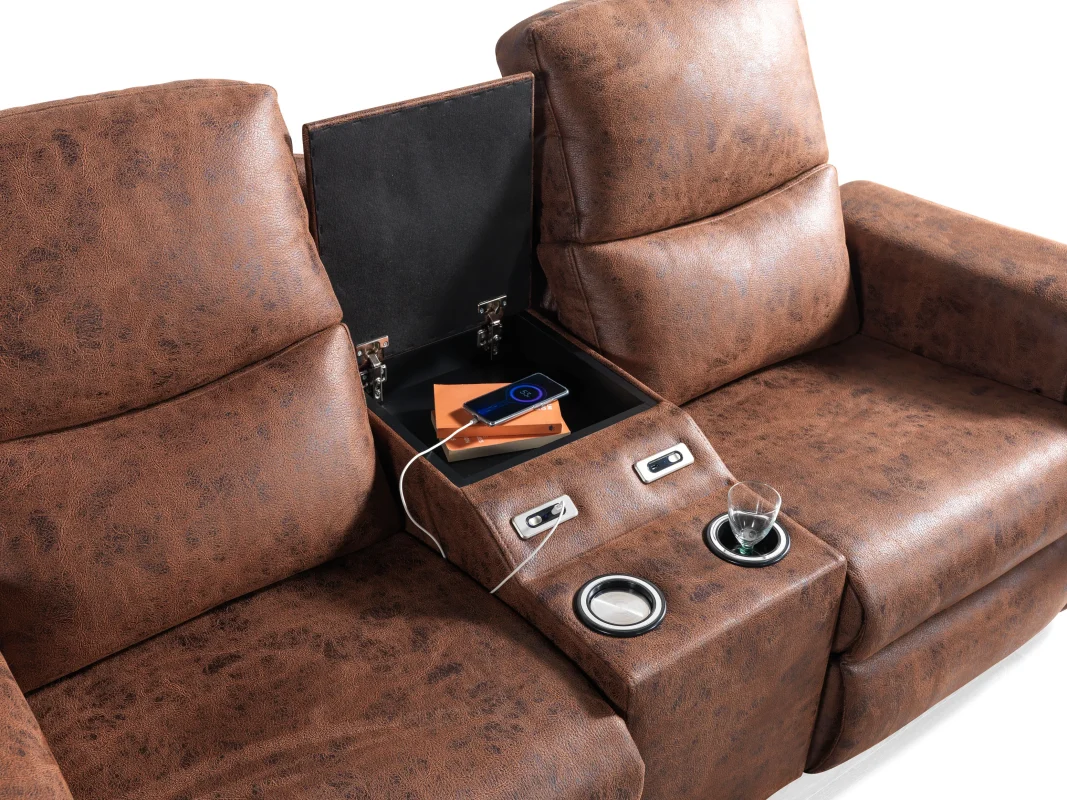
CHAIRIUM provides an official online destination where customers can explore premium recliners, VIP cinema seating, product series, technical datasheets and company information.
Whether the requirement concerns a single residential recliner, a double seating unit, a VIP auditorium or a larger commercial project, buyers can begin by identifying their preferred category and reviewing the available product information.
The next step is to communicate the exact requirements directly to the company.
Visit the official website:
Explore product collections:
Explore the E-Catalog:
Discover the manufacturing background:
Contact CHAIRIUM:
CHAIRIUM — Premium Recliner Seating, VIP Cinema Chairs and Customized Seating Solutions for Residential and Commercial Projects.
Conclusion
Selecting premium seating is a decision that benefits from preparation, technical understanding and clear communication.
From identifying the appropriate product category to reviewing dimensions, materials, mechanisms, documentation and commercial conditions, each stage contributes to a more informed purchasing process.
CHAIRIUM brings together a broad range of recliner and cinema seating solutions with product information and project-oriented resources that can help buyers begin this evaluation.
For homeowners, cinema operators, furniture distributors, architects and commercial project developers, the official CHAIRIUM website provides a direct starting point for researching products and discussing purchasing requirements.
A successful procurement process begins with the right questions, a clearly defined specification and a suitable manufacturer.
Explore the CHAIRIUM collections. Review the specifications. Discuss your next seating project directly with CHAIRIUM.