Introduction
A successful seating project begins long before the final chair is placed in a room. It starts with an idea, develops through design considerations, requires an understanding of materials and functionality, and eventually becomes a product or a coordinated seating arrangement.
For individuals, architects, interior designers, cinema operators, furniture distributors and international buyers, finding a suitable seating manufacturer means looking beyond individual product photographs.
It means understanding the relationship between design, production, customization, project requirements and communication.
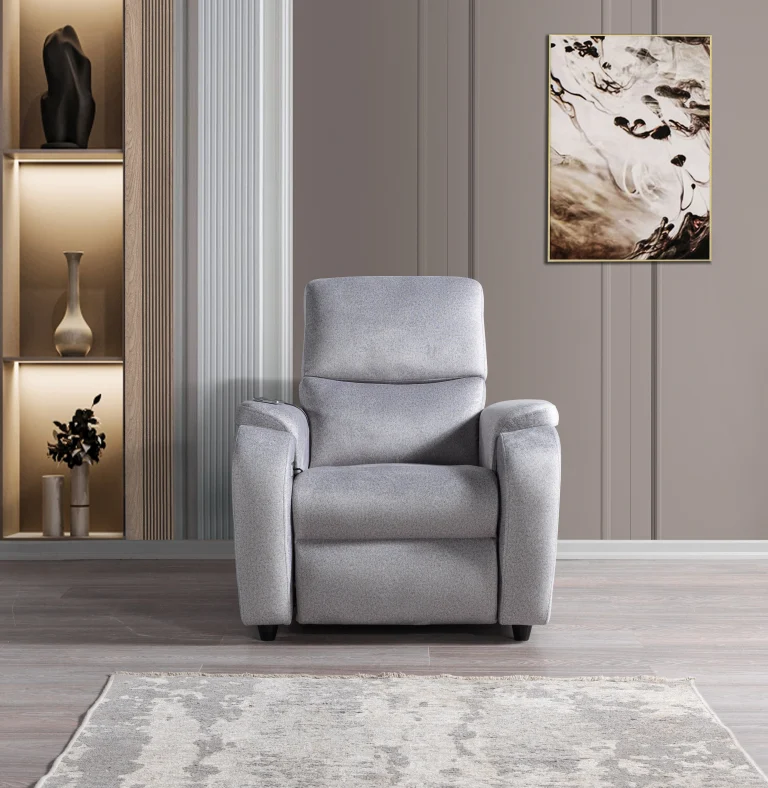
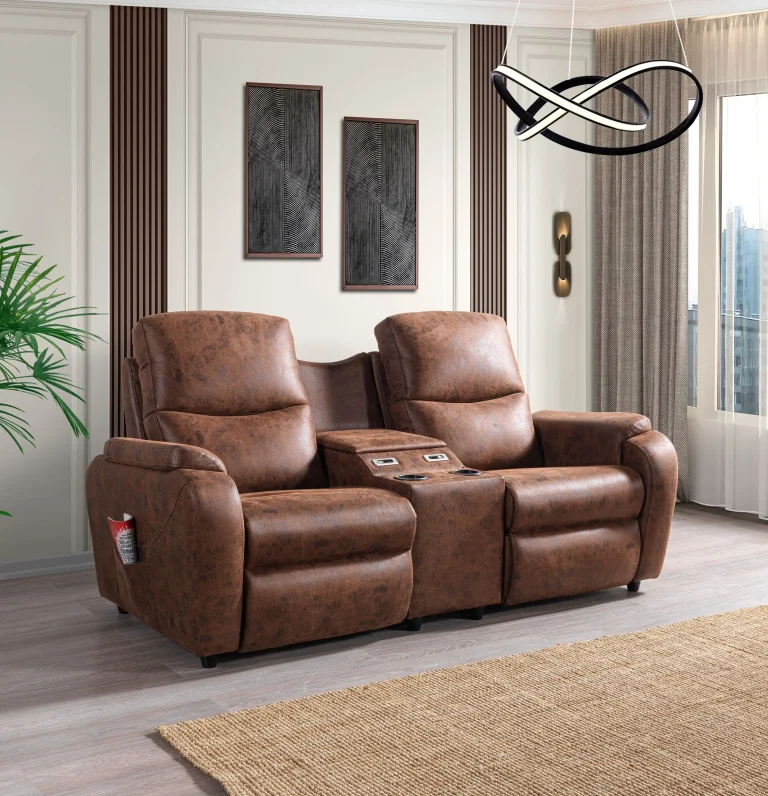
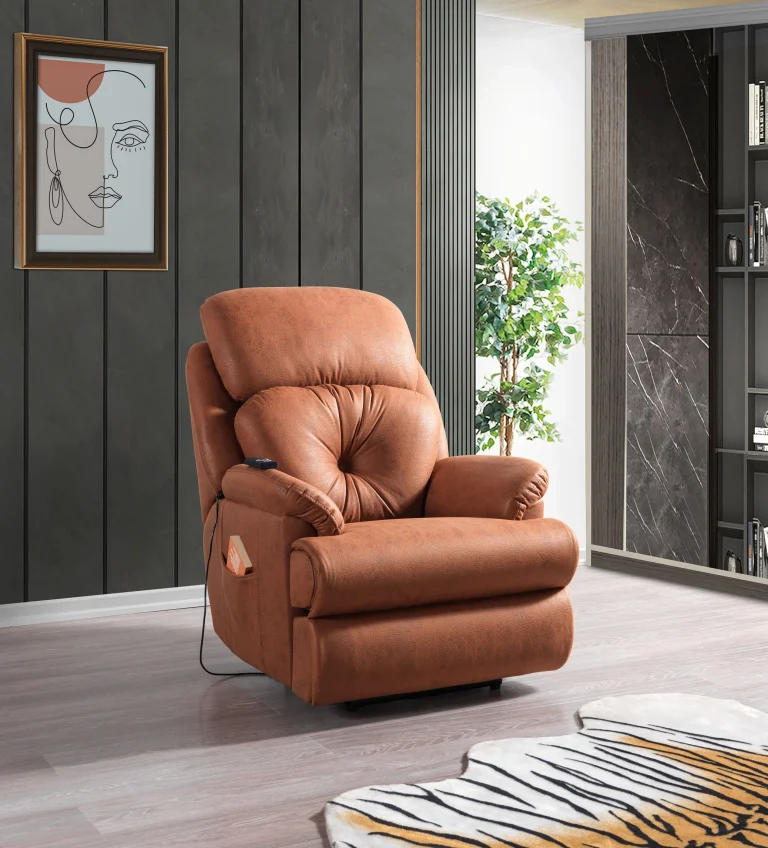
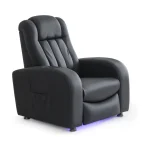
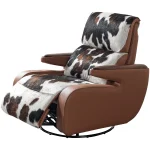
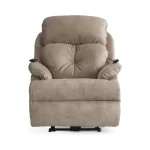
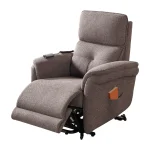
CHAIRIUM.com brings these subjects together through its premium recliner seating, VIP cinema chairs, residential seating collections and tailored project solutions.
With a manufacturing background dating back to the early 1980s, CHAIRIUM presents seating solutions for environments ranging from private residences to public and commercial spaces.
The purpose of this article is to explore how visitors can understand the broader relationship between a seating product and the processes behind its development, selection and potential application.
Contents
- Why a Seating Product Should Be Considered Beyond Its Appearance
- The Relationship Between Design and Manufacturing
- Understanding the Difference Between a Product and a Project
- How Seating Requirements Become Product Specifications
- The Importance of Functional Design in Premium Seating
- Connecting Product Collections with Different Market Needs
- The Role of Materials in Seating Development
- Upholstery as Part of Product Identity
- The Relationship Between Dimensions and Production Planning
- Understanding Mechanisms and Technical Features
- Coordinating Multiple Seating Configurations
- The Importance of Product Documentation
- How Factory Knowledge Supports Project Discussions
- Custom Production and the Value of Flexibility
- Bringing Design Professionals and Manufacturers Together
- International Business Opportunities in the Seating Industry
- Building Long-Term Relationships Through Product Knowledge
- CHAIRIUM.com as a Continuing Resource for Seating Projects
1. Why a Seating Product Should Be Considered Beyond Its Appearance
The first impression of a chair is usually visual. Its shape, upholstery, proportions and overall design attract attention.
However, a premium seating product should be evaluated through several additional considerations.
Its intended environment, functional characteristics, materials, dimensions and possible configurations all influence whether it is appropriate for a particular application.
For example, a recliner intended for a private living room may have different requirements from a chair designed for a VIP cinema environment.
A commercial project may also require coordinated seating arrangements, consistent appearance and specific technical information.
CHAIRIUM approaches seating through a broader product and project perspective. Visitors can explore individual models while considering the environment in which those models may be used.
This approach helps transform visual interest into a more meaningful product evaluation.
2. The Relationship Between Design and Manufacturing
Design and manufacturing are closely connected.
A design concept must eventually be considered in relation to materials, construction, mechanisms, dimensions and production requirements.
For seating manufacturers, this relationship is especially important because a chair combines several elements into one functional product.
These may include:
- The overall frame and structural concept.
- Seat and backrest proportions.
- Armrest design.
- Reclining mechanisms.
- Upholstery and finishing materials.
- Optional functional components.
- Product dimensions and configurations.
CHAIRIUM’s website provides an opportunity to explore its seating collections and understand how different models present different combinations of appearance and functionality.
For professional buyers, understanding this relationship is useful when comparing products and discussing project requirements with the manufacturer.
3. Understanding the Difference Between a Product and a Project
A product is an individual seating solution. A project is the wider application in which one or more products are used.
This distinction is important.
A homeowner may be interested in purchasing a single recliner, whereas a cinema operator may be planning an entire VIP seating area.
An interior designer may require a coordinated combination of seating models, materials and colours.
A furniture distributor may be interested in a collection suitable for a particular customer group or market.
Each situation requires a different level of consideration.
CHAIRIUM presents both individual seating products and project-oriented possibilities.
Visitors can therefore approach the company from the perspective of a single product or a wider seating requirement.
4. How Seating Requirements Become Product Specifications
A clear product specification helps connect an initial idea with a practical seating solution.
The specification does not need to be complicated. It simply needs to communicate the most important requirements.
A useful starting specification may include:
- Intended application.
- Number of seats.
- Preferred product category.
- Required seating configuration.
- Approximate dimensions.
- Preferred upholstery.
- Functional expectations.
- Relevant interior design considerations.
- Project location.
- Any special requirements.
For example, a private cinema project may require motorized recliners with particular upholstery and a coordinated seating arrangement.
A commercial VIP cinema project may involve several rows, shared armrests, individual seating widths and additional functional features.
CHAIRIUM’s product information and customization resources provide a starting point for developing such specifications.
5. The Importance of Functional Design in Premium Seating
Premium seating is not defined by appearance alone.
Functionality plays an important role in how a chair is used and how it contributes to the surrounding environment.
Depending on the selected model, relevant features may include:
- Manual reclining.
- Motorized reclining.
- Adjustable backrest positions.
- Footrest movement.
- USB connectivity.
- Cup holders.
- Additional storage.
- Optional massage functionality.
- Other model-specific convenience features.
These functions should be considered in relation to the intended user and application.
For example, a private home cinema may prioritize personal convenience, while a commercial seating project may require particular configurations and practical operating considerations.
CHAIRIUM’s product pages provide model-specific information to help visitors understand the available features.
It is important to check each model individually because specifications and optional features are not necessarily identical across the collection.
6. Connecting Product Collections with Different Market Needs
Different customers approach seating from different perspectives.
Residential customers may prioritize design and comfort. Cinema operators may focus on VIP seating arrangements. Furniture distributors may evaluate the wider product portfolio and its suitability for their markets.
CHAIRIUM’s collections provide a broad starting point for these different requirements.
Series such as Mari, Alis, Anika, Zero, Atlas, Babil, Flora, Pier, Serena, Siesta and Star represent different product families within the company’s seating portfolio.
Visitors can explore these collections to identify models that may be relevant to their intended application.
The important consideration is not simply the number of available models, but how individual product characteristics relate to actual market and project requirements.
7. The Role of Materials in Seating Development
Materials influence the appearance, construction and intended application of a seating product.
They are therefore an important part of product evaluation.
When researching a recliner, buyers may need to consider:
- Frame and structural components.
- Upholstery materials.
- Cushioning elements.
- Mechanism components.
- Surface finishing.
- Colour availability.
- Material suitability for the intended environment.
The choice of materials should be considered together with the product’s design and expected use.
CHAIRIUM presents different upholstery possibilities, including fabric, artificial leather and genuine leather options on relevant models.
Availability should be confirmed for the specific product and configuration under consideration.
8. Upholstery as Part of Product Identity
Upholstery does more than cover a chair. It contributes to the visual identity of the product and influences how the seating relates to the surrounding interior.
A luxury home cinema may require a particular colour palette, while a commercial VIP cinema may follow a defined interior concept.
A residential living room may require seating that complements existing furniture and decorative elements.
CHAIRIUM’s customization approach allows visitors to explore upholstery and colour possibilities in relation to selected products.
When preparing a project, it can be useful to consider:
- Preferred colours.
- Fabric or leather preferences.
- Texture and visual appearance.
- Coordination with existing interior materials.
- The overall design concept.
- Specific requirements of the project.
Requesting current material information and samples where available can help establish a clearer understanding before a final selection is made.
9. The Relationship Between Dimensions and Production Planning
Dimensions are among the most important considerations in seating projects.
Even a visually suitable product may not be appropriate if its dimensions do not correspond to the available space.
For recliner seating, the required space may also depend on the reclining position and the surrounding layout.
Project planning should therefore consider:
- Overall product width.
- Product depth.
- Product height.
- Seat width.
- Reclining clearance.
- Armrest dimensions.
- Access and circulation areas.
- The total number of seats.
CHAIRIUM provides product-related dimensions and technical information for relevant models.
For tailored projects, discussing the available space and required configuration with the company can help establish which possibilities should be evaluated.
10. Understanding Mechanisms and Technical Features
The mechanism is an important part of a reclining chair because it determines how the seating functions.
Manual and motorized systems provide different operating experiences.
Some products are designed around motorized reclining, while others use manual mechanisms. Certain models also include additional movement or functionality.
When evaluating a product, buyers should understand:
- The type of reclining mechanism.
- How the chair is operated.
- The available reclining movement.
- Any additional functional components.
- The relationship between mechanism and product configuration.
- The technical information relevant to the intended application.
CHAIRIUM’s individual product pages help visitors distinguish between models and their respective functions.
A detailed technical discussion can then focus on the requirements of the selected product rather than assumptions about the entire collection.
11. Coordinating Multiple Seating Configurations
Large seating projects often require more than one configuration.
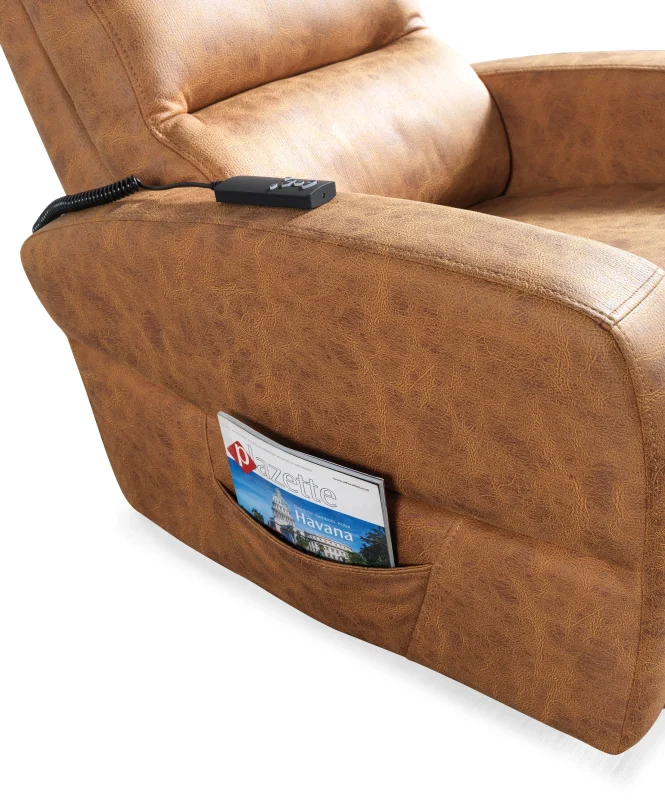
A cinema may require single seats, double recliners and coordinated seating arrangements. A residential entertainment room may benefit from a combination of individual recliners and multi-seat sofa configurations.
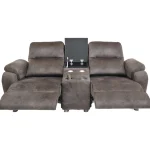
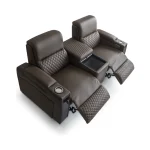
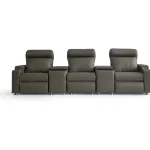
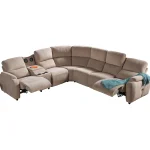
CHAIRIUM’s product range includes single, double and triple recliners, as well as corner and multi-seat solutions.
When planning a coordinated environment, consider:
- The total seating capacity.
- The arrangement of individual seats.
- Shared armrests or centre modules.
- The available room dimensions.
- Consistency of upholstery and colour.
- Functional requirements for each position.
- The visual relationship between different products.
A coordinated approach can help create a more consistent environment while allowing different seating configurations to serve different purposes.
12. The Importance of Product Documentation
Product documentation supports informed decisions.
Photographs are useful for understanding appearance, but technical information is necessary when evaluating dimensions, versions and product options.
CHAIRIUM’s E-Catalog provides series-based documentation and downloadable datasheets.
These resources help visitors examine product information in an organized format.
They can be useful for:
- Architects.
- Interior designers.
- Cinema planners.
- Furniture distributors.
- Procurement professionals.
- International buyers.
- Residential customers.
A datasheet can also serve as a reference during discussions between the buyer, designer and manufacturer.
Using the relevant documentation helps ensure that everyone is discussing the same product version and its applicable specifications.
13. How Factory Knowledge Supports Project Discussions
A manufacturer’s production background is an important part of understanding its business identity.
CHAIRIUM presents its factory and company background through its official website.
Its manufacturing identity is associated with İnegöl, Bursa, Türkiye, and the company describes its experience in seating solutions as dating back to the early 1980s.
For buyers, factory-related information can provide useful context when researching a potential manufacturing partner.
Relevant subjects include:
- Manufacturing background.
- Product development experience.
- Available product categories.
- Production-related capabilities.
- Customization discussions.
- Technical communication.
- Project requirements.
Factory knowledge becomes particularly relevant when an enquiry involves multiple products, tailored configurations or a larger commercial application.
Visitors can explore CHAIRIUM’s factory and company information to gain a broader understanding of the organization behind the products.
14. Custom Production and the Value of Flexibility
Not every seating project can be approached with a standard product configuration.
Some projects require specific upholstery, colours, dimensions or seating arrangements.
Customization can therefore become an important consideration.
CHAIRIUM presents tailored seating solutions for different residential and commercial environments.
Depending on the selected model and project requirements, discussions may involve:
- Upholstery selection.
- Colour preferences.
- Seating widths.
- Configuration alternatives.
- Additional features.
- Interior design requirements.
- Project-specific production considerations.
Customization should be discussed in relation to the actual product and its technical possibilities.
A clear project brief helps the manufacturer understand the intended result and evaluate the appropriate options.
15. Bringing Design Professionals and Manufacturers Together
Successful seating projects often involve cooperation between several professional groups.
An architect may establish the spatial concept. An interior designer may develop the material and colour direction. A cinema operator may define operational requirements, while the manufacturer provides product-related information.
This communication helps connect design expectations with product possibilities.
CHAIRIUM can be approached as a seating manufacturer and potential project partner by professionals who need to discuss:
- Product selection.
- Interior compatibility.
- Seating configurations.
- Material choices.
- Technical specifications.
- Customization.
- Project quantities.
The earlier these subjects are discussed, the easier it can be to identify questions that need to be resolved before the project progresses.
16. International Business Opportunities in the Seating Industry
The seating industry connects manufacturers, furniture distributors, retailers, project developers and professional buyers across international markets.
A manufacturer may serve different customer groups through residential products, commercial seating projects and international distribution relationships.
CHAIRIUM presents international business opportunities through its product portfolio and partner-oriented approach.
Potential areas of interest include:
- Furniture distribution.
- Wholesale purchasing.
- International dealership.
- Commercial cinema projects.
- Hospitality furniture projects.
- Project-based supply.
- Cooperation with furniture retailers.
- Relationships with architects and interior designers.
International buyers may also need to consider destination requirements, shipping arrangements, documentation and project schedules.
These details should be discussed directly with the company according to the intended market and transaction.
The website provides a starting point for discovering the brand and initiating such discussions.
17. Building Long-Term Relationships Through Product Knowledge
A professional relationship between a manufacturer and a customer may develop over an extended period.
The first conversation may concern a single product. Later discussions may involve additional seating requirements, new projects, different collections or commercial opportunities.
Product knowledge supports this relationship because it allows both parties to communicate more precisely.
For example, an international distributor may initially investigate one product family and later explore other configurations.
An architect may revisit the manufacturer when a new project requires a different seating concept.
A cinema operator may return to review updated product information or discuss a new auditorium.
CHAIRIUM’s website provides a continuing reference for these interactions through its product pages, collections, company information, catalog and contact resources.
18. CHAIRIUM.com as a Continuing Resource for Seating Projects
A manufacturer’s website should offer more than a simple product display.
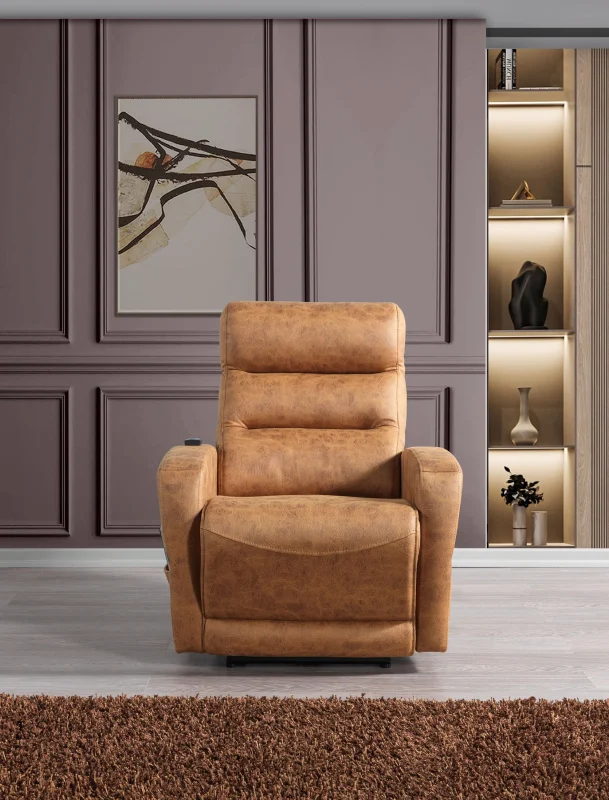
It can connect product discovery, technical research, visual information, company identity and project communication.
CHAIRIUM.com brings these subjects together in one online destination.
Visitors can explore:
- Premium recliner seating.
- VIP cinema chairs.
- Single, double and triple recliners.
- Recliner sofa sets.
- Product collections.
- Product videos.
- E-Catalog and series datasheets.
- Factory and company information.
- Customization possibilities.
- Project resources.
- Contact and quotation opportunities.
This broad perspective makes the website relevant to different types of visitors.
Someone researching a single home cinema recliner may begin with a product page. A professional buyer may begin with the E-Catalog. A project developer may be more interested in customization and direct communication.
Each visitor can approach the brand according to their own requirements.
Conclusion: Connecting Ideas, Products and Opportunities
The value of a seating manufacturer cannot be understood through product appearance alone.
Design, materials, mechanisms, dimensions, production knowledge, documentation and project requirements all contribute to the process of identifying an appropriate seating solution.
CHAIRIUM brings these elements together through its premium seating portfolio and its approach to residential and commercial projects.
Whether the requirement concerns a single recliner, a private cinema, a VIP auditorium or an international furniture business opportunity, the first step is to understand the relationship between the product and its intended application.
CHAIRIUM.com offers a central destination for exploring these possibilities and starting a conversation about future seating requirements.
Discover the collections, explore the manufacturing background and consider the possibilities for your next seating project.
CHAIRIUM — Premium Seating, Thoughtful Design and Tailored Project Solutions.
Official website: https://www.chairium.com/
Beyond the product lies the complete seating experience: design, functionality, manufacturing and the opportunity to create spaces that meet individual and professional requirements.