
Introduction
Selecting premium seating is an important decision, but the experience does not end when the products arrive and are installed. A successful seating environment also depends on how the furniture is introduced, used, evaluated and managed over time.
For a private cinema, a VIP auditorium, a hotel lounge, an entertainment venue or a residential living room, seating becomes part of the everyday experience of the space. Its value is influenced not only by its design and features, but also by how effectively it serves the people who use it.
CHAIRIUM brings together recliner seating, VIP cinema chairs and tailored seating solutions for residential and commercial environments. Its product collections provide different seating formats, upholstery choices and model-dependent features that can be considered when developing a seating project.
This article explores what happens after installation and how owners, operators, project managers, interior designers and furniture professionals can take a structured approach to managing and improving their seating environments.
Contents
- Why the Work Continues After Installation
- Establishing a Clear Handover Process
- Understanding the Installed Seating Configuration
- Introducing Users to Recliner Functions
- Helping Staff Understand Product Operation
- Creating a Practical Usage and Inspection Routine
- Collecting Feedback from Real Users
- Recognising Repeated Usage Patterns
- Responding to Product Questions and Operational Issues
- Keeping Product Information and Records Accessible
- Maintaining Consistency Across Multiple Seating Areas
- Reviewing the Relationship Between Seating and Interior Design
- Evaluating Optional Features in Everyday Use
- Planning for Future Changes in the Space
- Supporting Multiple Locations and Larger Projects
- Communicating with Suppliers and Project Partners
- Using CHAIRIUM Resources for Continued Evaluation
- Building a Long-Term Seating Improvement Strategy
1. Why the Work Continues After Installation
The installation of furniture marks the beginning of its practical use, not the end of the project.
Once people begin using a seating environment, the owner or operator can observe how well the original decisions work in everyday conditions. The actual experience may reveal details that were not fully apparent during the planning stage.
For example, a private cinema owner may discover which seating arrangement is most frequently used. A hotel operator may notice how guests interact with recliners in a lounge. A commercial cinema manager may receive questions about operating controls or optional features.
These observations help decision-makers understand the real performance of the environment.
A structured post-installation approach can help organisations:
- Understand how seating is being used.
- Identify recurring questions from users.
- Keep product information organised.
- Coordinate operational responsibilities.
- Recognise opportunities for future improvements.
2. Establishing a Clear Handover Process
A professional handover helps ensure that the people responsible for a space understand what has been installed and how the seating should be managed.
The handover process should include the essential information about the selected products, their configurations and any relevant project decisions.
Depending on the project, useful handover information may include:
- Product series and model names.
- Number of installed seats.
- Seating configuration and arrangement.
- Relevant product dimensions.
- Upholstery and colour selections.
- Selected mechanisms and optional features.
- Available product documentation.
- Contact information for relevant project partners.
For commercial projects, this information should be accessible to the people responsible for daily operations and future procurement.
A well-organised handover creates a reliable reference point for the next stages of the seating environment’s life.
3. Understanding the Installed Seating Configuration
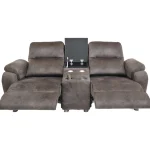
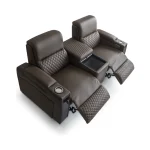
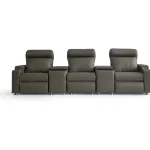
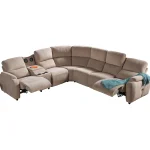
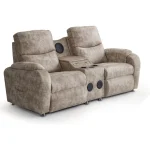
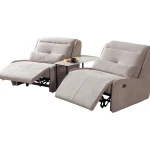
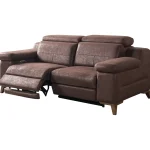
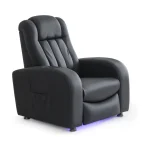
Not every seating environment uses the same product format. A room may contain individual recliners, double seating units, triple recliner sofas or larger configurations.
Understanding the installed arrangement is important when planning daily operations, cleaning access, user guidance and future product additions.
CHAIRIUM’s product collection includes different formats, allowing buyers and project professionals to explore alternatives according to their intended applications.
For example, a residential entertainment room may use individual recliners, while a shared entertainment area may benefit from double or multi-seat arrangements.
The important point is to maintain an accurate record of what has actually been installed rather than relying on general product descriptions.
This makes future communication, replacement planning and project expansion more organised.
4. Introducing Users to Recliner Functions
A recliner may include functions that are unfamiliar to first-time users. A short introduction can make the experience easier and reduce unnecessary questions.
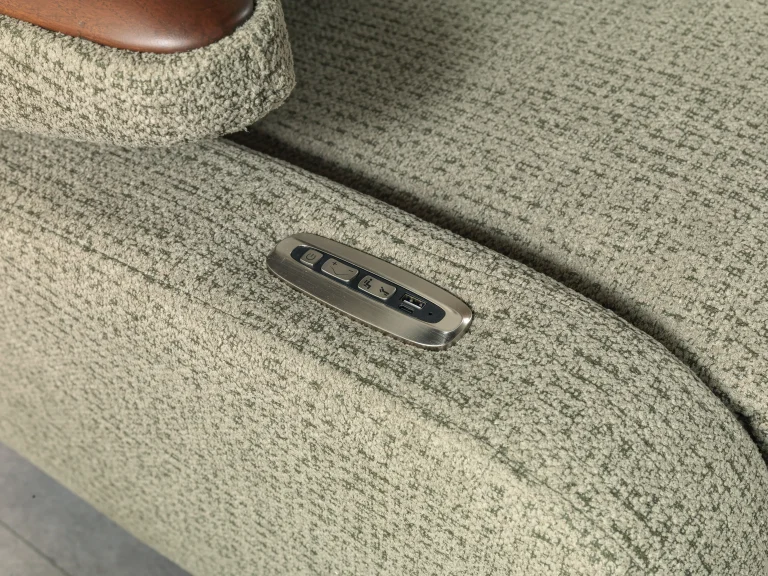
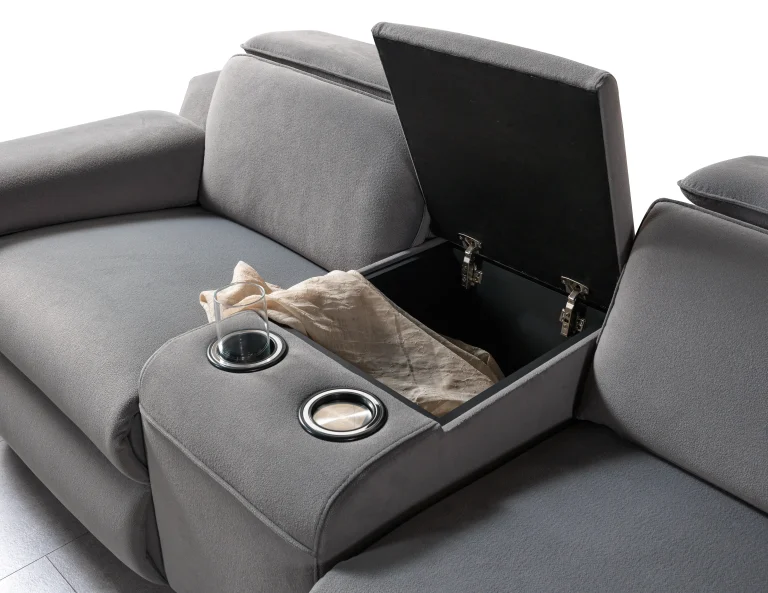
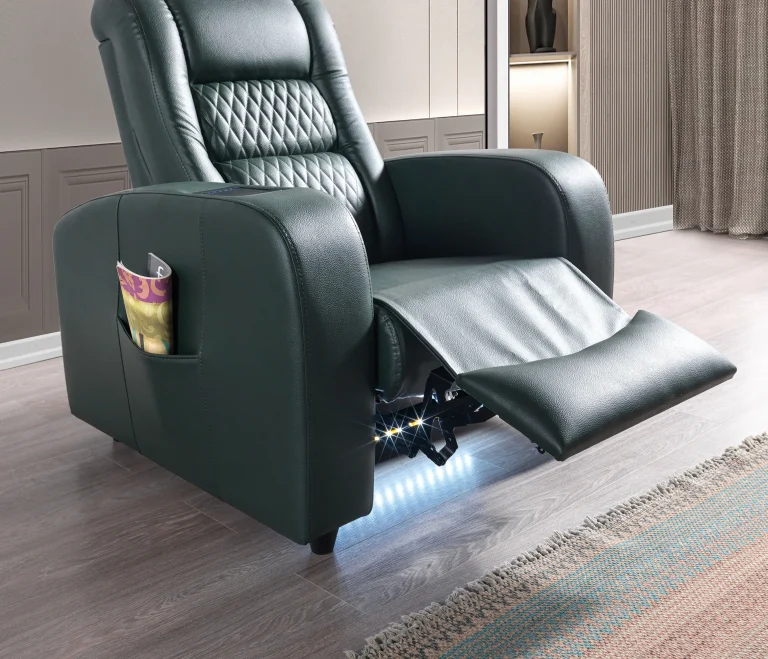
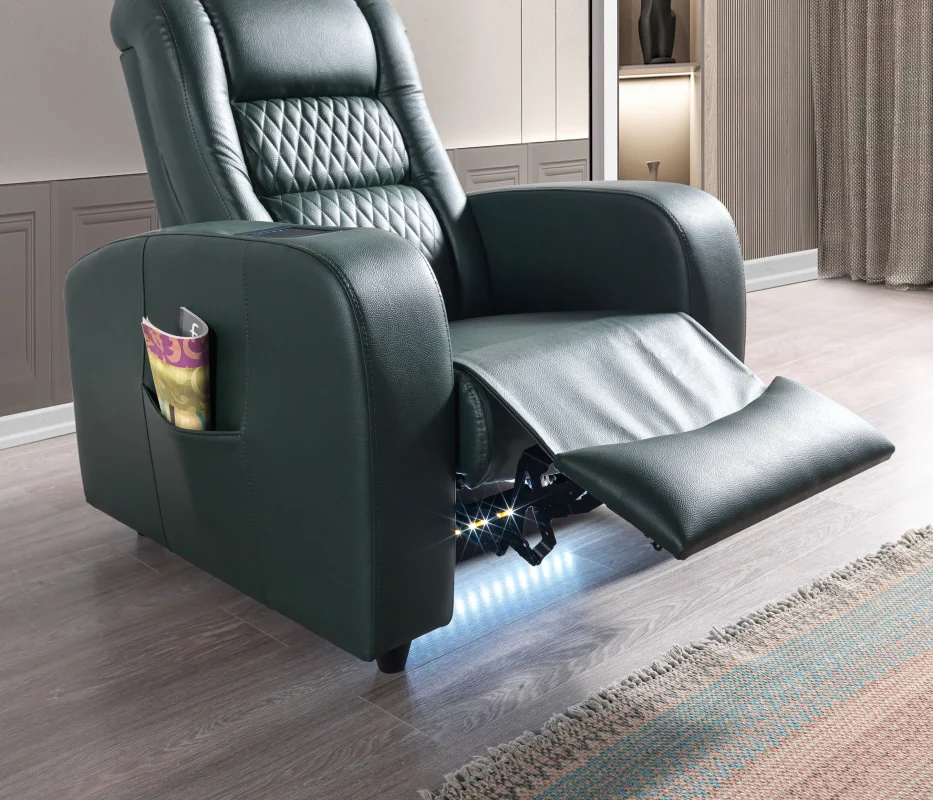
Depending on the selected model, a recliner may have a manual or motorized reclining mechanism. Certain products may also offer features such as USB connections, cup holders, lighting or other optional equipment.
Users should be shown only the functions available on the specific model in front of them.
In a private cinema, this introduction may be provided by the owner or a family member. In a commercial venue, a short explanation from trained staff may be more appropriate.
Clear instructions help users understand the product and make better use of the available functions.
5. Helping Staff Understand Product Operation
In commercial environments, staff members may be the first people approached when a customer has a question about a recliner.
Cinema teams, hotel employees, lounge personnel and customer service representatives should therefore understand the basic operation of the installed seating.
A practical staff introduction can cover:
- How the reclining mechanism operates.
- Which controls belong to each seat.
- Which optional features are available.
- How to guide users without forcing or mishandling mechanisms.
- Where to find product documentation.
- How to report a technical concern.
Staff do not need to become technical specialists. Their role is to provide clear basic guidance and direct more complex questions to the appropriate contact.
This approach can improve communication between users, operators and project partners.
6. Creating a Practical Usage and Inspection Routine
A seating environment benefits from a consistent routine that reflects how frequently and intensively it is used.
A private living room may require a relatively simple inspection schedule. A busy cinema or hospitality venue may need more regular checks.
A practical routine can include visual observation of upholstery, armrests, controls, visible connections and the general condition of each seat.
Any inspection should follow the product guidance and the relevant safety instructions. Users should not attempt repairs or adjustments beyond their competence.
For commercial operators, a simple written checklist can help staff record observations consistently.
The objective is not to create unnecessary procedures. It is to identify issues early and maintain a clear understanding of the condition of the seating.
7. Collecting Feedback from Real Users
Product specifications provide important information, but real user feedback reveals how seating performs within a particular environment.
A cinema operator may ask customers whether the seating arrangement feels convenient. A hotel may collect comments about the comfort and appearance of its lounge furniture. A homeowner may discuss which seats are most frequently used by family members.
Useful feedback questions can include:
- Is the seat easy to use?
- Are the available functions understood?
- Does the seating arrangement suit the activity?
- Is the upholstery appropriate for the environment?
- Are there recurring questions or difficulties?
- Would users prefer a different configuration in a future project?
Feedback should be collected in a practical and respectful way.
Over time, these observations can help owners make better-informed decisions when adding seating, updating a room or planning another location.
8. Recognising Repeated Usage Patterns
A seating area may be used differently from what was originally expected.
For example, a double recliner in a residential entertainment room may become the most frequently used seating option. A commercial lounge may experience heavier use in certain zones. A cinema operator may discover that particular seating configurations are preferred by specific customer groups.
Recognising these patterns helps project owners understand whether the original arrangement continues to meet their needs.
It may also reveal opportunities to improve the overall environment without replacing every product.
Usage patterns should be considered alongside the room’s purpose, capacity, customer expectations and available space.
9. Responding to Product Questions and Operational Issues
Questions and operational concerns should be handled through a clear communication process.
When an issue occurs, the first step is to identify the relevant product and describe the situation accurately.
Useful information may include:
- The product name or series.
- The approximate installation date.
- The specific function involved.
- A clear description of the observed issue.
- Photographs or videos, where appropriate.
- Any relevant product documentation.
This information can help the responsible supplier or service contact understand the situation more efficiently.
Users should avoid dismantling mechanisms or attempting unauthorised repairs. Product-specific guidance should always take priority.
A clear reporting process is particularly valuable for businesses operating several seating areas or multiple locations.
10. Keeping Product Information and Records Accessible
Product information should remain available after the initial purchase.
A project may need to refer to dimensions, upholstery choices, model versions or optional features months or years after installation.
Keeping these details organised can make future decisions easier.
A useful product record may contain:
- Product name and version.
- Technical datasheet.
- Original project quotation.
- Selected upholstery and colour.
- Configuration details.
- Installation photographs.
- Relevant communication records.
CHAIRIUM provides an online E-Catalog where visitors can explore series datasheets and product information. This can be a useful starting point when reviewing product options or preparing for a future project.
For current specifications, buyers should always consult the relevant product page and confirm details for the exact model and version.
11. Maintaining Consistency Across Multiple Seating Areas
Large venues may contain several different seating zones. A hotel, entertainment complex or cinema can use different furniture formats while still maintaining a consistent overall identity.
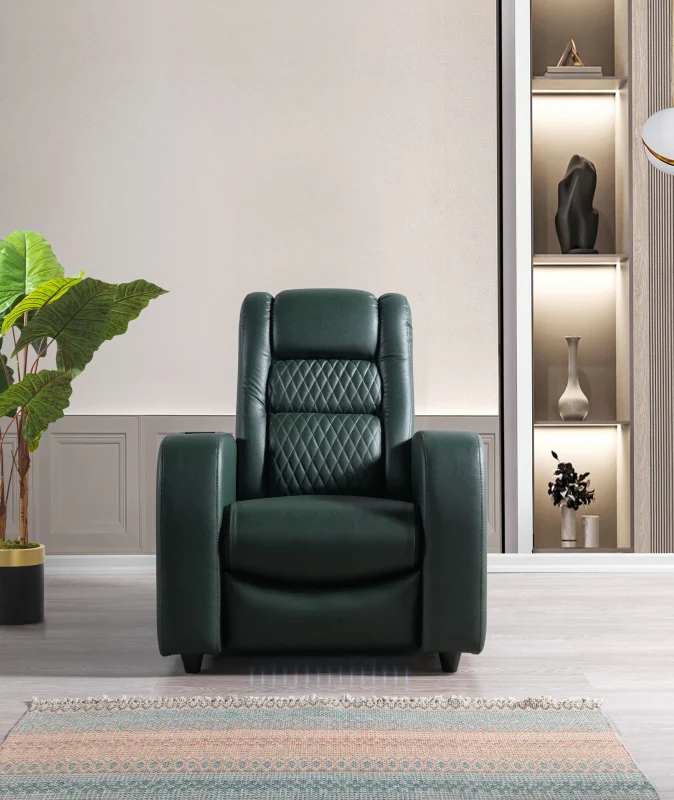
Consistency does not necessarily mean choosing the same chair for every area.
Instead, it may involve coordinating colours, upholstery, design language and the intended atmosphere of each zone.
For example, a venue may use individual recliners in a private room and double seating in a separate VIP area. The configurations can differ while still contributing to a coherent interior concept.
When planning multiple areas, project managers should document the decisions that connect the different zones.
This helps preserve a recognisable design identity while allowing each area to serve its own purpose.
12. Reviewing the Relationship Between Seating and Interior Design
Furniture is part of the overall interior environment. Over time, changes to lighting, flooring, wall finishes or decorative elements may affect how the seating looks and functions within a room.
A seating review should therefore consider more than the condition of the chairs themselves.
Questions worth considering include:
- Does the seating still complement the interior?
- Are the colours and materials appropriate for the current design?
- Does the furniture support the intended atmosphere?
- Are the seating zones visually coherent?
- Would a future refurbishment require a different configuration?
CHAIRIUM’s positioning includes seating solutions for both private residences and public or commercial spaces. Its product range and project-oriented approach provide a starting point for considering furniture as part of a wider interior concept.
13. Evaluating Optional Features in Everyday Use
Optional features can influence the experience of a recliner, but their value depends on the environment and the expectations of its users.
Some models may offer features such as lighting, massage, tray tables or cooler cup holders. Other products may focus on a simpler configuration.
A useful evaluation considers whether each selected feature is actually relevant to the intended application.
For example, a private cinema owner may value particular convenience features, while a commercial operator may prioritise ease of operation and the needs of the venue.
The availability of each feature varies by model and configuration. It should never be assumed that every feature is included in every CHAIRIUM product.
Reviewing real usage helps buyers make more informed decisions for future purchases.
14. Planning for Future Changes in the Space
A seating environment may need to change as the needs of its users evolve.
A homeowner may redesign an entertainment room. A hotel may renovate a lounge. A cinema operator may introduce a new VIP section or update an existing area.
Future planning should begin with an assessment of the current environment.
Consider:
- Whether the original seating capacity remains suitable.
- Whether the room’s purpose has changed.
- Whether a different seating format is required.
- Whether the upholstery or colour scheme needs updating.
- Whether additional product features would be useful.
- Whether the existing project documentation is complete.
A clear record of the original installation can make future decisions more straightforward.
When exploring new products, buyers can compare current CHAIRIUM collections and discuss their requirements with the company.
15. Supporting Multiple Locations and Larger Projects
Businesses with several branches or locations may need a consistent approach to furniture management.
A cinema group, hotel operator or entertainment business may want to maintain a recognisable seating standard while adapting individual projects to different buildings.
A central product record can help coordinate these decisions.
It may include approved product series, upholstery preferences, configuration details and the relevant documentation for each location.
However, each site should still be evaluated according to its own dimensions, intended use and project requirements.
CHAIRIUM’s range of seating formats and project-oriented approach can be explored by businesses considering new installations or future expansions.
16. Communicating with Suppliers and Project Partners
Good communication remains important throughout the life of a seating project.
Owners, operators, architects, interior designers, procurement teams and furniture suppliers may all contribute to different stages of a project.
When communicating about existing or future seating, it is helpful to provide precise information rather than general descriptions.
A useful enquiry can include:
- The intended application.
- The product or series being considered.
- The number of seats required.
- The preferred configuration.
- Relevant room or project information.
- Upholstery and colour preferences.
- Questions about available features.
- The expected project schedule.
CHAIRIUM’s official website provides product information and contact channels for people who want to discuss seating requirements.
A well-prepared enquiry helps establish a clearer starting point for the conversation.
17. Using CHAIRIUM Resources for Continued Evaluation
The CHAIRIUM website can be used not only to discover products but also to revisit product information as project requirements develop.
Visitors can explore different resources according to their needs:
- Product collections: Review available seating series and formats.
- E-Catalog: Explore product datasheets, dimensions, versions and options.
- Product pages: Review model-specific features and upholstery information.
- Videos: Observe selected seating products and their functions.
- Company information: Learn more about CHAIRIUM and its background.
- Contact page: Send questions or discuss a project.
Useful starting points include:
- Website: https://www.chairium.com/
- Products: https://www.chairium.com/auditorium-chair-products
- E-Catalog: https://www.chairium.com/e-catalog
- VIP Cinema Chairs: https://www.chairium.com/products/vip-cinema-chairs
- Videos: https://www.chairium.com/videos
- Company: https://www.chairium.com/auditorium-chair-cinema-chair-manufacturer-company
- Contact: https://www.chairium.com/contact
These resources allow residential customers, commercial buyers and project professionals to continue exploring CHAIRIUM from different points of interest.
18. Building a Long-Term Seating Improvement Strategy
A premium seating environment should be evaluated as an ongoing part of the space rather than a one-time furniture purchase.
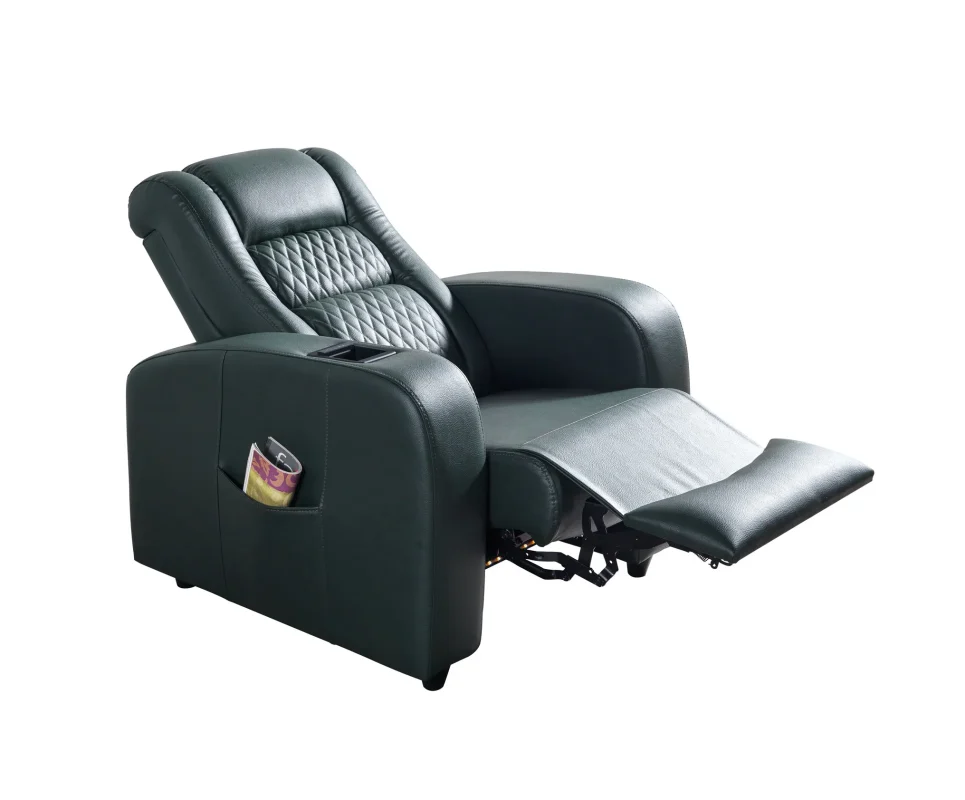
The most useful long-term strategy combines product information, practical observation, user feedback and clear communication.
A simple improvement cycle can follow five steps:
- Record: Keep accurate information about the installed products and configurations.
- Observe: Understand how people use the seating in everyday conditions.
- Evaluate: Identify recurring questions, operational concerns and changing requirements.
- Communicate: Share relevant information with the appropriate project or product contacts.
- Improve: Use the findings to guide future updates, additions or new projects.
This approach can help homeowners, venue operators and furniture professionals make more informed decisions over time.
CHAIRIUM offers a range of recliner seating, VIP cinema chairs and tailored seating solutions for different residential and commercial applications. By exploring the available collections, product information and project contact channels, visitors can continue their research and discuss solutions that reflect their individual requirements.
Conclusion: A Seating Project Is More Than an Installation
A successful seating environment is shaped by the decisions made before installation and the attention given to the space afterwards.
Understanding product configurations, introducing users to available functions, collecting feedback, maintaining records and communicating clearly can all contribute to a more organised and effective seating experience.
For people researching premium recliners, VIP cinema chairs or tailored seating solutions, CHAIRIUM.com offers a place to explore products, review available resources and begin a project conversation.
Whether the requirement involves a private cinema, a residential living room, a commercial entertainment venue or a larger seating project, the next step begins with understanding the space and identifying the right questions.
Explore CHAIRIUM: https://www.chairium.com/