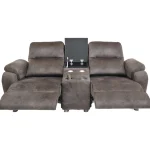
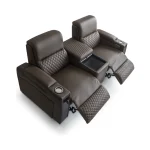
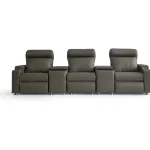
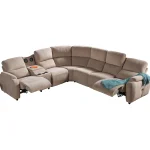

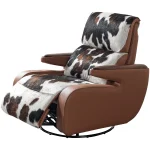
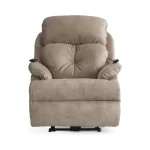
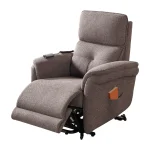
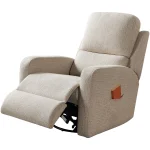
Choosing premium seating is more than selecting an attractive chair. The right decision brings together comfort, functionality, dimensions, design, materials and the requirements of the space.
CHAIRIUM offers seating solutions for private residences, home cinema rooms, VIP cinemas and commercial projects. Exploring the available products systematically helps customers, architects, interior designers, cinema operators and project planners identify the options that best match their needs.
The following 18 steps provide a practical guide to evaluating and selecting CHAIRIUM seating solutions.
1. Define the Purpose of Your Seating Project
Begin by identifying where and how the seating will be used. A private home cinema, a living room, a VIP auditorium and a commercial entertainment venue may each require a different seating approach.
A clear purpose makes it easier to narrow down the available CHAIRIUM models and configurations.
2. Identify the People Who Will Use the Seats
Consider the expected users and their requirements. Personal home use, family entertainment, VIP cinema guests and commercial audiences may have different expectations regarding comfort, space and functionality.
Understanding the end users helps establish practical selection criteria.
3. Measure the Available Space
Accurate measurements are essential before selecting any seating model. Record the room’s width, depth, height, access points and any architectural limitations.
For cinema and auditorium projects, also consider circulation areas, viewing distances and the arrangement of seating rows.
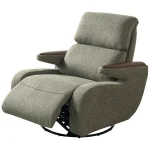
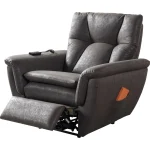
4. Select the Most Suitable Seating Configuration
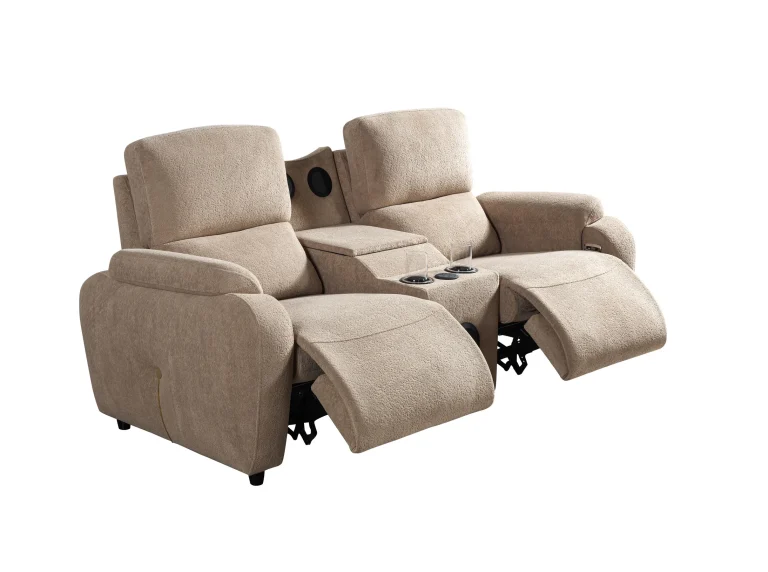
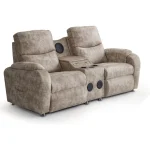
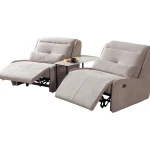
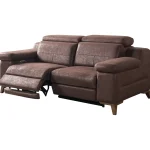
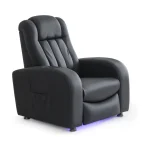
CHAIRIUM’s product range includes single, double and triple recliners, as well as corner and set configurations.
The appropriate arrangement depends on the available floor area, the number of users and the intended appearance of the room. Explore the available configurations through the official CHAIRIUM Products Collection.
5. Compare Different Product Series
Do not base a decision on a single product photograph. Explore different CHAIRIUM series and compare their designs, dimensions, configurations and available features.
A broader comparison can reveal alternatives that may be better suited to the project’s requirements.
6. Evaluate Reclining Mechanisms
For recliner seating, the operating mechanism is an important part of the selection process. Consider whether a motorized or manual solution is appropriate for the intended application.
Review the operating method and reclining information provided on each individual CHAIRIUM product page.
7. Consider Seating Dimensions and Personal Space
Seat width, overall product width, depth and height influence both comfort and room planning.
Some CHAIRIUM models offer customization possibilities, including adjustable seat width. Confirm the required dimensions and the available options with CHAIRIUM before finalizing a project specification.
8. Choose Upholstery According to the Application
Upholstery affects the appearance, feel and maintenance requirements of seating.
CHAIRIUM product pages present upholstery options such as fabric and artificial leather, with genuine leather available as an option on certain models. Check the specific product page to confirm which materials are offered for your selected model.
9. Coordinate Colours with the Interior
The colour of the seating should complement the room’s walls, flooring, lighting and decorative elements.
Consider the overall interior design rather than choosing a colour in isolation. If additional information is needed, contact CHAIRIUM to discuss available colour choices and material samples.
10. Review Standard and Optional Features
Compare the features included as standard with those available as optional additions.
Depending on the model, CHAIRIUM seating may offer features such as USB ports, cup holders, LED lighting, massage functions, tray tables or speakers. Availability differs by product, so confirm every requested feature before ordering.
11. Assess Comfort for the Intended Experience
Comfort should be evaluated in relation to the way the seating will be used. Consider the seat structure, available space, reclining position and the expected duration of use.
For a home cinema, private relaxation area or VIP auditorium, the desired seating experience should guide the selection.
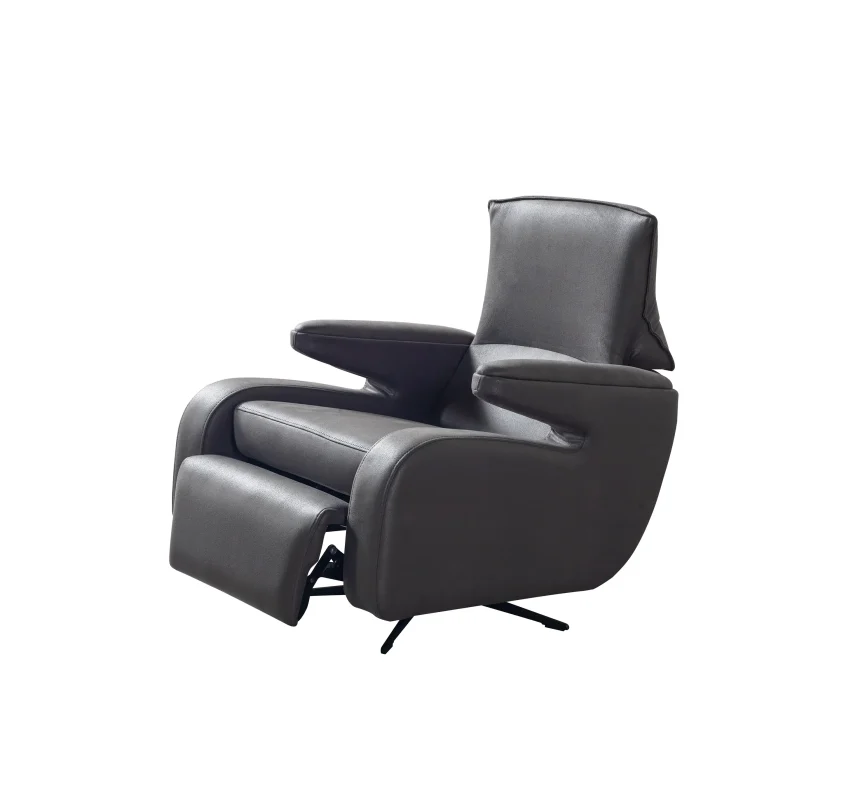
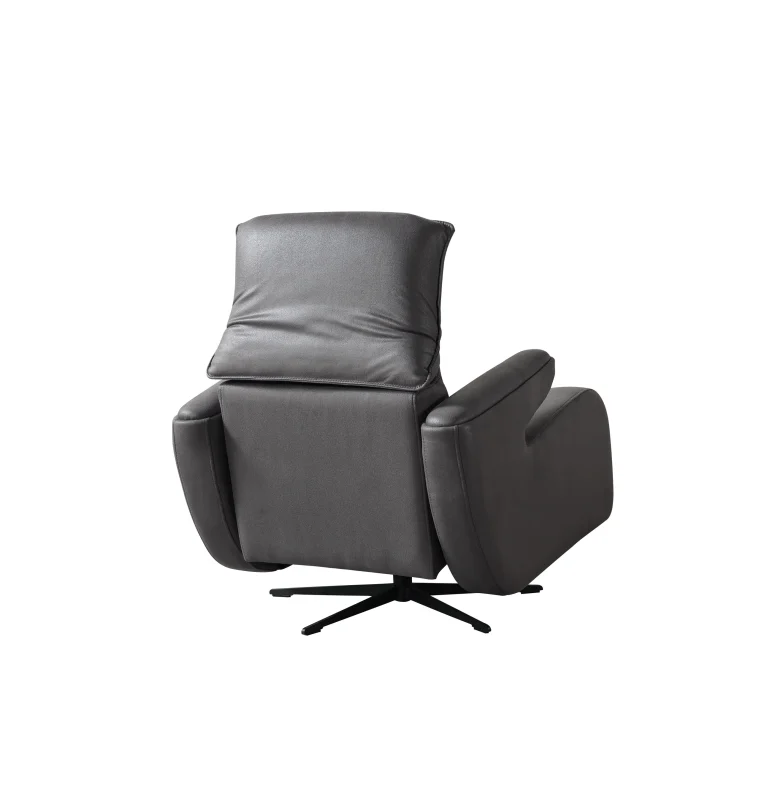
12. Examine Product Photographs Carefully
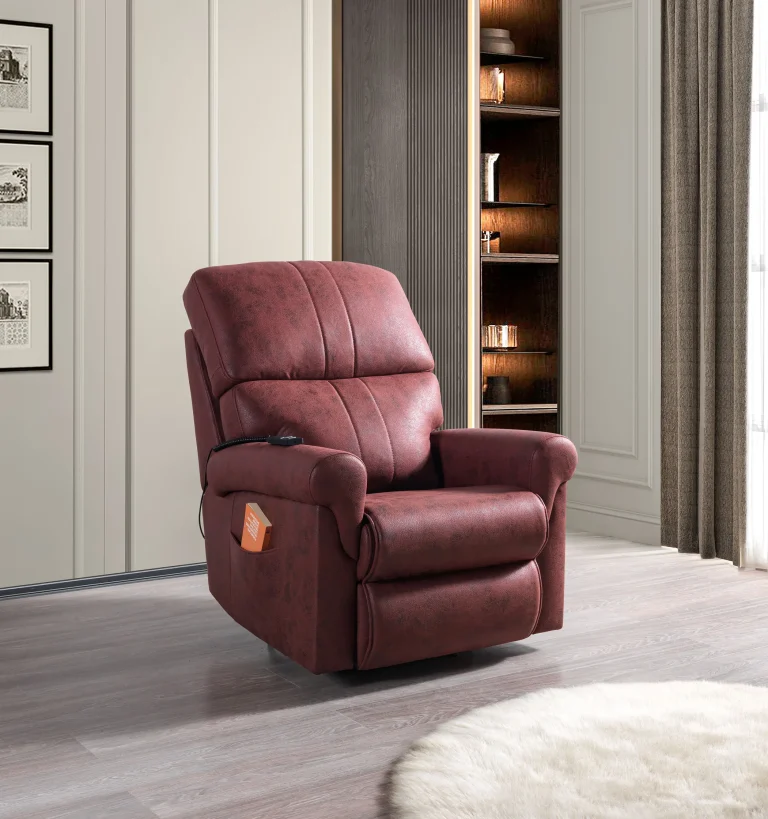
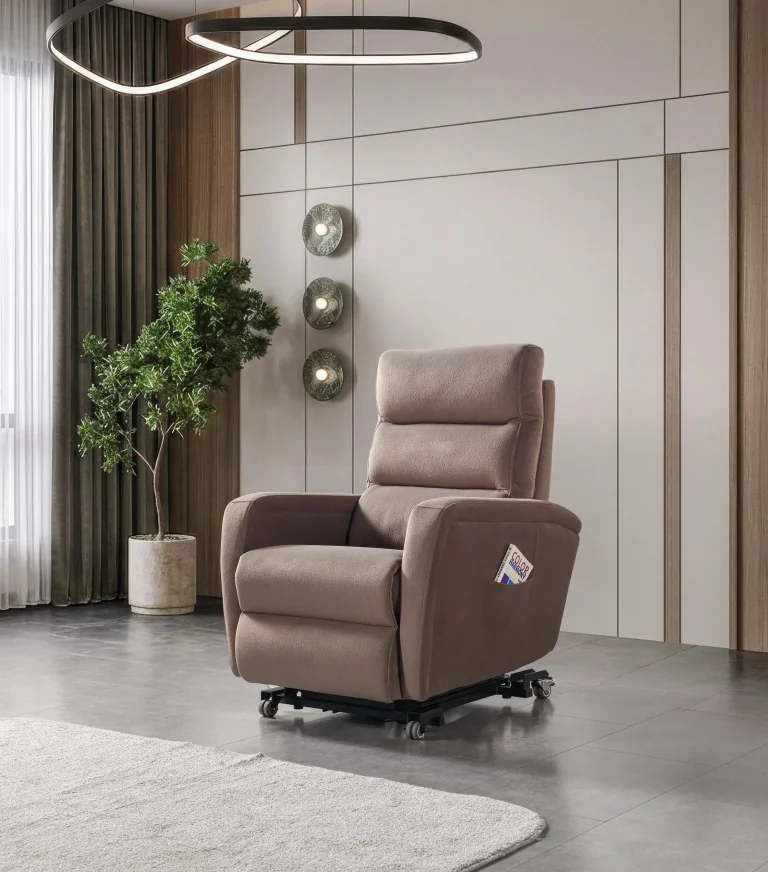
Product photographs help you understand the design, upholstery, proportions and possible configurations.
Review the images on the relevant CHAIRIUM product page. Where available, examine photographs showing different angles, configurations and product details rather than relying on a single image.
13. Use Videos and Technical Information
Photographs show appearance, while videos can help demonstrate how a product operates and how its mechanism moves.
Technical specifications and datasheets are also useful when preparing a project proposal, comparing alternatives or sharing product information with architects and other decision-makers.
14. Match the Product to the Project Type
A seating solution for a private residence may have different priorities from one designed for a commercial cinema or hospitality environment.
CHAIRIUM’s product range can be explored in relation to home cinema rooms, VIP cinemas, auditoriums and other premium seating applications. Start with the intended environment and then compare suitable models.
15. Consider Installation and Layout Requirements
Before confirming an order, review how the selected seating will be transported, positioned and arranged within the space.
For larger projects, prepare a layout showing the number of seats, row arrangements, access routes and any relevant room limitations. Discuss project-specific requirements with CHAIRIUM.
16. Understand Maintenance and Everyday Use
Consider how the selected upholstery and features will be used and maintained over time.
Ask for product-specific care recommendations, particularly where seating will be used frequently in commercial environments. Appropriate care helps maintain the appearance and usability of the furniture.
17. Prepare a Clear Product Specification
Once you have shortlisted the preferred model, gather the essential details in one document:
- Product name and series
- Required quantity
- Seating configuration
- Overall dimensions
- Upholstery and colour preferences
- Requested standard and optional features
- Project location and intended application
- Any customization requirements
A clear specification helps reduce misunderstandings and supports more efficient communication.
18. Contact CHAIRIUM to Discuss Your Requirements
The final step is to share your project information with CHAIRIUM. Provide the preferred product pages, measurements, quantities, images or layout plans, and any questions that need clarification.
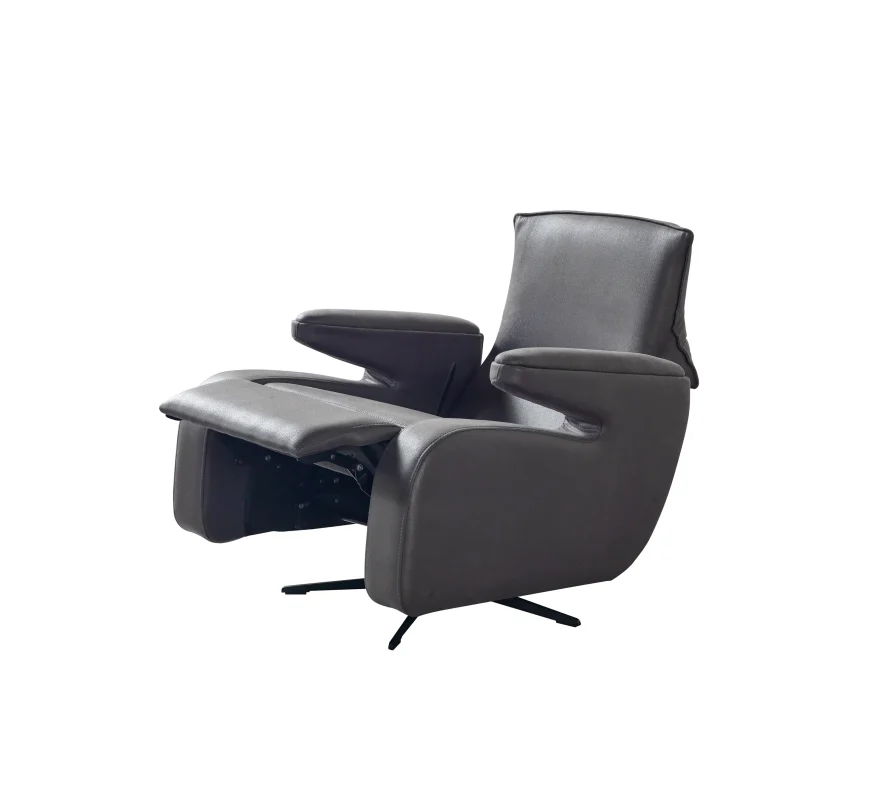
Whether you are selecting one recliner for a private room or planning seating for a larger commercial project, direct communication can help establish which available solutions and customization possibilities are appropriate.
Explore the official website at CHAIRIUM.com to review products, discover seating configurations and submit your project inquiry.
Conclusion
Selecting the right seating requires a considered balance of design, comfort, dimensions, materials, functionality and project requirements.
By following these 18 steps, customers and professional buyers can approach the selection process with clearer expectations and more organized information.
CHAIRIUM brings together premium recliner seating, VIP cinema chairs and tailored seating possibilities for different environments. The best starting point is to explore the official product range, compare the relevant specifications and discuss the details of your project directly with CHAIRIUM.
Discover CHAIRIUM. Explore the possibilities. Plan your seating project with confidence.
Official website: https://www.chairium.com/