
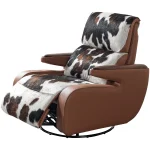
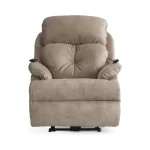
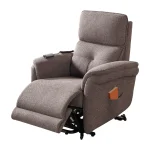
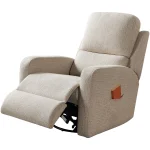
Introduction: Every Successful Seating Project Begins with a Clear Conversation
Choosing premium seating is more than selecting a chair from a product catalogue. Every successful seating decision begins with understanding the people who will use the furniture, the environment in which it will be placed, the desired appearance, the required functionality and the expectations of the project.
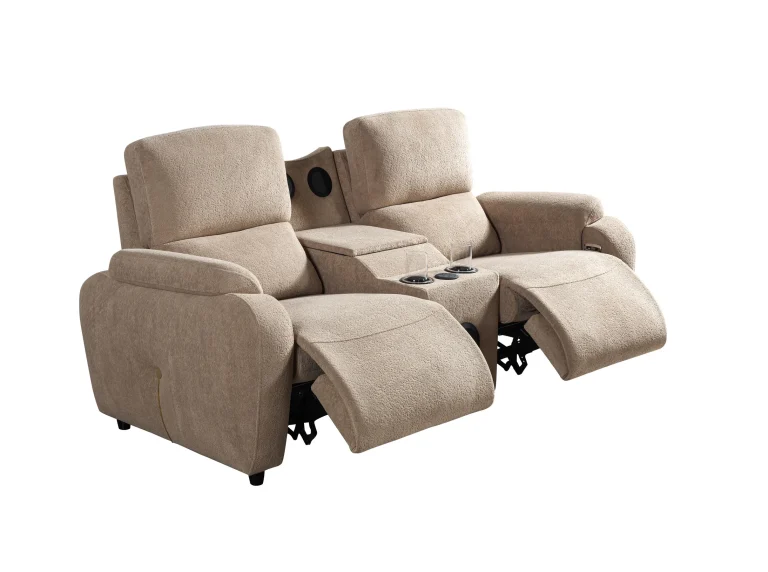
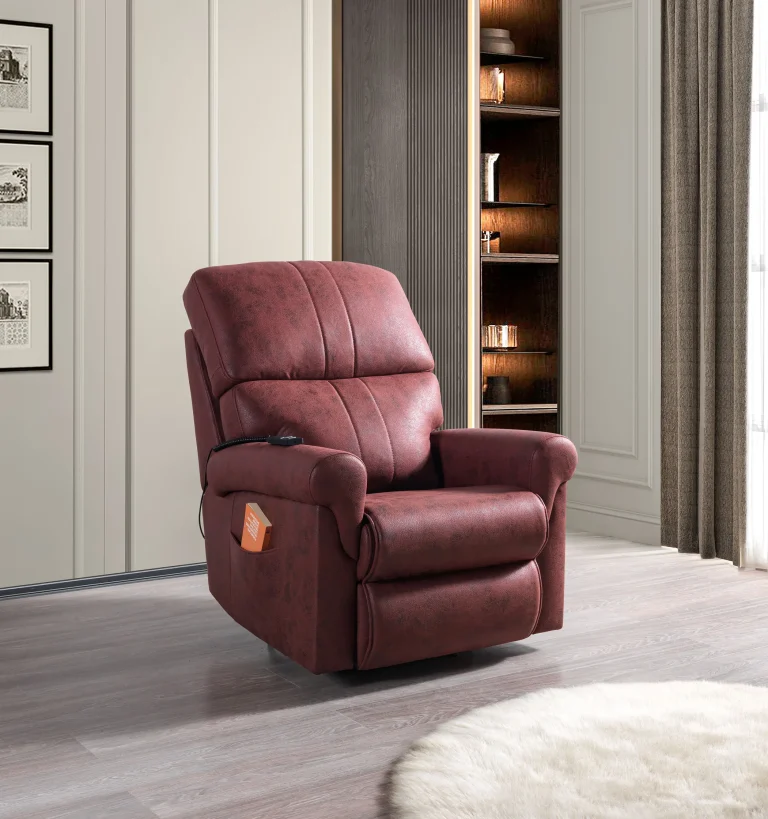
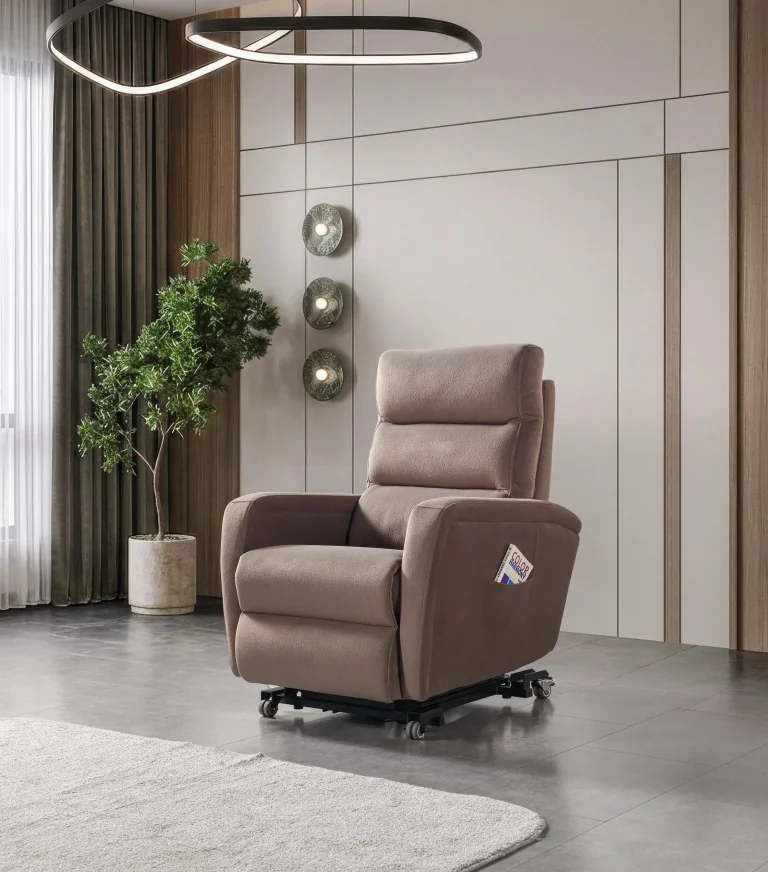
CHAIRIUM brings together premium recliner seating, VIP cinema chairs, home cinema solutions and tailored seating possibilities for residential and commercial environments.
Whether someone is planning a private cinema, developing a VIP auditorium, furnishing a hotel, designing an entertainment area or looking for a manufacturing and distribution partner, the first step is communicating the requirements clearly.
The purpose of a project brief is to make this communication easier. It gives customers, architects, interior designers, business owners, furniture professionals and international partners a practical starting point for discussing their seating requirements with CHAIRIUM.
The following 18 elements explain how to approach this process and how to make better use of the information, products and communication opportunities available through CHAIRIUM.com.
1. Begin with the Purpose of Your Seating Project
Every seating project has a different purpose. A private home cinema requires a different approach from a commercial movie theatre, hotel lounge or VIP entertainment area.
Before exploring products, identify the main objective of your project.
Consider whether the seating is intended for:
- Private home cinema environments.
- Luxury living rooms.
- Commercial cinemas.
- VIP auditoriums.
- Hotels and hospitality spaces.
- Entertainment and leisure facilities.
- Special residential or commercial interiors.
A clearly defined purpose helps establish the right direction for product selection and communication with CHAIRIUM.
2. Identify the People Who Will Use the Seating
A seating solution should respond to the people who will experience it.
For a private cinema, the priorities may include personal comfort, relaxation and home interior harmony. In commercial environments, operators may also consider customer experience, seating capacity, durability and ease of maintenance.
Think about:
- The expected users.
- The frequency of use.
- Individual or shared seating preferences.
- The desired level of comfort.
- The type of experience the environment should provide.
Understanding the end user makes the project discussion more meaningful.
3. Describe the Environment Before Selecting a Model
The physical environment is one of the most important parts of a seating brief.
A chair that looks attractive in a product photograph must also be appropriate for the actual room.
Describe the intended location, including its dimensions, architectural character, lighting conditions and interior design.
CHAIRIUM provides seating solutions for environments ranging from private residences to public and commercial spaces.
The more clearly the environment is explained, the easier it becomes to evaluate suitable alternatives.
4. Provide Room Dimensions and Available Space
Measurements help turn a general idea into a practical project discussion.
Whenever possible, prepare:
- Room width and length.
- Ceiling height.
- Doorway and access dimensions.
- Available seating area.
- Distance between seating rows.
- Space required for movement and reclining.
- Any architectural restrictions.
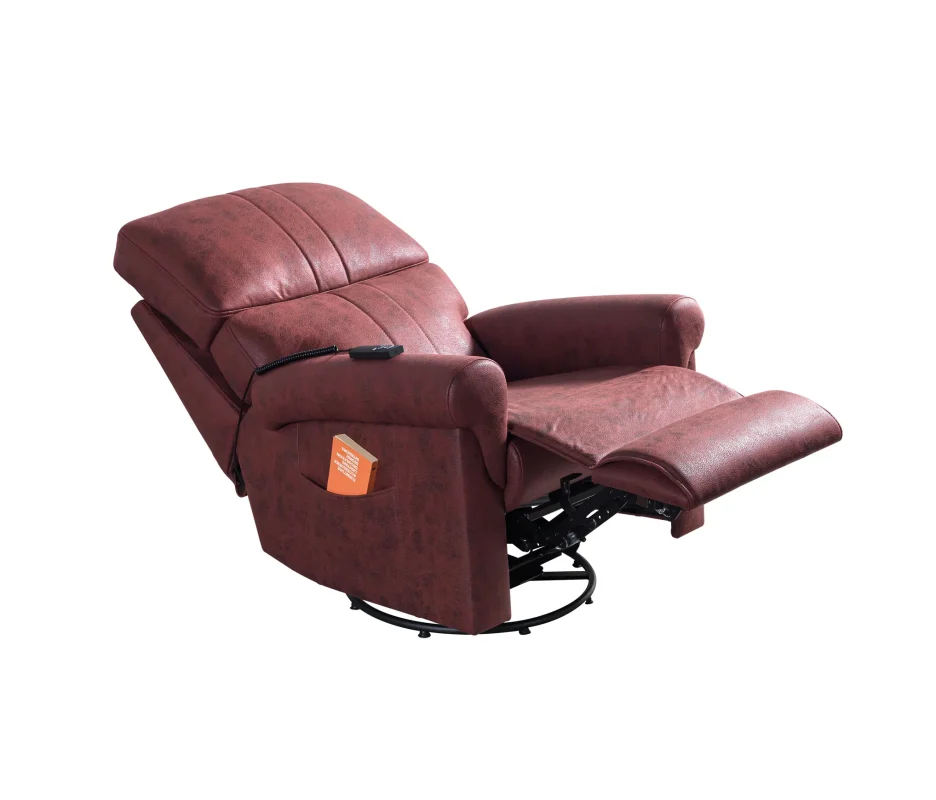
For recliner projects, it is particularly important to consider the space occupied when the footrest and backrest are extended.
Accurate measurements help prevent unsuitable configurations and support more informed planning.
5. Determine the Preferred Seating Configuration
The number and arrangement of seats influence both the appearance and functionality of a space.
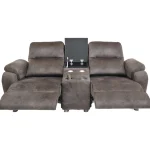
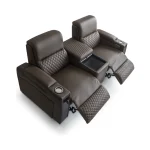
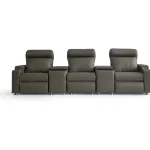
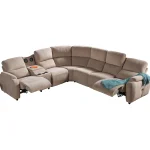
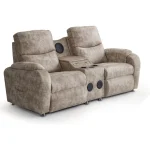
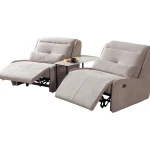
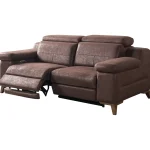
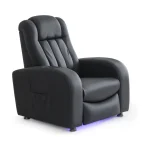
Depending on the project, customers may consider single recliners, double recliners, triple seating arrangements or corner configurations.
CHAIRIUM’s product collections include different seating formats, allowing customers to explore alternatives according to their requirements.
A useful project brief should explain:
- The required number of seats.
- Whether individual or shared seating is preferred.
- Whether centre modules are needed.
- Whether shared armrests are appropriate.
- Whether the seating should be arranged in rows or separate groups.
Configuration should be evaluated together with the dimensions of the room.
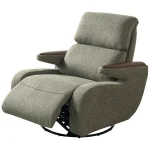
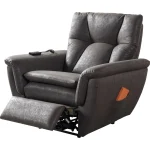
6. Explore Recliner Mechanisms and Functional Requirements
Reclining functionality can influence the overall seating experience.
Some customers prefer motorized reclining systems, while others may prefer manual mechanisms or additional movement features.
Before requesting a proposal, identify the functionality that matters most.
Possible considerations include:
- Motorized reclining.
- Manual reclining.
- Adjustable footrests.
- Different resting positions.
- Rocking or rotation features, where available.
- Easy-to-access operating controls.
The appropriate mechanism depends on the selected model and its available specifications.
Customers should review individual product information rather than assume that every feature is available across the entire collection.
7. Choose Upholstery According to the Project Identity
Upholstery contributes significantly to the visual and practical character of premium seating.
The selection of fabric, artificial leather or genuine leather can influence the atmosphere of a room and how the seating relates to the surrounding interior.
Consider:
- The desired visual appearance.
- The preferred material.
- The expected intensity of use.
- The cleaning and maintenance requirements.
- The relationship between upholstery and other interior materials.
CHAIRIUM presents different upholstery possibilities, with availability depending on the product and selected specifications.
8. Establish a Colour and Design Direction
Colour selection is not simply a decorative decision. It helps connect seating with the architectural identity of the environment.
A project may require neutral colours for a calm residential interior, darker tones for a cinema environment or distinctive colours for a specially designed VIP area.
Prepare references that communicate your preferred direction.
These may include interior photographs, colour references, material samples or existing furniture details.
A consistent design direction helps make product discussions more precise and reduces unnecessary uncertainty.
9. Separate Essential Features from Optional Features
Not every project requires every available feature.
A practical approach is to distinguish between essential requirements and optional preferences.
For example, a customer may consider a cup holder and USB connection essential, while LED lighting, massage functionality or additional accessories may be optional.
Depending on the model, CHAIRIUM products offer different feature combinations.
A well-prepared brief should identify:
- Features that are necessary.
- Features that would improve the experience.
- Features that are not required.
- Features that need further technical clarification.
This approach makes product comparisons more useful.
10. Consider the Overall Interior Design
Premium seating should complement the entire environment rather than appear as an isolated product.
For this reason, consider the relationship between the seating and:
- Wall finishes.
- Flooring.
- Lighting.
- Curtains and acoustic materials.
- Tables and other furniture.
- Interior architectural details.
The objective is to create a coherent environment in which comfort, functionality and visual identity work together.
CHAIRIUM’s customization possibilities can provide a starting point for discussing seating that relates more closely to a project’s design direction.
11. Prepare Photographs, Drawings and Visual References
Visual information can make communication considerably easier.
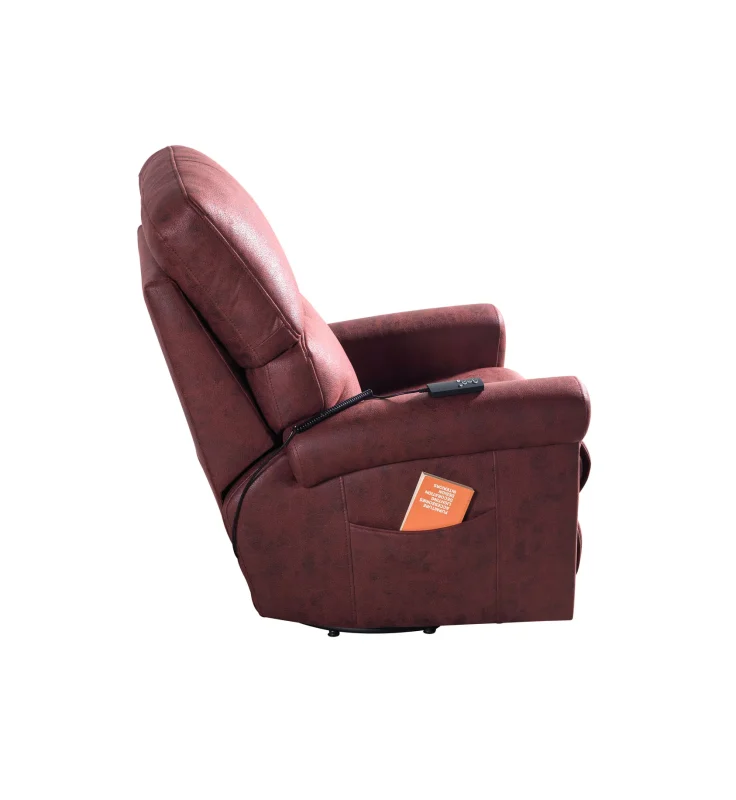
A customer does not need to have a complete architectural project before contacting CHAIRIUM.
Even a small collection of photographs and basic measurements can help explain the initial idea.
Useful references include:
- Photographs of the existing room.
- Architectural drawings.
- Interior design concepts.
- Preferred CHAIRIUM product photographs.
- Examples of desired seating arrangements.
- Material and colour references.
These materials help establish a common visual understanding between the customer and the project team.
12. Explore CHAIRIUM Product Collections Systematically
Rather than selecting a model immediately, explore the available product collections and compare relevant alternatives.
The CHAIRIUM website provides access to product information, individual models, series and different seating configurations.
Customers can begin with the general product collection and then narrow their search according to the intended application.
For example, a customer interested in a double VIP recliner may compare relevant models, while a home cinema owner may investigate single recliners and other residential configurations.
Visit:
The objective is to identify suitable candidates for further discussion, not to make a final decision without reviewing the project’s requirements.
13. Review Product Specifications Before Making a Decision
Product photographs communicate appearance, but technical specifications provide additional information.
Before choosing a particular model, examine its available dimensions, mechanism, seating configuration and listed features.
Where available, review:
- Product dimensions.
- Overall seating width.
- Seat configuration.
- Reclining mechanism.
- Upholstery alternatives.
- Electrical requirements.
- Available accessories.
- Product datasheets.
If a technical detail is not clear, include it in your inquiry to CHAIRIUM.
Accurate information is essential when comparing products and preparing commercial or architectural projects.
14. Explain Your Budget and Commercial Expectations
Budget is an important part of a realistic project discussion.
Customers should communicate their approximate investment range where possible, together with the expected quantity and project scope.
For commercial buyers, other considerations may include:
- Required production quantities.
- Delivery destination.
- Project timing.
- Purchasing arrangements.
- Distribution or wholesale expectations.
- Long-term commercial cooperation.
A clear explanation of commercial expectations helps establish whether the proposed direction is appropriate.
Specific prices, delivery conditions and commercial terms should be confirmed directly with CHAIRIUM.
15. Keep Communication Accessible Across Different Channels
An international seating project does not always develop through one continuous conversation.
A customer may first discover CHAIRIUM through its website, return several days later to examine a product, send a question through WhatsApp and continue the discussion by email.
This is a normal part of modern international business communication.
CHAIRIUM provides several ways to explore its products and establish contact, including its website, product inquiry opportunities, email and WhatsApp.
Customers can use:
- Website: https://www.chairium.com
- Product information: https://www.chairium.com/auditorium-chair-products
- Email: export@chairium.com
- WhatsApp: Available through the contact options on the official website.
When continuing a discussion, it is useful to mention the relevant product, project name or previous inquiry so that the communication can be followed more easily.
The important point is that customers can approach the brand through an accessible contact channel and explain their requirements at the stage that suits them.
16. Think About the Project Beyond the Initial Purchase
A seating project should be considered as a complete decision rather than a single product transaction.
Before proceeding, discuss the information that may be relevant after the initial selection.
Depending on the project, these subjects may include:
- Product documentation.
- Installation considerations.
- Cleaning and maintenance information.
- Availability of replacement components.
- Technical questions.
- Future expansion requirements.
Customers should clarify the applicable arrangements directly with CHAIRIUM before finalizing their purchasing decisions.
Good preparation helps establish realistic expectations and supports a more organized project process.
17. Use CHAIRIUM’s Manufacturing and Customization Experience as a Project Resource
One of the important considerations when selecting premium seating is understanding the manufacturer behind the product.
CHAIRIUM presents itself as a Turkish manufacturer of recliner seating and VIP cinema chairs, with a history of seating production and project experience.
Its website also introduces customization, factory information, product collections and project-related resources.
For customers, this creates several useful opportunities:
- Exploring the manufacturer’s product range.
- Understanding available customization possibilities.
- Discussing project-specific requirements.
- Reviewing relevant product information.
- Establishing direct commercial communication.
Visit the official website to explore these resources:
A well-prepared inquiry helps connect the customer’s expectations with the manufacturer’s available capabilities.
18. Turn Your Initial Idea into a Clear CHAIRIUM Inquiry
The final step is to bring all the relevant information together.
A customer does not need to have every technical detail finalized before making contact. An initial inquiry can simply introduce the project and explain the most important requirements.
A useful inquiry may include:
- Your name and company, if applicable.
- Your country and project location.
- The type of environment.
- The approximate room dimensions.
- The required number of seats.
- Preferred seating configurations.
- Preferred CHAIRIUM models, if known.
- Upholstery and colour preferences.
- Essential functions and optional features.
- Photographs or drawings, if available.
- Expected purchasing quantity.
- Approximate project schedule.
- Any technical or commercial questions.
Even when some information is unavailable, customers can begin with the details they already know and develop the discussion further.
The aim is not to create a complicated application process. It is to make communication clear, practical and productive.
Conclusion: A Better Project Begins with Better Communication
Every seating project starts with an idea, but transforming that idea into a suitable solution requires information, communication and careful evaluation.
From individual recliners and private home cinemas to VIP auditorium seating and commercial hospitality projects, CHAIRIUM offers customers a starting point for exploring different seating possibilities.
The official website brings together product collections, model information, customization resources, project information and contact opportunities.
For individuals, businesses, architects, interior designers, furniture professionals and international partners, the next step can be as simple as explaining a seating requirement and identifying the right questions.
CHAIRIUM – Premium Seating, Recliner Solutions and VIP Cinema Seating.
Explore the collections, communicate your requirements and discover the possibilities at:
CHAIRIUM: Bringing Comfort, Design, Customization and Project-Oriented Seating Solutions Together.