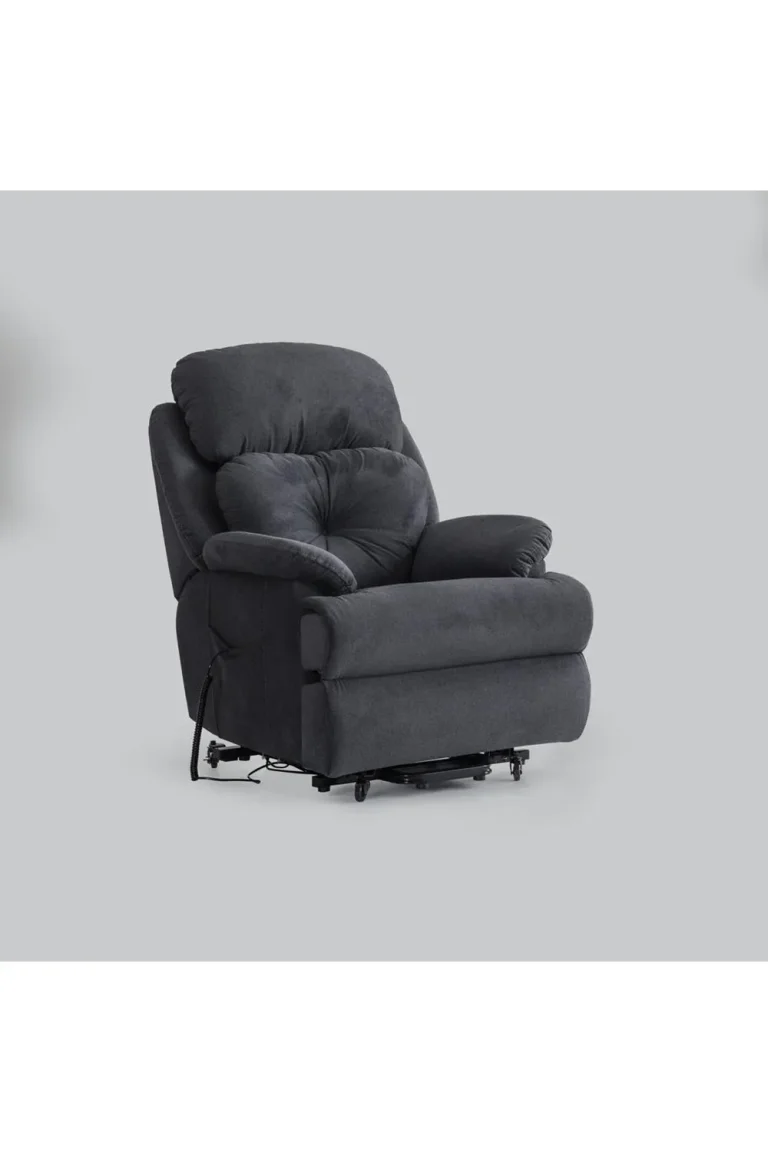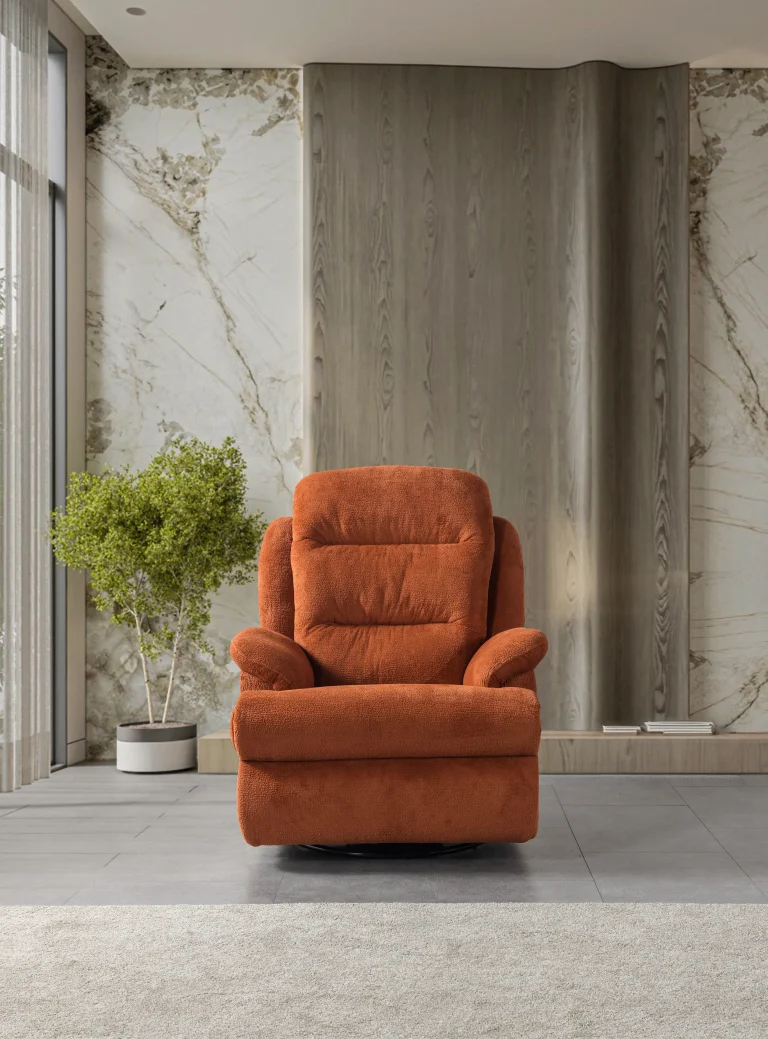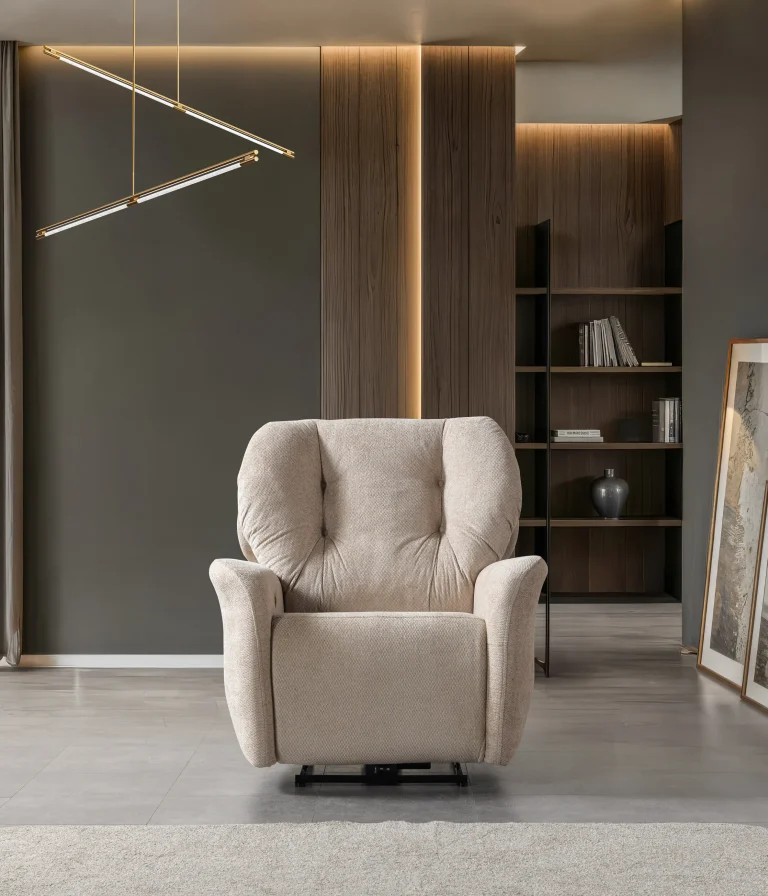
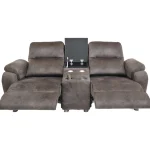
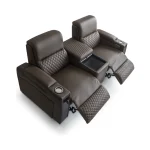
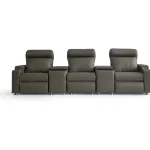
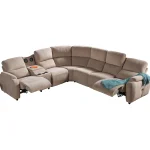
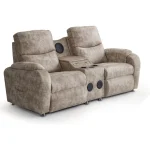
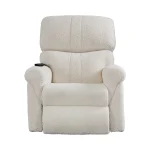
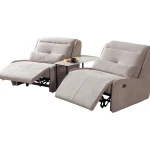
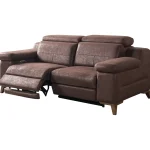
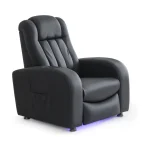
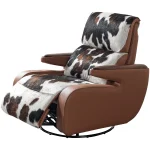
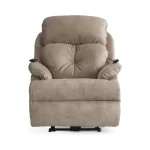
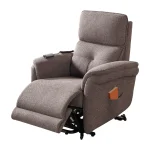
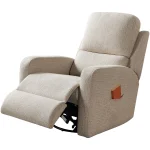
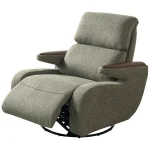
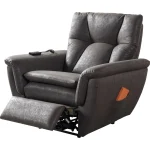
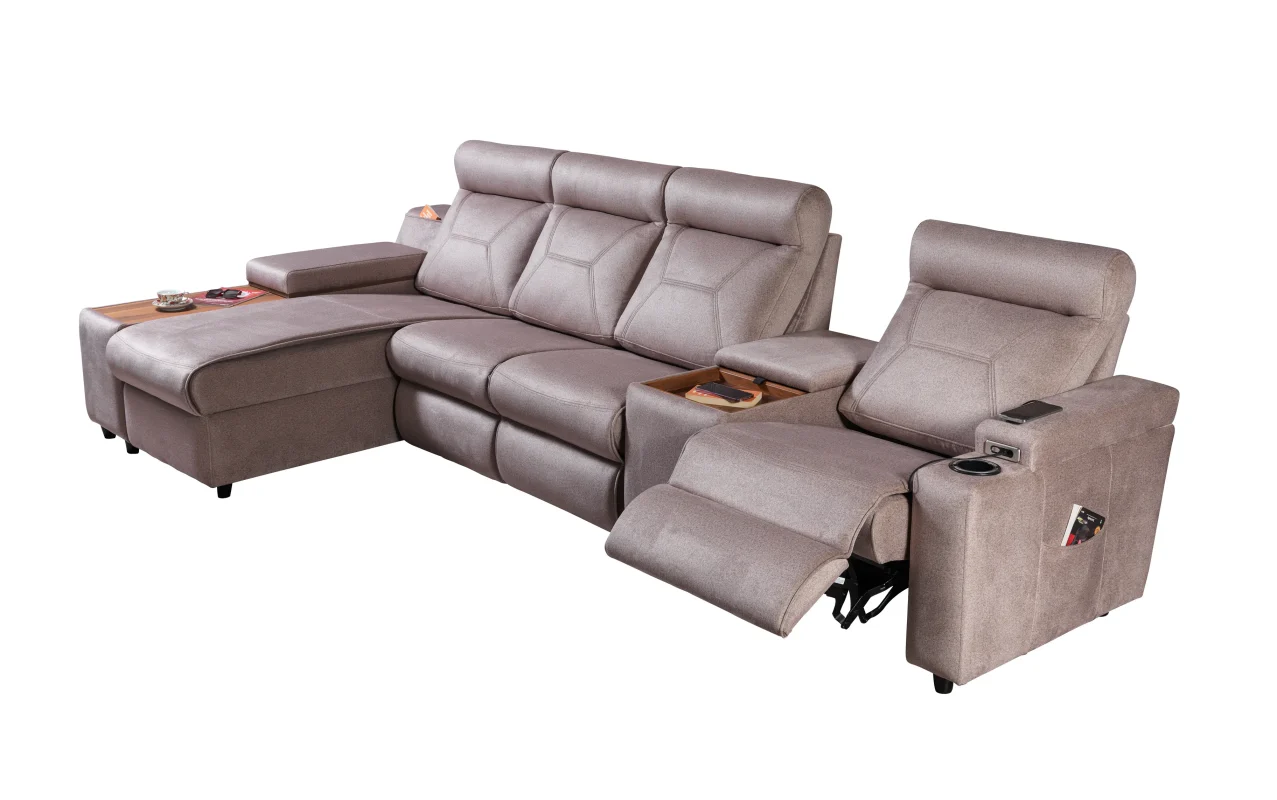
Premium recliner seating is more than a combination of shape, movement and comfort. Upholstery materials, surface characteristics, colour selection and everyday care all contribute to the long-term experience of using a chair.
For homeowners, cinema operators, hospitality businesses, architects and commercial project planners, understanding these details can make the seating selection process more informed. A chair may look impressive in a showroom or product photograph, but its suitability should also be considered in relation to its intended environment, frequency of use and maintenance requirements.
CHAIRIUM presents recliner and VIP seating solutions for residential and commercial environments, with selected models offering different upholstery and colour possibilities. Its product pages provide model-specific technical details and care recommendations, helping customers examine individual products before making a decision.
This guide explains 18 important considerations for evaluating upholstery materials and maintaining premium recliner seating over time.
1. Understand the Role of Upholstery in Seating Design
Upholstery is one of the first elements people notice when they see a recliner.
It influences:
- The visual character of the chair.
- The relationship between the chair and the surrounding interior.
- The surface texture and tactile experience.
- The way colours and materials work together.
- The overall design identity of a seating area.
Upholstery should therefore be considered as part of the complete seating specification rather than as a final decorative detail.
2. Explore the Available Material Categories
Different recliner models may offer different upholstery alternatives.
Depending on the selected CHAIRIUM product, available options may include:
- Fabric upholstery.
- Artificial leather.
- Genuine leather as an optional choice on selected models.
These materials have different visual characteristics and maintenance considerations. Customers should review the available options for their chosen model instead of assuming that every material is offered across the entire collection.
3. Evaluate Fabric Upholstery
Fabric can create a warm and inviting appearance in residential interiors, private cinema rooms and selected commercial environments.
When evaluating fabric upholstery, consider:
- Surface texture.
- Colour consistency.
- The visual effect under different lighting conditions.
- The intended frequency of use.
- The manufacturer’s cleaning instructions.
- The availability of material samples.
CHAIRIUM product specifications identify wipeable imported fabric on several models. Customers should still confirm the exact fabric specification for the product and configuration they intend to order.
4. Consider Artificial Leather for the Intended Environment
Artificial leather offers a leather-like visual appearance and can be an option for projects seeking a particular design style.
Before selecting it, consider:
- The surface finish.
- The preferred colour.
- The expected cleaning routine.
- The environment in which the chair will be used.
- The product-specific material specification.
Artificial leather should not automatically be treated as identical to genuine leather. Buyers should request accurate material information and evaluate the actual sample before confirming their selection.
5. Understand the Characteristics of Genuine Leather
Genuine leather is available as an optional upholstery choice on selected CHAIRIUM models.
It may be considered when a project calls for a natural leather appearance and a particular material character.
Before choosing genuine leather, customers should ask about:
- Availability for the selected model.
- Available colours and finishes.
- Material characteristics.
- Appropriate cleaning products.
- Care and maintenance recommendations.
The final decision should be based on the actual material specification, not simply on the appearance of a photograph.
6. Request Material Samples Before Making a Final Decision
A digital photograph cannot always communicate the complete appearance or texture of an upholstery material.
Lighting, screen settings and photography can affect how colours appear.
Requesting material samples can help customers:
- Compare colours in the actual room.
- Examine surface texture.
- Evaluate the material beside flooring and wall finishes.
- Coordinate multiple chairs within one project.
- Make a more confident final selection.
CHAIRIUM product pages invite customers to contact the company for available fabric and genuine leather swatches on selected models.
7. Match Upholstery Colours with the Interior
Colour selection should be connected to the wider interior design concept.
For a private cinema, customers may prefer darker tones that complement the room’s visual atmosphere. A residential living room may call for colours that coordinate with existing furniture, flooring and decorative elements.
For commercial projects, consistency across multiple seating areas can be particularly important.
Consider:
- Wall and floor colours.
- Lighting conditions.
- Existing furniture.
- The desired visual atmosphere.
- The number of chairs required.
- Whether different seating zones need different colour treatments.
CHAIRIUM offers colour choices on selected product pages. The available palette should be confirmed for the chosen model.
8. Consider the Difference Between Residential and Commercial Use
A recliner used occasionally in a private living room may experience a different pattern of use from seating installed in a hotel, cinema or other commercial environment.
Project planners should consider:
- Expected daily usage.
- Number of users.
- Cleaning frequency.
- The type of environment.
- Access for maintenance.
- The availability of replacement or service support.
The correct upholstery choice depends on the actual operating conditions. A material should not be described as suitable for every environment without checking its specifications.
9. Follow the Care Instructions for the Specific Model
Care recommendations can differ according to the material and product construction.
For example, the published care information for several CHAIRIUM models recommends protecting the upholstery from prolonged direct sunlight and water contact. Some product pages also specify cleaning with a damp cloth and mild soapy water, while advising against chemicals and bleach.
These instructions should not be assumed to apply identically to every material or model.
Always read the care information published for the exact chair being purchased.
10. Avoid Unverified Cleaning Chemicals
Using an unsuitable cleaning product may affect the appearance or surface condition of upholstery.
Before cleaning:
- Check the manufacturer’s instructions.
- Identify the exact upholstery material.
- Avoid bleach unless expressly permitted.
- Do not apply strong chemicals without approval.
- Test an approved cleaning method in an inconspicuous area when appropriate.
- Contact the manufacturer if the cleaning method is unclear.
For CHAIRIUM models whose care instructions specify mild soapy water, customers should follow that guidance rather than introducing stronger cleaning products.
11. Manage Sunlight and Environmental Exposure
The location of a recliner can influence its long-term appearance.
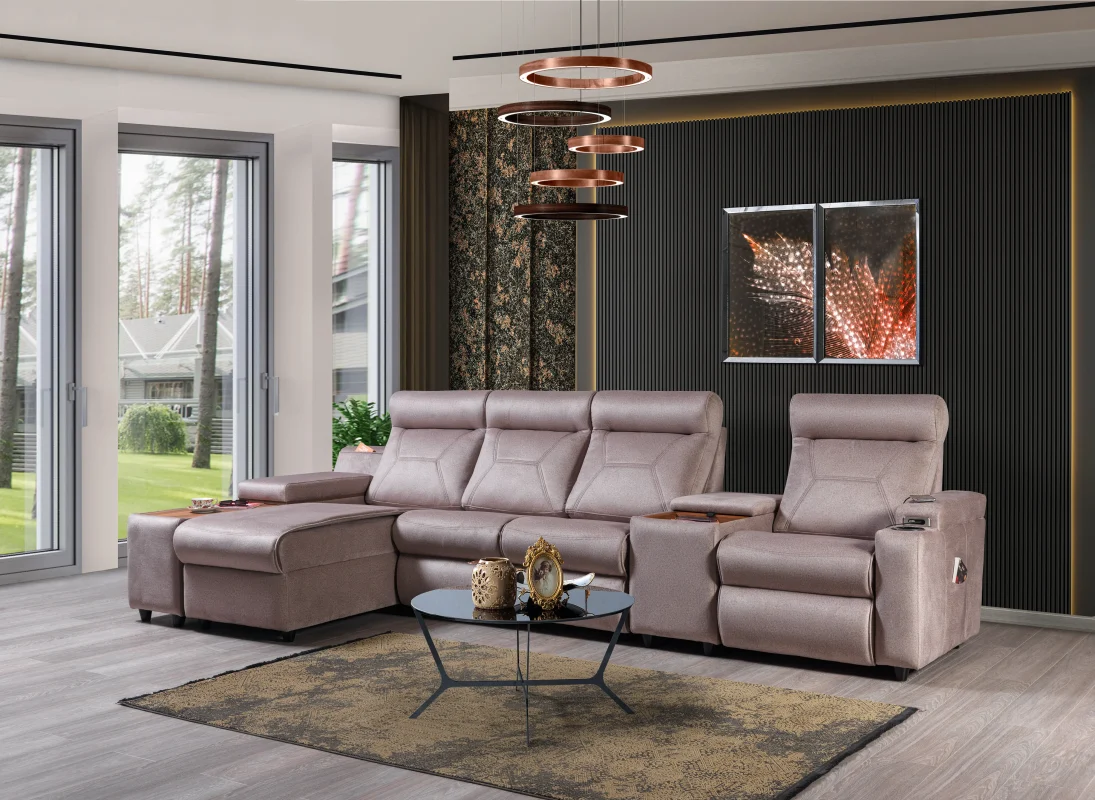
Prolonged direct sunlight may affect some upholstery materials. Water exposure can also create problems depending on the material and construction.
When planning a seating layout, consider:
- Large windows.
- Direct sunlight during different hours.
- Nearby heating sources.
- Areas where water may be spilled.
- Ventilation and general room conditions.
Where possible, avoid placing chairs in positions that expose them unnecessarily to prolonged direct sunlight or water.
12. Establish a Practical Routine for Everyday Care
A simple and consistent care routine can help keep a seating area presentable.
Depending on the manufacturer’s instructions, routine care may include:
- Checking the upholstery for visible dirt.
- Removing surface dust using an appropriate method.
- Cleaning small marks with an approved method.
- Keeping the surrounding area clean.
- Avoiding unnecessary exposure to liquids.
- Inspecting the chair periodically.
The purpose of routine care is to address ordinary use before dirt or marks become more difficult to manage.
13. Treat Spills and Stains Carefully
Spills should be handled according to the upholstery manufacturer’s instructions.
Do not assume that a cleaning technique suitable for one material is appropriate for another.
A careful approach includes:
- Identifying the upholstery material.
- Checking the product’s care instructions.
- Avoiding aggressive rubbing.
- Avoiding unapproved solvents.
- Asking the manufacturer for guidance when necessary.
For valuable or project-based seating installations, it is useful to establish an approved cleaning procedure before the chairs enter regular use.
14. Include Upholstery in Commercial Maintenance Planning
Commercial seating environments often require a coordinated maintenance approach.
Cinema operators, hotels and other businesses can benefit from documenting:
- The upholstery material used in each seating area.
- The relevant product model.
- The approved cleaning procedure.
- The recommended cleaning frequency.
- The person or team responsible for routine inspection.
- Any issues that require professional attention.
This information can help staff follow consistent procedures and reduce uncertainty when maintaining multiple chairs.
15. Consider Upholstery When Planning Multiple Seating Zones
Large projects may include different seating areas with different visual and operational requirements.
For example, a cinema project may have standard seating areas and a separate VIP section. A hotel may use recliners in private entertainment rooms while selecting other seating for shared spaces.
Project planners can consider:
- Whether all zones should use the same upholstery.
- Whether VIP areas need a distinct colour scheme.
- Whether the selected materials are available across the required models.
- Whether maintenance procedures can be coordinated.
- Whether the visual identity remains consistent.
The final selection should be reviewed with the manufacturer according to the project brief.
16. Review the Complete Product Specification
Upholstery is important, but it is only one part of a recliner’s specification.
Customers should also examine:
- Overall dimensions.
- Seat width.
- Frame construction.
- Foam specification.
- Manual or motorized operation.
- Reclining movement.
- Available accessories.
- Optional functions.
- Care instructions.
CHAIRIUM product pages provide technical information for individual models. Reviewing the complete specification helps customers understand the chair as a finished product rather than evaluating it only by its appearance.
17. Compare Individual Models Before Confirming an Order
Different models may have different dimensions, mechanisms, upholstery options and care requirements.
For example, CHAIRIUM’s Linda Single Recliner and Alis Double VIP have their own published technical specifications and care information.
Comparing individual models can help customers understand:
- Which configuration fits the available space.
- Which upholstery options are offered.
- Whether the chair is manual or motorized.
- What dimensions need to be accommodated.
- Which care instructions apply.
- Which optional features are available.
The product datasheet and current manufacturer information should be used to confirm the final specification.
18. Make Upholstery Part of the Initial Project Brief
Material selection is easier when it is discussed early in the planning process.
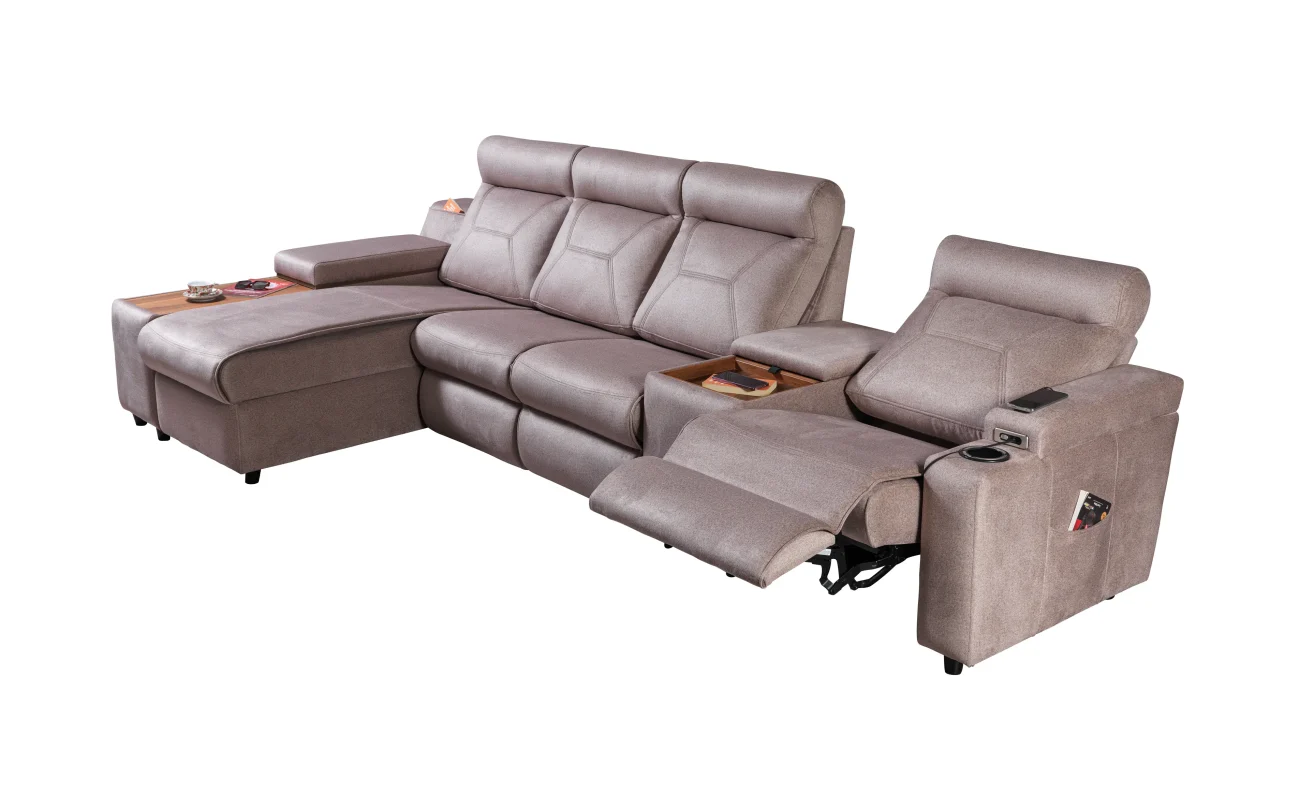
Before contacting a seating manufacturer, prepare:
- The project type.
- The intended seating environment.
- Approximate room dimensions.
- Required seating capacity.
- Preferred chair models or configurations.
- Preferred upholstery material.
- Colour references or interior photographs.
- Expected maintenance conditions.
- Any specific technical requirements.
A clear brief helps the manufacturer review the project and discuss the available alternatives.
Frequently Asked Questions
1. Which upholstery materials are available from CHAIRIUM?
Depending on the selected model, options may include fabric, artificial leather and genuine leather. Genuine leather is an optional choice on selected products. Customers should confirm the available materials for their chosen model.
2. Can customers request fabric and leather samples?
Selected CHAIRIUM product pages invite customers to contact the company for fabric and genuine leather swatches. Availability should be confirmed for the specific model.
3. Does every CHAIRIUM recliner have the same upholstery options?
No. Upholstery alternatives can vary between models. The relevant product page and current manufacturer information should be checked before ordering.
4. How should CHAIRIUM recliners be cleaned?
Follow the care instructions for the exact model and upholstery material. Several CHAIRIUM product pages recommend a damp cloth and mild soapy water and advise against chemicals or bleach. Always check the specific product instructions.
5. Can upholstery colour be selected for a project?
CHAIRIUM presents colour choices and project customization options on selected products. Customers should discuss their preferred colours and confirm availability before production.
6. Is genuine leather available for every recliner?
Genuine leather is listed as an optional upholstery choice on selected models. It should not be assumed to be available across the complete collection.
7. What should commercial buyers consider when choosing upholstery?
Commercial buyers should consider expected usage, cleaning routines, the intended environment, material specifications and the maintenance requirements of the selected model.
8. Where can customers explore CHAIRIUM products?
Customers can visit the official CHAIRIUM website, explore the product collection and review individual product pages and catalogue resources.
Discover Upholstery and Recliner Options with CHAIRIUM
Choosing premium seating involves more than selecting a colour or a visual style. Upholstery materials, product specifications, room conditions and maintenance practices should all be considered together.
CHAIRIUM brings together recliner seating, VIP cinema chairs and project-oriented seating solutions for residential and commercial environments. Customers can explore the available collections, review model-specific details and contact the company to discuss upholstery alternatives and project requirements.
Explore the official website: https://www.chairium.com/
Browse recliner models: https://www.chairium.com/products/tag/recliners
Explore the product catalogue: https://www.chairium.com/auditorium-chair-products
View the e-catalogue: https://www.chairium.com/e-catalog
Contact CHAIRIUM: https://www.chairium.com/contact-chairium-auditorium-chairs-manufacturer
For upholstery samples, model availability, technical details and project enquiries, contact CHAIRIUM through its official website.
CHAIRIUM — Premium Recliner Seating, VIP Cinema Chairs and Tailored Seating Solutions.