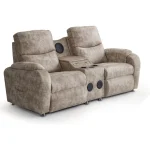
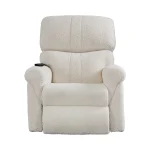
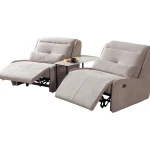
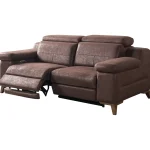
Introduction
A well-designed seating environment should consider the different ways people use furniture in their everyday lives. Comfort is important, but so are accessibility, ease of operation, personal space and the relationship between a chair and its surroundings.
Some customers look for a recliner for a quiet reading corner. Others need seating for a family living room, a private entertainment area or a commercial environment. In some situations, a lift recliner may also be worth considering because its movement functions are different from those of a conventional recliner.
There is no single seating solution suitable for every person or every environment. The most useful approach is to understand the intended use, explore the available product functions and confirm whether the selected model meets the customer’s individual requirements.
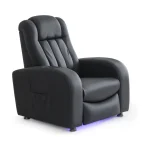
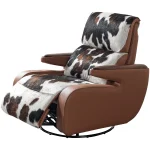
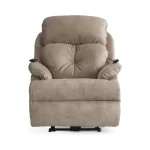
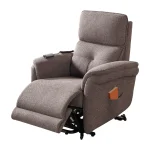
CHAIRIUM presents a range of recliner seating, VIP cinema chairs and selected lift recliner models through its official website. Its collections give customers a starting point for exploring different seating concepts for private and commercial spaces.
This guide explains 18 practical considerations for creating more inclusive and user-conscious seating environments.
Contents
- Understand What Inclusive Seating Means
- Begin with the Individual User
- Consider Sitting Down and Standing Up
- Understand Lift Recliner Functions
- Distinguish Between Lift and Reclining Movements
- Evaluate Seat Height and Depth
- Consider Armrests and Support Areas
- Make Controls Easy to Understand
- Think About Personal Space and Independence
- Choose a Suitable Location for the Chair
- Review Access Around the Seating Area
- Consider Different Seating Preferences Within One Home
- Explore Materials and Surface Choices
- Think About Everyday Use and Maintenance
- Consider Seating in Hospitality and Commercial Environments
- Review Product Information Before Making a Decision
- Discuss Individual Requirements with CHAIRIUM
- Create a Seating Environment That Respects Different Needs
1. Understand What Inclusive Seating Means
Inclusive seating means considering the different ways people interact with furniture and the environments around it.
A seating area should not be evaluated only by its appearance. Its practical use, access, dimensions and operating functions are also important.
For one customer, inclusive design may mean having enough space to approach a chair comfortably. For another, it may involve selecting a product with an appropriate reclining mechanism or a particular armrest arrangement.
In a shared environment, it may mean offering more than one seating type so that different users can choose according to their preferences.
Useful considerations include:
- Ease of approaching the chair.
- Space around the seating unit.
- Seat dimensions.
- Armrest position.
- Operating controls.
- Reclining or lifting functions.
- Compatibility with the intended room.
Inclusive seating is not about assuming that everyone has the same needs. It is about understanding that different people may require different solutions.
2. Begin with the Individual User
The most suitable seating choice starts with the person who will use it.
A chair selected for one individual may not be appropriate for another, even if both people intend to use it in the same room.
Before exploring products, consider:
- Who will use the chair most frequently?
- Will it be used for short periods or extended relaxation?
- Does the user prefer manual or motorized operation?
- Is a lift function important to investigate?
- Are there particular seat dimensions to consider?
- Does the user have specific preferences about armrests or controls?
Where seating is being considered for someone with particular mobility or health-related needs, the relevant requirements should be assessed with an appropriately qualified professional.
The purpose of this first step is to identify practical preferences rather than make assumptions based on age, appearance or general descriptions.
3. Consider Sitting Down and Standing Up
The transition between standing and sitting is an important part of everyday furniture use.
Some users prefer a conventional armchair with a particular seat height and armrest arrangement. Others may wish to investigate a lift recliner, which is designed with a movement function that assists the transition between seated and standing positions.
When evaluating a chair, consider:
- Whether the seat height feels appropriate.
- Whether the armrests are positioned comfortably.
- Whether the user can approach the chair safely.
- Whether the movement controls are understandable.
- Whether the surrounding area provides enough space.
The actual experience depends on the individual, the product dimensions and the way the chair operates.
Customers should review the selected model and, where possible, assess its operation before making a final decision.
4. Understand Lift Recliner Functions
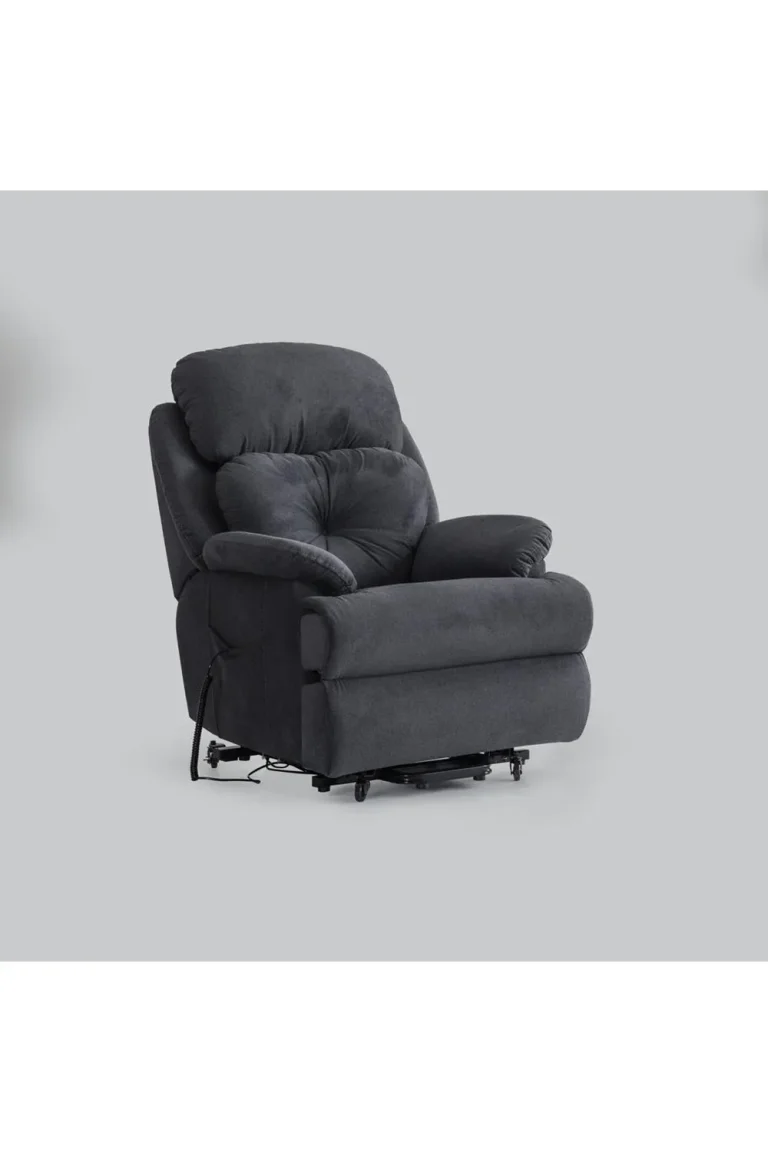
A lift recliner is a distinct type of seating product that combines reclining functionality with a lifting movement.
CHAIRIUM lists lift recliner models within its product range, including the Ekol Lift Recliner and Tetra Lift Recliner.
The Ekol product page identifies motorized reclining and a standard lift function. This provides a useful example of how customers can investigate a model’s listed functions rather than relying on its appearance alone.
Explore the CHAIRIUM Ekol Lift Recliner to review its official product information.
When considering a lift recliner, ask:
- How does the lifting movement operate?
- Which positions are available?
- How is the chair controlled?
- What space is required during operation?
- What are the product’s dimensions?
- Which features are included as standard?
- Are there model-specific requirements?
A lift function should not automatically be interpreted as a guarantee that a chair is suitable for every user. Individual requirements and the product’s actual specifications must be considered together.
5. Distinguish Between Lift and Reclining Movements
Lift and reclining functions serve different purposes.
A reclining mechanism changes the position of the seat, backrest or footrest to provide a different sitting or resting position.
A lift mechanism moves the chair through a lifting sequence intended to assist the transition between sitting and standing.
Some products combine these functions, but customers should verify the exact capabilities of the selected model.
When comparing products, look for clear information about:
- Reclining operation.
- Lifting operation.
- Motorized controls.
- Available movement positions.
- Footrest operation.
- Product dimensions.
- Any limitations described in the product documentation.
Understanding these differences makes it easier to compare conventional recliners with lift recliners.
It also helps customers ask more precise questions when contacting CHAIRIUM.
6. Evaluate Seat Height and Depth
Seat dimensions influence how a person interacts with a chair.
A product that appears suitable visually may not provide the preferred seating position for every user.
Two particularly important measurements are seat height and seat depth.
Seat height affects the relationship between the user’s feet and the floor when seated.
Seat depth influences how the user sits in relation to the backrest and the front edge of the seat.
Customers may also need to consider overall width, backrest height and the shape of the seating area.
When reviewing dimensions, remember that overall chair measurements and usable seating dimensions are not necessarily the same.
Check the available product datasheet and ask CHAIRIUM for clarification if a particular measurement is important to the intended user.
7. Consider Armrests and Support Areas
Armrests can influence how a person approaches, uses and leaves a chair.
Their height, width, shape and position should be considered alongside the seat dimensions.
For customers evaluating a lift recliner or another specialized seating model, the armrests may be an especially important part of the selection process.
Consider:
- Whether the armrests are easy to reach.
- Whether their height is appropriate for the intended user.
- Whether their shape provides the preferred contact area.
- Whether any controls are positioned nearby.
- Whether the armrests move or fold as part of the mechanism.
Different models may have different armrest designs.
Customers should review the product photographs and technical information for the exact model rather than assuming that all recliners have the same structure.
8. Make Controls Easy to Understand
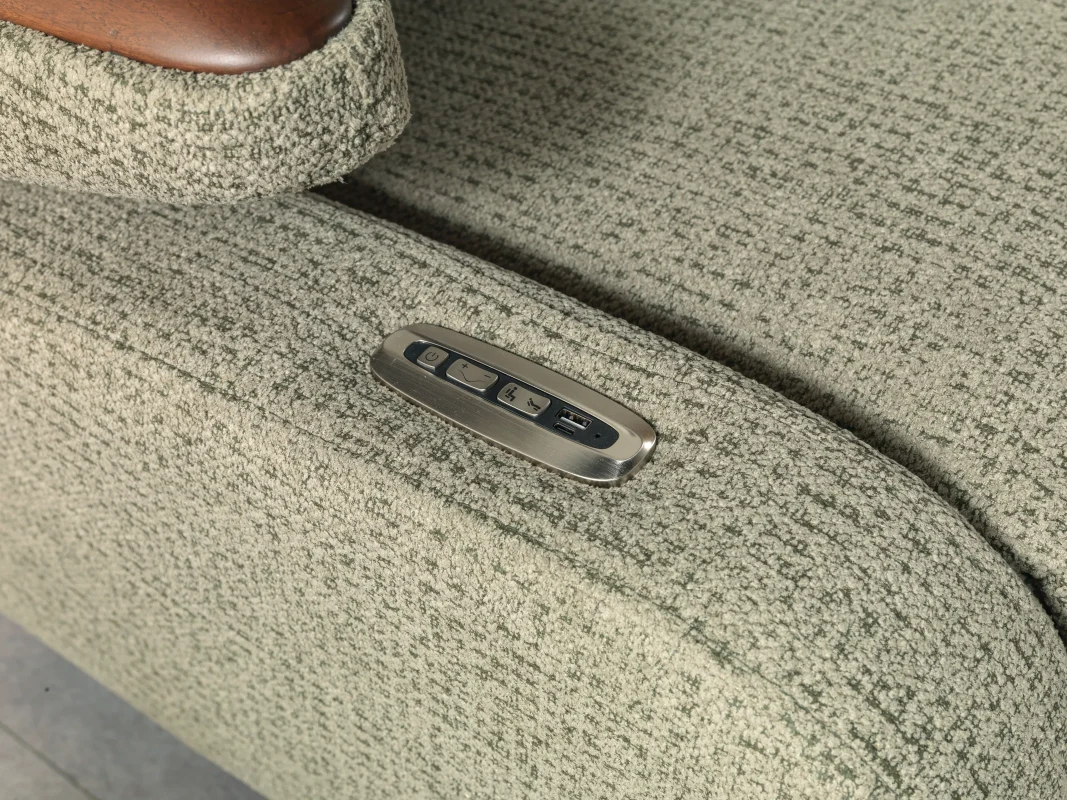
A chair with motorized functions should have controls that the intended user can understand and operate.
The position and operation of the controls are therefore important parts of the selection process.
When reviewing a product, consider:
- Where the control is located.
- Whether the buttons are clearly distinguishable.
- Whether the operation is intuitive.
- Whether the user can reach the controls comfortably.
- Whether the chair has a wired or wireless control arrangement.
- What happens when the movement is activated or stopped.
Customers should request an explanation of the control system when product information is not sufficiently detailed.
For a shared home or commercial environment, it may also be useful to ensure that other users understand the basic operation of the seating.
9. Think About Personal Space and Independence
A seating arrangement can influence how much independence and personal space people experience in a shared environment.
In a family living room, different people may prefer different seating positions. In a private entertainment room, individual recliners may offer a more personal seating arrangement.
For a commercial environment, customers may wish to consider how different seating options contribute to the overall visitor experience.
Think about:
- Individual versus shared seating.
- Space between chairs.
- Access to controls.
- Personal belongings and nearby surfaces.
- The ability to use the chair without disturbing others.
- Whether different seating types should be available.
A well-considered environment allows people to use the space according to their preferences while maintaining a coordinated interior design.
10. Choose a Suitable Location for the Chair
The location of a chair can be as important as the product itself.
A lift recliner, for example, should be placed where its movement can operate without unnecessary obstruction.
Before choosing the final position, consider:
- Distance from walls.
- Space in front of and behind the chair.
- Nearby tables and furniture.
- Electrical outlet access, where required.
- Doorways and walking routes.
- Lighting and visibility.
- The user’s preferred position within the room.
Customers should check the specific clearance requirements for the selected model.
Do not assume that a chair can be positioned directly against a wall simply because it fits in its upright position.
The available space must accommodate the product’s intended movement.
11. Review Access Around the Seating Area
An inclusive seating environment should also consider the route leading to and around the chair.
A comfortable chair may become difficult to use if nearby furniture blocks access or leaves insufficient room for movement.
Review:
- Entrance width.
- Door opening direction.
- Corridor access.
- Floor-level changes.
- Space beside the chair.
- Nearby tables and cabinets.
- The route between the chair and other parts of the room.
For users who rely on mobility aids, the access requirements should be evaluated carefully with appropriate professional guidance where necessary.
For commercial spaces, the complete layout should be checked against applicable local accessibility and building regulations.
The objective is to make the seating area practical as part of the wider environment.
12. Consider Different Seating Preferences Within One Home
A home does not necessarily need to use one seating type in every room.
Different areas may serve different purposes, and the people living in the home may have different preferences.
For example:
- A conventional recliner may be selected for a reading corner.
- A lift recliner may be considered for a particular user’s everyday seating needs.
- A double recliner may suit a shared entertainment area.
- A home cinema may use individual seating positions.
- A living room may combine recliners with a coordinated sofa arrangement.
CHAIRIUM offers different product categories that customers can explore when planning these environments.
The important point is to choose each product according to its intended role rather than selecting every chair on appearance alone.
13. Explore Materials and Surface Choices
Upholstery contributes to the appearance and everyday practicality of a chair.
Customers may wish to consider the material, texture, colour and cleaning requirements of the selected product.
When evaluating upholstery, consider:
- The intended room.
- Frequency of use.
- Preferred surface appearance.
- Cleaning instructions.
- Colour coordination.
- Available material options.
- The needs of the person using the chair.
CHAIRIUM product pages provide model-specific material and care information where available.
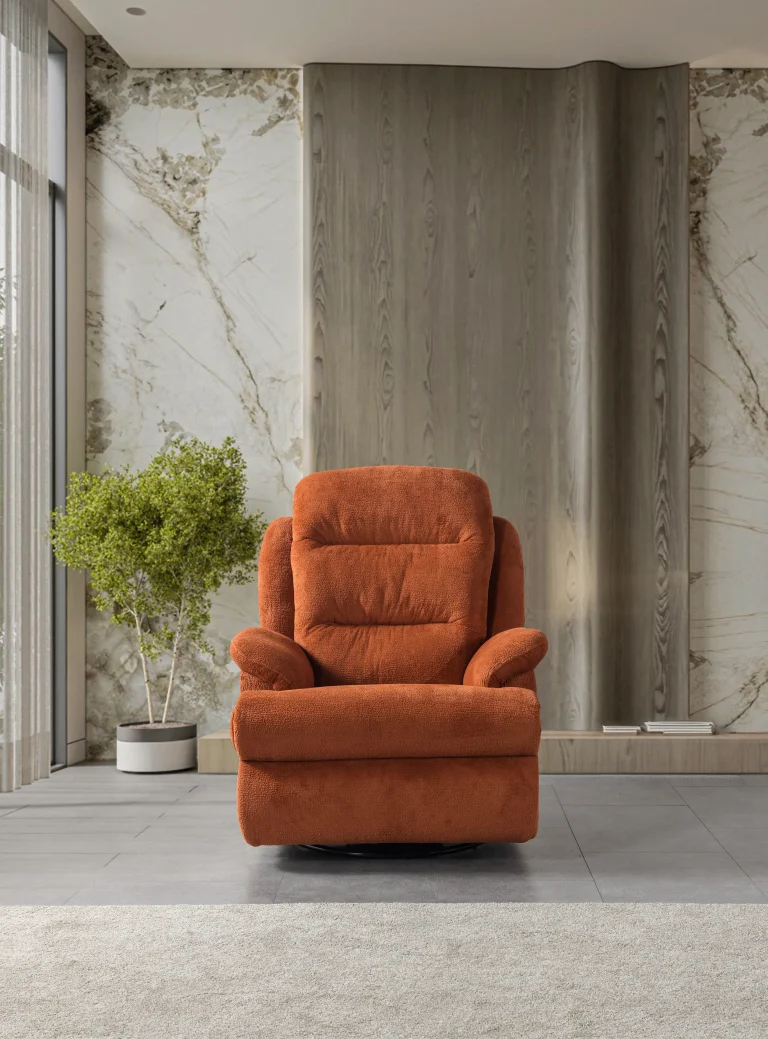
For example, the Premium Single Rocking Recliner product page describes a wipeable imported fabric and provides care recommendations for that model.
Customers should not automatically apply the care instructions of one product to another. Always review the instructions for the exact selected model.
14. Think About Everyday Use and Maintenance
A seating product should be considered as part of everyday life rather than only as a new furniture purchase.
Routine use may involve repeated operation of the reclining mechanism, cleaning the upholstery and keeping the surrounding space accessible.
Before choosing a model, review:
- The recommended cleaning method.
- Any restrictions involving water or cleaning products.
- The location of controls and connections.
- Access for routine inspection.
- The care requirements of the upholstery.
- Any model-specific operating instructions.
The official product page and datasheet are useful starting points for this information.
For example, CHAIRIUM’s Premium Single Rocking Recliner page includes model-specific care guidance.
Following the instructions provided for the exact product can help customers maintain it appropriately.
15. Consider Seating in Hospitality and Commercial Environments
Inclusive seating is not limited to private homes.
Hotels, hospitality venues, entertainment businesses and other commercial environments may serve visitors with different preferences and seating requirements.
A commercial operator may consider:
- A range of seating styles.
- Clear access routes.
- Comfortable circulation around furniture.
- Appropriate space between seating units.
- Easy-to-understand operating controls.
- A coordinated visual appearance.
- Cleaning and maintenance requirements.
Not every commercial space needs a lift recliner. The correct product selection depends on the intended application and the requirements of the venue.
For projects involving accessibility obligations, the design should be reviewed against the relevant local regulations and professional guidance.
CHAIRIUM’s wider product collections provide a starting point for exploring different seating possibilities for public and private environments.
16. Review Product Information Before Making a Decision
Product photographs can help customers understand the appearance of a chair, but they do not always explain how it operates.
Technical information is important when comparing conventional recliners, motorized models and lift recliners.
Before making a decision, review:
- Product dimensions.
- Seat configuration.
- Reclining functions.
- Lift functions, where applicable.
- Control arrangements.
- Upholstery information.
- Standard features.
- Optional features.
- Care recommendations.
The CHAIRIUM E-Catalog provides access to series datasheets and product resources.
Customers can also explore the official product collection to identify models that may match their requirements.
If a specification is unclear, request confirmation before making a purchasing decision.
17. Discuss Individual Requirements with CHAIRIUM
Sometimes a customer needs more information than a product page can provide.
This may happen when a particular seat dimension is important, when a lift function needs to be understood in detail or when the product is being considered for a specific residential or commercial application.
A useful enquiry should explain:
- Which product is being considered.
- Who will use the seating.
- Where the chair will be placed.
- Which functions are important.
- Whether there are specific dimensional requirements.
- Which questions remain unanswered.
Customers do not need to provide sensitive personal or medical information unless it is genuinely necessary and they choose to do so.
The discussion should focus on the product requirements and whether the model’s documented features match the intended use.
Visit the CHAIRIUM Contact Page to find the official communication options.
18. Create a Seating Environment That Respects Different Needs
A thoughtful seating environment recognizes that comfort and usability can mean different things to different people.
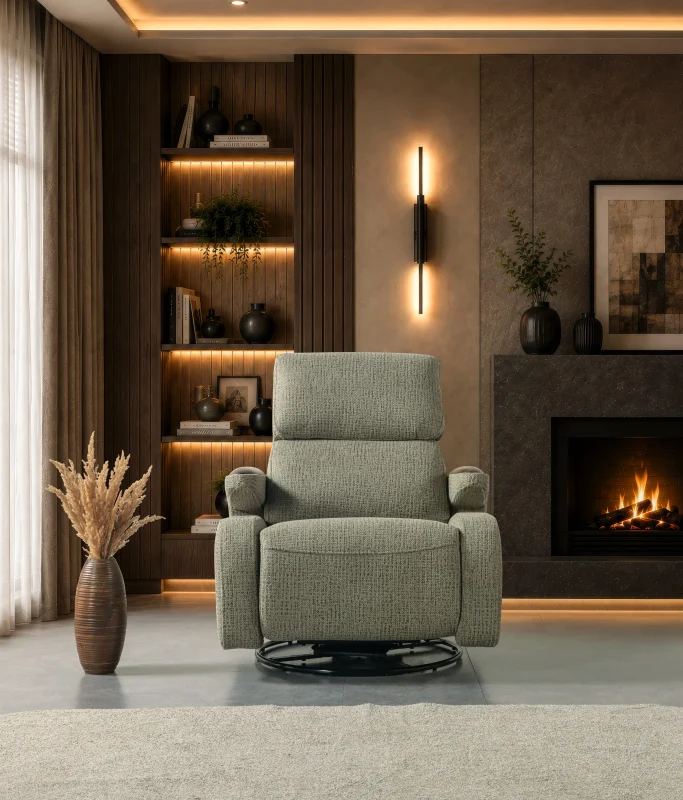
One person may prefer a conventional manual recliner. Another may prefer a motorized chair. A third may wish to investigate a lift recliner with a different movement function.
The most suitable solution depends on the individual, the product and the environment.
Before finalizing a seating choice, consider:
- The intended user.
- The preferred seating position.
- Seat and armrest dimensions.
- Operating controls.
- Reclining and lifting functions.
- Access around the chair.
- Product care instructions.
- The suitability of the surrounding space.
CHAIRIUM offers a variety of recliner and VIP seating categories, including selected lift recliner models, for customers exploring different seating requirements.
A clear understanding of the product and its actual capabilities is the best starting point for making an informed choice.
Frequently Asked Questions
1. What is inclusive seating?
Inclusive seating considers different user preferences, physical requirements, access needs and ways of interacting with furniture.
2. What is a lift recliner?
A lift recliner is a chair that combines reclining functionality with a lifting movement designed to assist the transition between sitting and standing.
3. Does CHAIRIUM offer lift recliners?
CHAIRIUM lists lift recliner models including Ekol Lift Recliner and Tetra Lift Recliner in its product range.
4. Is a lift recliner suitable for every user?
No. Suitability depends on the individual, the product’s specifications and the user’s particular requirements. Professional advice may be appropriate for users with specific mobility or health-related needs.
5. What should I check before choosing a lift recliner?
Review the dimensions, lifting and reclining movements, controls, required clearance and the product’s operating information.
6. Are lift and reclining functions the same?
No. Reclining changes the seating position, while lifting involves a different movement intended to assist the transition between sitting and standing.
7. Can I compare different CHAIRIUM recliners online?
Yes. Customers can explore the official product collection and review available product pages and catalogue resources.
8. Where can I find information about product materials?
Review the relevant product page and datasheet. Material options and care instructions can vary by model.
9. Can I ask CHAIRIUM about a particular seating requirement?
Yes. Customers can contact the company through the official contact page to discuss product-related questions and project requirements.
10. Where can I find the official CHAIRIUM product catalogue?
Visit https://www.chairium.com/e-catalog to explore the available digital catalogue resources.
Discover Seating Possibilities with CHAIRIUM
A comfortable seating environment should take account of the people who use it.
For some customers, a conventional recliner may be the preferred option. Others may wish to explore motorized seating or a lift recliner with a different movement function.
By considering the user, the room, the product dimensions and the actual operating features, customers can make a more informed decision.
CHAIRIUM presents premium recliner seating, VIP cinema chairs and selected lift recliner models through its official website.
Explore the official resources:
- Official Website: https://www.chairium.com/
- All Product Collections: https://www.chairium.com/auditorium-chair-products
- Recliner Collection: https://www.chairium.com/products/tag/recliners
- VIP Cinema Seating: https://www.chairium.com/products/vip-cinema-chairs
- Ekol Lift Recliner: https://www.chairium.com/products/ekol-lift-recliner
- E-Catalogue: https://www.chairium.com/e-catalog
- Product Videos: https://www.chairium.com/videos
- Company Information: https://www.chairium.com/auditorium-chair-cinema-chair-manufacturer-company/who-are-we
- Factory Information: https://www.chairium.com/auditorium-chair-factory-in-turkey
- Contact and Enquiries: https://www.chairium.com/contact-chairium-auditorium-chairs-manufacturer
CHAIRIUM — Premium Recliner Seating, VIP Cinema Chairs and Tailored Seating Solutions.
Explore the collection, review the product details and contact CHAIRIUM to discuss your seating requirements.