
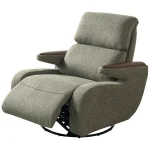
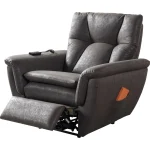
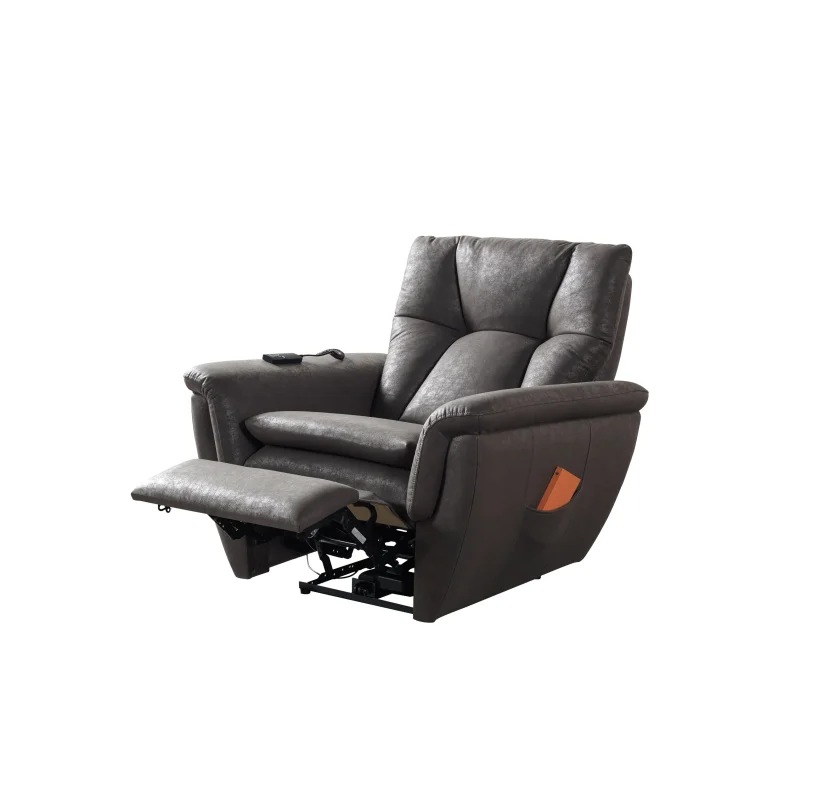
Introduction
A well-designed seating environment should do more than provide a place to sit. It should respond to the different needs, preferences and daily routines of the people who use it.
Some users may prioritise supportive seating and straightforward operation. Others may look for a recliner that makes sitting down and standing up more convenient, or a VIP cinema chair that combines personal comfort with an enjoyable entertainment experience. In residential and commercial environments, these requirements can vary considerably.
Inclusive seating design considers these differences from the beginning. It brings together comfort, usability, appropriate dimensions, practical functionality and visual design.
CHAIRIUM presents a range of recliner chairs, lift recliners, VIP cinema seating and tailored seating solutions for residential and commercial environments. By exploring the available models and discussing individual requirements, customers can identify seating options that may be suitable for their intended spaces.
This guide explains 18 important considerations for creating more accessible and user-centred seating environments with CHAIRIUM.
1. Understanding Inclusive Seating Design
Inclusive seating design means considering the different people who may use a chair or seating area.
Instead of designing only for one assumed user, it examines a wider range of preferences and practical requirements.
These may include:
- Different body proportions and seating preferences
- Individual comfort expectations
- Ease of sitting down and standing up
- Simple and understandable controls
- Suitable seat dimensions
- Space around the chair
- The relationship between seating and the surrounding environment
For CHAIRIUM customers, these considerations can provide a useful starting point when exploring recliners, VIP chairs and other seating solutions.
2. Why User Needs Should Come Before Product Appearance
The appearance of a chair often creates the first impression. However, visual design should be considered alongside the needs of the people who will use it.
A beautifully upholstered recliner may not be the most appropriate choice if its dimensions, operation or positioning do not suit the intended user.
Before selecting a model, customers should consider:
- Who will use the chair most frequently?
- Will several people share the same seating area?
- Is a manual or motorized mechanism preferred?
- Does the user need additional assistance when sitting or standing?
- How much room is available around the chair?
- Which functions are genuinely necessary?
CHAIRIUM’s product collections offer different seating categories to explore according to these requirements.
3. Choosing Suitable Seat Dimensions
Seat dimensions influence how a person experiences a chair.
Seat width, seat depth, backrest height and armrest positioning can all affect comfort and usability. A chair that feels appropriate for one person may not provide the same experience for another.
When evaluating a CHAIRIUM model, customers should review its technical dimensions and consider them in relation to the intended user.
Important measurements may include:
- Overall chair width
- Seat width
- Seat depth
- Seat height
- Backrest height
- Armrest height
- Fully reclined dimensions
The measurements of the selected model should be checked before an order is confirmed.
4. Considering Seat Height and Getting Up from a Chair
For some users, the height of a chair can be an important practical consideration.
A seat that is too low or too high may make sitting down and standing up less convenient. The appropriate height depends on the user’s body proportions, mobility and personal preferences.
Customers should compare the product’s technical dimensions with the intended user’s requirements.
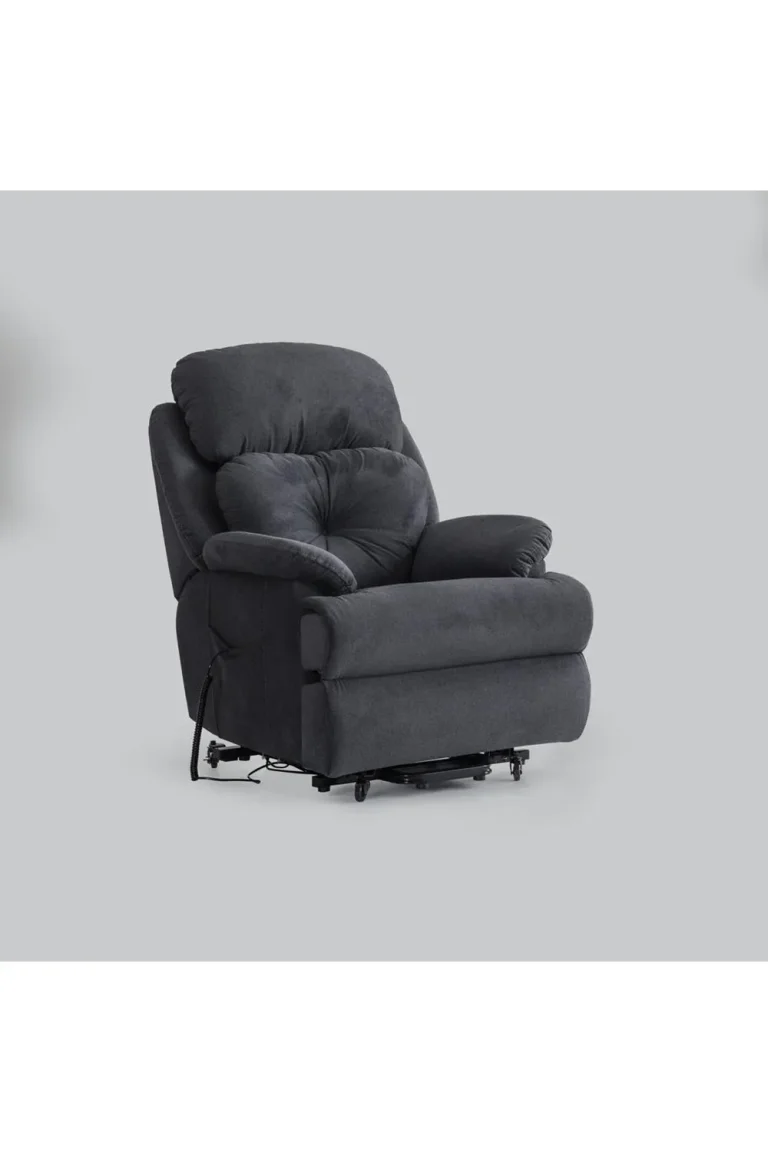
Where additional movement assistance is being considered, CHAIRIUM’s lift recliner category may be worth exploring. The exact movement, operating method and suitability must be confirmed for the selected model.
5. Exploring Lift Recliners and Their Intended Use
Lift recliners are designed with a mechanism that assists the movement of the chair. They may be considered by customers looking for a different approach to everyday seating.
CHAIRIUM includes selected lift recliner models in its product range, including models identified as Tetra Lift and Leon Medical Recliner.
When evaluating this category, customers should investigate:
- The chair’s movement range
- The operating controls
- The user’s ability to operate the mechanism
- The space required during movement
- The chair’s dimensions
- The model’s stated functions and limitations
A lift recliner should not automatically be considered suitable for every person or mobility requirement. Individual needs and the manufacturer’s product information should guide the decision.
6. Manual or Motorized Operation: Which Is More Appropriate?
Recliners may use different operating mechanisms. The choice between manual and motorized operation should reflect the user’s preferences and practical circumstances.
A manual recliner may appeal to someone who prefers a simpler mechanical arrangement. A motorized model may be preferred by someone who values powered adjustment.
Customers can compare:
- How the chair is operated
- The number and position of controls
- Whether electrical power is required
- The available reclining positions
- The ease of understanding the controls
- Any model-specific operating instructions
CHAIRIUM’s product pages identify the operating type of individual models. Customers should verify the exact mechanism before selecting a chair.
7. Making Controls Easier to Understand
A seating product can include several functions, but those functions are useful only when the intended user can understand and operate them.
Control placement, button identification and operating instructions should therefore be considered during product selection.
For a project involving multiple users, it may be helpful to evaluate the controls with the people who will actually use the chairs.
Questions worth discussing include:
- Are the controls easy to locate?
- Are the functions clearly identified?
- Can the user operate the chair independently?
- Is the control arrangement appropriate for the intended seating position?
- Are there any special operating instructions?
The most suitable option is not necessarily the model with the greatest number of functions. It is the model whose functions correspond to real user requirements.
8. Armrests, Support and Everyday Usability
Armrests contribute to the overall design and practical use of a chair.
Their height, width, shape and position can influence how a user sits, rests their arms and moves in and out of the seat.
For inclusive seating projects, customers should consider:
- Armrest height and shape
- Available space between armrests
- Whether armrests are fixed or adjustable
- The relationship between the armrests and seat dimensions
- Whether a centre module affects access
- How the selected design fits the intended user
These details should be reviewed on the specific CHAIRIUM product being considered.
9. Creating Sufficient Space Around Each Seat
A chair should be evaluated as part of its surrounding environment, not as an isolated product.
The available space around a recliner can influence how comfortably users approach, enter, leave and operate the seating area.
Project planners should consider:
- Clear access routes
- Space beside the chair
- Movement when the footrest or backrest is extended
- Doorways and circulation areas
- Nearby tables and other furniture
- Access for cleaning and routine maintenance
This is particularly important in private cinema rooms, VIP areas and shared commercial environments where several people may use the seating space.
10. Inclusive Seating in Private Cinema Rooms
A private cinema should provide an enjoyable experience for the people who use it.
Different household members and guests may have different preferences regarding seat dimensions, reclining positions and individual functions.
When planning a home cinema with CHAIRIUM seating, customers can evaluate:
- Individual or shared recliner configurations
- The available space between seating units
- Access to each seat
- Reclining clearance
- Armrest and centre-module arrangements
- The preferences of regular users and guests
A carefully planned seating arrangement can help make a private cinema more practical and welcoming.
11. Accessibility Considerations in VIP Cinema Projects
VIP cinema seating combines the expectations of a premium entertainment environment with the practical needs of its visitors.
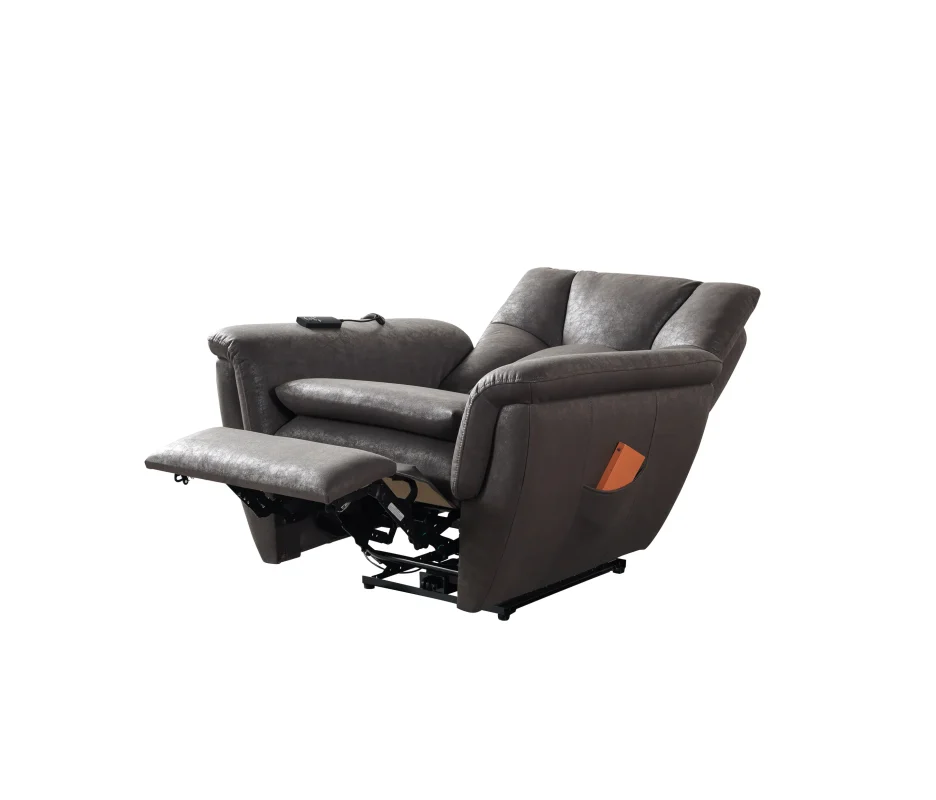
Cinema operators and project planners should consider how different visitors will approach and use the seating area.
Relevant considerations may include:
- Accessible routes through the auditorium
- Suitable aisle and row arrangements
- Entry and exit conditions
- Space around selected seating units
- Clear information for visitors
- Coordination with the venue’s wider accessibility requirements
CHAIRIUM’s VIP seating collections can be explored as part of a wider project evaluation. The venue’s architectural and regulatory requirements must be assessed separately by the responsible project professionals.
12. Supporting Different Users in Shared Environments
In a shared environment, a single seating specification may not satisfy every user’s preferences.
A family entertainment room, hotel lounge or commercial cinema may serve people with different ages, body proportions and seating expectations.
Project planners can consider whether a combination of seating types would be more appropriate.
For example, a project may evaluate different chair models or configurations within the same overall interior concept. The suitability of each arrangement should be checked against available space, intended use and product specifications.
13. Upholstery, Texture and Practical Material Choices
Upholstery affects the appearance and everyday experience of a seating product.
Material selection should consider the visual identity of the space as well as practical requirements such as cleaning, durability expectations and user preferences.
Depending on the selected model, CHAIRIUM customers may be able to discuss upholstery alternatives and colours.
Before confirming a material, consider:
- The intended environment
- Expected frequency of use
- Cleaning requirements
- Texture and personal preference
- Colour coordination
- Manufacturer care instructions
Material availability and care requirements can differ between models. The final selection should be confirmed with CHAIRIUM.
14. Combining Inclusive Design with Premium Appearance
Accessibility and premium design are not opposing ideas.
A well-planned seating environment can consider practical usability while maintaining a consistent and sophisticated interior appearance.
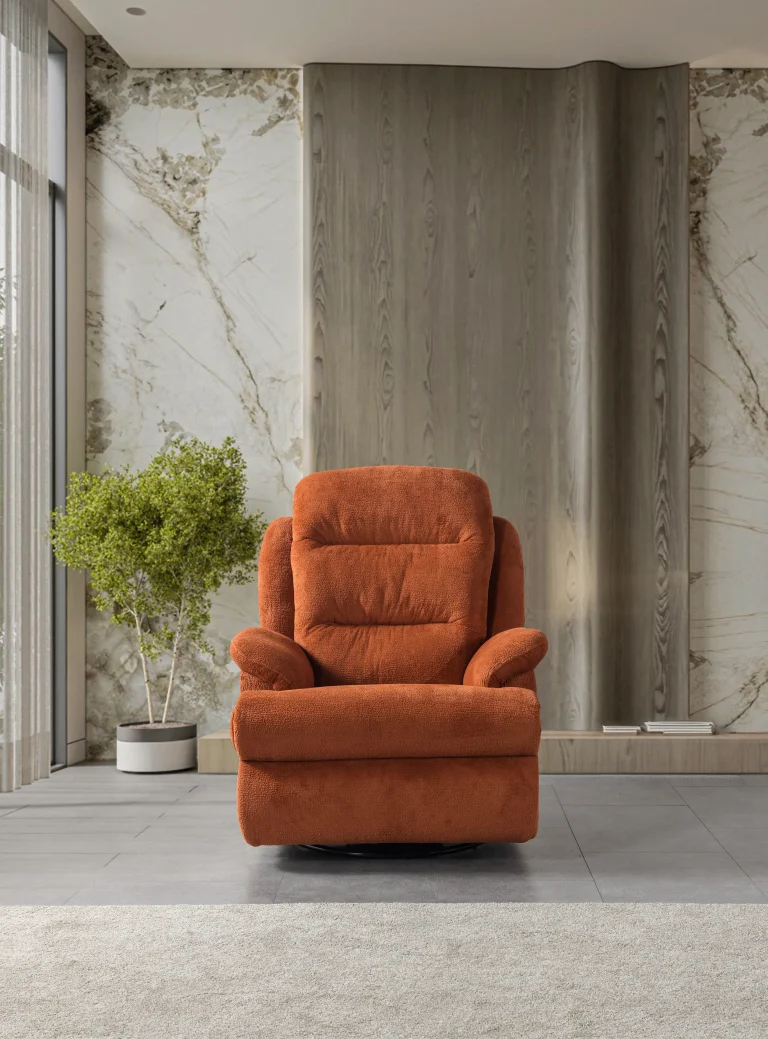
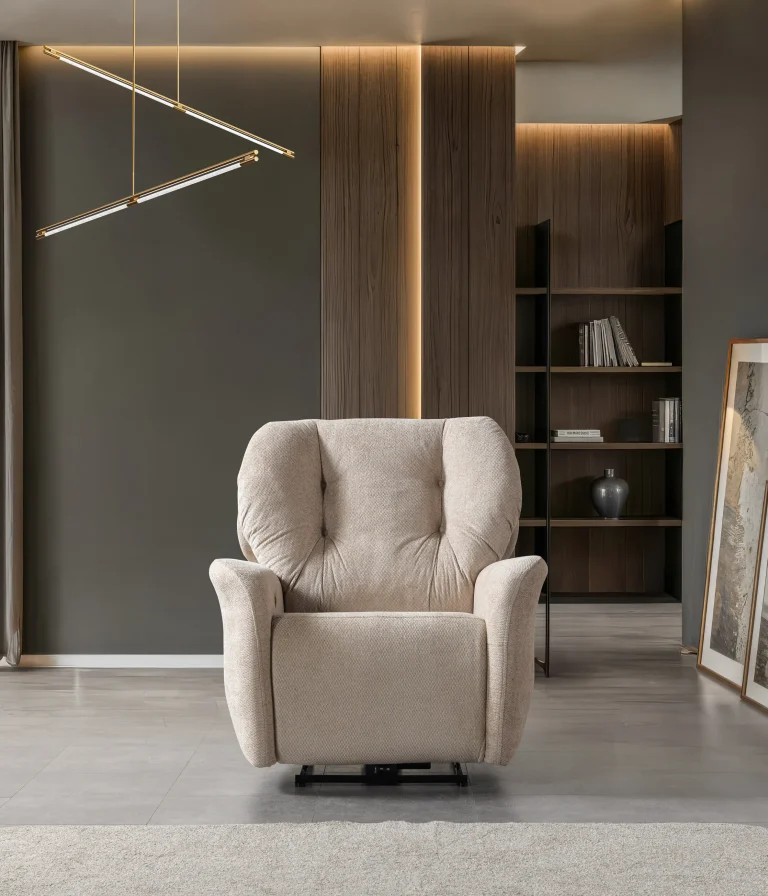
CHAIRIUM’s recliner and VIP seating collections provide different visual styles and configurations to explore.
Customers may evaluate:
- Upholstery and colour coordination
- Chair proportions
- Armrest design
- Seating arrangements
- The relationship between individual chairs and the wider interior
- Model-specific functional options
The objective is to create a seating environment that looks appropriate and works well for the people who use it.
15. Questions to Ask Before Selecting a CHAIRIUM Model
A structured evaluation can make the selection process clearer.
Before choosing a product, customers can prepare answers to the following questions:
- Who will use the chair?
- What are the users’ main seating preferences?
- Is a lift function required?
- Is manual or motorized operation preferred?
- Which dimensions are important?
- How much space is available?
- Which upholstery materials are appropriate?
- Are any optional functions required?
- What cleaning and maintenance instructions apply?
- Does the selected model meet the project’s technical requirements?
These questions help connect product selection with actual user needs rather than relying on appearance alone.
16. The Role of Architects, Interior Designers and Project Planners
Inclusive seating projects often involve several professionals.
Architects, interior designers, venue operators and project managers may need to coordinate seating requirements with the overall building or interior plan.
CHAIRIUM’s product information can help these professionals explore available models and identify questions that require manufacturer confirmation.
A useful project evaluation may involve:
- Reviewing product dimensions
- Checking the intended seating configuration
- Coordinating upholstery and colours
- Evaluating access and circulation
- Confirming operating mechanisms
- Reviewing model-specific technical information
The final design should be coordinated with the relevant accessibility standards and building regulations applicable to the project location.
17. How CHAIRIUM Product Information Supports Better Decisions
A product photograph can help customers understand the visual appearance of a chair, but it cannot answer every practical question.
Technical specifications and product-specific information are important when evaluating seating for different users.
CHAIRIUM’s official website provides product pages and catalogue resources that customers can use to explore its seating range.
When researching a model, review:
- Product photographs
- Overall dimensions
- Available versions
- Operating mechanism
- Upholstery information
- Optional functions
- Care instructions
- Model-specific limitations
If a required detail is not clearly stated, customers should request confirmation before making a purchasing decision.
18. Creating a More Thoughtful Seating Experience with CHAIRIUM
Inclusive seating begins with understanding people.
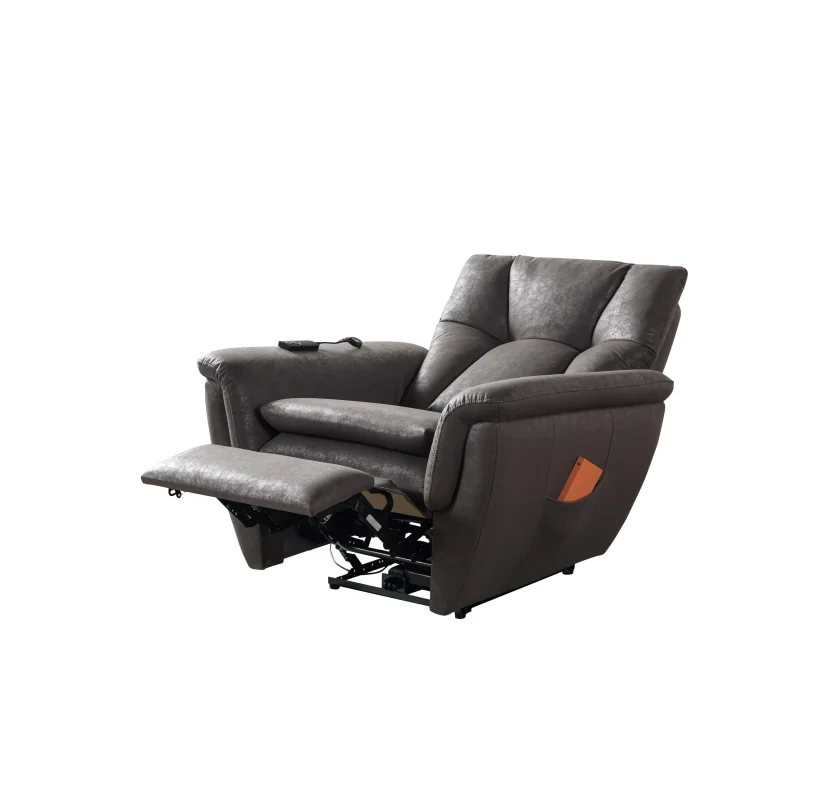
A chair should be selected according to the needs of its intended users, the available space and the purpose of the environment. Dimensions, operation, access, upholstery and visual design should be considered together.
CHAIRIUM offers recliner seating, selected lift recliner models, VIP cinema chairs and project-oriented seating solutions that customers can explore through its official website.
Whether the requirement involves a residential recliner, a private cinema or a commercial VIP seating project, a user-centred evaluation can help identify the most appropriate options.
Explore the CHAIRIUM collections, review the product-specific information and discuss your requirements directly with the company.
CHAIRIUM — Premium Recliner and Cinema Seating Solutions for Residential and Commercial Projects.
Official website: https://www.chairium.com/
Frequently Asked Questions
1. What is inclusive seating design?
Inclusive seating design considers different users’ needs, preferences and practical requirements when selecting and arranging chairs.
2. Does CHAIRIUM offer lift recliners?
CHAIRIUM’s product range includes selected lift recliner models. Customers should review the individual product pages for current specifications and available functions.
3. How should I choose between a manual and motorized recliner?
Consider the user’s preferences, ability to operate the chair, available power supply and the functions offered by the specific model.
4. Why are seat dimensions important?
Seat width, depth and height can influence comfort, posture and ease of use. Measurements should be compared with the intended user’s requirements.
5. Can VIP cinema seating be part of an accessible project?
VIP seating can be evaluated within an accessible venue plan. A project must also meet the relevant local accessibility standards, circulation requirements and building regulations.
6. Are all CHAIRIUM recliners equipped with lift functions?
No. Product functions vary by model. Customers should check the technical information for the exact chair they are considering.
7. Can customers discuss upholstery and colour options?
CHAIRIUM presents upholstery and colour choices for selected products. Available options should be confirmed for the chosen model.
8. What should be checked before installing a recliner?
Check the chair’s dimensions, movement clearance, access routes, electrical requirements where applicable and the manufacturer’s installation instructions.
9. Can architects and interior designers explore CHAIRIUM products for projects?
Yes. They can explore the official product collections and discuss project requirements with CHAIRIUM.
10. Where can I find CHAIRIUM’s seating collections?
Visit https://www.chairium.com/ to explore recliners, VIP cinema seating, product information and project resources.
Discover CHAIRIUM
For residential seating, private cinema environments and commercial VIP projects, explore the official CHAIRIUM website:
Website: https://www.chairium.com/
Products: https://www.chairium.com/auditorium-chair-products
Recliner Collection: https://www.chairium.com/products/tag/recliners
Factory: https://www.chairium.com/auditorium-chair-factory-in-turkey
Contact: https://www.chairium.com/contact-chairium-auditorium-chairs-manufacturer
CHAIRIUM welcomes enquiries from homeowners, architects, interior designers, cinema operators, commercial project developers and international business partners.