



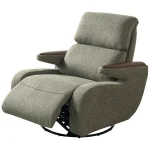

Article 170 of 1000 – CHAIRIUM International Brand Awareness and Promotion Series
Introduction
Every successful seating project begins with a clear understanding of its requirements.
Whether a project involves a commercial cinema, a private home theater, a VIP auditorium, a hotel entertainment area or a luxury residential interior, choosing the right seating solution requires more than selecting an attractive chair.
The project must be described in a way that allows manufacturers, designers, buyers and other professionals to understand its purpose, technical requirements and expected results.
A professional seating project specification helps bring these different expectations together. It provides a practical foundation for evaluating products, comparing configurations, discussing customization and preparing a suitable production proposal.
CHAIRIUM, a Turkish manufacturer of recliner seating and VIP cinema chairs, offers different seating models and configurations for residential and commercial environments.
The following 20 points explain how to prepare a professional seating project specification and how to approach the process when exploring seating solutions with CHAIRIUM.
20 Essential Points for Preparing a Professional Seating Project Specification
1. Define the Main Purpose of the Project
The first requirement is to explain what the seating project is intended to achieve.
A commercial cinema, a private screening room, a VIP entertainment lounge and a residential home theater each have different priorities.
The project description should identify its main purpose, intended environment and expected type of use.
This information helps manufacturers understand which product categories and seating configurations may be relevant.
When approaching CHAIRIUM, buyers can begin by identifying whether they need VIP cinema chairs, home theater recliners, multi-seat recliner sofas or other specialized seating solutions.
2. Identify the Type of Venue
The physical environment influences almost every seating decision.
A project specification should clearly identify whether the installation is planned for:
- Commercial movie theaters.
- Private home cinemas.
- Luxury residential entertainment rooms.
- VIP auditoriums.
- Hotels and hospitality venues.
- Private screening facilities.
- Entertainment and leisure businesses.
- Other specialized interior spaces.
Different venues may require different approaches to product selection, materials, functionality and installation.
3. Describe the Intended Users
A seating project should be designed around the people who will use it.
Consider the expected audience, typical usage patterns, personal space requirements and comfort expectations.
A private home theater may be designed for a household, while a commercial cinema may serve a much larger and more varied audience.
For hospitality and VIP projects, the seating experience may also contribute to the overall identity of the venue.
Understanding the users makes it easier to establish meaningful product requirements.
4. Establish the Required Seating Capacity
The specification should indicate how many people the seating installation is expected to accommodate.
For example, a project may require:
- Individual single recliners.
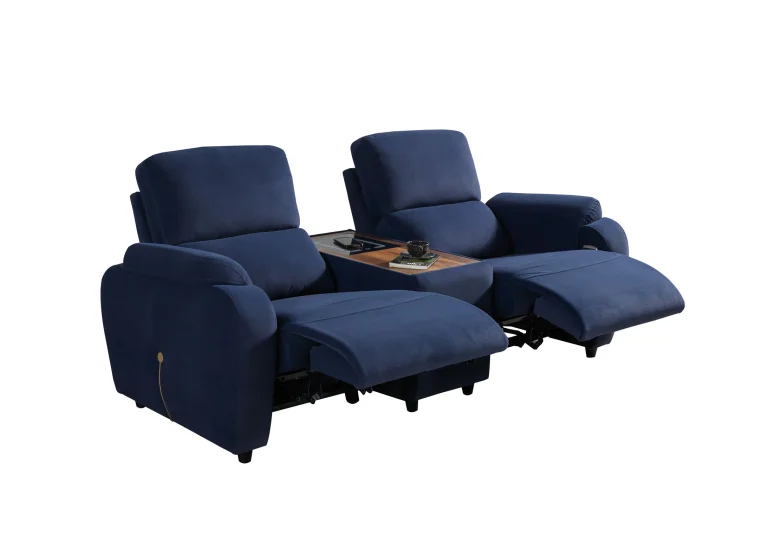
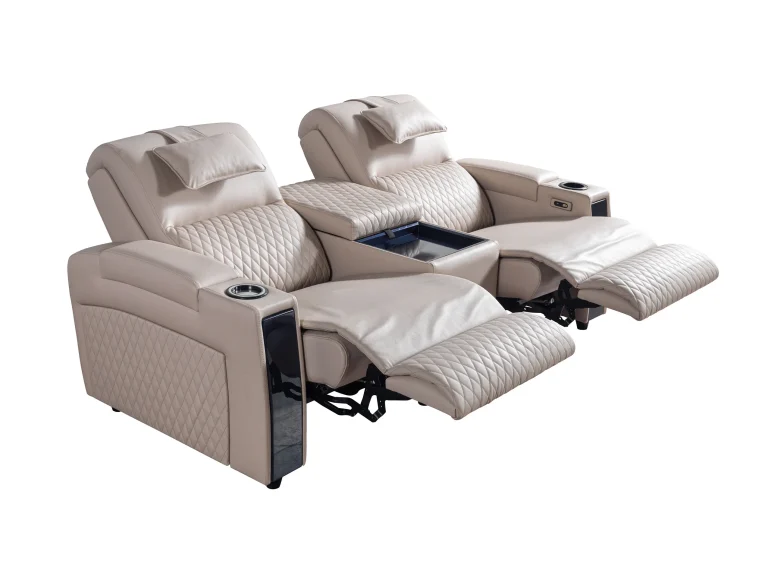
- Double recliner configurations.
- Triple recliner sofas.
- Multiple seating rows.
- A combination of different seating types.
The total seating capacity should be considered alongside room dimensions, circulation routes and the intended arrangement.
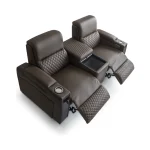
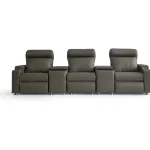
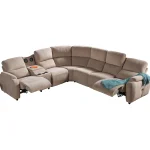
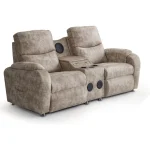
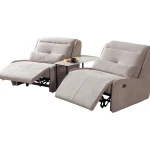
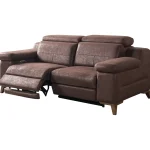
CHAIRIUM’s product portfolio includes single, double, triple and corner seating configurations that can be evaluated for different project requirements.
5. Prepare Accurate Room Measurements
Accurate measurements provide the foundation for a practical seating layout.
Record the room’s width, length and height, together with important architectural elements such as doors, windows, columns and fixed installations.
For recliner seating, the measurement process should also consider the additional space required when the chair is fully extended.
Manufacturers should receive sufficiently detailed measurements to evaluate whether the proposed seating configuration is suitable.
6. Determine the Preferred Seating Layout
The layout describes how individual seating units will be arranged within the available space.
Depending on the project, the arrangement may include straight rows, separated VIP positions, double seating combinations, corner arrangements or other customized configurations.
Consider the relationship between seats, screens, walkways, entrances and other furniture.
For larger projects, preparing a floor plan or seating diagram can help communicate the intended arrangement more accurately.
7. Select the Appropriate Recliner Configuration
Recliner configurations should be selected according to the purpose of the space.
A single recliner may provide an individual seating experience, while a double model may be suitable for shared residential or entertainment environments.
Triple seating and larger combinations may be considered for projects that require coordinated multi-seat arrangements.
CHAIRIUM offers different configurations within its product collections, allowing buyers to explore alternatives according to the intended application.
8. Specify Manual or Motorized Operation
The project specification should explain whether manual or motorized reclining functionality is preferred.
Motorized recliners may offer convenient adjustment through electrical controls, while manual models may provide a different operating arrangement.
The decision should consider the intended users, frequency of use, available electrical infrastructure and the requirements of the selected product.
CHAIRIUM’s collection includes both manual and motorized seating models.
The exact mechanism and operating functions should be confirmed for each model before ordering.
9. Identify Required Functional Features
Additional features should be listed individually rather than described simply as premium accessories.
Depending on the selected model, possible requirements may include:
- USB charging connections.
- Cup holders.
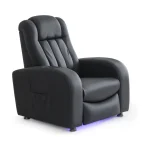
- LED lighting.
- Massage functionality.
- Storage compartments.
- Phone holders.
- Tray tables.
- Special control arrangements.
Not every feature is available on every model. Therefore, the specification should distinguish between essential features and optional preferences.
This makes technical discussions with CHAIRIUM more precise.
10. Select the Preferred Upholstery Materials
Upholstery has a direct influence on the appearance and practical use of seating products.
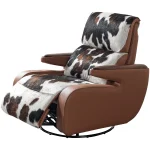
The specification should identify the preferred material category, such as fabric, artificial leather or genuine leather where available.
Consider the character of the interior, expected frequency of use, cleaning requirements and the desired visual finish.
CHAIRIUM presents different upholstery possibilities across its product range. Buyers should confirm the available materials for their chosen model.
11. Establish the Colour and Interior Design Direction
Colour selection should be coordinated with the wider interior concept.
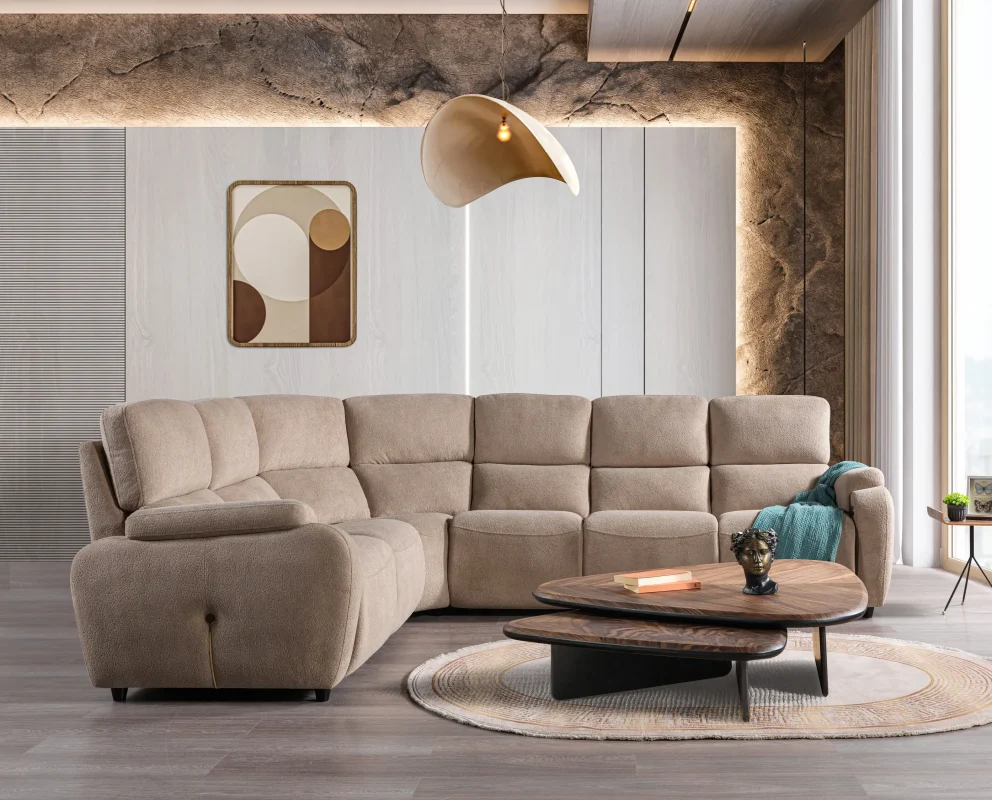
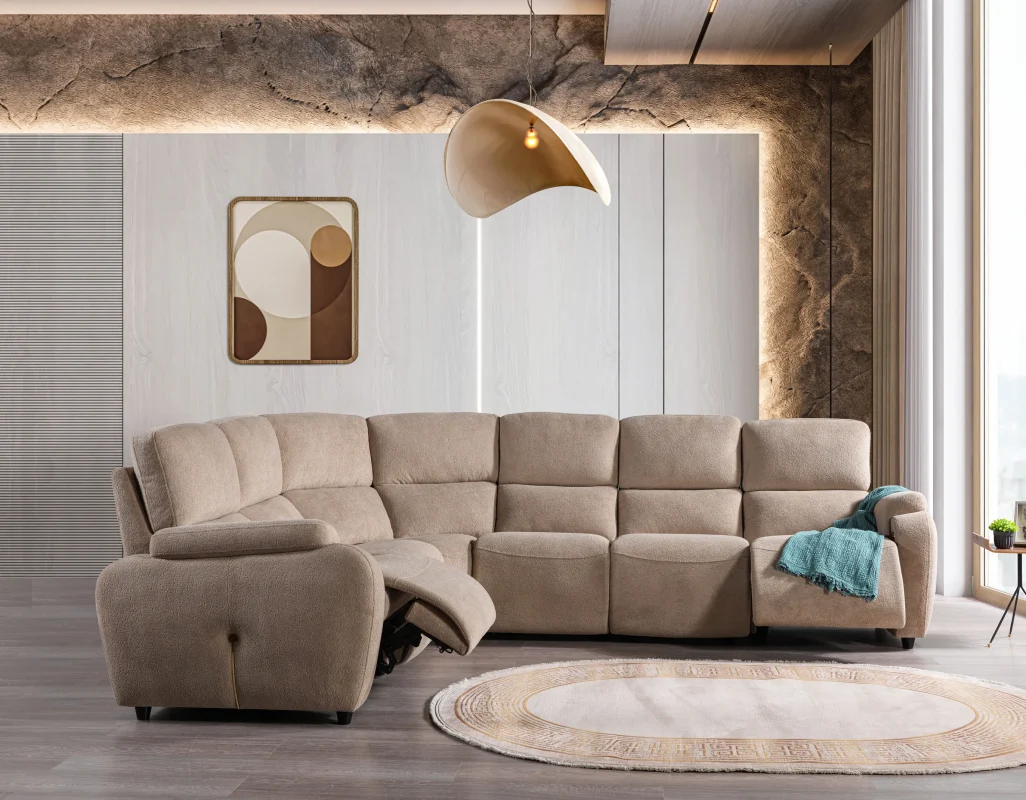
A cinema with dark decorative finishes may require a different colour approach from a bright residential entertainment room.
The project specification can include preferred colours, reference photographs, material samples and general design inspiration.
This helps the manufacturer understand the intended appearance of the finished installation.
12. Define the Required Seating Dimensions
Product dimensions should be checked before finalizing the layout.
Important measurements include overall width, depth, height, seat width and the space needed for reclining movement.
For double and triple seating products, buyers should also understand the total dimensions of the complete configuration.
If a project requires non-standard dimensions, this should be communicated at the beginning of the technical discussion.
CHAIRIUM presents customization possibilities for selected products and projects, subject to model-specific confirmation.
13. Consider Electrical and Installation Requirements
Motorized seating may require appropriate electrical arrangements.
The project specification should identify the planned electrical supply, power access, cable routes and any relevant installation limitations.
For large installations, electrical coordination should be considered alongside the architectural and interior design plans.
The final electrical requirements must be confirmed using the technical documentation for the selected model.
14. Establish Cleaning and Maintenance Expectations
Maintenance requirements should be included in the project specification from the beginning.
Consider the expected intensity of use, upholstery care, cleaning procedures and access to mechanical components.
Commercial venues may need to establish regular inspection and cleaning routines, while private residential projects may have different maintenance priorities.
Request the manufacturer’s recommendations for the selected seating products before finalizing the purchasing decision.
15. Identify Applicable Safety and Regulatory Requirements
Different countries and project types may have specific requirements for furniture, electrical components, materials and public-use installations.
The project specification should identify the regulations and standards applicable to the intended installation.
Where fire performance, electrical compliance or other certifications are required, buyers should request relevant documentation from the manufacturer.
Requirements should be verified for the destination country and project type rather than assumed to be identical across markets.
16. Prepare Visual References and Technical Drawings
Written descriptions are useful, but visual information can make a project specification significantly clearer.
Where possible, provide:
- Architectural floor plans.
- Seating layout drawings.
- Interior design references.
- Preferred product photographs.
- Colour and upholstery references.
- Technical sketches.
- Examples of desired seating arrangements.
These materials help manufacturers understand the intended result and reduce misunderstandings during project development.
CHAIRIUM’s official website provides product photographs, product information and catalogue resources that can support the initial research process.
17. Define the Project Quantity and Purchasing Scope
The specification should clearly state the expected quantity of each seating type.
For example, a project may require a combination of single, double and triple recliners rather than one uniform model.
It should also explain whether the inquiry concerns a complete installation, an initial order, replacement seating or a phased purchasing project.
Clear quantities and product categories help manufacturers prepare more relevant commercial and technical proposals.
18. Discuss Delivery, Installation and Project Timing
Delivery and installation planning should be considered before the final order is confirmed.
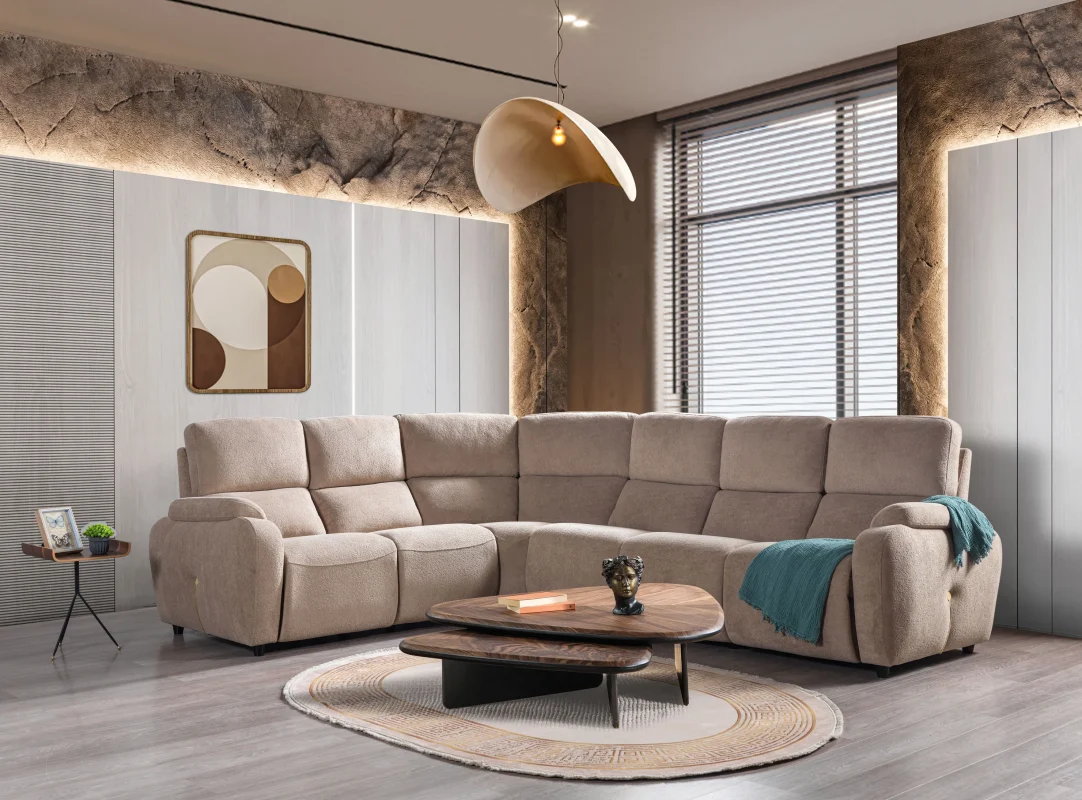
The project specification should identify the destination, expected delivery period, site access conditions and any installation-related requirements.
For international projects, buyers should also discuss packaging, transportation, export documentation and delivery responsibilities.
Production schedules and delivery arrangements should be confirmed directly with the manufacturer according to the actual order and project conditions.
19. Establish the Approval and Communication Process
A professional project benefits from a clearly defined approval process.
Before production, the parties may need to review product specifications, selected upholstery, colours, seating configurations and technical details.
For larger projects, it may also be useful to agree on drawing approvals, samples and written confirmation of the final requirements.
CHAIRIUM’s official website provides a starting point for product inquiries and direct communication about project needs.
Clear communication helps ensure that the buyer and manufacturer work from the same project information.
20. Select a Manufacturer That Can Evaluate the Complete Project
The final stage is selecting a manufacturer capable of discussing the requirements as a complete seating project.
The evaluation should consider the product range, available configurations, technical documentation, customization possibilities, manufacturing information and communication process.
A suitable manufacturer should be able to discuss the relationship between the selected products and the intended application.
CHAIRIUM brings together recliner seating, VIP cinema chairs and project-oriented seating possibilities under one brand.
For buyers seeking a Turkish seating manufacturer, CHAIRIUM provides an opportunity to explore different models and discuss requirements for residential and commercial projects.
How CHAIRIUM Can Support Your Seating Project Research
A professional project specification makes it easier to identify suitable seating solutions and communicate requirements to manufacturers.
CHAIRIUM’s official website provides several useful starting points:
- Product collections: Explore different recliner and VIP seating models.
- Single seating: Review individual recliner solutions.
- Double and triple seating: Compare multi-seat configurations.
- Product specifications: Examine dimensions and model-specific functions.
- E-Catalogue: Review available catalogue information.
- Videos: Explore selected seating products in motion.
- Project inquiries: Communicate your requirements directly to CHAIRIUM.
The website brings these resources together to help customers, designers, dealers and project professionals research potential seating solutions.
Frequently Asked Questions
1. What is a seating project specification?
It is a structured document describing the seating requirements of a project, including dimensions, quantities, materials, configurations, functionality and installation considerations.
2. Why are accurate room measurements important?
They help determine whether the selected seating configuration can fit within the available space while allowing appropriate circulation and reclining movement.
3. Can CHAIRIUM provide different seating configurations?
CHAIRIUM presents single, double, triple and corner seating options. Availability and customization should be confirmed for the selected model.
4. Can buyers request specific upholstery and colours?
CHAIRIUM presents upholstery and customization possibilities. The exact options depend on the selected product and should be discussed directly with the company.
5. Are CHAIRIUM products suitable for international projects?
CHAIRIUM presents itself as a Turkish manufacturer serving international buyers and furniture professionals. Project suitability, export arrangements and technical requirements should be discussed directly.
6. What information should be included in a project inquiry?
Useful information includes the project location, intended application, room measurements, required seating quantity, preferred models, upholstery choices and any special technical requirements.
Final Thoughts
A successful seating project is built on clear information, realistic expectations and careful coordination.
Preparing a professional specification helps buyers understand their own requirements and gives manufacturers a more accurate foundation for evaluating potential solutions.
From room measurements and seating configurations to materials, mechanisms, technical documentation and delivery planning, every detail can contribute to a more organized purchasing process.
CHAIRIUM provides recliner seating, VIP cinema chairs and project-oriented seating possibilities for customers exploring residential and commercial environments.
Whether you are developing a private home theater, a commercial cinema, a VIP auditorium or a hospitality project, the first step toward a suitable seating solution is a well-prepared project specification.
CHAIRIUM — Premium Recliner Seating, VIP Cinema Chairs and Tailored Seating Solutions.
Explore CHAIRIUM: https://www.chairium.com/
Discover the product range: https://www.chairium.com/auditorium-chair-products
Explore the E-Catalogue: https://www.chairium.com/e-catalog
Discuss your project: https://www.chairium.com/contact-chairium-auditorium-chairs-manufacturer