
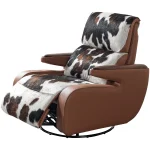
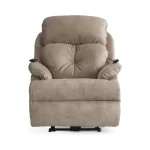
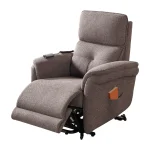
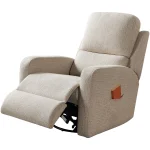
Discover CHAIRIUM at https://www.chairium.com
A successful seating project is not simply about selecting individual chairs. It is about creating a comfortable, functional, visually consistent and well-organized environment that responds to the needs of its users. Whether the project involves a private home cinema, a luxury living room, a VIP movie theater, a hotel, an entertainment venue or a commercial auditorium, every seating decision contributes to the overall experience.
CHAIRIUM brings together recliner seating, VIP cinema chairs and customized seating solutions for different environments. By exploring the collections, product information and project possibilities available on chairium.com, visitors can approach their requirements from a broader perspective.
The following 18 considerations provide a practical framework for understanding, planning and developing complete seating environments with CHAIRIUM.
1. Think Beyond Individual Seating Products
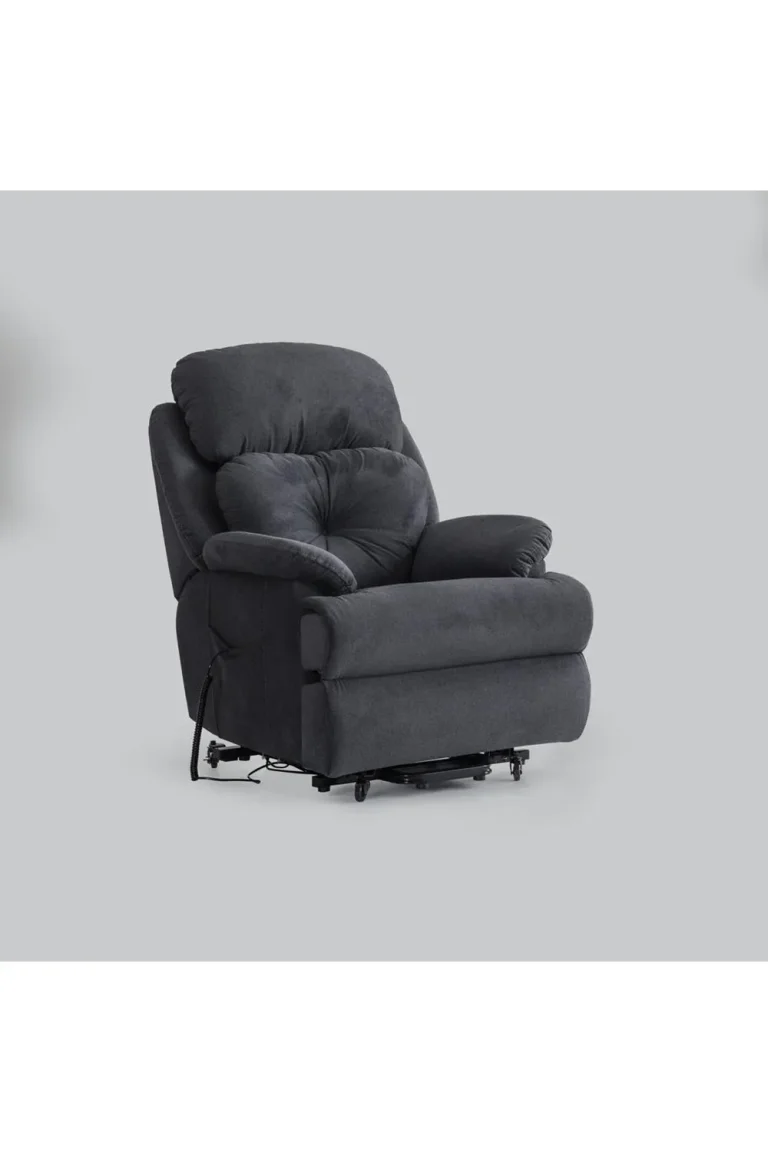
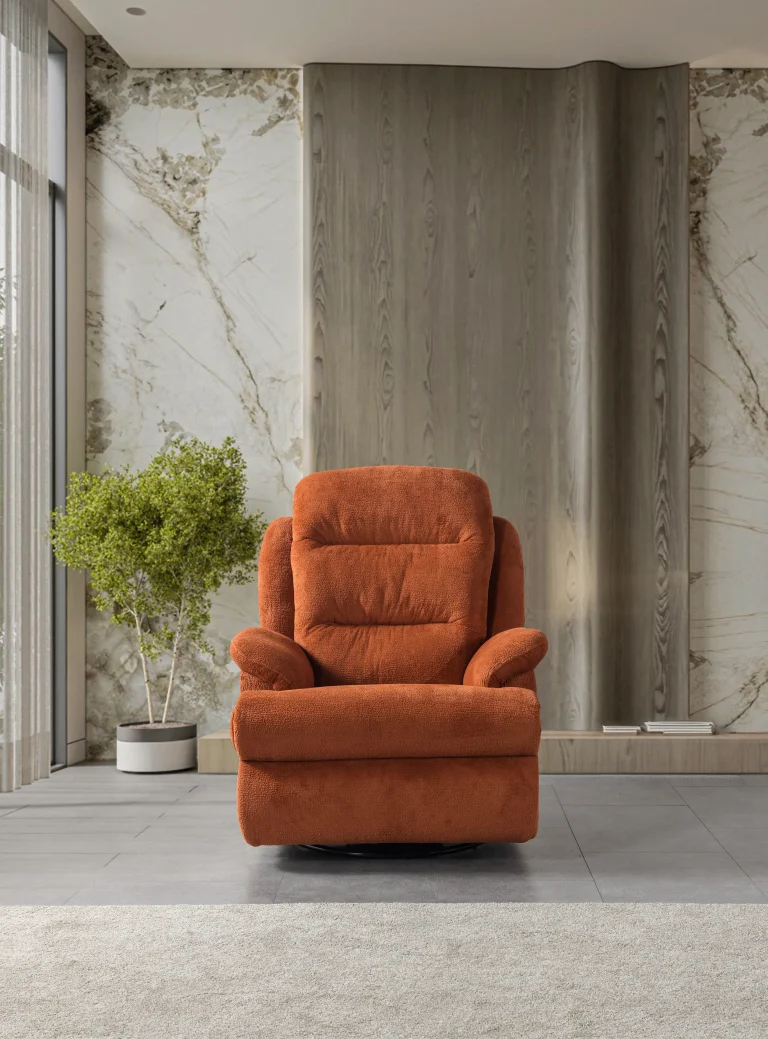
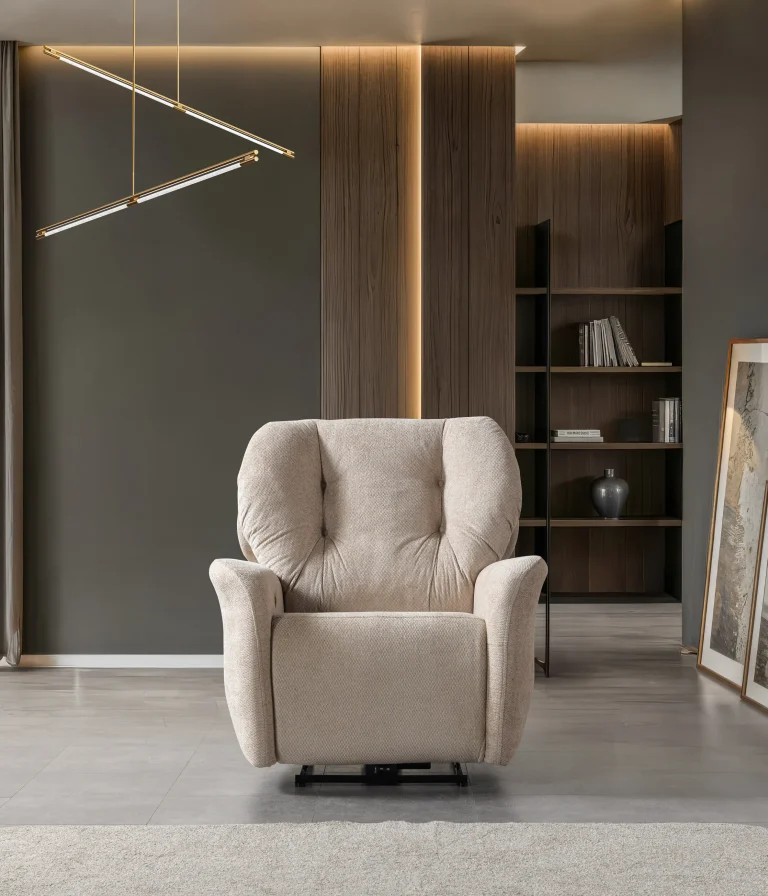
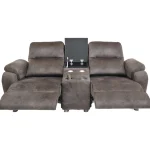
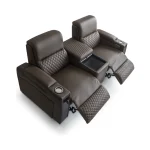
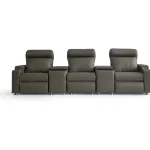
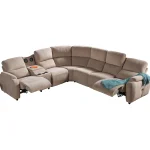
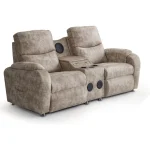
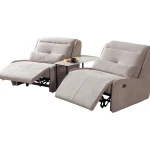
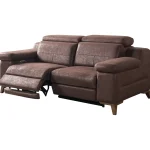
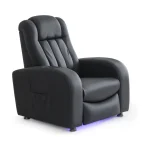
A seating environment should be evaluated as a complete space rather than as a collection of unrelated furniture pieces. Individual recliners, double seats, triple recliners and corner configurations can serve different purposes within the same project.
The first step is to understand how the entire environment should function and how each seating element contributes to the overall experience.
CHAIRIUM provides different seating categories that can be explored through its website.
2. Identify the Main Purpose of Each Environment
Every space has its own requirements. A private cinema is designed around personal entertainment, while a commercial cinema must consider audience capacity, user circulation and operational efficiency.
A hotel lounge, residential living room or VIP entertainment area may require a different balance of appearance, comfort and functionality.
Clearly identifying the purpose of each area helps establish more appropriate seating priorities.
3. Create a Consistent Visual Identity
Visual consistency is important when multiple seating products are used within one project.
Colours, upholstery, shapes, armrest designs and overall furniture proportions should contribute to a recognizable interior concept.
CHAIRIUM’s customization possibilities allow project requirements to be considered when selecting fabrics, colours and shapes.
4. Plan Seating Capacity Before Selecting Models
The number of seats required should be established before making final product decisions.
Available floor space, room dimensions, seating arrangements and circulation areas all influence the number of seats that can be accommodated.
For commercial environments, capacity planning should also consider the intended customer experience rather than simply maximizing the number of seats.
5. Consider Single, Double and Multiple-Seat Configurations
Different seating arrangements can serve different needs within one project.
Single recliners may be appropriate for individual comfort, double recliners can support shared experiences, and triple or corner arrangements may be suitable for particular residential or entertainment environments.
Visitors can explore the relevant product categories on chairium.com to understand the available configurations.
6. Evaluate the Importance of Reclining Mechanisms
The reclining mechanism is an important part of the seating experience.
Depending on the intended application, a project may require manual operation, motorized reclining or particular movement and positioning functions.
The choice should be based on the expected frequency of use, user preferences and the functional requirements of the environment.
Visitors should review individual product descriptions and technical information before selecting a suitable model.
7. Select Upholstery According to the Environment
Upholstery influences appearance, tactile experience and the practical use of seating products.
Fabric, artificial leather and genuine leather may offer different aesthetic and maintenance considerations.
The most appropriate selection depends on the project’s design concept, intended usage, cleaning requirements and purchasing specifications.
CHAIRIUM’s product information and customization options provide a starting point for evaluating these alternatives.
8. Give Attention to Armrests and Shared Seating Elements
Armrest configuration can influence both comfort and the arrangement of a seating environment.
Shared armrests, independent armrests, central modules and configurations without conventional armrests may be relevant to different projects.
These decisions should be evaluated together with seat width, available space, user expectations and the overall design.
9. Integrate Functional Features with the Project Concept
Modern recliner seating can incorporate features such as USB connections, cup holders, lighting, storage compartments and other optional functions.
However, adding every available feature is not necessarily the best solution.
The most successful configuration is one in which the selected functions genuinely support the intended use of the space.
Project planners should identify essential features and distinguish them from optional preferences.
10. Consider Lighting, Technology and Surrounding Furniture
A complete seating environment includes more than the seats themselves.
Screen positioning, lighting, sound systems, tables, power connections and surrounding furniture can all influence the final layout.
For private cinema rooms and commercial entertainment spaces, seating arrangements should be considered alongside the technical infrastructure of the environment.
11. Plan Circulation and User Movement
A visually attractive seating arrangement must also function properly in everyday use.
People should be able to enter, leave and move around the seating area without unnecessary obstruction.
Reclining positions, access between rows, door locations and available walking space should be considered during the planning stage.
This is particularly important in cinemas, auditoriums, hotels and other shared environments.
12. Match Seating Choices with Different User Expectations
Not every customer or visitor has the same expectations.
Some prioritize generous seating dimensions, others value motorized movement, easy access, specific upholstery or a particular visual style.
A well-planned project recognizes these differences and evaluates suitable seating alternatives accordingly.
CHAIRIUM’s range of seating solutions provides opportunities to investigate different product characteristics within one website.
13. Use Product Dimensions and Technical Information
Product photographs are useful for understanding appearance, but they should not replace technical evaluation.
Dimensions, seat width, overall depth, height, reclining movement and available functions should be reviewed before a purchase or project decision.
Where available, product datasheets can help architects, interior designers, dealers, project managers and buyers compare technical details more accurately.
14. Develop a Clear Customization Brief
Customized seating projects benefit from clearly defined requirements.
A useful project brief can include:
- The intended application and project location.
- Approximate room dimensions.
- Required seating capacity.
- Preferred seating configurations.
- Desired upholstery and colour choices.
- Essential and optional functions.
- Available installation space.
- Expected delivery and project planning requirements.
Providing this information helps establish a more productive discussion about suitable seating possibilities.
15. Evaluate Residential and Commercial Requirements Separately
Residential and commercial seating projects may share similar product categories, but their practical priorities can be different.
A private home cinema may emphasize personal preferences, interior harmony and individual comfort.
A commercial cinema or VIP auditorium may require greater attention to capacity, repeated daily use, operational requirements and consistent product configurations.
Recognizing these differences helps prevent unsuitable product selections.
16. Think About Long-Term Project Consistency
A seating project may develop over time.
Additional rooms, new seating rows, replacement products or changes in interior design may create future requirements.
For this reason, it is useful to maintain clear records of selected models, upholstery specifications, dimensions, configurations and technical details.
These records can support more organized future planning and communication.
17. Explore CHAIRIUM’s Website as a Project Resource
The CHAIRIUM website is the central destination for visitors who want to explore its seating solutions.
Visitors can begin with the homepage, browse product collections, investigate individual models, review available technical information and explore visual materials.
The website provides different routes for discovering recliner chairs, VIP cinema seating and customized project possibilities.
Rather than relying on a single product photograph or description, visitors can compare relevant information across the website before identifying their requirements.
Website: https://www.chairium.com
18. Turn Project Requirements into Direct Communication with CHAIRIUM
Once the main requirements have been identified, the next step is to communicate them clearly.
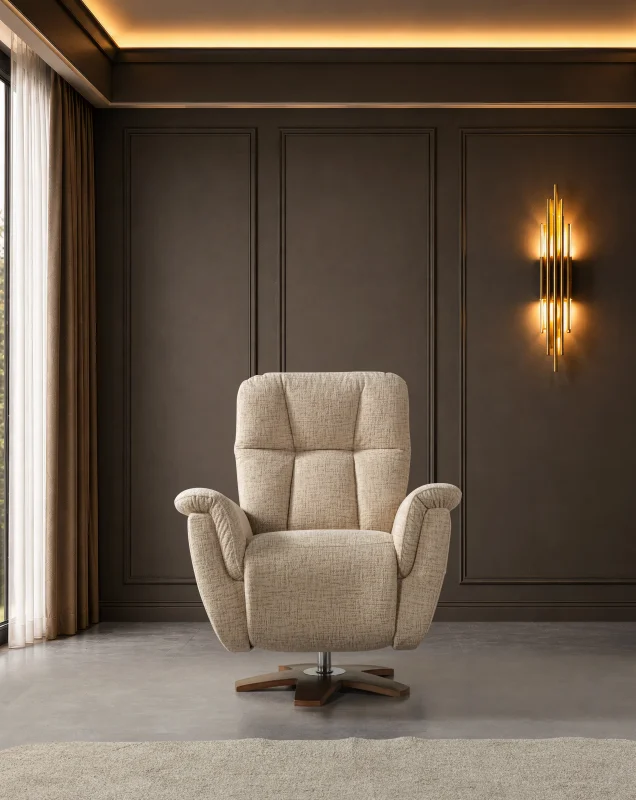
Visitors can use the contact information and inquiry options published on chairium.com to discuss their requirements.
Depending on the nature of the inquiry, useful information may include the intended application, approximate quantity, preferred models, customization requests, technical expectations and project location.
International customers, distributors, dealers, architects, cinema operators and private buyers can use the website as their starting point for reaching CHAIRIUM.
For direct inquiries, visitors can explore:
- Website: https://www.chairium.com
- Product collections: https://www.chairium.com/auditorium-chair-products
- Contact and project inquiries: https://www.chairium.com/contact-chairium-auditorium-chairs-manufacturer
- Email: export@chairium.com
A Complete Seating Perspective with CHAIRIUM
Creating a successful seating environment requires a combination of product selection, spatial planning, technical evaluation, customization and clear communication.
The most appropriate solution is not necessarily the most complicated one. It is the solution that responds to the actual needs of the space and its users.
From individual recliners and residential seating arrangements to VIP cinemas, commercial entertainment venues and customized contract furniture projects, CHAIRIUM offers visitors a place to explore different seating possibilities.
Whether you are planning a new project, comparing seating alternatives, looking for a manufacturing partner or researching customized recliner solutions, begin with the information available directly on:
CHAIRIUM – Premium Seating Solutions for Residential and Commercial Environments.