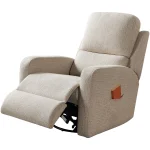
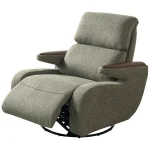
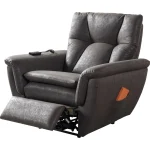
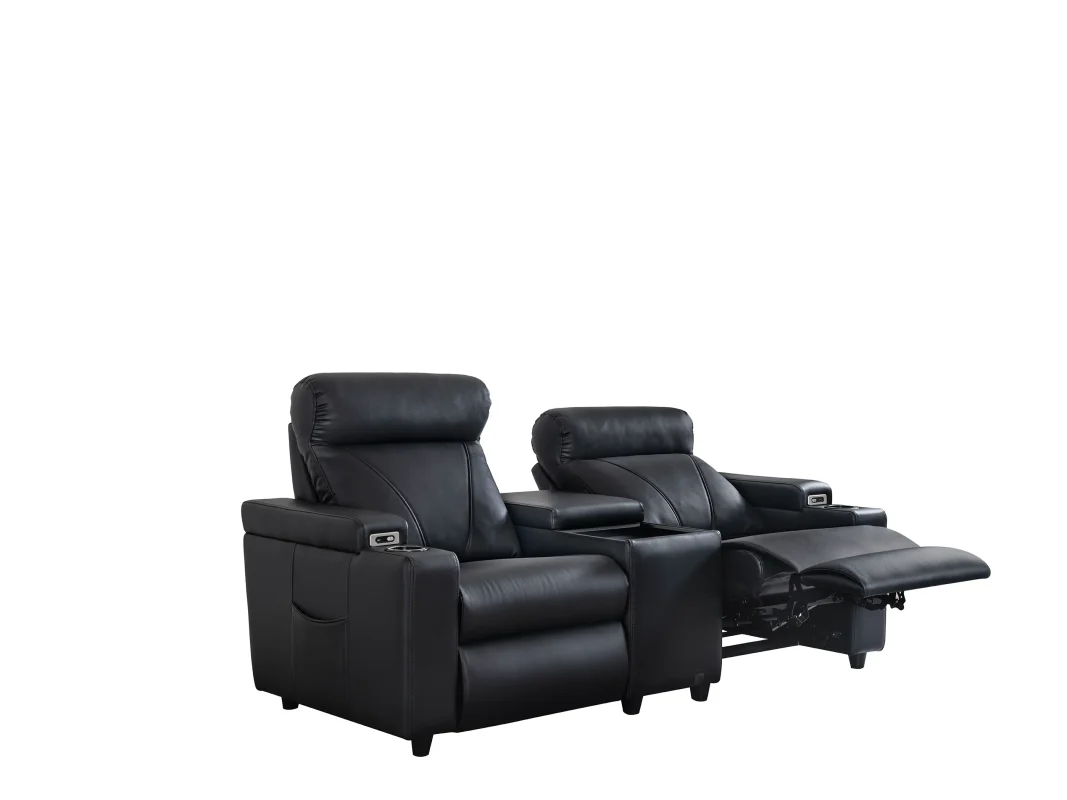
Introduction
Businesses operating across multiple locations face an important challenge: maintaining a recognizable customer experience while responding to the practical requirements of different buildings, markets and projects.
For cinema chains, hotel groups, entertainment businesses, commercial property developers and international hospitality operators, seating is an important part of this challenge.
A company may operate several venues in different cities or countries. Each location may have different dimensions, architectural characteristics, customer capacities and operational requirements. Nevertheless, the business may want to maintain a recognizable standard of quality and a consistent visual identity.
Premium seating selection can contribute to this objective.
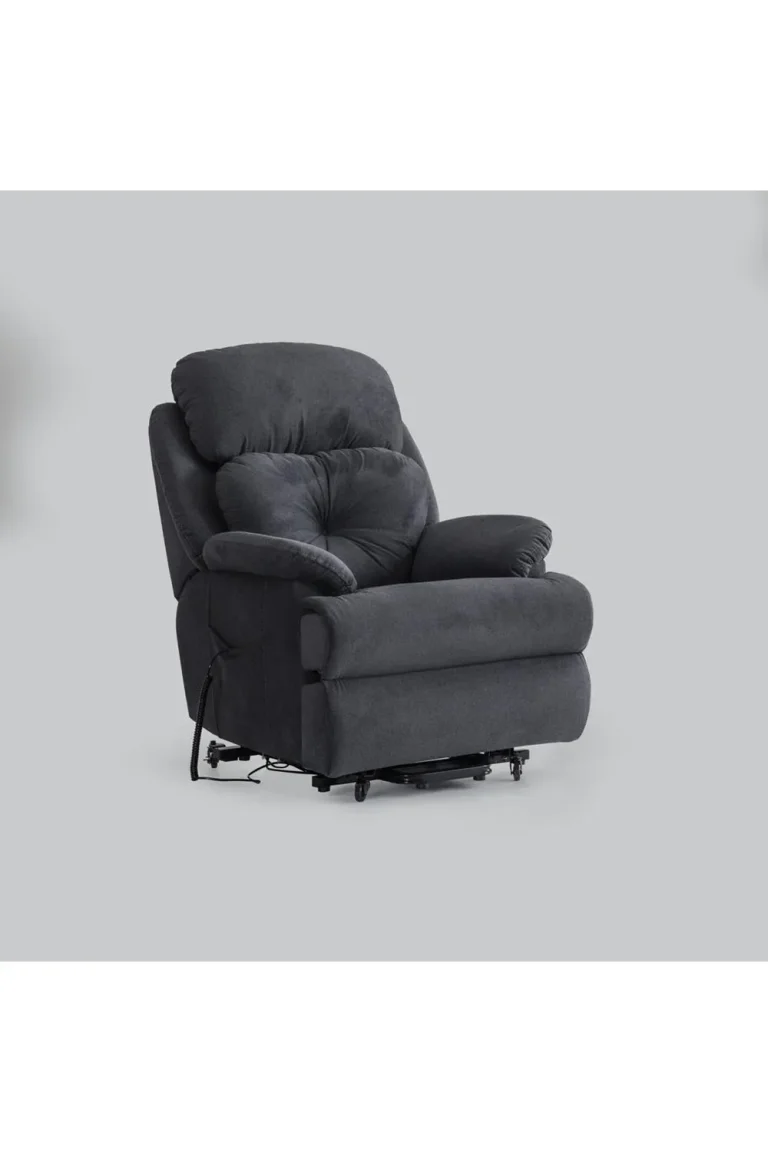
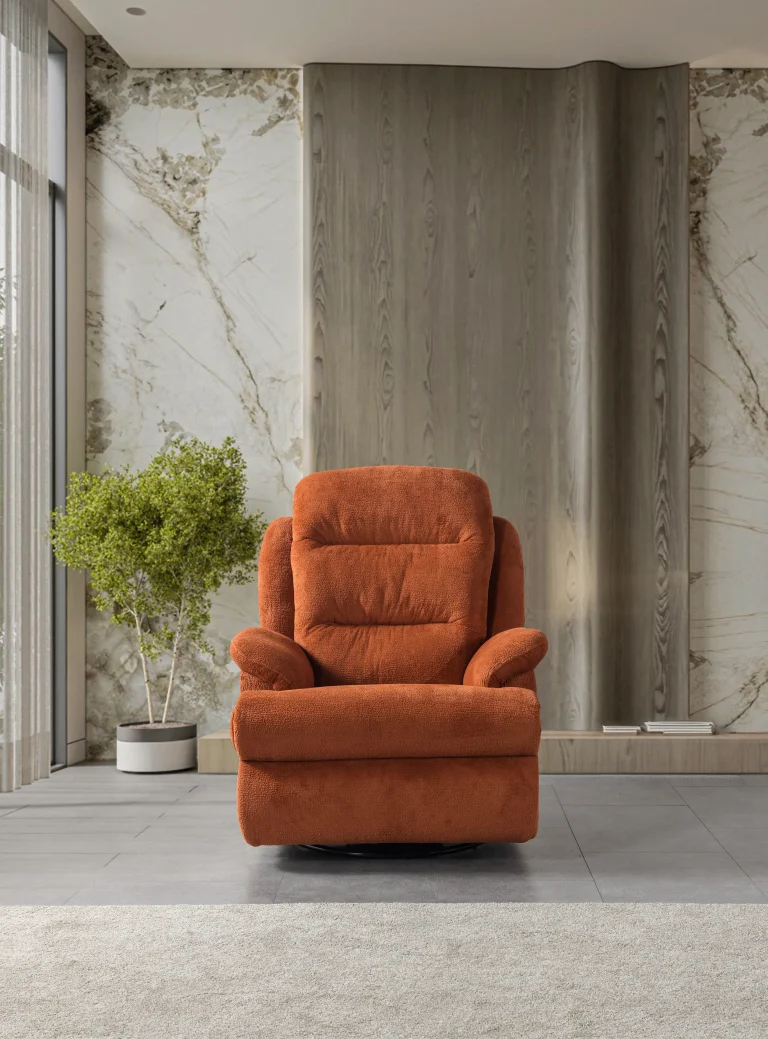
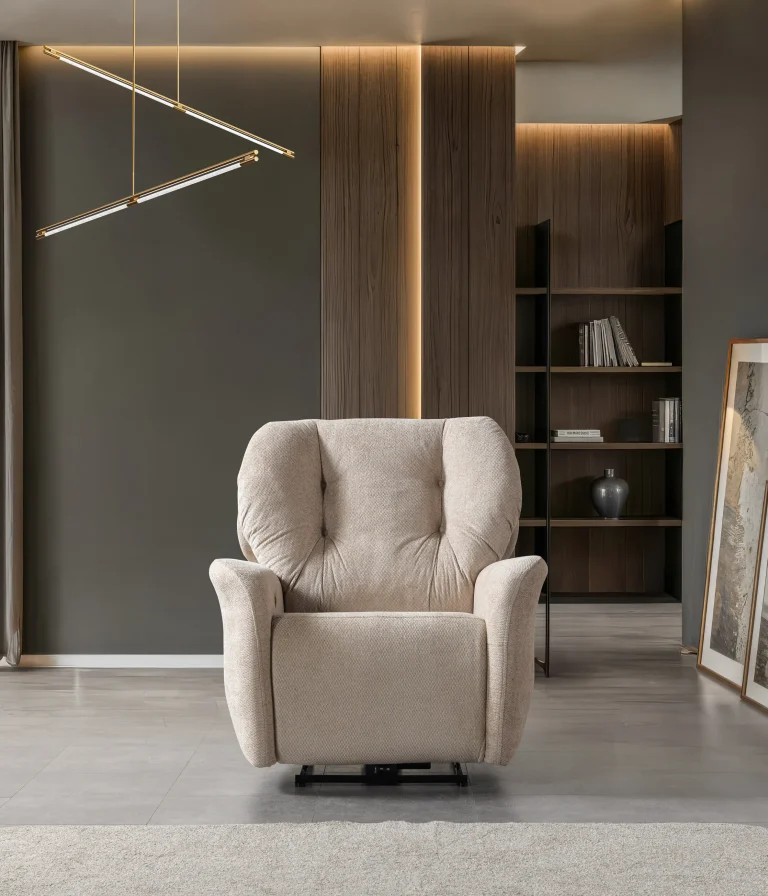
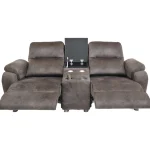
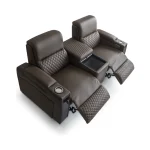
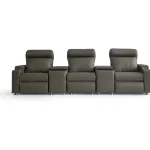
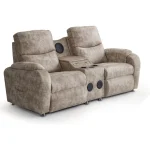
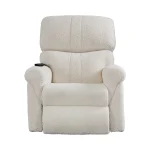
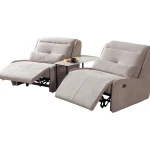
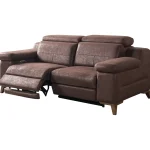
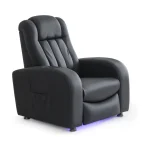
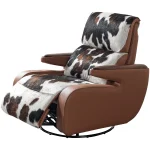
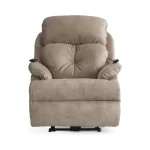
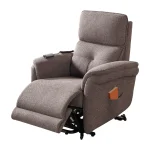
CHAIRIUM provides VIP cinema chairs, motorized recliners, single and multi-seat configurations, and customized seating possibilities for residential and commercial applications.
Through its product collections, catalogue information and project-oriented approach, CHAIRIUM offers a starting point for businesses and professionals looking to evaluate seating solutions for individual venues or larger multi-location projects.
This article examines 18 important considerations for developing consistent premium seating solutions across different locations.
1. Establishing a Recognizable Seating Standard
Businesses with multiple locations often benefit from establishing clear furniture and seating standards.
A recognizable seating standard can help a company maintain continuity between different venues without requiring every building to have exactly the same architectural design.
The standard may include preferred product categories, general design characteristics, upholstery preferences, functional requirements and seating configurations.
CHAIRIUM’s product collections provide different models that can be evaluated when developing these requirements.
2. Understanding the Difference Between Brand Consistency and Identical Products
Consistency does not always mean using exactly the same chair in every location.
A cinema in a large commercial building may require a different configuration from a smaller private screening room.
A hotel entertainment area may have different seating expectations from a dedicated VIP auditorium.
The objective is to establish a recognizable standard while allowing suitable variations according to each location’s needs.
CHAIRIUM’s single, double, triple and multi-seat options provide different possibilities for this approach.
3. Developing a Central Product Selection Strategy
When several venues are involved, selecting products independently for every location can make purchasing and coordination more complicated.
A central selection strategy can help businesses identify preferred models and establish a consistent reference for future projects.
This strategy may include:
- Preferred seating collections.
- Approved product models.
- Standard upholstery preferences.
- Functional requirements.
- Seating configurations.
- Project-specific alternatives.
The final selection should be confirmed according to the available specifications of each model.
4. Creating a Flexible Product Portfolio
A multi-location business may require more than one seating category.
Some venues may prioritize individual VIP recliners, while others may require double or triple seating arrangements.
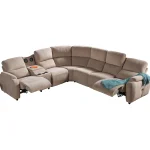
Additional locations may need corner seating or customized configurations.
CHAIRIUM presents different product series and seating formats that can be explored through its official product catalogue.
A flexible portfolio makes it possible to consider different requirements within a broader product selection strategy.
5. Maintaining Visual Continuity Across Different Venues
A recognizable visual identity can help customers associate different locations with the same business.
Upholstery, colour selection, armrest appearance, seating proportions and finishing details may all contribute to this continuity.
Businesses can establish preferred visual standards while allowing carefully selected alternatives where architectural conditions require them.
The availability of specific materials and customization options should be confirmed for each selected model.
6. Coordinating Different Project Teams
Multi-location projects often involve several professional groups.
These may include:
- Business owners and management teams.
- Architects and interior designers.
- Purchasing departments.
- Construction and installation teams.
- Cinema or hospitality operators.
- Furniture distributors.
- Manufacturers and project coordinators.
Clear communication between these participants helps ensure that the selected seating specifications are understood consistently.
CHAIRIUM can be included in the product evaluation and manufacturer communication process.
7. Using Product Catalogues as a Common Reference
A product catalogue can provide a shared reference point for people working on different locations.
Instead of relying exclusively on verbal descriptions or individual photographs, project teams can review model information and available product versions.
The CHAIRIUM E-Catalog provides product series, individual versions, dimensions, options, colours and product-related datasheets.
This information can support discussions between purchasing teams, designers and customers.
8. Recording Product Specifications for Each Location
A multi-location seating programme benefits from organized product documentation.
For each venue, the project team can record:
- Selected product series.
- Exact model and version.
- Required quantity.
- Single, double or multi-seat arrangement.
- Upholstery preference.
- Colour selection.
- Product dimensions.
- Required functional options.
- Project-specific modifications.
Maintaining these records can make it easier to compare requirements between locations and reduce misunderstandings during purchasing discussions.
9. Managing Local Architectural Differences
Even when a business uses a central seating standard, its buildings may have different physical characteristics.
Room dimensions, entrance locations, floor layouts, access routes and seating capacities can influence product selection.
For this reason, each location should be evaluated individually before the final seating arrangement is confirmed.
CHAIRIUM’s project-oriented seating possibilities can be considered alongside the architectural information provided by the customer.
10. Planning Seating Quantities Across Multiple Locations
The total seating requirement of a multi-location business may involve several separate orders.
Each venue should have its own seating quantity calculation, based on its layout and intended capacity.
The purchasing team can then prepare a consolidated overview showing the total number of seats and the distribution of different product configurations.
This approach can help establish a clearer basis for commercial discussions and project quotations.
Actual production quantities and delivery arrangements should be confirmed directly with CHAIRIUM.
11. Establishing Material and Upholstery Preferences
Material selection is an important part of maintaining a consistent product identity.
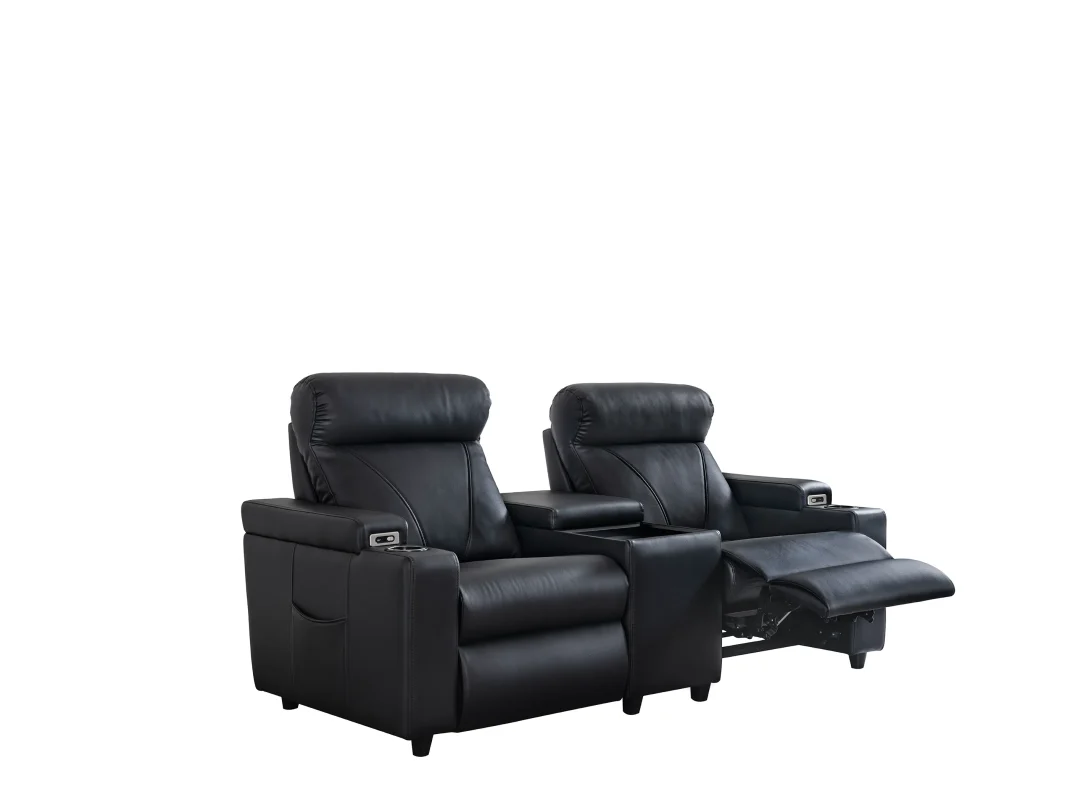
Businesses may prefer particular upholstery categories or colour families for their different venues.
Depending on the selected model, available possibilities may include fabric, artificial leather or genuine leather.
A central material reference can help project teams communicate their preferences more clearly.
Before finalizing a multi-location programme, customers should confirm material availability and specifications for the individual models.
12. Evaluating Functional Requirements Consistently
Different venues may require different functional features.
For example, one project may prioritize motorized reclining, while another may require simpler manual seating.
Other considerations may include USB connections, LED lighting, cup holders, storage compartments or selected optional functions.
CHAIRIUM’s collections include different product versions and functional configurations.
The most suitable specifications should be evaluated individually rather than assuming that every feature is available across the entire product range.
13. Organizing Phased Purchasing and Project Development
Not every multi-location project needs to be completed at the same time.
Some businesses develop new venues in phases, while others renovate existing locations gradually.
A phased purchasing strategy can help the business organize its requirements according to its development schedule.
The project team may establish an initial product reference and use it as a basis for discussing subsequent locations.
Production capacity, order timing and delivery schedules should be agreed with the manufacturer for each phase.
14. Building a Reliable Communication Process
International and multi-location projects may involve participants working in different cities, countries and time zones.
Clear written communication is particularly important when product specifications, quantities and customization requirements are being discussed remotely.
A useful enquiry should identify the project location, selected products, quantities, preferred materials and any relevant technical information.
Customers can use CHAIRIUM’s official website and contact channels to discuss their requirements and request project-related information.
15. Considering International Distribution and Business Partnerships
Businesses operating in different markets may work with local distributors, furniture dealers, project suppliers or other commercial partners.
A clear product portfolio and organized product information can support these relationships.
CHAIRIUM’s international business and product presentation provides a starting point for companies interested in exploring potential cooperation.
Potential partners can review the collections, identify relevant seating categories and discuss their commercial requirements directly with CHAIRIUM.
Any distribution arrangements, territory conditions and commercial terms should be established through direct agreement.
16. Keeping Product Information Organized Over Time
A multi-location seating programme may continue for several years.
During that period, businesses may open new venues, renovate existing spaces or review their preferred furniture specifications.
Maintaining organized records of product models, dimensions, colours and approved options can make future decisions more efficient.
Customers should also review the latest available catalogue information before placing additional orders, particularly when product versions or specifications may have changed.
17. Reviewing the Complete Project Before Confirmation
Before confirming a multi-location seating order, the business should review the complete project documentation.
Important considerations include:
- Confirmed product models and versions.
- Total quantities by location.
- Approved upholstery and colours.
- Dimensions and seating configurations.
- Functional and optional features.
- Project-specific customization.
- Production requirements.
- Delivery arrangements.
- Any installation-related responsibilities.
A documented review creates a clearer understanding between the customer and manufacturer.
18. Making CHAIRIUM a Product Discovery and Project Contact Point
Finding a suitable seating manufacturer is an important step for companies developing or expanding their commercial environments.
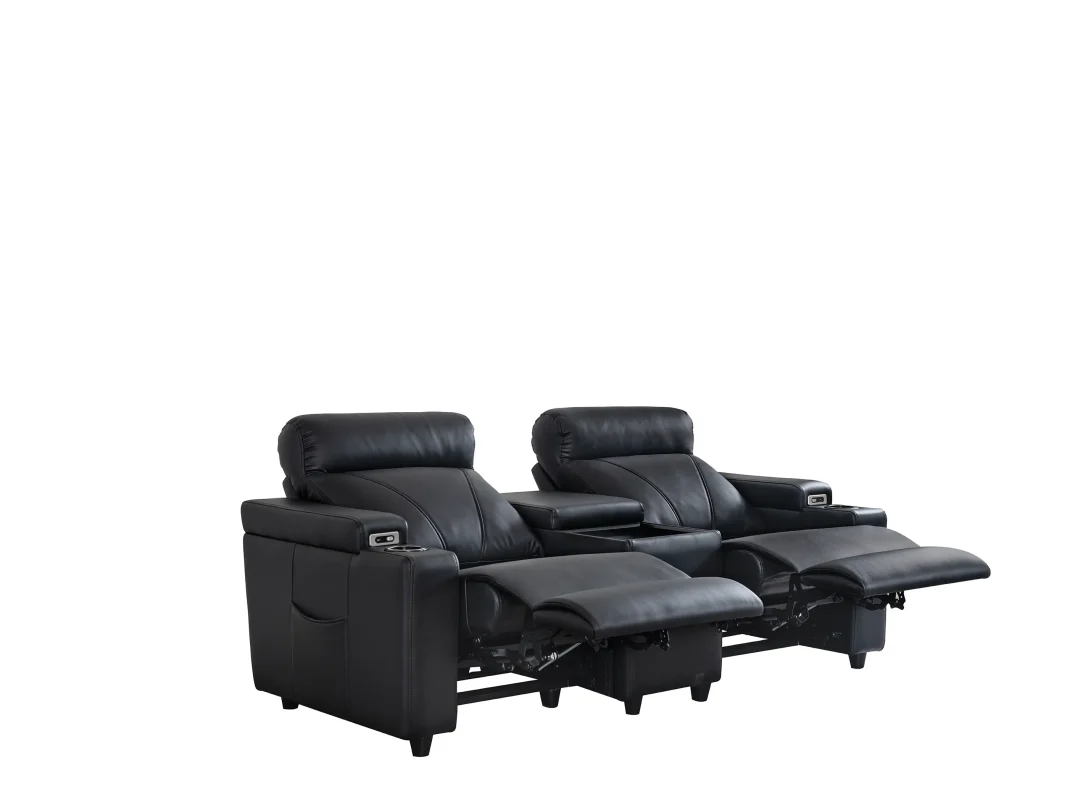
CHAIRIUM.com provides a central online destination where customers and professionals can explore VIP cinema chairs, recliner collections, product configurations, company information and catalogue resources.
Cinema operators, hotel groups, furniture dealers, architects, project developers and international business partners can use the website to identify relevant product categories and prepare their enquiries.
Whether the requirement concerns one venue, several locations or a developing international business relationship, the first step is to define the intended application and communicate the relevant project information.
CHAIRIUM provides a platform for exploring these possibilities and discussing potential seating solutions directly with the company.
Conclusion: Consistency Creates a Stronger Foundation for Multi-Location Seating Projects
Developing premium seating solutions across multiple locations requires more than selecting attractive furniture.
It involves product standards, configuration choices, material preferences, documentation, communication and coordination between different project participants.
A structured approach can help businesses maintain recognizable seating standards while responding to the individual requirements of each venue.
CHAIRIUM brings together VIP cinema chairs, recliner seating, different seating configurations and customized project possibilities for residential and commercial applications.
For companies planning new venues, expanding existing operations or developing international projects, CHAIRIUM.com offers a central starting point for discovering products and discussing potential cooperation.
CHAIRIUM — Premium Seating Solutions for Businesses, Projects and Distinctive Venues Across Different Markets.
Explore CHAIRIUM
Official Website: https://www.chairium.com/
Complete Product Collections: https://www.chairium.com/auditorium-chair-products
VIP Cinema and Auditorium Chairs: https://www.chairium.com/products/vip-cinema-chairs
Recliner Collections: https://www.chairium.com/products/tag/recliners
Online Product Catalogue and Datasheets: https://www.chairium.com/e-catalog
Company and Manufacturing Information: https://www.chairium.com/
Project Enquiries and International Contact: https://www.chairium.com/contact-chairium-auditorium-chairs-manufacturer
Explore the collections, define your seating standards and discuss your next project with CHAIRIUM.