







1. Different Venues Require Different Seating Concepts
A cinema, a theater and a multipurpose auditorium may all require comfortable seating, but their functions and audience expectations are not necessarily the same.
A cinema may focus on the viewing experience, while a performing arts venue may prioritize the relationship between the audience, the stage and the auditorium layout.
The choice of seating should therefore begin with the purpose of the venue.
CHAIRIUM presents VIP cinema recliners, auditorium seating and theater seating information for customers exploring different types of seating environments.
2. Understanding Traditional Theater Seating
Traditional theater chairs are generally considered for venues hosting stage performances, presentations and cultural events.
Their design may include upholstered seats, backrests and armrests, with different finishes and construction options depending on the project.
CHAIRIUM’s theater seating information discusses different design possibilities, including plastic, wooden and upholstered armrests.
The appropriate choice depends on the venue’s interior concept, project requirements and budget.
3. Understanding VIP Cinema Recliners
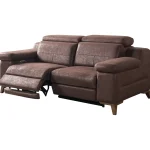
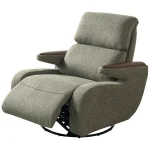
VIP cinema recliners offer a different seating concept from conventional theater chairs.
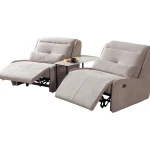
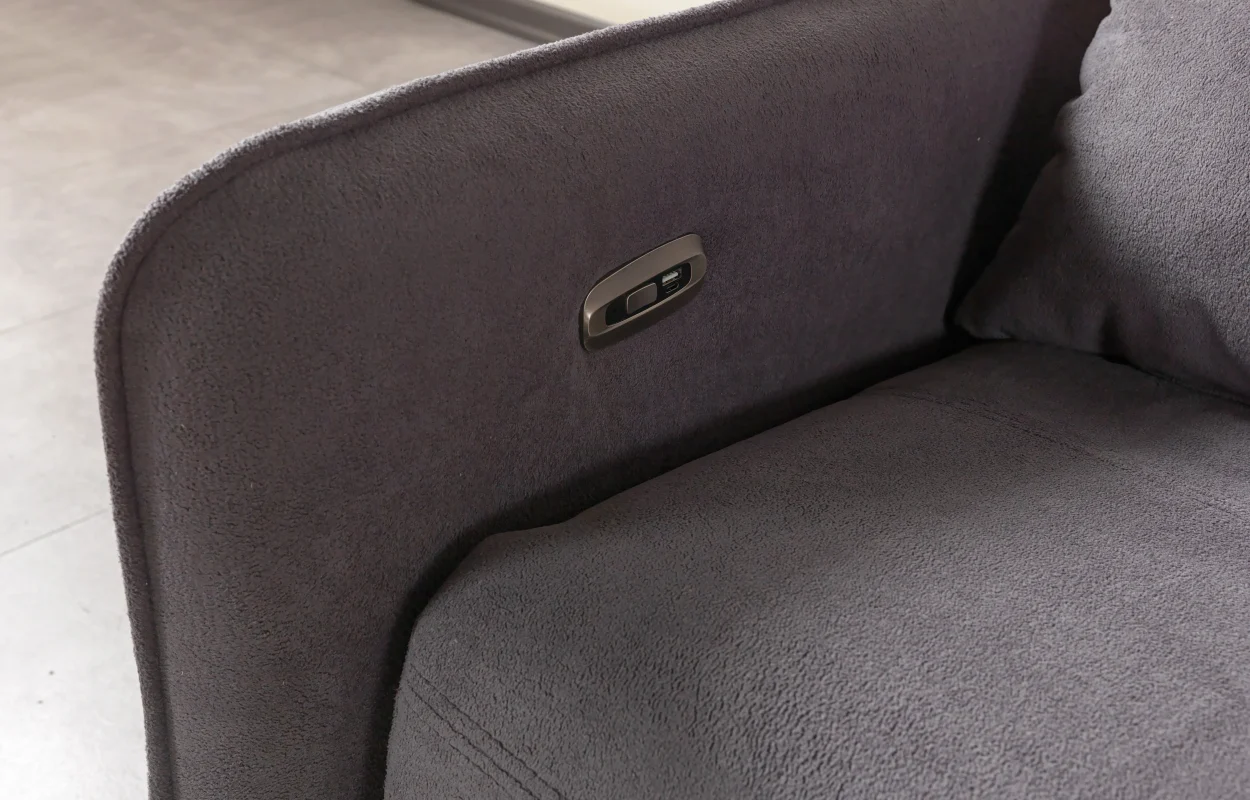
They are designed around reclining functionality and a more individualized seating experience. Depending on the model, they may include motorized adjustment and additional convenience features.
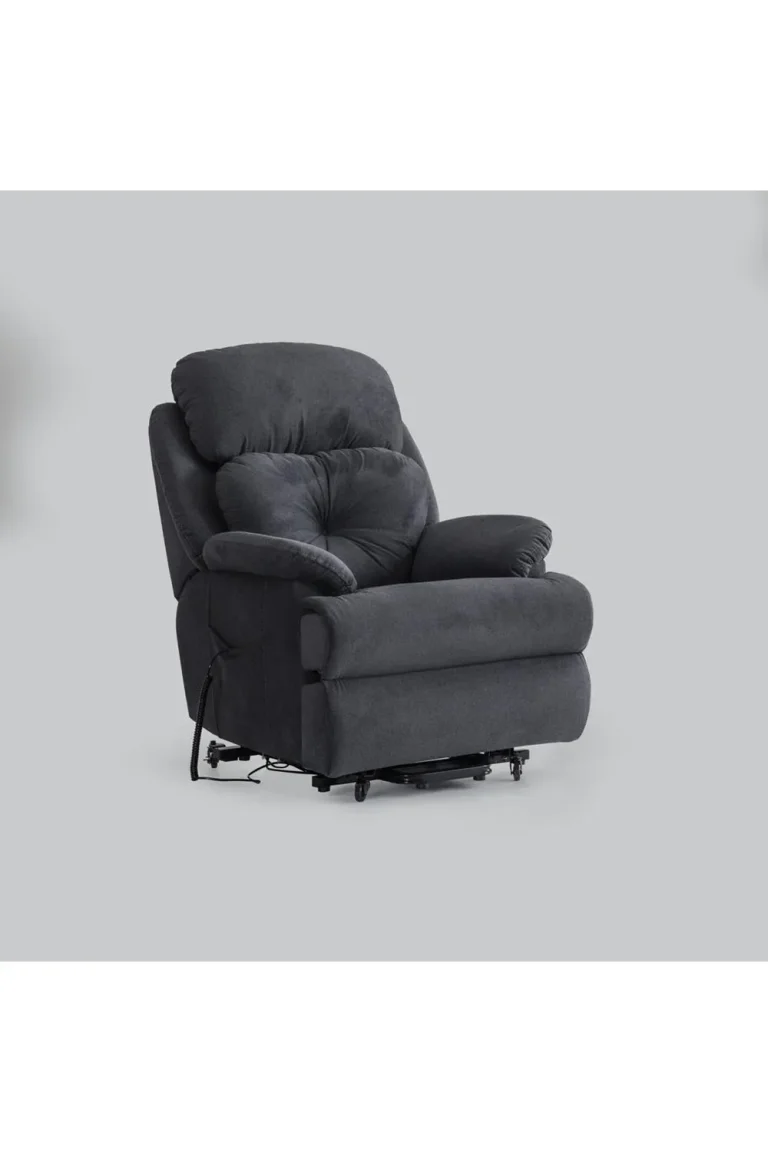
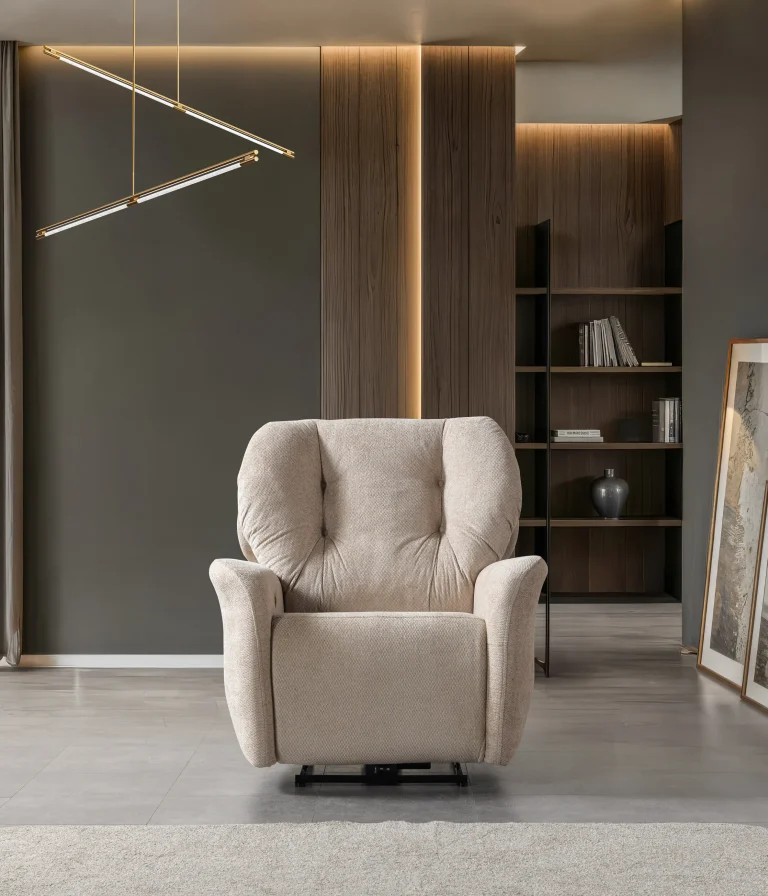
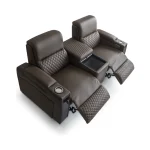
CHAIRIUM’s VIP auditorium collection includes models such as Mari VIP, Alis Double VIP, Anika VIP and Major VIP.
Each model should be evaluated according to its own specifications and intended application.
4. Comparing the Main Purpose of Each Seating Type
The most important difference between traditional theater seating and VIP recliners is the experience they are intended to support.
Traditional theater seating may be appropriate for venues where the audience primarily watches a stage performance or presentation.
VIP recliners may be considered for cinemas, private screening rooms and premium entertainment spaces where reclining comfort is part of the concept.
The decision should reflect the venue’s purpose rather than simply choosing the most visually impressive chair.
5. Considering Audience Expectations
The audience experience is an important part of seating selection.
The requirements of a theater audience attending a live performance may differ from those of cinema guests watching a feature film.
Project planners should consider:
- The expected duration of an event
- The type of performance or entertainment
- The desired level of individual seating comfort
- The expected audience profile
- The venue’s service concept
- The overall atmosphere of the interior
These considerations help define which seating category deserves closer evaluation.
6. Seat Design, Armrests and Upholstery
The visual character of a seating unit is influenced by its backrest, seat proportions, armrests and upholstery.
CHAIRIUM’s theater seating information describes different armrest approaches, including plastic, wooden and upholstered options.
Its recliner collection also presents different upholstery possibilities depending on the selected model.
When comparing seating concepts, customers should consider how the materials and finishes relate to the venue’s architecture, lighting, wall finishes and other interior elements.
7. Seating Dimensions and Auditorium Planning
The dimensions of a chair influence the way an auditorium can be organized.
Traditional theater chairs and VIP recliners may have different width and depth requirements. Reclining models also require additional clearance for their movement.
Before selecting a product, project teams should review:
- Overall chair width
- Seat width
- Product depth
- Backrest height
- Armrest dimensions
- Reclining clearance, where applicable
- The space required for access and circulation
The technical dimensions of the exact model should be used when preparing the seating plan.
8. Viewing Experience and Relationship with the Stage or Screen
The seating arrangement should support the main visual focus of the venue.
In a theater, the audience’s relationship with the stage is an important part of the room layout. In a cinema, the screen position and viewing direction influence where the seats should be placed.
The design team should consider the auditorium’s width, depth, floor levels and seating positions.
The final arrangement should be reviewed by the relevant project professionals to ensure that the seating works with the venue’s visual and architectural requirements.
9. Fixed Seating and Reclining Seating: Different Practical Considerations
Traditional theater seating and reclining chairs can involve different operational requirements.
A fixed theater chair does not require the same reclining clearance as a recliner. A motorized recliner, on the other hand, may require access to an electrical connection and sufficient space for its movement.
These differences should be considered during the early planning stage.
The right solution depends on the venue’s intended use, available floor area and preferred audience experience.
10. Selecting Seating for Multipurpose Auditoriums
Some auditoriums are designed for more than one type of event.
They may host presentations, conferences, screenings, cultural activities or private events.
In such environments, seating selection should reflect the main uses of the venue and the level of flexibility required.
Project teams can compare traditional theater chairs, VIP seating and selected recliner models to understand which category best fits the intended programme.
The final choice should be based on the actual project specification and available CHAIRIUM product options.
11. Choosing Between Standard and VIP Interior Concepts
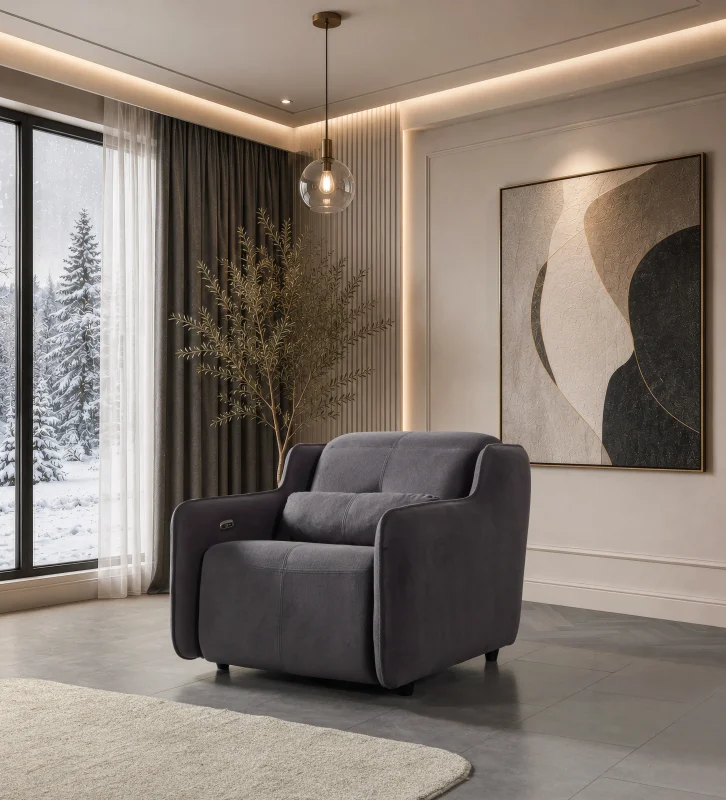
The seating design contributes to the identity of an auditorium.
A standard theater environment may prioritize a coordinated arrangement and a practical seating concept. A VIP cinema or premium screening room may place greater emphasis on individual comfort, reclining functions and additional features.
CHAIRIUM’s product collection provides different models that can be explored according to the desired interior concept.
Customers should compare the product’s appearance, dimensions, upholstery and functions before making a decision.
12. Product Examples from the CHAIRIUM Collection
CHAIRIUM’s online collection includes several VIP recliner examples that can be considered for different entertainment projects.
For example:
- Mari VIP: A VIP recliner model presented for cinema-related applications.
- Major VIP: A motorized VIP recliner with product-specific dimensions and features.
- Neva VIP: A recliner model described for movie theaters, VIP cinemas, VIP theaters, home theater rooms and luxury auditoriums.
- Kayya Double: A double-seat option within the wider collection.
These examples illustrate different product formats. Their suitability for a particular theater or auditorium should be confirmed with CHAIRIUM.
13. Matching the Seating to the Project Budget
A seating project should be evaluated according to its total requirements rather than the purchase price of an individual chair alone.
Different seating categories, materials, armrest designs, upholstery choices and optional functions can influence the project specification.
A practical comparison should include:
- The number of seats required
- The selected product category
- Product dimensions
- Upholstery and finish preferences
- Standard and optional features
- Installation and layout requirements
- Project schedule
- Manufacturer quotation
This helps project owners compare alternatives using consistent criteria.
14. Questions to Discuss with CHAIRIUM Before Choosing

Before deciding between traditional theater chairs and VIP recliners, buyers can prepare a project brief.
Useful questions include:
- Is the venue primarily a cinema, theater or multipurpose auditorium?
- Which seating categories are appropriate for the intended use?
- Which CHAIRIUM models should be considered?
- What are the dimensions of the selected products?
- Which upholstery and armrest options are available?
- Does the selected model have a reclining mechanism?
- Are electrical connections required?
- Which features are standard and which are optional?
- What information is needed to prepare a project quotation?
- Can CHAIRIUM review the project layout and seating requirements?
Discussing these points directly with the manufacturer can help clarify the available options.
15. CHAIRIUM: Exploring Seating Solutions for Different Audience Experiences
The right seating concept depends on the identity and purpose of the venue.
Traditional theater chairs and VIP cinema recliners represent different approaches to auditorium seating. Each has its own design considerations, spatial requirements and intended audience experience.
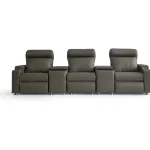
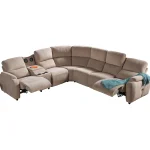
CHAIRIUM provides information about theater seating and a broad collection of VIP recliners, including single, double and selected multi-seat configurations.
For cinema operators, theater owners, architects, interior designers and project developers, exploring these categories can be a useful starting point for selecting an appropriate seating concept.
Visit https://www.chairium.com/ to discover the available collections, review product information and contact CHAIRIUM about your next cinema, theater or auditorium seating project.
CHAIRIUM – Premium Recliner Seating, VIP Cinema Chairs and Theater Seating Solutions for Different Entertainment Environments.