Introduction
A premium seating product is more than an attractive piece of furniture. It represents the coordination of design, engineering, materials, production knowledge, functional requirements and careful project planning. For residential customers, cinema operators, hospitality businesses, architects and commercial project developers, choosing a seating manufacturer means looking beyond the appearance of a chair. It means understanding the company behind the product and the capabilities that support the complete process.
CHAIRIUM brings together recliner seating, VIP cinema chairs and tailored seating solutions under a manufacturer identity connected with Bursa, Türkiye. Its official website presents a product portfolio for both private and public spaces, alongside factory capabilities, custom-made projects and international business relationships.
This article explores the manufacturing perspective behind CHAIRIUM and considers how factory experience, engineering knowledge, product variety and customer requirements contribute to the development of premium seating solutions.
1. The Manufacturer Behind the Seating Product
When selecting a recliner or cinema seating solution, customers naturally pay attention to the model, upholstery, dimensions, comfort and available functions. However, the manufacturer behind the product is equally important. A manufacturer brings together the people, production knowledge, equipment and organizational experience required to turn a product concept into a finished seating solution.
CHAIRIUM presents itself as a Turkish manufacturer of recliner and cinema seating products, serving different types of customers and projects. This manufacturer perspective is particularly relevant for buyers who are not simply looking for a single armchair, but are evaluating seating solutions for a private cinema, a hospitality environment, a VIP auditorium or a larger commercial installation.
Understanding the manufacturer helps customers ask more informed questions about product configurations, available materials, technical details, project requirements and the information needed before placing an order. It also creates a more complete perspective on the relationship between product design and production capability.
2. The Importance of CHAIRIUM’s Factory and Production Location
A factory is more than a physical production address. It represents the environment in which manufacturing knowledge, equipment, materials and practical experience come together. For customers considering a tailored seating project, knowing where a manufacturer operates can be a useful part of the evaluation process.
CHAIRIUM identifies its factory in İnegöl, Bursa, Türkiye. The company’s factory presentation introduces its manufacturing location and describes the role of experienced engineers in the production of custom-made furniture and recliner seating solutions.
İnegöl and Bursa are also recognised furniture-production locations in Türkiye. Within this context, CHAIRIUM’s factory identity forms part of the brand story: a company developing seating products and project solutions from a Turkish manufacturing base while communicating with customers in different markets.
For project buyers, the most useful next step is to discuss the intended application, selected models, dimensions, upholstery preferences and technical expectations directly with CHAIRIUM. This helps connect the factory’s general capabilities with the actual requirements of a particular order.
3. Engineering Experience as Part of Product Development
The appearance of a recliner is only one part of its design. A functional seating product also needs to consider its frame, movement system, dimensions, upholstery, support structure and the relationship between its different components.
Engineering experience can help bring these elements together. CHAIRIUM’s factory information highlights the contribution of experienced engineers to its manufacturing activities. This is relevant because different seating categories may require different technical considerations. A manual recliner, a motorized armchair, a VIP double seat and a multi-seat recliner sofa do not necessarily share the same construction or functional requirements.
For customers, engineering discussions can help clarify which product configuration is appropriate for the intended use. They can also help identify the information that needs to be confirmed before production, including the requested dimensions, mechanism type, upholstery selection and any model-specific options.
The objective is not simply to choose a visually appealing chair. It is to identify a product configuration whose design and functions correspond with the intended environment.
4. From Product Concept to a Defined Seating Requirement
Every seating project begins with a requirement. A homeowner may be looking for a comfortable recliner for a living room, while a cinema operator may need VIP seating for a commercial auditorium. An architect may be coordinating furniture with an interior concept, and a distributor may be reviewing several models for a particular market.
These different requirements should be translated into clear product information before a final selection is made. Important subjects may include the number of seats, single or double configurations, the preferred recliner mechanism, upholstery type, colour, available space and the functions required for the project.
CHAIRIUM’s product and project approach provides a starting point for these discussions. Customers can explore the available collections and then communicate their particular requirements to the company. This creates a more structured path from an initial idea to a product selection and quotation request.
A clearly defined requirement also makes it easier to identify which details are confirmed and which need further discussion with the manufacturer.
5. Materials, Upholstery and the Character of a Finished Product
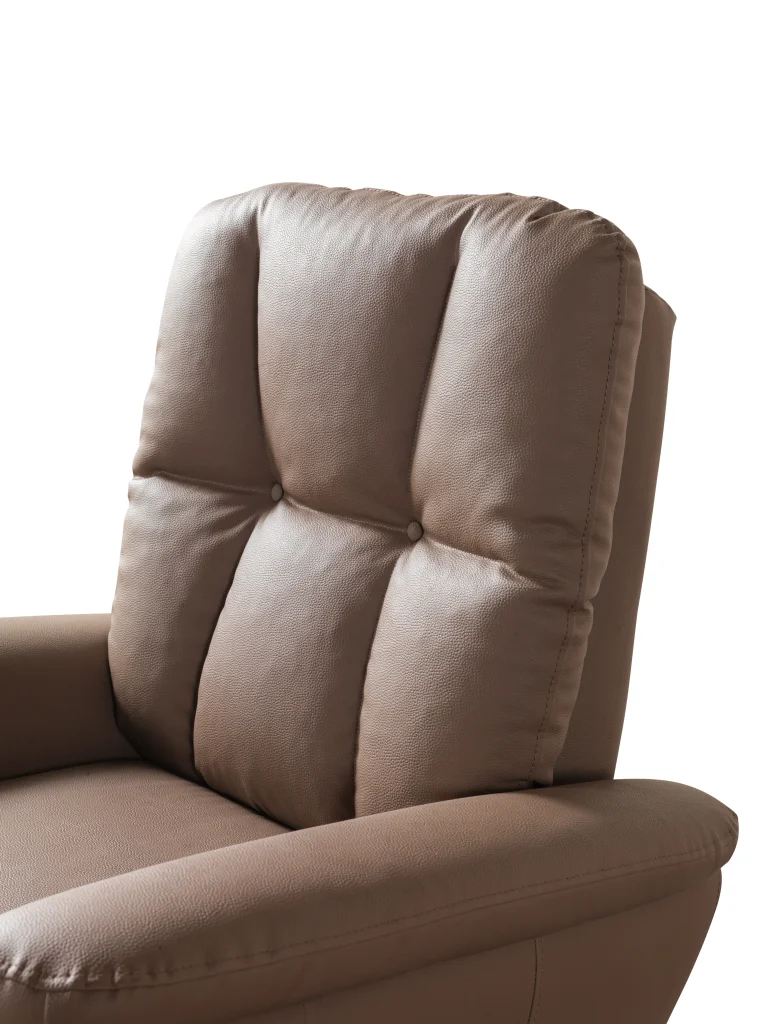
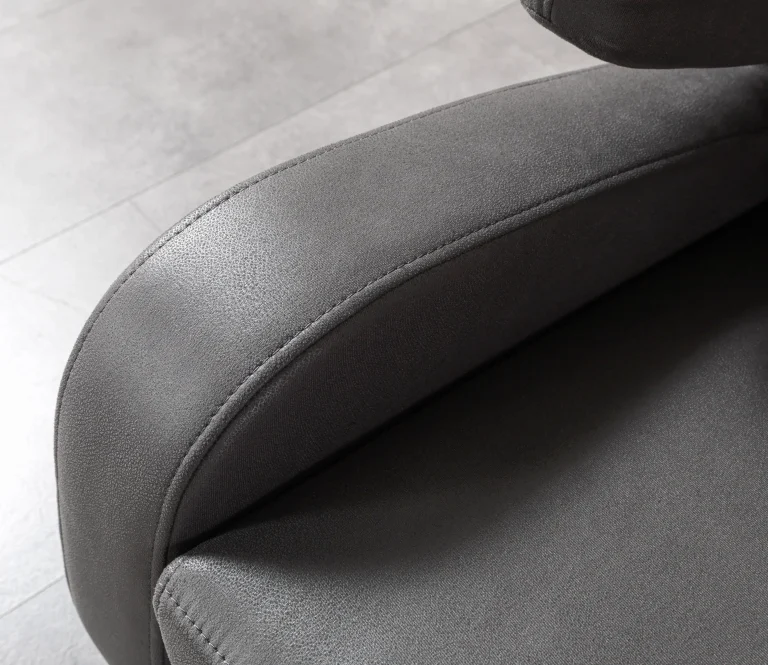
Upholstery has a major influence on the visual identity of a seating product. Fabric, artificial leather and genuine leather can create different appearances and tactile experiences. Colour selection, stitching and surface details can also affect how a chair relates to the wider interior.
CHAIRIUM presents upholstery choices across its product information, with the exact options depending on the selected model. Some product pages identify fabric and artificial leather as standard choices and genuine leather as an optional selection. Customers should therefore review the information for the specific model rather than assume that every material is available across the entire collection.
For a commercial project, upholstery decisions may also relate to the visual identity of the venue. For a residential environment, the priority may be coordination with existing furniture, wall colours and interior materials.
The most effective approach is to discuss the intended use, preferred appearance and available material choices with CHAIRIUM before confirming the order.
6. Product Variety and Different Manufacturing Requirements
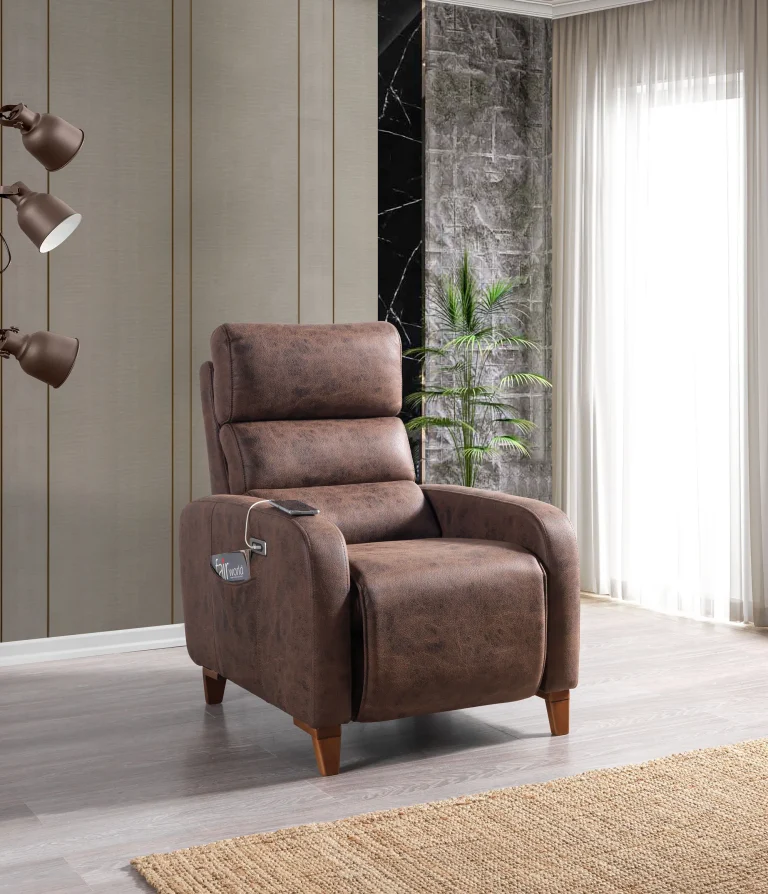
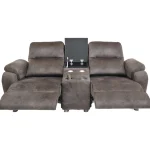
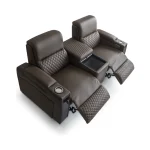
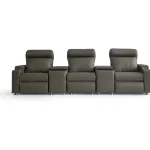
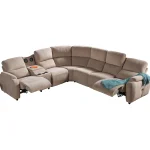
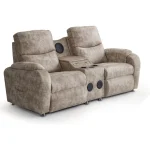
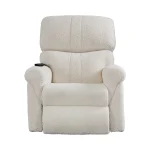
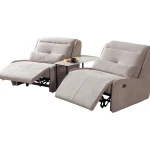
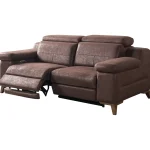
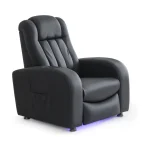
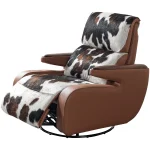
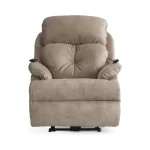
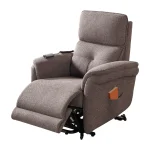
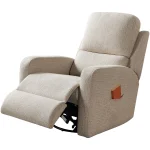
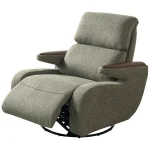
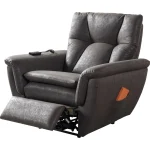
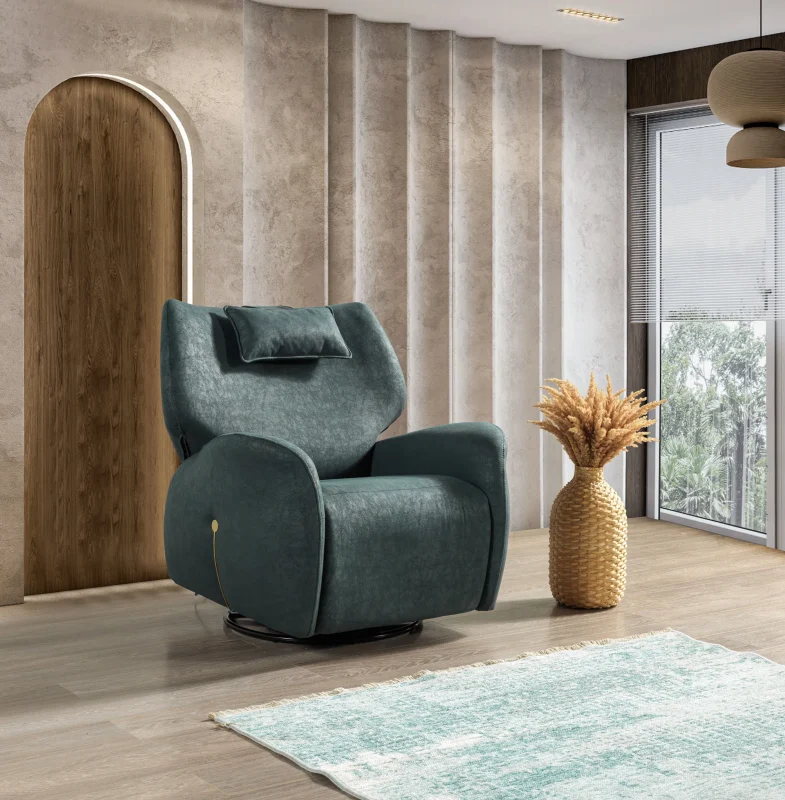
A broad seating collection allows customers to consider different product types for different environments. CHAIRIUM’s website presents single recliners, double recliners, triple recliner sofas, corner seating sets and VIP cinema seating options.
Each category answers a different type of requirement. A single recliner may be suitable for an individual relaxation area. A double recliner can support a shared seating arrangement. A triple sofa or corner set may be considered for a larger living space, while VIP cinema seating is intended for premium entertainment environments.
This variety also demonstrates why product selection should be connected with the intended application. The dimensions, mechanism, upholstery and configuration of one product should not automatically be assumed to apply to another.
By reviewing the relevant product pages and discussing the intended use, customers can narrow their selection to models that are more closely aligned with their project.
7. Manufacturing Flexibility and Made-to-Measure Projects
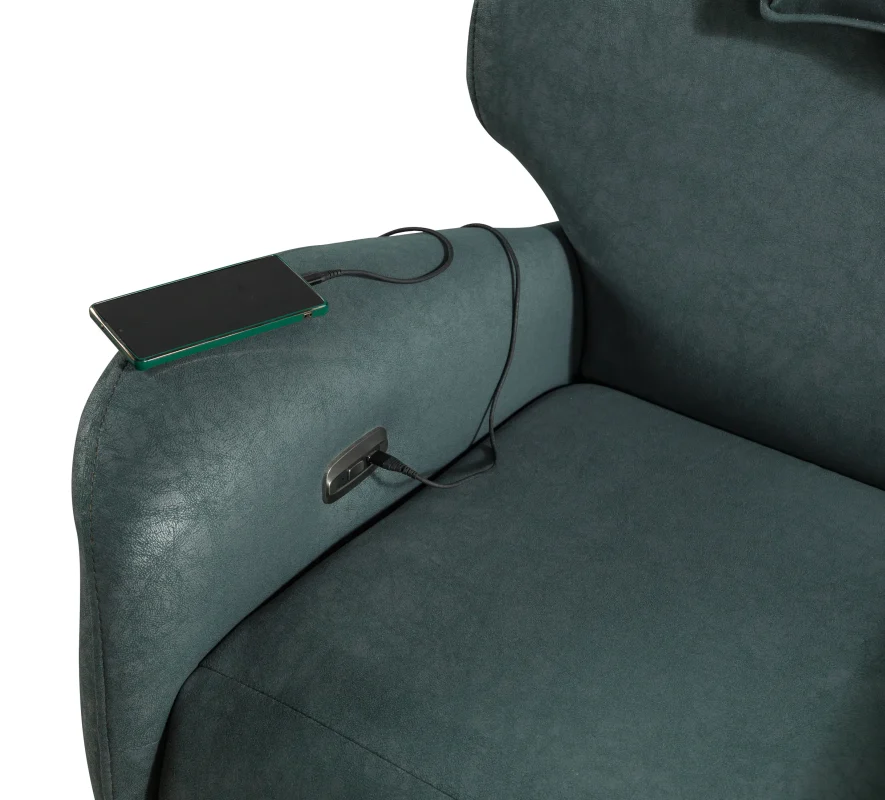
Not every seating requirement can be addressed by selecting a standard configuration without further discussion. Some projects involve specific dimensions, colour preferences, upholstery requirements or seating arrangements that need to be reviewed with the manufacturer.
CHAIRIUM highlights custom-made project and contract furniture as part of its brand presentation. Its website invites customers to choose fabrics, colours and shapes and to discuss project requirements with the company.
This approach can be particularly relevant to hotels, restaurants, private cinema rooms, VIP areas and other environments where furniture contributes to the identity of the space. A project may require a consistent appearance across multiple seats, a particular arrangement or a selection of finishes that complements the interior design.
The available level of customization should always be confirmed for the chosen model and project. By sharing drawings, measurements, reference images and a clear description of the intended environment, customers can help CHAIRIUM evaluate the request more effectively.
8. Production Coordination for Residential and Commercial Customers
Residential and commercial seating projects often have different priorities. A homeowner may focus on personal comfort, appearance and the dimensions of a particular room. A cinema operator may consider the seating layout, customer experience, number of seats and the operational requirements of the venue.
A manufacturer serving both types of customers needs to understand that the same product category can be used in different contexts. A recliner may be selected for a private living room, a home cinema, a VIP entertainment area or a commercial project, depending on its design and specifications.
CHAIRIUM’s product portfolio and project-oriented presentation address both private and public-space applications. This gives customers a starting point for discussing whether a particular model or configuration is suitable for their intended use.
Before an order is confirmed, the customer and manufacturer should clarify the selected products, quantities, dimensions, options, upholstery and delivery expectations. These details help establish a shared understanding of the project.
9. The Role of Product Information and Technical Documentation
Clear product information is an important part of the purchasing process. Customers need to understand what a model offers, which features are included, which options may be available and what dimensions should be considered.
CHAIRIUM provides product pages, technical information and an E-Catalog section through its official website. These resources can help customers compare models and prepare questions before contacting the company.
Technical documentation is particularly useful when a project involves architects, interior designers, contractors or purchasing teams. It can support early-stage evaluation and help the different parties discuss the same product details.
However, customers should always check the latest information for the exact model and version under consideration. Product features, dimensions, upholstery choices and optional equipment may vary between models. Any specification that is important to the project should be confirmed directly with CHAIRIUM before the order is finalised.
10. Factory Experience and International Project Communication
A manufacturer working with customers in different countries needs to communicate product information in a clear and practical way. International projects may involve different interior styles, purchasing procedures, market expectations, project sizes and delivery arrangements.
CHAIRIUM presents international partnerships and dealer relationships as part of its company profile. Its website refers to business relationships in several countries and describes its experience in supplying seating solutions to customers and project partners.
For international buyers, an effective initial enquiry should include the destination market, intended application, preferred models, estimated quantity and any relevant technical or design requirements. This information helps the manufacturer understand the scope of the request and identify the appropriate next steps.
For distributors and project partners, discussions may also cover product range, market requirements, documentation and the potential structure of a business relationship. The details should be evaluated individually rather than assumed to be identical for every country or partnership.
11. Why Manufacturing Knowledge Matters to the Customer
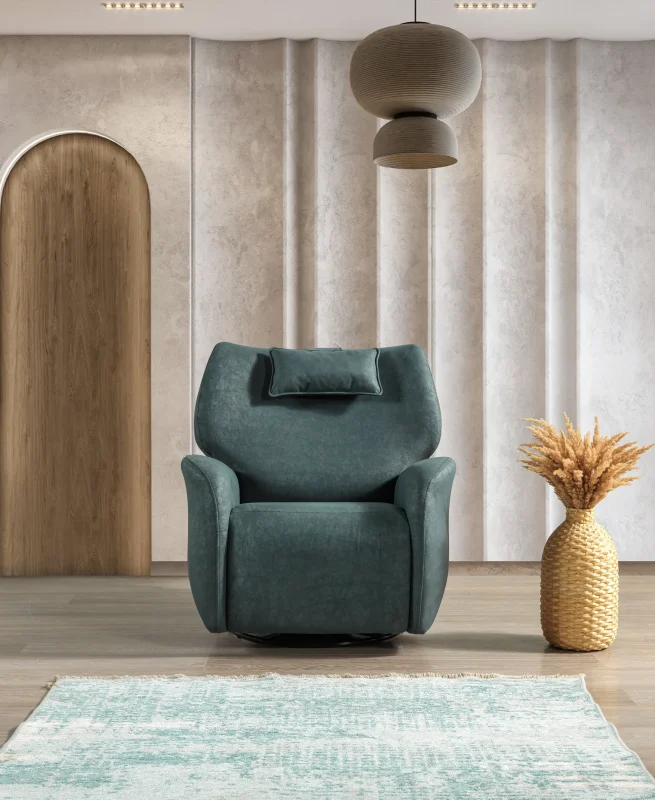
A seating product is part of a larger purchasing decision. Customers want to understand not only how a chair looks, but also how its design, materials, functions and dimensions relate to their needs.
Manufacturing knowledge matters because it gives customers a more informed basis for evaluating those details. It can help them distinguish between product categories, understand why specifications vary and identify which questions should be answered before an order is placed.
For example, a customer comparing two recliners may need to check the mechanism, dimensions, upholstery and included features. A commercial buyer may need to evaluate the proposed seating configuration and confirm whether it is appropriate for the project. An architect may need technical documentation to coordinate the furniture with the wider interior plan.
CHAIRIUM’s factory, product and project information provides a basis for these discussions. The final decision should be made using the current specifications and a direct review of the project requirements.
12. CHAIRIUM: Connecting Factory Capabilities with Future Seating Projects
The value of a seating manufacturer is reflected in the relationship between its products, production experience, technical knowledge and ability to understand customer requirements. A factory provides the manufacturing environment; engineering experience supports product development; product collections give customers a range of possibilities; and project communication helps connect those possibilities with real applications.
CHAIRIUM brings these elements together through its recliner seating, VIP cinema chairs, product collections, factory presentation and custom-made project approach. Its website gives residential customers, cinema operators, hospitality businesses, architects, distributors and other project buyers a place to explore the brand and begin a product enquiry.
For anyone planning a new seating project, the process can begin by identifying the intended environment, reviewing the available CHAIRIUM models and preparing the relevant dimensions, quantities, material preferences and functional requirements. The company can then be contacted to discuss the suitability of the selected products and the details of the project.
CHAIRIUM – From Manufacturing Experience to Premium Seating Solutions.
Explore the official website: https://www.chairium.com/
Explore product collections: https://www.chairium.com/auditorium-chair-products
Discover the factory: https://www.chairium.com/auditorium-chair-factory-in-turkey
View the E-Catalog: https://www.chairium.com/e-catalog
Contact CHAIRIUM: https://www.chairium.com/contact-chairium-auditorium-chairs-manufacturer