
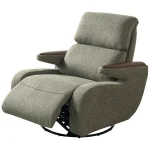
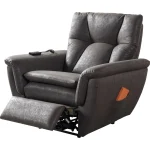
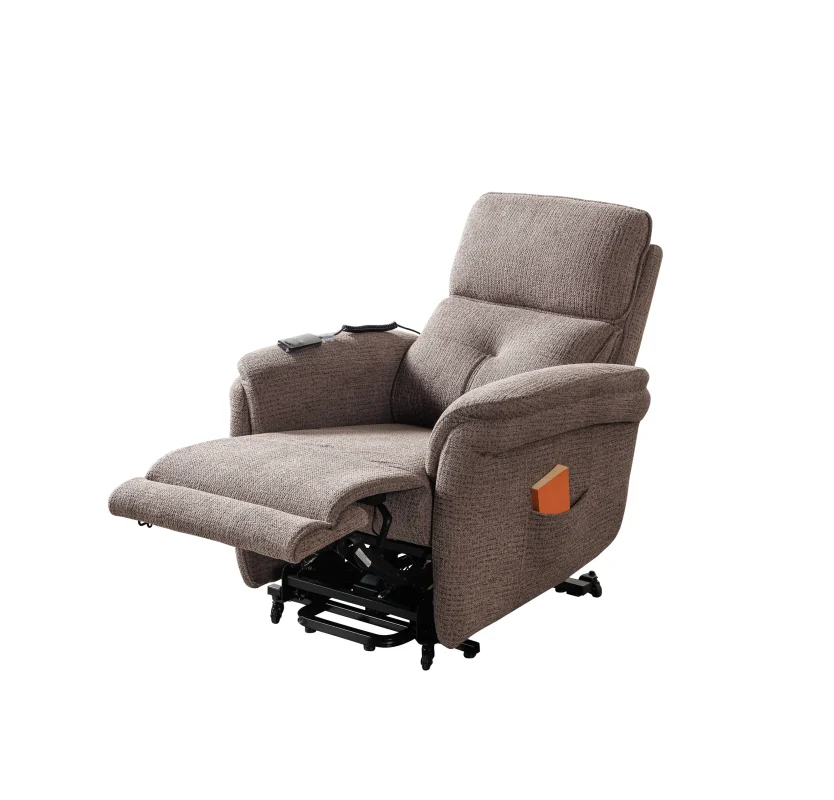
Introduction
The premium seating market includes different customer groups, purchasing expectations and project requirements. Some customers are looking for a single recliner for their living room. Others want a complete home cinema arrangement, while commercial buyers may be searching for VIP cinema chairs or larger seating configurations.
For furniture retailers, showroom owners, distributors and project suppliers, offering premium recliners is therefore not simply a matter of displaying individual products. It involves building a product portfolio that helps customers understand the available choices and identify solutions that suit their spaces.
A well-organised portfolio can make product discovery easier, support more productive customer conversations and create opportunities to serve both residential and commercial projects.
CHAIRIUM offers recliner seating, VIP cinema chairs and different seating formats for private residences and public or commercial environments. Its product collections and E-Catalog provide useful starting points for businesses evaluating premium seating products.
This article explores how furniture professionals can build, present and develop a premium recliner portfolio by using CHAIRIUM’s product range and official resources.
Contents
- Understanding the Purpose of a Premium Recliner Portfolio
- Identifying the Customers a Showroom Wants to Serve
- Separating Residential and Commercial Seating Requirements
- Organising Products by Seating Format
- Creating a Balanced Single-Recliner Selection
- Presenting Double Recliners as a Separate Category
- Including Triple Recliners and Larger Seating Sets
- Understanding the Role of VIP Cinema Chairs
- Choosing Products for Physical Showroom Displays
- Making Product Comparisons Easier for Customers
- Using Product Datasheets as Sales Resources
- Presenting Upholstery, Colours and Optional Features
- Helping Customers Move from Interest to a Clear Requirement
- Preparing for Residential and Commercial Enquiries
- Developing a Product Portfolio Without Creating Confusion
- Working with Suppliers and Manufacturer Resources
- Exploring CHAIRIUM as a Premium Seating Partner
- Building a Portfolio That Can Grow with the Business
1. Understanding the Purpose of a Premium Recliner Portfolio
A product portfolio is more than a list of products. It is a structured selection that helps customers understand what a business can offer.
For a furniture retailer, a premium recliner portfolio may include individual chairs, double recliners, larger sofa configurations and VIP cinema seating.
The purpose is to make the selection process clear.
A customer entering a showroom should be able to understand the difference between the main product categories without needing to study every model individually.
A well-organised portfolio can help a business:
- Present a clear range of seating solutions.
- Serve different customer preferences.
- Support residential and commercial enquiries.
- Compare products more efficiently.
- Introduce customers to additional seating categories.
- Develop a recognisable premium furniture offering.
The portfolio should be designed around the customers the business intends to serve rather than simply including as many products as possible.
2. Identifying the Customers a Showroom Wants to Serve
Before selecting products, a business should understand its intended customer groups.
A furniture showroom may primarily serve homeowners, while another may focus on interior designers, architects, hotels or commercial buyers.
A distributor may want to supply independent furniture retailers. A project supplier may concentrate on cinema operators and entertainment venues.
Each group approaches seating from a different perspective.
For example:
- Homeowners may focus on room dimensions, appearance and everyday use.
- Interior designers may evaluate colours, upholstery and design compatibility.
- Cinema operators may consider seating configuration, capacity and operating requirements.
- Furniture retailers may focus on product variety and customer demand.
- Project suppliers may need technical information and organised quotations.
Understanding these groups helps businesses select products and prepare more relevant product information.
3. Separating Residential and Commercial Seating Requirements
Residential and commercial customers may be interested in similar recliner models, but their purchasing decisions are not always based on the same criteria.
A homeowner may want one or two chairs for a private entertainment room. A commercial buyer may need a coordinated seating arrangement for a cinema, hospitality venue or entertainment project.
A showroom can make the selection easier by separating its portfolio into practical application categories.
For example:
Residential seating
- Living room recliners.
- Home cinema chairs.
- Double recliners.
- Recliner sofa sets.
- Selected lift recliners.
Commercial and project seating
- VIP cinema chairs.
- Auditorium seating.
- Multi-seat recliner arrangements.
- Project-oriented seating configurations.
- Selected contract furniture solutions.
This organisation helps customers begin their search from the environment they want to furnish.
4. Organising Products by Seating Format
One of the simplest ways to organise a recliner portfolio is by the number of seating positions and the overall product format.
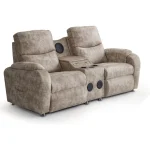
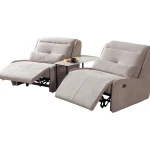
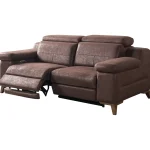
CHAIRIUM’s product collection includes single, double and triple recliners, as well as corner and sofa-set configurations.
A showroom can use these categories as its main product navigation structure.
For example:
- Single recliners for individual seating.
- Double recliners for shared seating.
- Triple recliners for larger shared arrangements.
- Corner sets for selected room layouts.
- VIP cinema chairs for dedicated entertainment environments.
This structure makes it easier for customers to compare products within the same general category.
It also gives sales teams a practical starting point when a customer does not yet know the name of a particular model.
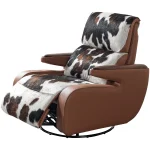
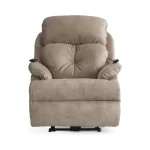
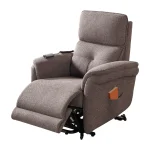
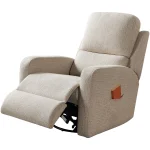
5. Creating a Balanced Single-Recliner Selection
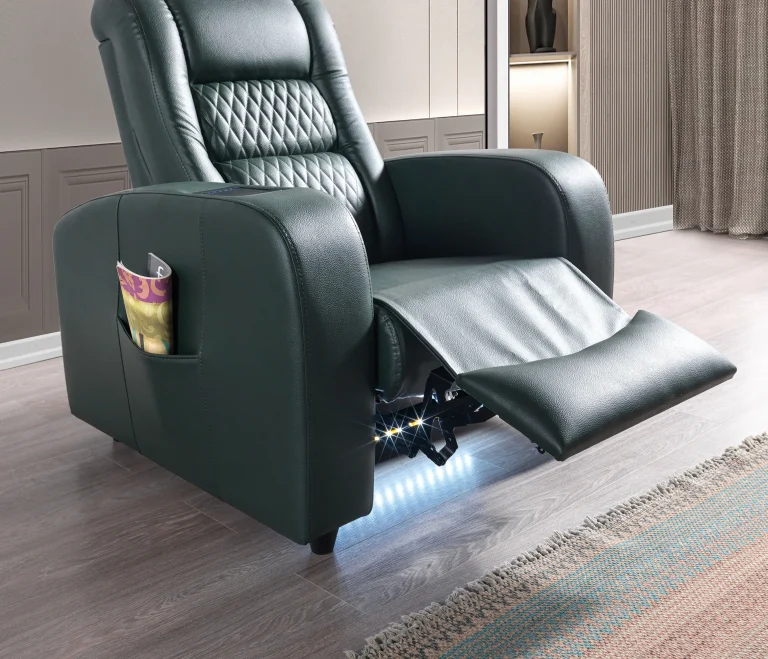
Single recliners are a useful category for businesses serving residential customers and selected commercial applications.
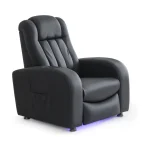
They can be considered for living rooms, home cinemas, private entertainment rooms and individual VIP seating areas.
A balanced showroom selection may include different designs and operating mechanisms rather than several products that look and function almost identically.
When comparing individual recliners, a retailer can review:
- Overall dimensions.
- Seat proportions.
- Manual or motorized operation.
- Upholstery options.
- Available reclining positions.
- Optional features.
- Intended application.
CHAIRIUM’s collection includes different single-seat models, allowing businesses to explore several design and configuration possibilities.
The final portfolio should reflect the business’s customer profile and available display space.
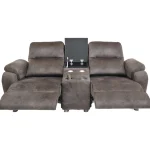
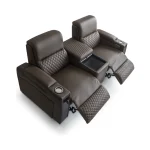
6. Presenting Double Recliners as a Separate Category
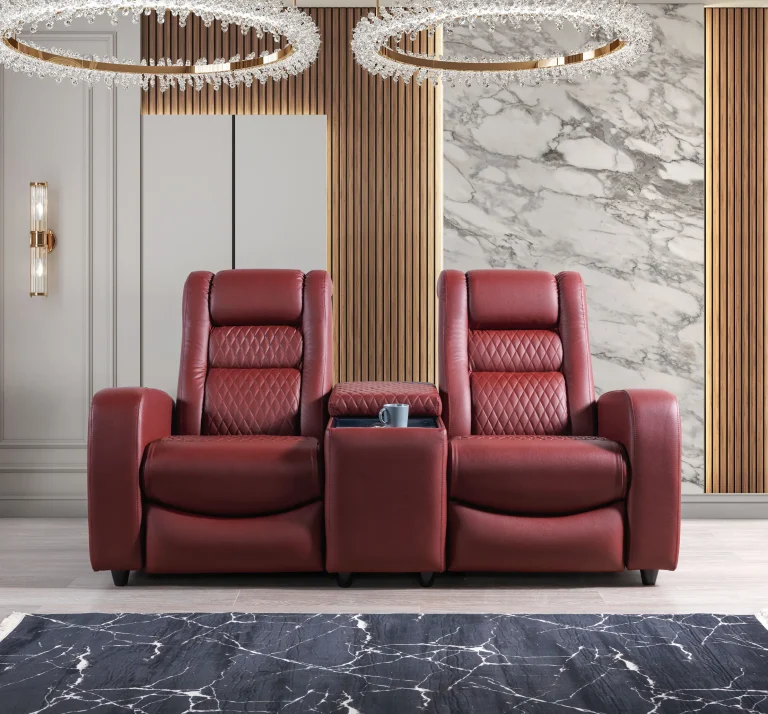
Double recliners can appeal to customers who prefer a shared seating arrangement.
They may be relevant for couples, families and private cinema environments.
For a showroom, presenting double recliners separately from single chairs helps customers understand the differences in size, configuration and intended use.
The business can also explain that double recliners may have different arrangements depending on the model.
For example, some products may feature a central module or alternative armrest configurations. Other details, such as reclining functions and optional features, should be checked against the relevant model specifications.
CHAIRIUM’s double recliner collection provides examples that retailers and project suppliers can explore when developing this category.
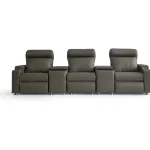
7. Including Triple Recliners and Larger Seating Sets
A premium seating portfolio does not need to be limited to individual chairs and two-seat products.
Some customers are looking for a larger seating solution for family entertainment or shared viewing environments.
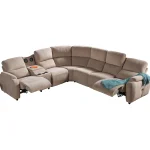
Triple recliners and corner seating sets can help businesses address these requirements.
However, larger products require more careful presentation.
Customers should be able to understand:
- Overall dimensions.
- Number of seating positions.
- Available reclining functions.
- Space required for operation.
- Delivery and access considerations.
- Configuration possibilities.
CHAIRIUM’s product collection includes triple recliners and selected corner or sofa-set formats.
A retailer can use these products to demonstrate that premium seating can be considered in different room arrangements.
8. Understanding the Role of VIP Cinema Chairs
VIP cinema chairs form a distinct category within the premium seating market.
They are relevant to cinema operators, private cinema owners, entertainment businesses and project professionals.
A business selling VIP cinema seating may need to present more than the visual appearance of a chair. Customers may also want to understand the seating arrangement, reclining mechanism, dimensions, upholstery and available options.
For commercial projects, the discussion may include the number of seats, room configuration and intended customer experience.
CHAIRIUM’s VIP cinema seating collection gives retailers and project suppliers a dedicated category to explore.
A clear distinction between residential recliners and VIP cinema seating can help customers identify the products that are most relevant to their projects.
9. Choosing Products for Physical Showroom Displays
A showroom does not necessarily need to display every available product.
The objective should be to create a representative selection that demonstrates the main differences within the portfolio.
A practical display may include:
- One individual recliner.
- One double recliner.
- One larger seating configuration.
- One VIP cinema seating example.
- A selection of upholstery or colour references, where available.
The final selection depends on the showroom’s dimensions, target customers and commercial strategy.
A carefully selected display can be more useful than a crowded space where customers struggle to compare products.
When a model is not physically displayed, the business can use official product photographs, videos and product datasheets to introduce it.
10. Making Product Comparisons Easier for Customers
Customers often compare products using several criteria at the same time.
A showroom can make this process easier by using a consistent comparison structure.
For example, a comparison sheet may include:
| Comparison point | What to review |
|---|---|
| Product format | Single, double, triple or set |
| Dimensions | Width, depth and height |
| Mechanism | Manual or motorized |
| Upholstery | Available material and colour options |
| Features | Standard and optional functions |
| Application | Residential or commercial |
| Configuration | Available product arrangements |
The information should be based on the exact product version.
A retailer should avoid presenting one model’s specifications as if they applied to every product in the same series.
Accurate comparisons help customers understand their options and make more informed decisions.
11. Using Product Datasheets as Sales Resources
Product datasheets are particularly useful when a customer needs more detailed information than a showroom display can provide.
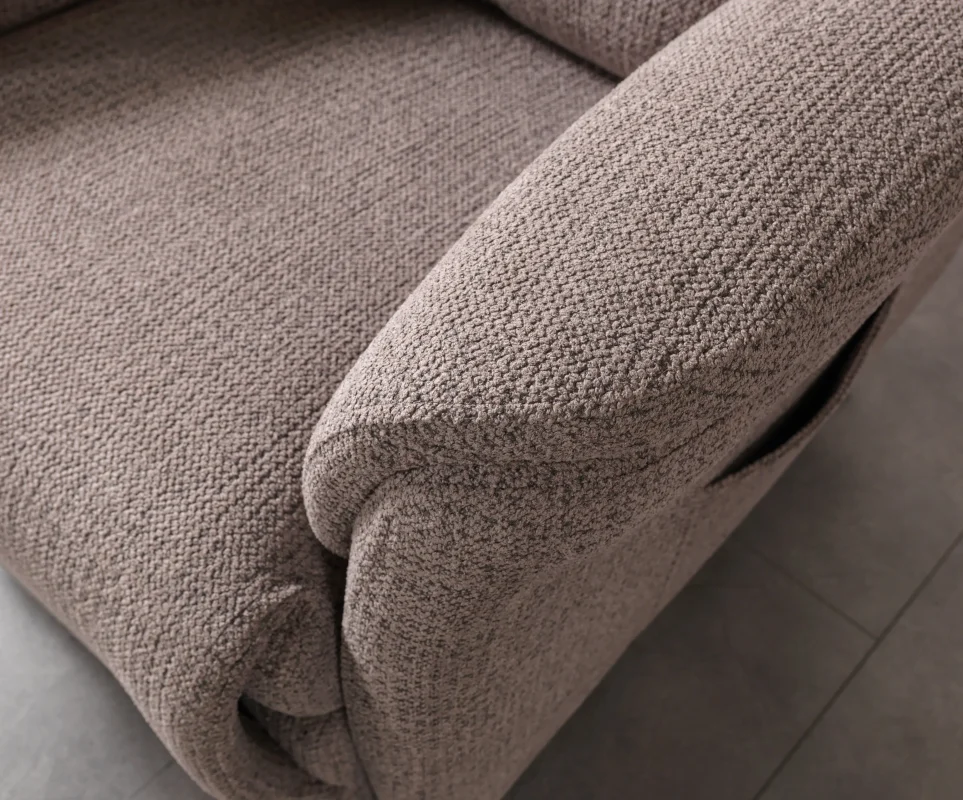
A datasheet can help a buyer review dimensions, available versions, upholstery options and selected features.
It can also support communication between retailers, designers, procurement teams and project managers.
CHAIRIUM provides an online E-Catalog with downloadable series datasheets.
The catalogue can be useful for:
- Reviewing product series.
- Comparing available versions.
- Checking dimensions.
- Exploring available options.
- Reviewing colours and upholstery information.
- Finding links to relevant product pages.
Businesses should use the current datasheet for the specific product version under consideration.
Official catalogue:
https://www.chairium.com/e-catalog
12. Presenting Upholstery, Colours and Optional Features
The appearance of a recliner can influence how customers imagine it within their homes or commercial interiors.
Upholstery and colour choices may therefore become important parts of the showroom conversation.
However, businesses should distinguish between available standard options and features that require a separate configuration or confirmation.
A useful presentation may include:
- Upholstery categories.
- Available colours.
- Product-specific material choices.
- Selected optional features.
- Differences between model versions.
- Any configuration restrictions.
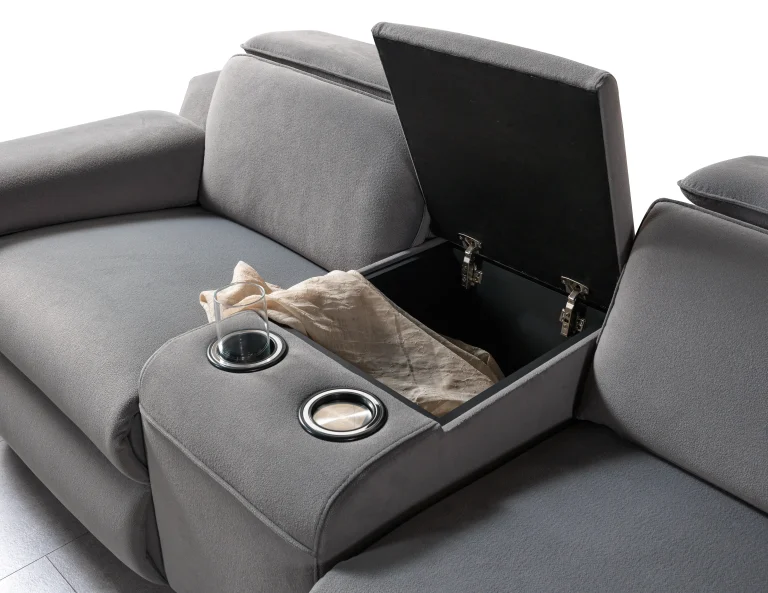
Some CHAIRIUM models may offer additional features such as USB connections, cup holders, lighting or other options. Availability varies by model.
Retailers should confirm the current options with CHAIRIUM before making a specific commitment to a customer.
13. Helping Customers Move from Interest to a Clear Requirement
A customer may enter a showroom with a general idea rather than a fully defined product requirement.
They may say that they want a comfortable chair, a home cinema arrangement or a premium seating solution for a new venue.
The sales conversation should help translate that general interest into practical information.
Useful questions include:
- Where will the seating be installed?
- How many people will use it?
- Is an individual or shared arrangement preferred?
- What are the approximate room dimensions?
- Is manual or motorized reclining preferred?
- Are there particular upholstery or colour requirements?
- Is the purchase for a private space or a commercial project?
The answers help narrow the selection without overwhelming the customer with unnecessary technical detail.
14. Preparing for Residential and Commercial Enquiries
A business should be ready to handle different types of enquiries.
A residential enquiry may involve a small number of seats, while a commercial project may require a larger quantity and more detailed product information.
A simple enquiry record can include:
For residential customers
- Preferred product format.
- Room dimensions.
- Intended use.
- Preferred upholstery and colour.
- Desired features.
For commercial and project customers
- Project location.
- Type of venue.
- Estimated quantity.
- Seating arrangement.
- Technical requirements.
- Project schedule.
- Relevant drawings or reference photographs.
This information helps the business prepare a more focused response and communicate the project requirements to the relevant supplier.
15. Developing a Product Portfolio Without Creating Confusion
A large product selection can be valuable, but too many similar options may make purchasing decisions difficult.
A portfolio should be organised so that customers can understand the differences between categories and products.
A business can consider three levels of presentation:
Core selection: A limited group of products that represents the main customer requirements.
Extended selection: Additional models for customers with more specific preferences.
Project selection: Products and configurations that are evaluated according to individual commercial requirements.
This structure allows the business to offer variety while maintaining a clear sales process.
It also helps showroom teams learn the product range more effectively.
16. Working with Suppliers and Manufacturer Resources
A retailer’s ability to present premium seating depends partly on the quality of its product information and supplier communication.
Working with a manufacturer can help businesses obtain more accurate details about available products, configurations and project requirements.
Before presenting a product to a customer, a retailer should confirm:
- The current model and version.
- Available configurations.
- Product dimensions.
- Standard and optional features.
- Upholstery choices.
- Production and delivery information.
- Relevant technical documentation.
Businesses should not assume that every configuration or option is available for every model.
Clear communication with the manufacturer helps reduce misunderstandings and supports more reliable customer information.
17. Exploring CHAIRIUM as a Premium Seating Partner
CHAIRIUM presents seating solutions for residential and commercial environments, including recliners, VIP cinema chairs and project-oriented furniture.
Its website provides several resources that furniture retailers, showroom owners, distributors and project suppliers can use when evaluating the collection.
Useful official resources include:
- Main website: https://www.chairium.com/
- Product collection: https://www.chairium.com/auditorium-chair-products
- VIP cinema chairs: https://www.chairium.com/products/vip-cinema-chairs
- E-Catalog: https://www.chairium.com/e-catalog
- Videos: https://www.chairium.com/videos
- Company information: https://www.chairium.com/auditorium-chair-cinema-chair-manufacturer-company
- Factory: https://www.chairium.com/auditorium-chair-factory-in-turkey
- Contact: https://www.chairium.com/contact
Businesses interested in cooperation can use these resources to become familiar with the product range and prepare a more specific enquiry.
When contacting CHAIRIUM, it is useful to explain the business model, intended market, product categories of interest and expected cooperation requirements.
18. Building a Portfolio That Can Grow with the Business
A premium recliner portfolio should be able to develop as customer needs and business opportunities change.
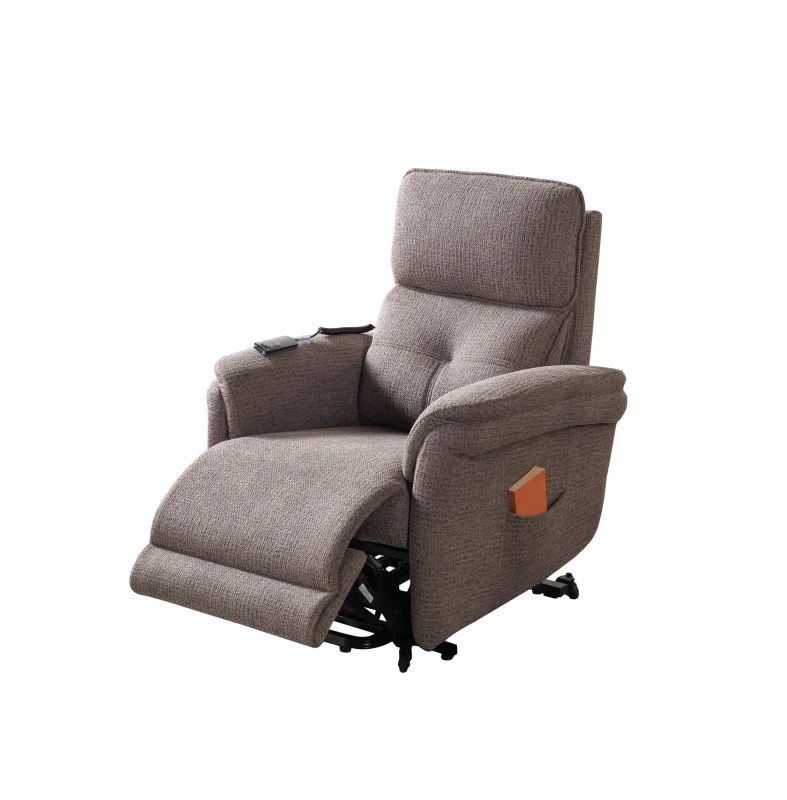
A retailer may begin with a small residential selection and later introduce VIP cinema seating. A showroom may add double recliners after receiving repeated customer enquiries. A project supplier may expand into larger seating configurations as new opportunities arise.
The portfolio should therefore be reviewed periodically.
A practical development process can include:
- Review the products currently offered.
- Identify the customer groups being served.
- Evaluate which product categories receive the most enquiries.
- Identify gaps in the current selection.
- Review available products and versions.
- Update product information and datasheets.
- Improve showroom presentation.
- Collect feedback from customers and sales teams.
- Discuss new requirements with suppliers.
- Introduce additional products when there is a clear business reason.
This approach helps businesses develop their product offering without making unnecessary changes.
CHAIRIUM’s range of recliners, VIP cinema chairs and different seating formats provides a starting point for businesses evaluating a premium seating portfolio.
Conclusion: A Strong Portfolio Begins with Clear Product Choices
Building a premium recliner portfolio is about more than selecting attractive furniture.
It requires an understanding of customers, product categories, seating formats, technical information and the commercial purpose of the showroom or project.
Furniture retailers, distributors and project suppliers can create a more useful customer experience by presenting products in a clear structure and providing accurate information about each model.
CHAIRIUM offers a range of seating solutions that can be explored by businesses looking to develop their residential or commercial furniture offering.
Whether the objective is to introduce individual recliners, expand into double and triple seating, present VIP cinema chairs or evaluate project-oriented solutions, the first step is to understand the target market and select products accordingly.
Explore CHAIRIUM’s seating collections and discuss potential cooperation: