Introduction
A seating environment is rarely designed for just one type of person. A family living room, a private home cinema, a VIP auditorium or a commercial entertainment venue may serve people with different preferences, habits and expectations.
Some users prefer an individual recliner that gives them their own space. Others enjoy sitting together on a double recliner or a larger sofa configuration. In certain environments, a lift recliner may also be worth considering as part of a more accessible and convenient seating arrangement.
For this reason, choosing seating should involve more than selecting a particular appearance or product category. It requires an understanding of who will use the space, how the seating will be used and which product configuration is appropriate.
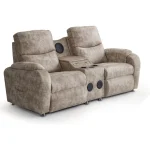
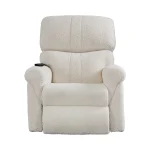
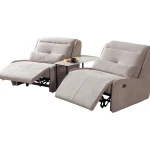
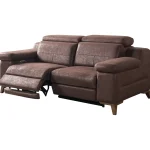
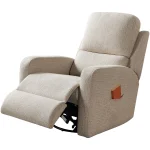
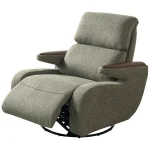
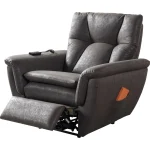
CHAIRIUM offers different recliner and cinema seating formats for residential and commercial applications. Its collections include single, double and triple recliners, selected multi-seat arrangements and lift recliner models.
This article examines how different user groups and seating preferences can be considered when developing a seating environment with CHAIRIUM.
Contents
- Start with the People Who Will Use the Space
- Understand Individual Seating Preferences
- When a Single Recliner Is the Right Choice
- The Appeal of Shared Double Recliners
- Considering Triple Recliners for Larger Environments
- Creating Flexible Seating with Sofa and Corner Configurations
- Understanding Lift Recliners
- Distinguishing Manual and Motorized Reclining
- Considering Different Generations of Users
- Planning Seating for Families and Shared Living Areas
- Understanding the Needs of VIP Cinema Customers
- Selecting Features According to User Expectations
- Balancing Personal Space and Shared Experience
- Considering Room Access and Everyday Movement
- Avoiding Assumptions About Comfort and Accessibility
- Matching Seating Formats to Commercial Applications
- Exploring Different User-Oriented Options at CHAIRIUM
- Building a Seating Plan Around Real Requirements
1. Start with the People Who Will Use the Space
Every seating project begins with a space, but it should also begin with the people who will use it.
A private cinema may be designed for a family and occasional guests. A hotel lounge may serve visitors throughout the day. A VIP cinema area may welcome couples, individual customers and groups.
These different situations create different requirements.
Before selecting products, project owners should consider:
- Who will use the seating most frequently?
- Will people sit individually or together?
- How long will the seating typically be occupied?
- Are different reclining preferences expected?
- Will the space serve several age groups?
- Is the environment private, commercial or shared?
These questions help establish a practical direction before comparing specific recliner models.
2. Understand Individual Seating Preferences
People do not necessarily share the same preferences when sitting in the same room.
One person may prefer a fully independent recliner. Another may want to sit beside a family member or partner. Someone else may prefer a more traditional upright position rather than reclining.
A well-considered seating environment allows different preferences to be evaluated without losing the overall design concept.
In a home cinema, this could mean combining individual seating with a shared recliner arrangement. In a commercial venue, it may involve offering different seating categories in separate areas.
The objective is not to provide every possible configuration. It is to understand which options are relevant to the intended users.
3. When a Single Recliner Is the Right Choice
A single recliner gives one person a clearly defined seating space.
This format can be suitable for private cinemas, living rooms, reading areas and selected commercial environments where individual seating is preferred.
A single recliner may also make it easier to arrange different seating positions within the same room.
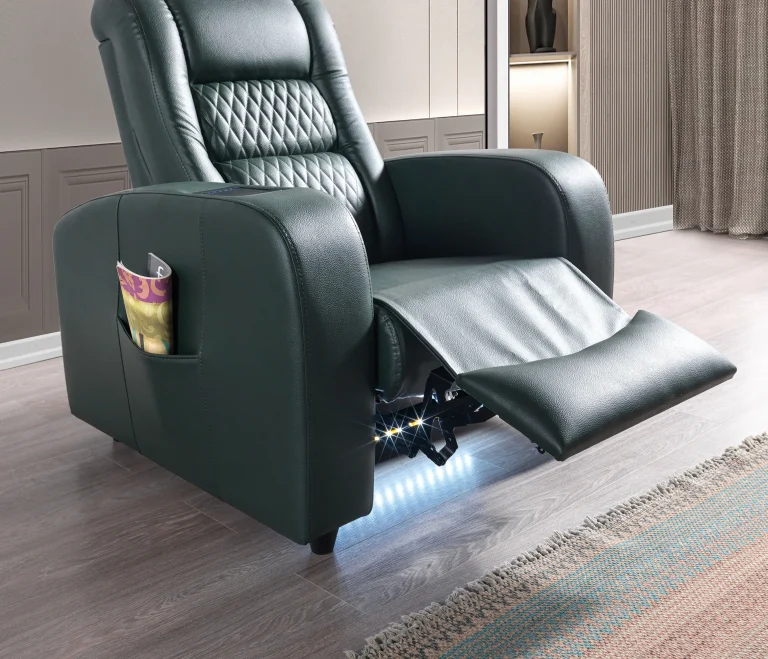
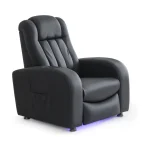
CHAIRIUM’s collections include individual models such as Alen Single, Siesta Single and other single-seat options.
When comparing individual recliners, buyers can consider:
- Overall product dimensions.
- Seat width and available configuration.
- Manual or motorized reclining.
- Upholstery choices.
- Available optional features.
- The relationship between the chair and surrounding furniture.
The final selection should be based on the exact model specifications and the requirements of the room.
4. The Appeal of Shared Double Recliners
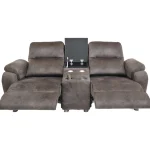
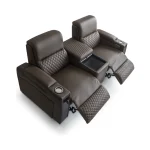
A double recliner offers a shared seating format while allowing the product to accommodate two users.
This arrangement can be considered for couples, families and private entertainment spaces. It may also be suitable for selected VIP cinema and commercial projects.
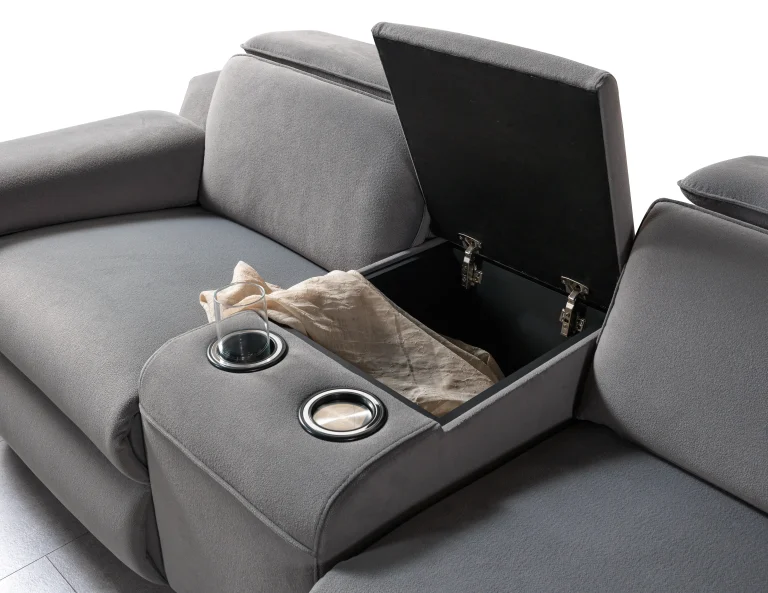
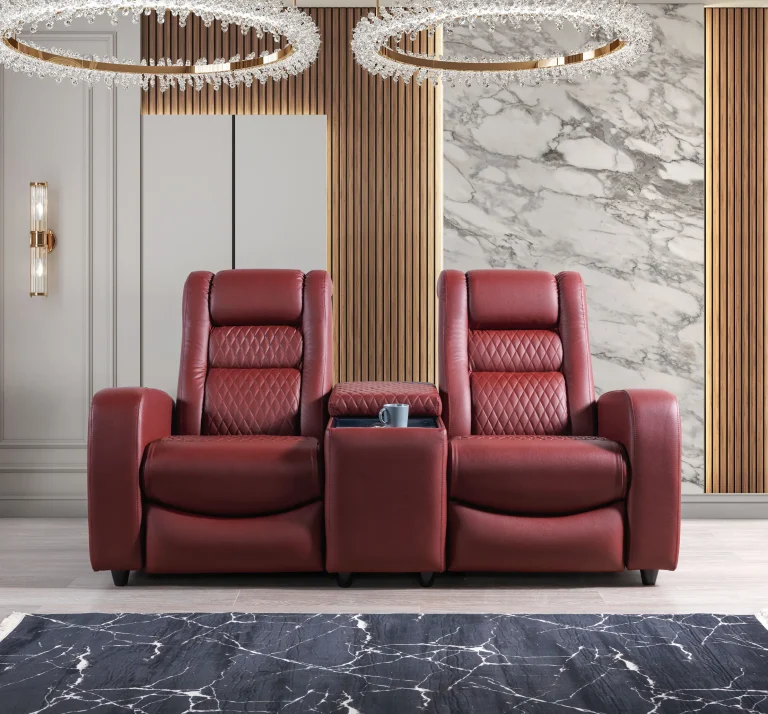
Depending on the model, double recliners may be available with shared armrests, a central module or alternative configurations.
For example, CHAIRIUM’s Alis Double and Anika Double product families provide different ways to approach two-person seating.
When evaluating a double recliner, buyers should review:
- The total width and depth.
- The available centre-module arrangement.
- The relationship between the two seating positions.
- The available reclining functions.
- Upholstery and colour options.
- The space required when the seats are reclined.
A shared product does not necessarily mean that both users must have identical preferences. The exact operation and independence of each seating position should be confirmed for the selected model.
5. Considering Triple Recliners for Larger Environments
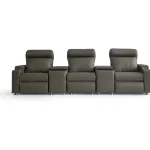
Triple recliners provide a seating solution for environments where three people may prefer to sit together.
They can be considered for larger living rooms, home cinemas and selected entertainment spaces.
CHAIRIUM’s Serena Motorized Triple Recliner is one example of this product format. Its product page describes independently motor-controlled reclining seats and a motor-controlled headrest system.
When evaluating a triple recliner, project owners should pay attention to:
- The overall width of the product.
- The available reclining positions.
- The space required for operation.
- The arrangement of armrests and seating divisions.
- The relationship with other furniture.
- The number of users expected to share the product.
A triple recliner can create a shared seating experience, but it should be selected according to the dimensions and practical requirements of the intended space.
6. Creating Flexible Seating with Sofa and Corner Configurations
Some rooms are better suited to a larger seating arrangement rather than several separate chairs.
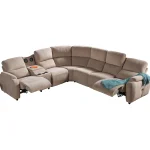
Corner recliner sets and modular sofa configurations can be considered when the room layout and intended use support them.
CHAIRIUM’s Atlas Corner Recliner Set is an example of a modular corner configuration. Its product information describes separate modules that can be added or removed according to the requested arrangement.
This type of product can be relevant when:
- Several people regularly use the same seating area.
- The room has a suitable corner or extended wall arrangement.
- A larger shared seating zone is preferred.
- The owner wants to evaluate modular furniture options.
Before selecting a corner or multi-seat configuration, it is important to review the room dimensions, access routes and the exact arrangement offered for the selected product.
7. Understanding Lift Recliners
A lift recliner is a different category from a conventional recliner.
In addition to reclining, a lift mechanism is designed to assist with the transition between sitting and a more upright position.
Some people and households may wish to consider this type of product when evaluating seating convenience and individual requirements.
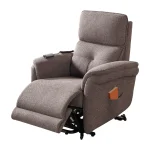
CHAIRIUM includes lift recliner options such as the Ekol Lift Recliner. The product page identifies motorized reclining and a standard lift function.
When evaluating a lift recliner, buyers should confirm:
- The operation of the lift mechanism.
- The product’s dimensions.
- The available controls.
- The intended user’s requirements.
- The required surrounding space.
- The product-specific operating and safety instructions.
A lift recliner should not automatically be treated as a substitute for professional accessibility equipment or a medical assessment. Buyers should confirm that the selected product is appropriate for the intended user and application.
8. Distinguishing Manual and Motorized Reclining
Recliners can use different operating mechanisms.
A manual recliner may be suitable for people who prefer a simpler mechanical arrangement. A motorized recliner may be preferred when users want to adjust the seating position through an electric control.
The correct choice depends on the product, the user and the intended environment.
When comparing these mechanisms, consider:
- How the reclining function is activated.
- Whether electrical power is required.
- The available control arrangement.
- The expected frequency of use.
- The operating instructions.
- The maintenance and service information.
CHAIRIUM’s product collections include both manual and motorized models. Buyers should review the individual product page rather than assuming that all models operate in the same way.
9. Considering Different Generations of Users
A shared seating environment may serve people from different generations.
A family entertainment room, for example, may be used by adults, teenagers, children and older family members. A commercial venue may welcome customers with a wide range of preferences and physical capabilities.
This makes it important to avoid designing exclusively around one assumed user.
A practical evaluation can consider:
- Seat dimensions and proportions.
- Ease of understanding the controls.
- The preferred seating position.
- The distance between furniture and other room elements.
- The availability of suitable seating alternatives.
- The user’s ability to operate the selected mechanism.
The purpose is to make informed furniture decisions based on actual requirements rather than broad assumptions about age or ability.
10. Planning Seating for Families and Shared Living Areas
Family environments often combine individual preferences with shared activities.
Some family members may prefer watching films together, while others may use the same room for reading, resting or watching television independently.
A combination of single and shared recliners may be worth evaluating.
For example, a room could include a double recliner for shared use and an individual chair for someone who prefers a separate seating position.
The arrangement should also consider everyday activities, such as moving through the room, accessing side tables and using entertainment equipment.
CHAIRIUM’s product collections provide different seating formats that can be explored when planning such environments.
11. Understanding the Needs of VIP Cinema Customers
A VIP cinema environment may serve individuals, couples and groups.
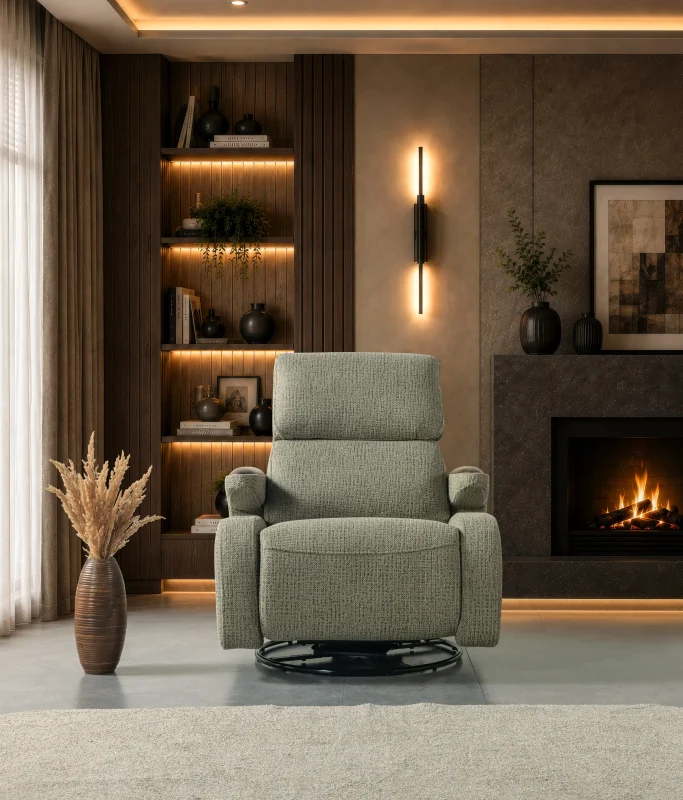
The seating arrangement can therefore influence how different customers experience the venue.
Individual recliners may be appropriate for customers who prefer their own seating space. Double recliners may be considered for customers who want to sit together. Larger configurations may be suitable for selected private or group areas.
Cinema operators can evaluate:
- The customer groups they intend to serve.
- The number of seats required in each category.
- The available room dimensions.
- The desired product appearance.
- The available reclining functions.
- The operational requirements of the venue.
CHAIRIUM’s VIP cinema seating collections include several product formats that can be reviewed for commercial projects.
12. Selecting Features According to User Expectations
Additional features should be selected according to their actual usefulness.
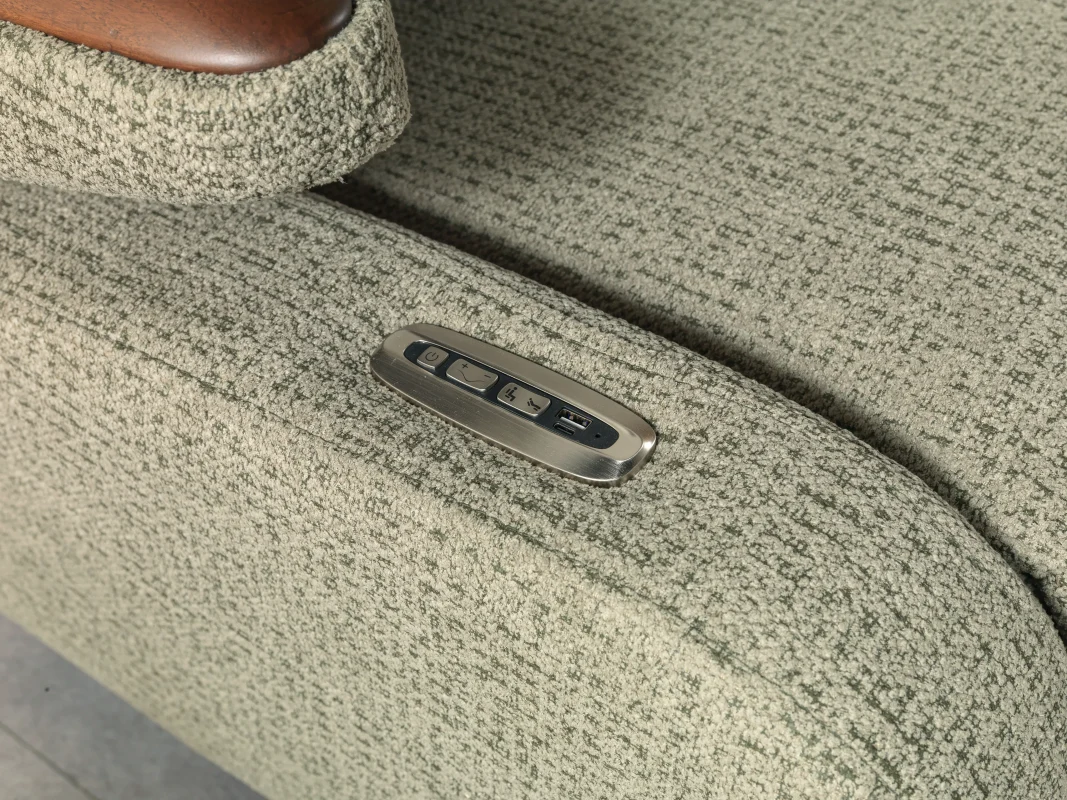
Depending on the product, recliners may offer features such as cup holders, USB connections, lighting, massage functions or tray tables.
Not every user needs every feature.
A home cinema owner may prioritise convenience features for personal entertainment. A commercial operator may focus on the functions that are most relevant to the venue’s customers and operational model.
Before confirming a product, buyers should ask:
- Which features are included as standard?
- Which features are optional?
- Are they available on the chosen model?
- Do they require additional space or electrical connections?
- Are they appropriate for the intended users?
The product-specific specification should always be checked before placing an order.
13. Balancing Personal Space and Shared Experience
One of the most important decisions in seating design is how to balance individual space with social interaction.
Separate chairs can provide distinct seating positions and greater flexibility in room arrangement. Double and triple recliners can create a more connected seating experience.
Neither approach is automatically better.
The decision should reflect the purpose of the room and the way people are expected to use it.
A private cinema designed for couples may benefit from a different arrangement than a family entertainment room. A VIP venue may need several seating categories to serve different customer preferences.
Considering these differences early can help avoid selecting a product format that does not suit the intended experience.
14. Considering Room Access and Everyday Movement
A seating product should be evaluated not only by its dimensions but also by how people move around it.
The room needs sufficient space for entry, exit, circulation and the intended operation of reclining mechanisms.
This is especially important when considering larger products or lift recliners.
Project owners should review:
- Doorway and corridor access.
- The route for delivering the furniture.
- Clearance around the seating.
- Space required for reclining.
- Access to controls and electrical connections.
- The movement of users between seating areas.
For commercial projects, the overall arrangement should also be reviewed against applicable building, fire-safety and accessibility requirements.
Product dimensions and project drawings should be confirmed before installation.
15. Avoiding Assumptions About Comfort and Accessibility
Terms such as comfort, convenience and accessibility can mean different things to different people.
A product that suits one user may not suit another. A particular seat height, armrest shape or reclining angle may be preferred by one person but not by someone else.
For this reason, buyers should avoid relying entirely on photographs or general product descriptions.
Where possible, they should review dimensions, technical information, available product demonstrations and the specific requirements of the intended user.
For lift recliners or seating intended for users with particular mobility requirements, professional advice may be necessary.
A careful selection process helps ensure that the product is evaluated according to the people who will actually use it.
16. Matching Seating Formats to Commercial Applications
Commercial environments often serve several user groups within the same building.
A cinema may have individual VIP seats and double recliners. A hotel may have separate lounge arrangements. An entertainment venue may include private rooms and shared seating areas.
The product selection should reflect the function of each area.
Commercial buyers can create a simple seating specification that records:
- The intended customer group.
- The seating format.
- The number of seats.
- Product dimensions.
- Required functions.
- Upholstery preferences.
- Operational and maintenance considerations.
This information can help the project team compare different options and communicate requirements more clearly.
CHAIRIUM’s product range includes single, double, triple and selected multi-seat formats for different applications.
17. Exploring Different User-Oriented Options at CHAIRIUM
CHAIRIUM’s official website provides several product categories that visitors can explore according to their seating requirements.
Examples include:
- Alen Single: An individual motorized VIP recliner.
- Anika VIP Double: A two-person recliner format with different configuration possibilities.
- Serena Motorized Triple Recliner: A three-seat motorized recliner arrangement.
- Ekol Lift Recliner: A single recliner with a motorized reclining and lift function.
- Atlas Corner Recliner Set: A modular corner seating configuration.
These examples illustrate how different product formats can serve different seating preferences.
Explore the official product pages:
- Alen Single: https://www.chairium.com/products/alen-single-vip-recliner
- Anika VIP Double: https://www.chairium.com/products/anika-vip-double-vip-recliner-seats
- Serena Motorized Triple Recliner: https://www.chairium.com/products/serena-motorized-triple-recliner
- Ekol Lift Recliner: https://www.chairium.com/products/ekol-lift-recliner
- Atlas Corner Recliner Set: https://www.chairium.com/products/atlas-corner-recliner-set
The available features, configurations and dimensions should be confirmed on the relevant product page and with CHAIRIUM before a purchase or project decision.
18. Building a Seating Plan Around Real Requirements
A successful seating project begins with understanding the people who will use it.
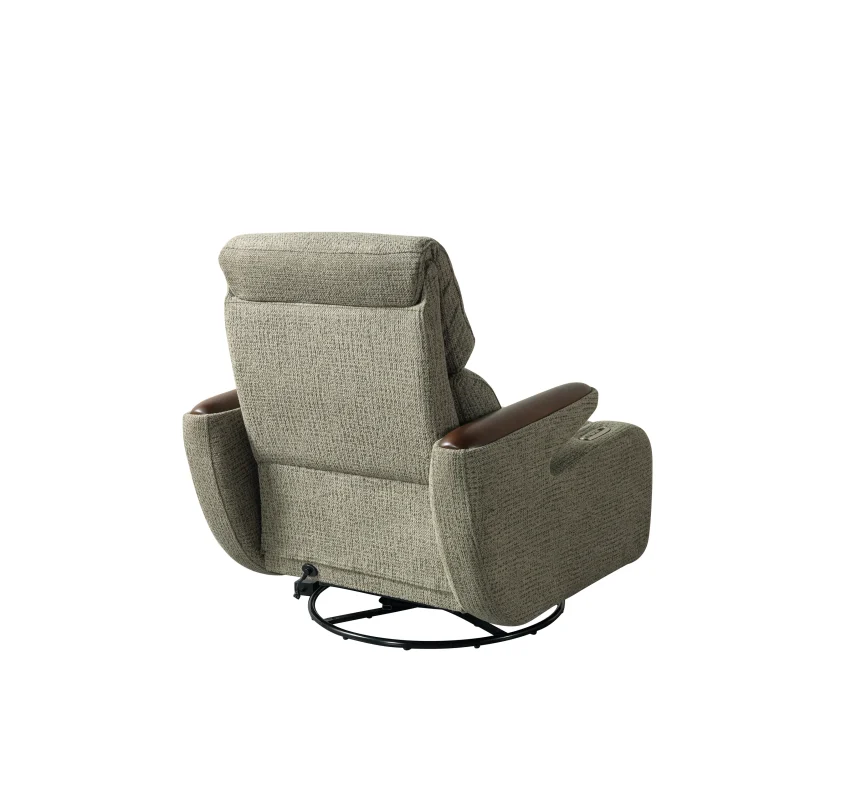
The most effective product selection is not necessarily the largest, most feature-rich or most visually impressive option. It is the solution that fits the intended users, the available space and the purpose of the environment.
A practical decision process can follow these steps:
- Identify the main user groups.
- Understand individual and shared seating preferences.
- Decide whether single, double, triple or modular formats are appropriate.
- Evaluate whether a lift recliner should be considered.
- Compare manual and motorized mechanisms.
- Review dimensions and movement requirements.
- Identify the features that are genuinely useful.
- Confirm product-specific configurations and specifications.
- Discuss the project requirements with the supplier.
- Keep the final product information for future reference.
CHAIRIUM offers recliner seating, VIP cinema chairs and different seating configurations for residential and commercial projects. By exploring its product collections and discussing the needs of the intended users, buyers can develop a clearer direction for their next seating project.
Conclusion: The Right Seating Begins with Understanding the User
A well-planned seating environment recognises that people use furniture in different ways.
Some prefer individual recliners, others value shared seating, and certain users may wish to consider a lift recliner as part of their seating requirements.
By evaluating these differences before selecting products, homeowners, architects, interior designers, cinema operators and commercial buyers can make more informed decisions.
CHAIRIUM brings together different recliner formats and VIP cinema seating solutions that can be explored for a wide range of residential and commercial applications.
Whether the project involves a private living room, a home cinema, a VIP auditorium or a larger entertainment environment, the starting point remains the same: understand the users, evaluate the space and select the seating format that best reflects the project’s requirements.
Discover the CHAIRIUM collections and discuss your seating project: